























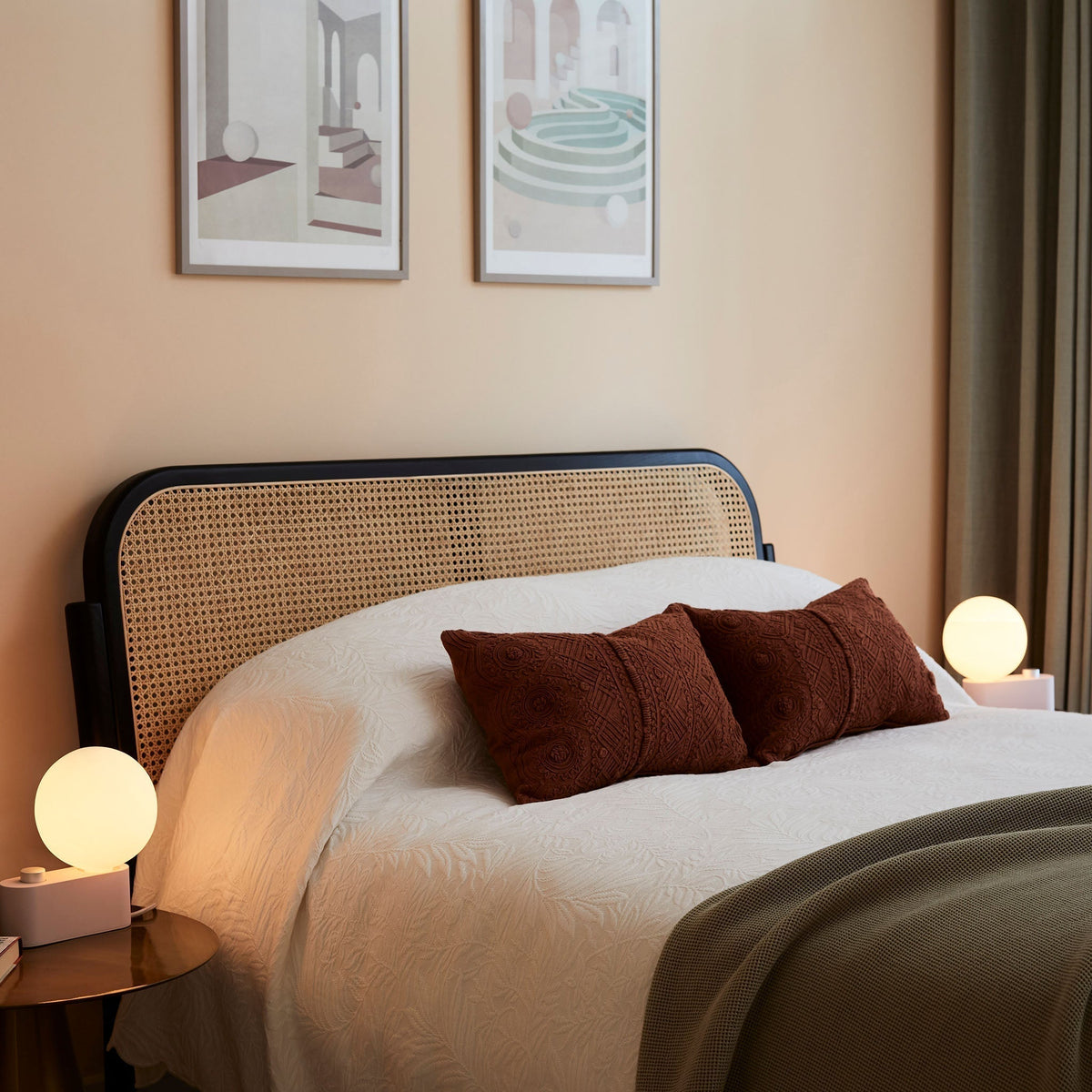
What Size Table Lamp Works Best in Small Offices and Compact Rooms?

A table lamp for a small office or compact room should be proportionate, bright enough for the task, and physically easy to live with. The best choice is not always the smallest lamp on the shelf. A tiny lamp can leave the desk dim, create shadows across paperwork, or force the user to lean closer to the surface. An oversized lamp can crowd the desktop, block sightlines, and make the room feel tighter than it really is.
For most small offices, a table lamp between 14 and 24 inches tall works well, depending on the desk size, shade shape, base footprint, and how the room is used. A compact writing desk usually benefits from a lamp around 14 to 18 inches tall, while a slightly larger workstation may handle an 18 to 24 inch lamp if the base is narrow and the shade does not compete with the screen or nearby storage.
The most important measurements are height, base width, shade width, and placement. A lamp should light the work area clearly without taking over the surface. In compact rooms, lighting should feel integrated into the workstation rather than added as an afterthought. A flexible piece such as the Alumina LED table and wall light reflects how small-space lighting often works best when the form stays streamlined and adaptable to the room.
Small Office Lamp Size Starts with the Desk Surface
The desk, not the room, should be the first reference point when choosing a table lamp. A 9-by-10 office with a deep work surface can sometimes support a larger lamp than a spacious room with a narrow console desk. Surface area determines how much room the lamp can occupy without interfering with everyday work.
A compact office desk usually has a central work zone where the laptop, keyboard, mouse, notebook, and writing materials need to stay clear. The lamp should sit outside that working zone, often toward a back corner or side edge. When the lamp intrudes into the center of the desk, even a well-designed piece can feel too large.
Best Lamp Heights for Common Compact Desks
A small writing desk that measures about 30 to 36 inches wide usually works best with a lamp around 14 to 18 inches tall. This gives enough height for focused task lighting while keeping the lamp visually modest. A 40 to 48 inch desk can often accommodate a lamp around 18 to 24 inches tall, especially if the lamp has a slim base or directional shade.
For deeper compact desks, a lamp around 20 to 26 inches tall may work if it sits behind the main work area and directs light downward or across the surface. On shelves, file cabinets, and very small side tables, shorter lamps around 12 to 18 inches usually feel more stable and visually balanced.
Why a Tiny Lamp Can Still Be the Wrong Size
A lamp that is too short may cast light only across a small patch of the desk. This can make reading, writing, or reviewing documents uncomfortable, especially in the evening. A very short lamp may also sit below clutter, books, or a laptop screen, which can create uneven shadows.
A better compact lamp is sized for the task, not just the tabletop. It should be tall enough to spread light across the working area, yet narrow enough to preserve open surface space.
Base Footprint Matters More Than Many People Expect
In small rooms, the base of the lamp can matter more than the height. A tall lamp with a narrow base may work beautifully on a compact desk. A short lamp with a wide base may waste valuable space and make the desktop feel crowded.
The base is the part that directly competes with daily work tools. A large ceramic or sculptural base may look attractive, but if it occupies the same area needed for a mouse, notebook, or phone, it may not be the right choice for a compact office.
The Working Rectangle Test
Before choosing a lamp, picture the desk as having a central working rectangle. This is the area where the hands move most often. It includes the keyboard, mouse, notebook, planner, tablet, or papers used throughout the day.
The lamp should sit outside that rectangle. A back-left or back-right placement usually works best. The base should feel stable without forcing the user to rearrange essential items every time the lamp is turned on or adjusted.
Storage Helps the Lamp Feel Better Proportioned
A lamp that looks oversized may not actually be too large. The desk may simply be holding too many items. Stacks of documents, loose office supplies, and personal objects can make the available surface feel smaller than it is.
Moving files and office materials into a compact lockable filing cabinet can help preserve the desktop for the items that need to remain within reach. When the surface is cleaner, a properly sized lamp feels intentional rather than crowded.
Lamp Height Should Work with Eye Level, Screens, and Seated Posture
A table lamp in a small office sits close to the user, so glare becomes more noticeable. The light source should not shine directly into the eyes when seated. A good rule is to keep the bulb, LED source, or lower shade edge near or below seated eye level, depending on the lamp design.
The lamp also needs to work with the screen. If the lamp is too tall or aimed incorrectly, it can reflect on a monitor or laptop. If it is too low, it can create harsh shadows across the keyboard or papers.
Desk Lamps Beside Monitors
For monitor-based workstations, the lamp should usually sit to the side rather than directly in front of or behind the screen. A side position helps reduce reflections and keeps the light useful for reading notes, reviewing documents, or writing.
A lamp with a directional shade can be especially useful because it allows light to be guided toward the desk surface rather than the screen. Matte finishes and softer shade materials can also help reduce harsh reflections in compact rooms where surfaces sit close together.
Desk Lamps Beside Laptops
Laptop users often need a slightly different setup because laptop screens sit lower than desktop monitors. A lamp that works well beside a full monitor may feel too tall or glaring beside a laptop if the light source is exposed.
Raising the laptop can improve both posture and lamp placement. A slim laptop stand can help create a more organized vertical relationship between the screen, the lamp, and the user’s seated eye line. Once the screen is elevated, the lamp can often sit slightly farther back and provide cleaner task lighting.
Handedness and Shadow Control
Right-handed users often prefer placing the lamp on the left side of the desk so the writing hand does not cast a shadow across the page. Left-handed users often benefit from the reverse. This small adjustment matters in compact rooms because the lamp is closer to the work surface and shadows can feel more concentrated.
For laptop-only work, handedness matters less. For sketching, note-taking, document review, or journaling, the side of the lamp can make a meaningful difference.
Shade Width Shapes Both Light Spread and Visual Weight
Shade width affects how a lamp performs and how large it feels. In compact rooms, a wide shade can visually dominate the desk, even when the lamp height is reasonable. A narrow or moderately sized shade often works better because it keeps the lamp from competing with the monitor, shelves, or wall space.
A useful rule is to keep the shade clearly narrower than the surface it sits on. If the shade nearly spans the width of a side table or crowds the monitor, it is probably too large for that setup.
Narrow Shades for Focused Desk Work
Narrow shades and integrated lamp heads are effective for laptop work, keyboard tasks, and compact writing desks. They direct light to a defined area without making the whole lamp feel bulky.
This style is especially helpful when the desk is placed against a wall or in a bedroom corner. A narrow shade leaves breathing room around the lamp, which helps the entire workspace feel lighter.
Wider Shades for Reading and Softer Ambience
A wider shade can work in a compact room when the lamp is used for reading, ambient lighting, or a side table rather than the main desk surface. Wider shades spread light more broadly, which can make a small room feel warmer and less task-focused.
The key is placement. A broader shade may be better beside the desk than on it. When the lamp sits on a side table, cabinet, or nightstand, it can provide comfortable light without taking up work surface space.
Shade Color and Perceived Size
Light-colored shades tend to feel softer and less visually heavy. Dark shades can look elegant, but they may feel more substantial in a small room. Glass, translucent, and reflective materials can also reduce the sense of bulk because the eye sees more light and less solid mass.
This is why materials matter as much as measurements. A 20 inch lamp with a visually light material may feel smaller than a 16 inch lamp with a thick, dark, heavy base.
Table Lamp Size Chart for Small Offices and Compact Rooms
The following ranges are practical starting points. Exact fit depends on desk depth, chair height, shade shape, nearby storage, and how much light the user needs for daily work.
| Compact setup | Suggested lamp height | Ideal base footprint | Shade guidance | Best lighting role |
|---|---|---|---|---|
| 30 to 36 inch writing desk | 14 to 18 inches | 4 to 6 inches | Narrow shade or integrated head | Laptop work and writing |
| 40 to 48 inch office desk | 18 to 24 inches | 5 to 7 inches | Moderate shade under the desk’s visual width | Daily task lighting |
| Small side table | 16 to 22 inches | 5 to 8 inches | Shade narrower than tabletop | Reading and ambient light |
| Shelf or cabinet top | 12 to 18 inches | Compact, stable base | Low-profile shade | Accent or secondary light |
| Deeper workstation | 20 to 26 inches | Slim or offset base | Directional shade | Broader desk coverage |
| Bedroom-office nightstand | 16 to 24 inches | 5 to 8 inches | Soft diffused shade | Reading and evening use |
How to Use the Size Chart
Start with the surface type, then narrow the choice based on how the lamp will be used. A desk lamp for detailed work should usually be taller or more directional than a lamp used only for ambience. A lamp on a shelf or cabinet top should usually stay shorter because it already begins from a higher surface.
The chart should not be treated as a strict rule. Proportion is visual and functional. A lamp that fits the numbers may still look too heavy if the base is bulky or the shade is too wide. A lamp slightly outside the range may still work if it has a slim silhouette and clear placement.
Task Lamps and Decorative Lamps Need Different Sizing Logic
A task lamp and a decorative table lamp can both work in small rooms, but they should not be judged by the same criteria. A task lamp must support reading, writing, laptop work, or detailed desk activity. A decorative lamp may provide softer light and visual warmth.
The right size depends on the lamp’s job. A compact office used for full workdays needs more control than a room where the lamp is mainly used to soften the atmosphere after work.
Task Lamps Need Clearance and Direction
A task lamp should keep the work area visible without glare. Adjustable arms, angled heads, and controlled shade shapes can help direct light where it is needed. For compact desks, the best task lamp usually has a small base, a narrow profile, and a light source that can be aimed toward the surface.
A task lamp that cannot illuminate the actual work zone is functionally too small, even if it looks appropriate. The goal is not just to fit the desk. The lamp needs to make the desk easier to use.
Decorative Lamps Can Be Slightly More Sculptural
A decorative table lamp can have more visual presence if it sits away from the primary work area. On a side table, credenza, or open shelf, a sculptural lamp can add warmth without interfering with typing, writing, or screen use.
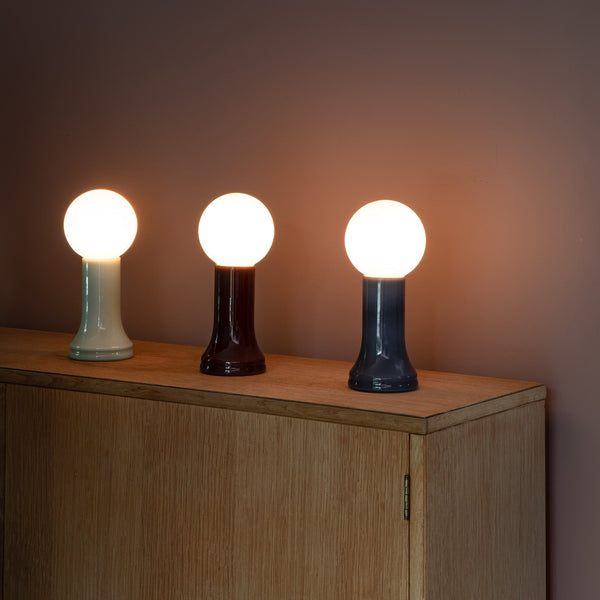
A piece such as the Shore recycled glass table lamp fits naturally into this kind of compact-room conversation because glass can bring material interest without the same visual heaviness as a fully solid form. The best placement still depends on surface size, shade width, and surrounding clearance.
When Decorative Lighting Belongs Beside the Desk
Very small desks often work better when the main light source is nearby rather than directly on the desktop. A side table or cabinet-top lamp can brighten the workspace while keeping the desk free for the laptop, notebook, and tools.
This approach is useful in bedrooms, studio apartments, and shared rooms where the desk cannot hold every accessory. The lamp still supports the work area, but it does not compete with it.
Lamp Placement Can Make a Compact Room Feel Larger
Placement often solves problems that size alone cannot. A lamp that feels too large in the center of a desk may feel perfectly scaled in a back corner. A lamp that seems awkward beside a monitor may work well on a nearby cabinet or side table.
Small-room lighting should support open surfaces and clear sightlines. The best placement makes the lamp feel like part of the room’s architecture rather than another object sitting on the desk.
Back-Corner Placement Opens the Work Surface
The back corner is usually the strongest position for a small office lamp. It keeps the center of the desk open while allowing light to spread across the surface. It also helps prevent the lamp base from interfering with the keyboard, mouse, or writing area.
For wall-facing desks, the back-corner strategy can create a clean and intentional look. For floating desks, the lamp may need to sit slightly inward so the cord stays controlled and the base remains secure.
Side Placement Helps with Reading and Notes
Side placement works well when the lamp supports handwritten notes, printed documents, or reference materials. The lamp should sit opposite the writing hand when possible to reduce shadows.
This setup is especially helpful in compact offices where overhead lighting is not enough. A side lamp can provide a focused layer of light without brightening the entire room.
Elevated Surfaces Need Shorter Lamps
Shelves, file cabinets, and tall side tables change the lamp’s effective height. A 20 inch lamp on a high cabinet may feel too tall because the surface already raises it. On elevated furniture, shorter lamps often look more balanced and feel safer.
A lamp on a cabinet or shelf should have a stable base and enough clearance around the shade. It should not sit so close to the wall or nearby objects that it feels squeezed into place.
Power Access and Cord Management Influence Lamp Fit
A well-sized lamp can still feel wrong if the cord path is messy. In compact rooms, cords are more visible because furniture pieces sit close together. A lamp cord crossing the writing area or hanging awkwardly behind the desk can make the setup feel less organized.
Power access should be considered before final placement. The best lamp location is not only where the light looks good, but also where the cord can travel safely and neatly.
Built-In Power Supports Cleaner Desk Planning
When a desk setup supports integrated access, an in-desk power module can help keep charging and outlet access closer to the work surface. This can make lamp placement feel more deliberate, especially when the desk also holds a laptop, phone, monitor, or other daily tools.
The goal is not to hide every cord or turn the room into a showroom. The practical goal is to reduce unnecessary cable paths so the lamp does not create clutter beyond its physical footprint.
Clamp-On Access Works for Flexible Workstations
Some compact desks need power access that does not require a built-in installation. A clamp-on power outlet can support more flexible desk layouts by keeping outlet access near the work area without occupying the same surface space as a lamp base.
This matters because small offices often change over time. The laptop moves, the monitor shifts, paperwork increases, and the lamp may need to be repositioned. Accessible power helps the lighting setup adapt without forcing cords across the desktop.
A Simple Cord Planning Checklist
Before choosing the final lamp position, check the practical details:
1. Place the lamp outside the central work zone.
2. Identify the nearest safe outlet path.
3. Keep the cord away from the mouse, keyboard, and writing area.
4. Avoid routing the cord where a chair may roll over it.
5. Make sure the switch or control is easy to reach.
6. Leave clearance around the shade for heat, airflow, and visual breathing room.
7. Confirm that the lamp can be moved slightly without disrupting the entire setup.
Room Function Changes the Best Lamp Size
A compact room may be a full-time home office, a guest room, a bedroom workspace, a studio apartment corner, or a shared family desk. Each use case changes the ideal lamp size.
A lamp for long work sessions should be more task-focused. A lamp for a guest room office should balance work light with softer evening use. A lamp for a living room desk should look visually compatible with the surrounding furniture.
Full-Day Small Office
A full-day office usually needs a lamp that can handle focused work without creating glare. An 18 to 24 inch lamp often works well for this type of setup, assuming the base and shade stay proportionate to the desk.
The lamp should not be purely decorative. It needs to brighten documents, reduce eye strain, and support the user’s posture by making the work surface easier to see.
Bedroom Workspace
A bedroom workspace needs more visual softness. A lamp that looks too technical may feel out of place after work hours. A lamp that is too decorative may not provide enough task lighting.
Moderate height, diffused light, and a shade that feels calm rather than bulky are often good choices. The lamp should support laptop work during the day and comfortable reading or ambient lighting in the evening.
Living Room Desk Corner
A living room desk corner needs to blend into the room. The lamp should feel related to nearby furniture, not like a separate office fixture dropped into the space.
Slim profiles, simple materials, and controlled shade sizes work especially well here. A lamp around 16 to 22 inches can often provide enough presence without making the desk look crowded.
Common Table Lamp Sizing Mistakes in Compact Offices
Small-office lighting problems often come from choosing a lamp in isolation. A lamp may look good online or in a showroom but behave differently when placed beside a laptop, monitor, notebook, shelf, and wall.
The best lamp is chosen as part of the workstation. Its size should support the room’s layout, not fight against it.
Choosing by Height Alone
Height is important, but it is not the whole story. A 22 inch lamp with a narrow base and simple shade can work well on a compact desk. A 16 inch lamp with a wide base and oversized shade can feel intrusive.
Evaluate the entire silhouette. Look at height, base diameter, shade width, material, and where the lamp will sit.
Letting the Shade Compete with the Screen
If the shade sits too close to the monitor or reflects on the screen, the lamp may feel distracting. This is especially common on shallow desks where the monitor, lamp, and wall are all tightly grouped.
The lamp should support screen work by adding useful side light. It should not become the brightest object in the user’s line of sight.
Ignoring the Actual Task
A decorative lamp may look beautiful but fail at focused work. A tiny lamp may fit the desk but leave documents dim. A large lamp may provide good light but crowd the surface.
The task should lead the sizing choice. Reading and document review need wider, clearer light. Laptop work may need a smaller directional lamp. Ambient lighting can be softer and less focused.
A Well-Sized Lamp Belongs to the Whole Workspace
A compact office feels better when the lighting, desk, storage, chair, and power access share a consistent sense of scale. The lamp should not feel like an isolated accessory. It should feel like part of a complete work setting.
This is especially important in small rooms because every item has more visual impact. A bulky lamp can make the desk look smaller. A thin lamp on a large surface can look underpowered. A well-proportioned lamp makes the room feel calm, functional, and considered.
Coordinate Lamp Scale with Furniture Scale
The lamp should relate to the desk width, chair height, nearby storage, and open walking space. A compact room does not need every object to be tiny. It needs pieces that fit together without visual conflict.
A broader workspace plan, including modern ergonomic office furniture, can help establish the right scale before accessories are added. When the main furniture is proportionate, choosing the right table lamp becomes much easier.
The Final Fit Check Before Choosing a Lamp
A table lamp is likely the right size for a small office or compact room when it passes these checks:
-
The height supports reading, writing, or screen work without direct glare.
-
The base stays outside the main working rectangle.
-
The shade is narrower than the table or desk surface.
-
The lamp does not block the monitor, shelves, or sightlines.
-
The cord can reach power without crossing the active work area.
-
The material and color do not make the room feel visually crowded.
-
The lamp supports the room’s real use, not just its appearance.
Right-Sized Lighting Makes Compact Offices Feel Clear, Comfortable, and Intentional
The best table lamp for a small office or compact room is usually compact, but not underpowered. It has enough height to light the work surface, a base that does not steal useful space, and a shade that feels proportionate to the furniture around it.
For many compact workspaces, the strongest range is 14 to 24 inches tall, adjusted by desk width, surface depth, screen position, and lighting purpose. Smaller desks tend to work best with slimmer lamps and narrower shades. Larger compact workstations can handle slightly taller lamps when the base stays controlled and the light is directed thoughtfully.
A well-sized lamp does more than brighten a desk. It protects surface space, reduces visual clutter, improves comfort, and helps the entire room feel more purposeful. In a small office, that balance matters. The right lamp should make the room easier to use, easier to look at, and easier to return to day after day.
Related Articles
-
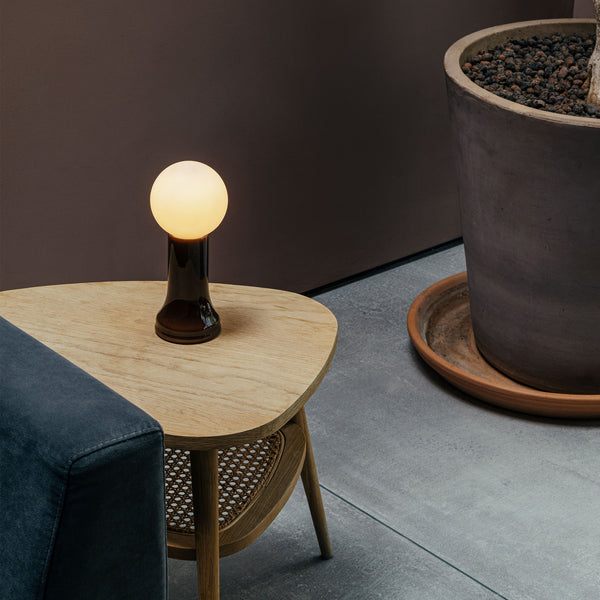 Shore Table Lamp Ideas That Make Desk Lighting Feel Softer
-
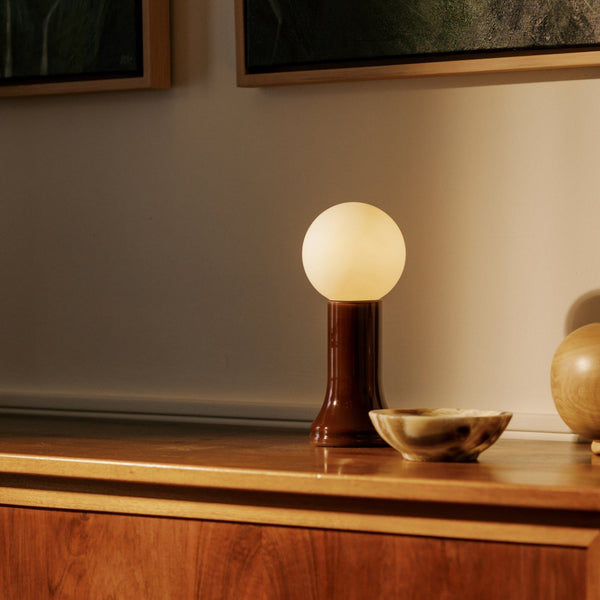 How to Choose a Table Lamp That Adds Warmth Without Reducing Visibility
-
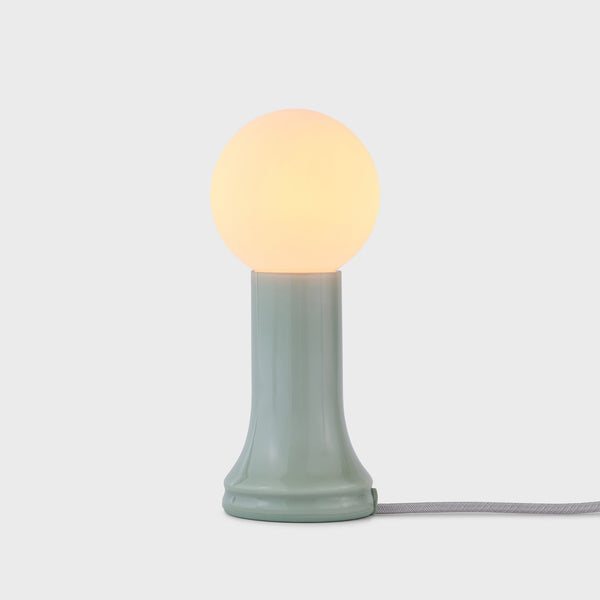 Can a Table Lamp Support Evening Work Better Than Overhead Lighting?
-
 How to Use a Table Lamp to Make a Home Office Feel Less Harsh and More Lived In
-
 Best Table Lamp Options for Creating a Relaxed But Productive Workspace
-
 Best Table Lamp Placement Ideas for Side Tables, Consoles, and Office Corners

