


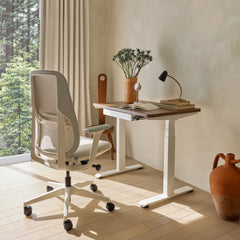
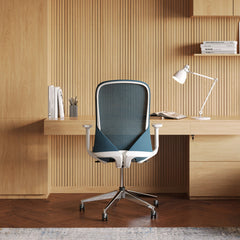

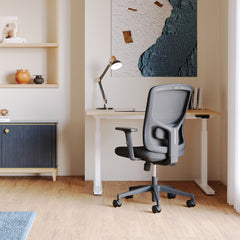
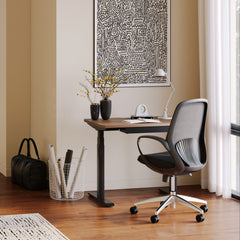
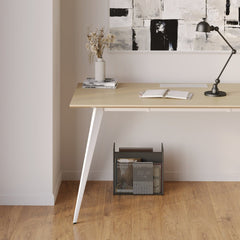
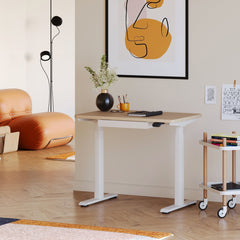

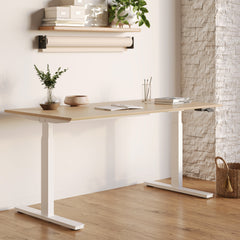

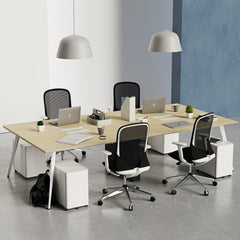




Can a Table Lamp Support Evening Work Better Than Overhead Lighting?

Evening work asks more from a workspace than daytime work does. After sunset, the room is darker, the screen feels brighter, and small visual discomforts become more noticeable. A ceiling fixture may make the room visible, but visibility alone does not always create a comfortable work setting. For focused tasks such as reading, typing, planning, writing, or reviewing documents, a table lamp can often support evening work better than overhead lighting because it places light closer to the actual task.
The strongest evening setup is not about replacing every ceiling light. It is about using the right kind of light in the right place. A table lamp gives the desk its own work zone, while softer background lighting keeps the room from feeling too dark. That balance matters for eye comfort, posture, screen visibility, and the overall mood of the space.
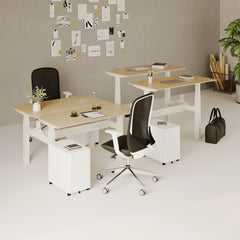
Lighting also performs best when the desk itself is thoughtfully arranged. A lamp, chair, desk height, storage, screen position, and power access all influence how comfortable evening work feels. A well-planned workspace built around ergonomic office setup planning gives lighting a better foundation because every element supports focus rather than fighting against it.
Evening Work Lighting Depends on Contrast, Not Just Brightness
A common mistake is assuming that a brighter room is always a better room for work. In the evening, the real issue is often contrast. The eyes move between the screen, keyboard, papers, desk surface, and surrounding room. When one area is much brighter than another, the eyes must keep adjusting. That repeated adjustment can make work feel more tiring than the task itself.
Overhead lighting spreads illumination broadly, but it does not always place light where the work happens. A ceiling fixture may brighten the floor, walls, and upper surfaces while leaving the keyboard, notebook, or reading area less comfortable than expected. A table lamp changes the relationship between the worker and the task because it brings light closer to the work surface.
Why a Bright Ceiling Light Can Still Feel Visually Uncomfortable
Overhead lighting can be useful, but it often creates problems during evening desk work. Light coming from above may reflect on glossy desks, laptop screens, framed wall art, or polished accessories. It can also create shadows from the user’s head, hands, shelves, or monitor.
The result can be confusing. The room may look bright, but the desk may still feel difficult to use. Printed text may need more direct light. A keyboard may sit partly in shadow. A monitor may catch a reflection from above. None of these issues means the room lacks light. They mean the light is not controlled well enough for focused evening work.
How a Table Lamp Creates a Better Task Zone
A table lamp gives more control over where light lands. Instead of illuminating the whole room equally, it can direct light onto the notebook, keyboard, planner, or reading surface. This makes the desk feel intentional without making the entire room overly bright.
A flexible lamp also allows the workspace to adapt. Reading a printed contract, typing an email, reviewing notes, and sketching ideas do not need identical lighting. A lamp placed beside the task area gives the user more control than a fixed ceiling light. A product such as the Alumina multi-use LED lamp fits naturally into this kind of setup because it is designed around adaptable table and wall lighting use.
Visibility and Visual Ease Are Not the Same
Visibility means the eyes can identify objects. Visual ease means the eyes can work without strain, glare, heavy shadows, or constant readjustment. Evening work benefits from visual ease. A table lamp is often better suited to that goal because it can be positioned, angled, and adjusted around the task rather than the room as a whole.
Table Lamp vs Overhead Lighting for Evening Work
A table lamp and overhead light serve different roles. One is not automatically better in every situation. The question is which one supports the specific demands of evening work more effectively.
| Evening Work Factor | Table Lamp | Overhead Lighting | Stronger Fit After Sunset |
|---|---|---|---|
| Task visibility | Directs light onto the work surface | Spreads light across the room | Table lamp |
| Screen glare control | Easier to angle away from the display | More likely to reflect from above | Table lamp |
| Whole-room movement | Limited reach beyond the desk | Helps with walking, cleaning, and shared use | Overhead lighting |
| Reading printed material | Strong when placed beside the page | May cast shadows depending on fixture position | Table lamp |
| Desk atmosphere | Creates a focused, calmer zone | Can feel too broad or harsh | Table lamp |
| Shared-room use | Supports one focused area | Supports the full room | Overhead lighting |
| Personal workspace character | Adds presence to the desk | Less specific to the workstation | Table lamp |
Why Table Lamps Usually Support Focused Evening Tasks Better
Most evening work happens in a defined area. The user sits at a desk, works on a laptop, writes in a notebook, reads printed pages, or organizes tasks for the next day. These activities do not require every corner of the room to be bright. They require the right amount of light in the right place.
A table lamp supports that need by creating a focused work area. It can make the desk feel active while the surrounding space remains calm. This is especially helpful in bedrooms, dining areas, living rooms, and small home offices where work and home life share the same environment.
Where Overhead Lighting Still Belongs
Overhead lighting still has value. It helps when entering the room, cleaning, organizing, or moving between areas. In shared spaces, it may be necessary for general visibility. During video calls, some ambient light may help prevent the background from looking too dark.
The most comfortable evening workspace often combines both. A low overhead light or soft ambient source can support the room, while the table lamp handles the task. This layered approach prevents the desk from feeling isolated in darkness without relying on harsh ceiling brightness.
Layered Evening Lighting Creates a Calmer Work Surface
A strong evening lighting plan uses layers. Instead of expecting one fixture to do everything, the workspace benefits from ambient light, task light, and sometimes a small accent source. Each layer has a job.
Ambient light gives the room a soft base. Task light supports reading, writing, and keyboard use. Accent light can make the space feel warmer and less clinical. A table lamp often becomes the most important layer because it connects directly to the work surface.
Ambient Light Keeps the Screen From Dominating the Room
Working in a completely dark room with only a laptop screen can feel intense. The screen becomes the brightest object in the environment, and the eyes keep adjusting between the glowing display and the dark surroundings. This can make the screen feel sharper, even when brightness is turned down.
Soft ambient light reduces that contrast. It does not need to be strong. A dim ceiling fixture, wall light, or indirect glow can help the room feel balanced. The goal is not to brighten everything. The goal is to prevent the screen from becoming the only meaningful source of light.
Task Light Gives the Desk Its Own Visual Center
Task lighting is where the table lamp performs best. It gives the hands, keyboard, notebook, and reading surface their own visual center. This helps the user stay oriented and reduces unnecessary movement.
For best results, the lamp should sit beside the work area rather than directly behind the screen. It should angle downward toward the task, not toward the eyes. If the user writes by hand, placing the lamp opposite the dominant hand can reduce shadows across the page.
Decorative Warmth Matters in Shared Home Spaces
Evening work often takes place outside a dedicated office. A dining table becomes a desk. A bedroom corner becomes a planning station. A living room console becomes a laptop area. In these spaces, the lamp is not only functional. It also affects how the room feels when work begins and ends.
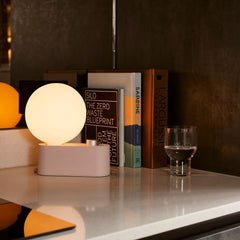
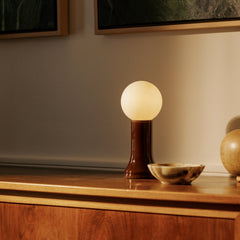
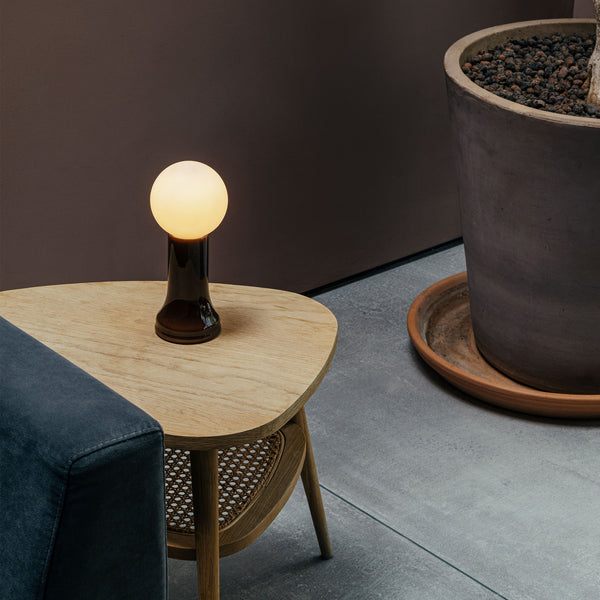
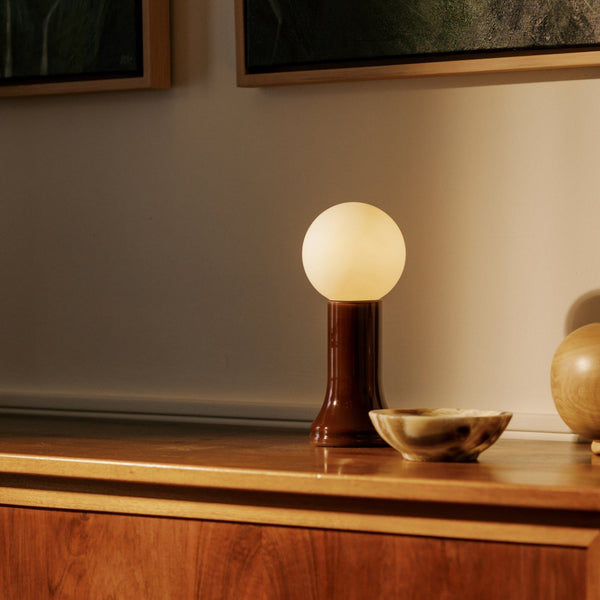
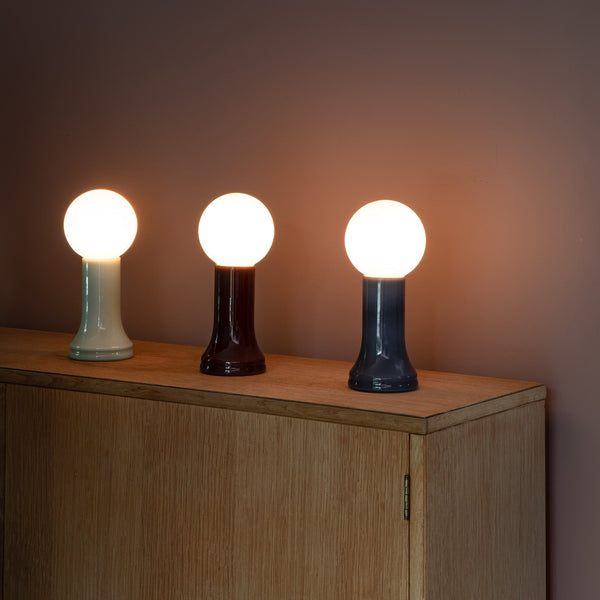
A table lamp can make the work zone feel designed rather than temporary. A piece such as the Shore recycled glass table lamp supports this kind of setting because it belongs naturally in a home environment while still serving the practical role of a desk-side light.
A Simple Layered Formula for Evening Work
A balanced setup usually includes soft background light, a stronger table lamp directed at the work surface, and a screen brightness level that matches the room. This combination reduces harsh contrast while preserving enough clarity for focused tasks.
Lamp Placement Determines Whether the Light Helps or Distracts
The same lamp can feel helpful or uncomfortable depending on where it sits. Placement affects glare, shadows, posture, and desk usability. Evening work needs careful positioning because small reflections and shadows are more noticeable in lower-light conditions.
A table lamp should never be placed only where it looks symmetrical. It should be placed where it supports the work being done.
Side Placement Should Match the Task
For handwriting, a right-handed person often benefits from placing the lamp on the left side, while a left-handed person may prefer the right. This prevents the writing hand from casting a strong shadow across the page.
For laptop work, the best side depends on the screen angle and desk layout. The lamp should not sit directly behind the screen or point toward the display. A side position with downward direction usually gives better control.
Glare Often Comes From Centered or Exposed Light
A lamp placed directly behind a laptop can create a bright halo around the display. A lamp placed in front of the user can shine into the eyes. An exposed bulb may feel sharp, especially in a dark room.
Glare is not always obvious until the user sits down. The best test is simple: sit in normal posture, look at the screen, and move the lamp until reflections disappear. Then check the keyboard, notebook, and desk surface to make sure the task area is still well lit.
Shadows Show Whether the Setup Is Working
Shadows are useful diagnostic clues. If the hand blocks the page, the lamp is probably on the wrong side. If the monitor casts a dark shape over the keyboard, the lamp may be too far back. If desk accessories create uneven dark patches, the work surface may need to be cleared.
Good lighting should feel stable. The user should not have to keep moving papers into the light or leaning forward to see small details.
Eye Comfort Improves When Lighting, Screen Height, and Posture Work Together
A table lamp can make evening work more comfortable, but it cannot solve every problem alone. Screen height, posture, and viewing distance also shape how the eyes experience light.
When a laptop sits too low, the user may lean forward. That shift changes the angle between the eyes, screen, and lamp. It can also make glare feel worse because the user is no longer sitting in a stable viewing position.
A Good Lamp Cannot Fix a Poor Screen Angle
A low screen encourages the neck and shoulders to round forward. As posture collapses, the user may move closer to the display and into the lamp’s light path. This can make the workspace feel cramped and visually uneven.
Raising the laptop can help the user sit back and view the screen more naturally. A slim laptop stand belongs in this conversation because better screen height can make lamp placement easier and reduce awkward viewing angles during evening work.
Screen Brightness Should Be Adjusted After the Lamp Is On
Many people dim their screens first, then adjust the room afterward. A better approach is to set the room and desk lighting first, then match the screen brightness to the environment.
If the screen is much brighter than the desk, it can feel piercing. If the screen is too dim compared with the lamp, text may lose clarity. The goal is visual balance. The screen, keyboard, and surrounding desk should feel like parts of the same workspace rather than competing light sources.
The Best Evening Desk Reduces Small Corrections
A tiring workstation often forces constant micro-adjustments. The user tilts the laptop to avoid reflection, moves a notebook closer to the lamp, shifts around cords, or leans forward to read small text. These small corrections interrupt focus.
A table lamp works best when the setup remains predictable. The light lands where it should. The screen sits at a comfortable height. The desk surface is clear enough to support the task.
Warm, Neutral, and Cool Light Each Change the Evening Work Experience
Color temperature affects how evening work feels. Warm light often feels calmer and more residential. Neutral light can feel clear and balanced. Cool light may feel crisp, but it can also seem harsh late at night.
No single tone is perfect for every person or every task. The best choice depends on the type of work, the room, and the desired atmosphere.
Warm Light Can Feel Softer Without Losing Focus
Warm light is often comfortable after dark because it feels less clinical than a bright white ceiling fixture. It can make planning, reading, journaling, and light admin work feel more relaxed.
The important point is brightness. Warm light that is too dim may not support detailed reading or paperwork. A lamp can feel cozy while still being strong enough to illuminate the actual task.
Neutral Light Helps With Detail-Oriented Desk Work
Neutral light can be useful when the work requires clarity. Reviewing documents, checking forms, reading small text, or working through spreadsheets may benefit from a more balanced tone. Neutral lighting does not have to feel cold. When used as a task light rather than a full-room flood, it can support focus without overwhelming the space.
Cool Light Should Be Used Carefully After Sunset
Cool light can feel energizing, which may help during short evening work sessions. However, it can also feel sharp in a home setting after dark. For many users, cool overhead lighting is the reason evening work feels harsher than it needs to.
A safer approach is to use warm-to-neutral task lighting and keep cool light limited when the room needs a calmer atmosphere.
A Practical Rule for Evening Light Tone
Warm-to-neutral light is usually the most balanced choice for evening desk work. Increase brightness for reading or writing, soften the surrounding room with ambient light, and avoid exposed light sources at eye level.
Desk Power Access Quietly Controls Where the Table Lamp Can Go
A lamp can only perform well if it can sit in the right place. Power access often decides placement before comfort does. When outlets are inconvenient, users may put lamps where cords reach rather than where the light works best.
This creates avoidable problems. A lamp may sit too close to the screen, too far from the notebook, or on the wrong side of the desk. Cord limitations can turn a good lamp into a poor lighting solution.
Built-In Power Helps the Desk Support Better Lamp Placement
A desk with convenient power access gives more freedom. The lamp can be placed for visibility rather than cord reach. Laptop charging, phone charging, and lighting can be organized without crowding the main work surface.
An in-desk power module supports this kind of layout because it keeps power access integrated with the work area. That makes it easier to arrange lighting, devices, and charging needs around comfort.
Flexible Power Matters on Smaller Desks
Small desks have less room for trial and adjustment. A few inches can decide whether the lamp causes glare or supports the task properly. When the only outlet is behind the desk or across the room, the setup may become restricted.
A clamp-on power outlet fits naturally into smaller or more flexible workstations because it supports accessible charging and power without requiring the lamp to be placed only where a wall outlet allows.
Cable Crowding Can Interfere With Lighting
Cable clutter affects more than appearance. Cords can push lamps into awkward positions, limit notebook space, or create visual noise in an already dim room. In the evening, clutter feels more noticeable because the lamp highlights whatever sits on the desk.
A cleaner power path helps the lamp do its job. It also keeps the work surface easier to use.
Clutter Changes How Light Moves Across the Work Surface
A table lamp performs best on a desk that gives light a clear path. Paper stacks, cups, accessories, cables, and storage overflow can block or scatter the light. Even a strong lamp can feel ineffective when the work surface is crowded.
Overhead lighting hides this problem because it brightens everything broadly. A table lamp reveals it. Shadows become more visible. Reflections become easier to notice. The desk surface either supports the light or interrupts it.
Paper Stacks and Accessories Create Uneven Shadows
Loose papers can block the lamp beam. Glossy objects can reflect light toward the eyes. A raised object near the lamp can cast a shadow across the keyboard or notebook. These issues are small, but they add friction to evening work.
A clearer desk makes the lamp feel more effective without increasing brightness. When the light can land directly on the task, the user needs less intensity and less adjustment.
Storage Supports Better Lighting by Keeping the Work Zone Clear
Storage is part of lighting strategy because it protects the active work zone. Papers, folders, and supplies that do not need to stay on the desk should have a dedicated place nearby. This keeps the lamp path open and the surface easier to scan.
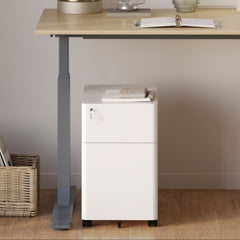
A lockable filing cabinet aligns with this need because it supports office storage while helping the desktop remain clear for active tasks.
A Quick Evening Desk Reset
1. Move loose papers away from the lamp path.
2. Clear reflective objects near the screen.
3. Keep the keyboard, notebook, or reading material inside the strongest light zone.
4. Route cords behind or beside the main work area.
5. Turn on the lamp before adjusting screen brightness.
Matching the Lighting Setup to the Type of Evening Work
Different evening tasks need different lighting. A table lamp is valuable because it can be adjusted around the task rather than forcing every activity into the same lighting condition.
The best setup begins with the question: what needs to be seen clearly right now?
Reading and Document Review Need Stronger Downward Light
Printed pages need contrast. A table lamp placed beside the reading area usually performs better than overhead light because it can direct brightness onto the page. The lamp should be angled to reduce shadows from hands and arms.
For long reading sessions, the surrounding room should not be completely dark. Soft ambient light keeps the page from feeling like a bright island in a dark room.
Typing and Admin Work Need Screen-to-Room Balance
Typing, email, scheduling, and admin work rely heavily on the screen. The table lamp should support the keyboard and desk surface without reflecting on the display. Moderate lamp brightness is usually enough because the screen already emits light.
The key is balance. The screen should not overpower the room, and the lamp should not compete with the screen.
Creative Work Needs a Wider Pool of Light
Sketching, planning, layout work, and hands-on projects often need a larger illuminated surface. A single narrow lamp beam may not be enough. In this case, a table lamp can still define the main work zone, while soft overhead or side lighting expands visibility.
Two gentle sources are often more comfortable than one harsh source. The goal is to spread usable light without creating glare.
Video Calls Need Face Lighting as Well as Desk Lighting
A table lamp aimed only at the desk may not help on video calls. If the face is underlit and the screen is bright, the image can look uneven. Overhead lighting may help the room, but it can create shadows under the eyes.
For calls, a soft lamp placed slightly in front and to the side can be more flattering and functional. The desk light should not shine directly into the eyes or reflect in glasses.
Five Practical Steps for Setting Up a Table Lamp for Evening Work
A better evening lighting setup does not need to be complicated. It needs to be intentional. The lamp should support the task, the screen should match the room, and the desk should stay clear enough for the light to work.
1. Create a soft ambient base first.
Keep the room from becoming completely dark so the screen does not dominate the visual field.
2. Place the table lamp beside the primary work area.
Aim for the notebook, keyboard, or reading surface rather than the center of the room.
3. Angle the light downward and away from the screen.
Check for reflections from the actual seated position, not while standing above the desk.
4. Adjust screen brightness after the desk light is set.
Match the screen to the room instead of letting it become the only strong light source.
5. Clear the lamp path.
Move clutter, cords, and reflective objects so the light reaches the task cleanly.
The One-Minute Glare and Shadow Test
Sit in your normal working posture. Look at the screen without leaning. Type a few lines. Write one sentence on paper. Move the lamp until reflections and hand shadows are reduced.
This simple test reveals more than a visual guess. It shows whether the lamp supports real work, not just the appearance of the desk.
The “Too Bright, Too Dark, or Poorly Placed” Diagnosis
| Symptom | Likely Cause | Better Adjustment |
|---|---|---|
| Screen reflection | Lamp is behind or facing the display | Move the lamp to the side and angle it downward |
| Eye discomfort | Light source is too exposed | Redirect the lamp or reduce intensity |
| Hand shadows | Lamp is on the dominant-hand side | Move it to the opposite side |
| Sleepy feeling | Task area is too dim | Increase task brightness slightly |
| Harsh room mood | Overhead light is too strong | Use softer ambient light with focused task lighting |
A Table Lamp Supports Evening Work Best When the Whole Desk Supports Focus
A table lamp can support evening work better than overhead lighting when the goal is focused visibility, lower glare, and a calmer work atmosphere. It places light where work actually happens instead of brightening the whole room equally. That difference matters after sunset, when screen contrast, shadows, posture, and visual comfort become more noticeable.
Overhead lighting still has a role. It supports movement, shared spaces, and general room visibility. But for focused evening tasks, the table lamp usually offers better control. It can be placed beside the work, angled away from the screen, adjusted around the task, and paired with soft ambient light for balance.
The most comfortable evening workspace treats lighting as part of the full desk environment. A good lamp helps, but so do screen height, clear surfaces, accessible power, and thoughtful storage. When these elements work together, the desk becomes easier to use after dark. The room stays calmer, the task stays visible, and evening work feels less like fighting the light and more like settling into a focused rhythm.
Related Articles
-
 Shore Table Lamp Ideas That Make Desk Lighting Feel Softer
-
 How to Choose a Table Lamp That Adds Warmth Without Reducing Visibility
-
 How to Use a Table Lamp to Make a Home Office Feel Less Harsh and More Lived In
-
 Best Table Lamp Options for Creating a Relaxed But Productive Workspace
-
 What Size Table Lamp Works Best in Small Offices and Compact Rooms?
-
 Best Table Lamp Placement Ideas for Side Tables, Consoles, and Office Corners


