









How to Use a Table Lamp to Make a Home Office Feel Less Harsh and More Lived In

A home office can be perfectly functional and still feel too sharp around the edges. The desk may be sturdy, the chair may support long work sessions, and the technology may be exactly where it needs to be, yet the room can still feel cold, flat, or unfinished. Often, the issue is not the furniture itself. It is the way the space is lit.
Overhead lighting tends to treat every corner of the room the same. It brightens the floor, the desk, the walls, the screen, and the storage area with one broad wash of light. That can be useful when cleaning or setting up the room, but it rarely creates the kind of atmosphere that makes a home office feel settled. A table lamp changes the experience because it brings light down to the level where daily work actually happens.
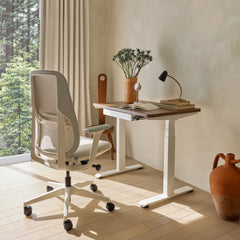
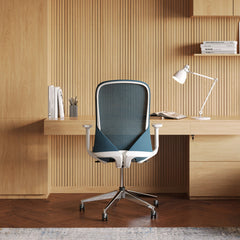
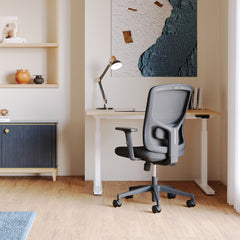
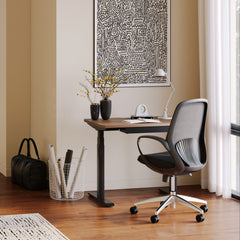
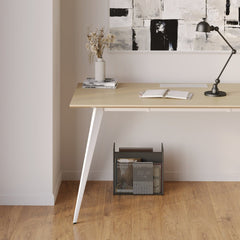
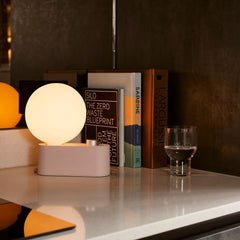
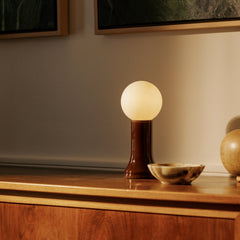
A well-placed lamp creates a softer visual center. It gives the desk a sense of intention, warms up hard surfaces, and helps the workspace feel more connected to the rest of the home. Instead of looking like a temporary workstation, the office begins to feel like a room with rhythm, personality, and comfort. A piece such as a recycled glass table lamp can also introduce material softness, which matters when the surrounding setup includes screens, metal legs, cords, and straight desk lines.
Why Desk-Level Lighting Makes a Home Office Feel Less Severe
The most comfortable home offices usually rely on layers of light rather than one bright source. A table lamp works because it adds light where it is needed while allowing the rest of the room to stay calmer. That shift is what makes the difference between a workspace that feels purely task-driven and one that feels lived in.
Overhead Lighting Brightens the Room but Flattens the Mood
Ceiling lights are practical, but they are not always flattering to a home office. They often cast light from directly above, which can create hard shadows under shelves, around monitors, and across the face during video calls. In small rooms, overhead light can also bounce off pale walls and desk surfaces, making the space feel brighter than necessary.
This type of lighting tends to remove depth. When every surface receives the same amount of brightness, the room can feel visually flat. The desk does not stand out as a thoughtful work zone. Personal objects lose warmth. Wood, fabric, paper, and artwork can appear washed out. A table lamp corrects this by creating contrast in a controlled, comfortable way.
Screen Glow Needs a Softer Counterbalance
Laptop and monitor light is useful for work, but it does not make a room feel warm. Screen glow is usually cool, direct, and visually demanding. When the only other light source is overhead, the eyes move between two strong brightness points: the ceiling and the screen. That can make the home office feel more intense than it needs to be.
A table lamp provides a gentler counterbalance beside the screen. It reduces the visual jump between the bright display and the darker surrounding area. The goal is not to overpower the monitor. It is to add a warm layer that makes the desk easier to inhabit for long stretches of focused work.
A Pool of Light Gives the Desk a More Human Scale
One of the best qualities of a table lamp is the pool of light it creates. Instead of flooding the whole room, it defines a smaller area around the desk, notebook, keyboard, or reading material. This gives the workspace a more human scale.
A pool of warm light can make a desk feel like an intentional place to think, write, plan, and finish the day. It is similar to the way a bedside lamp makes a bedroom feel calmer or a shaded lamp makes a living room feel more personal. In a home office, that same effect helps reduce the hard boundary between work and home.
Choosing a Table Lamp That Feels Warm Without Losing Function
A home office lamp should do more than look decorative. It needs to support real work while improving the tone of the room. The best choice depends on scale, material, shade shape, and how the lamp sends light across the desk.
Scale Should Match the Desk, Screen, and Surrounding Furniture
A lamp that is too small may look like an afterthought. It can sit on the desk without changing the atmosphere. A lamp that is too large may crowd the work surface or compete with the monitor. The right scale feels balanced with the desk width, screen size, and nearby storage.
For a compact writing desk, a slimmer lamp base usually works best because it leaves room for a notebook, mouse, and daily essentials. For a wider desk, a lamp with more visual presence can help soften the open surface. The shade should sit high enough to spread light comfortably, but not so high that the bulb shines directly into the eyes.
Materials Influence How Soft or Sharp the Office Feels
The material of the lamp can change the emotional temperature of the workspace. Glass can feel light and reflective. Ceramic can bring a handmade softness. Metal can look clean and precise, especially when paired with warmer bulbs or textured objects nearby. Fabric shades diffuse light and reduce glare, which makes them useful in rooms that already have hard surfaces.
A lamp does not need to match every finish in the room. In fact, a little contrast can make the desk feel more collected. A glass lamp on a wood desk, a matte lamp near a glossy monitor, or a softly colored shade beside a neutral wall can introduce just enough variation to make the home office feel less rigid.
Adjustable Light Can Support Different Work Modes
Some days require bright focus. Other moments call for a softer glow while answering emails, reviewing notes, or winding down after meetings. A lamp with adjustable placement or light direction can help the desk adapt without making the whole room brighter.
A multi-use LED lamp fits naturally into this kind of flexible home office thinking because it supports the idea that lighting can be both useful and visually intentional. The key is to place any adjustable lamp in a way that serves the desk without creating glare on the screen or harsh light across the room.
Positioning a Table Lamp So the Workspace Feels Layered
Placement has as much impact as the lamp itself. Even a beautiful lamp can feel wrong if it reflects in the monitor, blocks movement, or highlights clutter. A well-positioned lamp makes the office feel layered, not crowded.
Place the Lamp Where It Reduces Glare Instead of Creating It
Before settling on a lamp location, turn on the monitor and test the reflection. A lamp placed directly behind or beside a glossy screen may create glare. A better position is often slightly to one side of the screen, angled so the light falls onto the desk surface rather than into the display.
For laptop users, this usually means placing the lamp to the left or right of the device rather than directly behind it. For external monitors, the lamp can sit near the edge of the desk, where it adds warmth to the work zone without becoming a bright spot in the field of view.
Consider Your Dominant Hand for Writing and Paperwork
If the desk is used for handwriting, sketching, or reviewing printed documents, hand shadows matter. Right-handed users often benefit from placing the lamp on the left side of the desk. Left-handed users often benefit from placing it on the right. This helps keep the writing hand from blocking the light.
That rule can shift when screen glare is the bigger issue. In that case, prioritize the monitor first, then adjust the lamp angle or shade direction so paperwork still receives enough light.
Anchor the Lamp With Objects That Belong on the Desk
A lamp feels more lived in when it is part of a small arrangement rather than standing alone. The goal is not to create a staged display. The goal is to give the light something useful and personal to connect with.
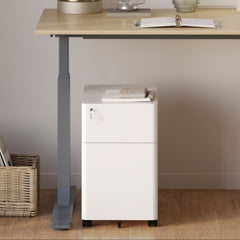
A small tray, a notebook, a pen cup, or a low plant can make the lamp feel integrated. Storage also plays a role. When loose folders and extra papers are moved into a compact filing cabinet, the lamp can highlight the parts of the desk that deserve attention instead of exposing visual noise.
Warm Bulbs and Brightness Choices That Change the Room’s Tone
The bulb inside the lamp determines whether the light feels calming or severe. Shape and placement matter, but color temperature and brightness decide the final mood.
Warm White Light Usually Feels More Residential
For a home office that feels less harsh, warm white light is often the safest choice. Bulbs around 2700K to 3000K tend to create a softer, more residential glow. They bring the mood closer to a living room or bedroom lamp rather than a commercial office fixture.
Cooler bulbs can be useful for certain tasks, but they may feel too sharp in a home setting, especially in the evening. If the room already has bright white walls, a pale desk, or a large glowing monitor, a warmer bulb helps balance the overall effect.
Brightness Should Match the Task, Not Overpower the Room
A cozy lamp still needs to provide enough light for the work being done. A very dim accent lamp may look pleasant but fail during reading, writing, or detailed paperwork. On the other hand, an extremely bright bulb can make the desk feel exposed and uncomfortable.
The best approach is to think in layers. Use the lamp for desk-level warmth and task support. Use overhead light only when the whole room needs to be bright. When possible, choose a dimmable bulb or lamp so the desk can shift from active work to a calmer evening setting.
Lampshade Style Affects How the Light Spreads
A fabric shade usually diffuses light and reduces glare. A metal shade can direct light downward for focused tasks. A clear shade may show the bulb more visibly, which makes bulb softness especially important. A drum shade spreads light more evenly, while a cone or angled shade creates a more targeted beam.
The shade should protect the eyes from direct brightness. If the bulb is visible while seated, the lamp may feel harsher than intended. Lower brightness, a softer bulb, or a different shade can make the same lamp feel more comfortable.
Table Lamp Settings for Common Home Office Moments
| Work Moment | Best Lamp Setup | Why It Feels Less Harsh | What to Avoid |
|---|---|---|---|
| Morning planning | Medium-warm light beside a notebook | Creates focus without making the room feel clinical | Starting the day with only bright overhead light |
| Laptop work | Diffused side light away from the screen reflection | Balances monitor brightness with room warmth | Lamp glare on a glossy display |
| Video calls | Soft light near the camera line or slightly to the side | Adds warmth and dimension to the face | Strong light from below or behind |
| Reading documents | Focused light angled toward paper | Improves visibility without flooding the whole room | Weak accent lighting that strains the eyes |
| Evening admin | Low, warm light near the desk edge | Keeps the workspace calm after hours | Cool daylight bulbs late in the day |
Styling the Desk Around the Lamp Without Making It Look Staged
A lived-in office does not need to look heavily decorated. It needs to feel used, cared for, and comfortable. The lamp should support that feeling by becoming part of the desk’s daily rhythm.
Use a Simple Three-Part Desk Arrangement
A reliable way to style around a table lamp is to combine light, function, and texture.
-
One light source: the lamp creates the visual anchor.
-
One useful object: a notebook, pen cup, calendar, or reading glasses keeps the area practical.
-
One tactile element: a tray, ceramic dish, woven mat, or fabric accessory adds warmth.
This small arrangement keeps the surface intentional without turning the desk into a display shelf. It also helps the lamp feel connected to actual work habits.
Keep Personal Objects Specific and Limited
Personal details are what make a home office feel lived in, but too many small objects can make the surface feel busy. One framed photo, a small artwork, a favorite ceramic piece, or a meaningful book is often enough.
The goal is to create recognition, not distraction. A lamp shining beside one personal object can make the desk feel warm and grounded. A lamp shining over ten unrelated objects can make the same space feel cluttered.
Connect the Lamp to the Rest of the Room
A table lamp should not feel isolated from the room around it. Repeating one material or color can help it belong. A glass base can echo a vase nearby. A warm shade can relate to wood tones. A dark lamp can connect with a chair frame, shelf bracket, or picture frame.
This kind of connection helps the home office feel like part of the home rather than a separate work island. The result is subtle, but it changes how the room feels at the start and end of the day.
Desk Organization That Lets the Lamp Create Comfort
A lamp draws attention to whatever sits in its light. That makes organization especially important. The softer the lighting, the more visible the desk surface becomes as a small scene.
Clear the Lamp Zone Before Adding More Decor
Before placing decorative objects near the lamp, remove anything that does not need to live on the desk. Extra charging cables, old receipts, duplicate pens, empty mugs, and unused tech accessories can make the lamp’s glow feel messy instead of warm.
A clear lamp zone does not need to be bare. It simply needs enough breathing room for the light to feel deliberate. Leave space around the lamp base and avoid pressing every object tightly against the wall.
Balance the Lamp With Laptop Height and Screen Position
A laptop sitting flat on the desk can make the workspace feel low and compressed, especially when placed beside a taller lamp. Raising the device with a slim laptop stand can improve the visual relationship between the screen, lamp, and desk surface.
This also helps the lamp feel less like a random object and more like part of a complete work setup. The screen sits at a more intentional height, the lamp can illuminate the surrounding area, and the remaining desk space becomes easier to organize.
Manage Cords So the Warmth Is Not Interrupted
Visible cords can make a home office feel temporary. Even with a soft lamp and beautiful desk objects, tangled charging cables can pull the eye away from the calm atmosphere. Power access should feel integrated, not improvised.
An in-desk power module can support a cleaner surface when the desk setup calls for built-in access to outlets and charging connections. The benefit is visual as much as practical. When cords are reduced, the lamp’s warmth becomes the focus rather than the technology behind it.
Making a Small Home Office Feel Softer and More Settled
Small offices, bedroom desks, and shared work corners often benefit the most from a table lamp. Because the space is limited, every visible detail has more impact.
Choose a Lamp Footprint That Respects the Work Surface
A small home office needs a lamp that adds warmth without taking over the desk. A narrow base, compact shade, or vertical silhouette can keep the surface usable. If the desk is very shallow, place the lamp toward a back corner or beside the monitor rather than in the center of the work area.
The lamp should create atmosphere while still allowing room for a keyboard, notebook, and daily tools. Comfort depends on both mood and movement.
Use the Lamp to Define the Office Within a Shared Room
When a desk sits in a bedroom, living room, or dining area, the lamp can visually define the work zone. Turning it on signals that the desk is active. Turning it off lets the room return to home mode.
This is especially useful in open spaces where there is no separate office door. The table lamp becomes a gentle boundary. It says where work happens without making the room feel commercial or rigid.
Keep Flexible Power Access Visually Quiet
Small offices often rely on nearby outlets, extension cords, or shared charging spots. If the power setup looks messy, the whole desk can feel less settled. A clamp-on power outlet can be useful when a desk needs accessible power without making the surface feel dominated by loose cords.
The key is to keep utility close but not visually loud. When power access is handled cleanly, the lamp can do its real job: softening the room and making the desk feel intentional.
How Table Lamps Improve Video Calls, Reading, and Evening Work
A table lamp is not just decorative atmosphere. It can support the most common ways a home office is used throughout the day.
Softer Side Light Makes Video Calls Feel More Natural
Overhead lighting can create shadows under the eyes and chin. A lamp placed near the front side of the desk can soften those shadows and add dimension to the face. It should not shine directly upward from below, and it should not sit behind the head as the strongest light source.
For video calls, the most natural effect usually comes from soft light near the camera line or slightly to one side. This creates a warmer appearance while keeping the room from feeling overlit.
Reading and Paperwork Need Directional Support
A cozy glow may not be enough for printed documents, sketching, or detailed review work. In those moments, the lamp should also function as task lighting. An angled shade or adjustable head can direct light where it is needed without brightening the whole room.
Place documents within the lamp’s strongest area of light. If shadows fall across the page, move the lamp to the opposite side of the writing hand or adjust the angle until the page is evenly lit.
Evening Work Feels Less Intrusive With Lower Light
Working at night can make a home office feel like it is taking over the room. A warm table lamp helps reduce that feeling. It allows the overhead light to stay off while still giving the desk enough visibility for light tasks.
This creates a softer transition between finishing work and returning to home life. The office does not disappear, but it stops feeling harsh. That difference can make evening tasks feel calmer and more contained.
Designing the Whole Workspace Around a More Comfortable Glow
A table lamp works best when the rest of the workspace supports the same goal. The desk, chair, storage, accessories, and power setup all influence whether the room feels harsh or lived in.
Let the Lamp Guide Material and Color Choices
Once the lamp is selected, use it as a cue for the surrounding details. If the lamp feels warm and organic, pair it with natural textures or softer desk accessories. If it feels minimal and clean, balance it with a tactile notebook, wood surface, or fabric element so the office does not feel too stark.
The lamp does not need to control every decision. It simply helps establish the tone. A home office feels more cohesive when light, materials, and useful objects speak the same quiet language.
Plan the Desk Area as a Complete Work Setting
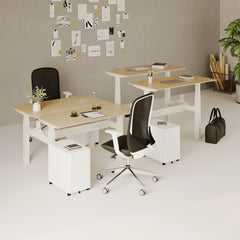
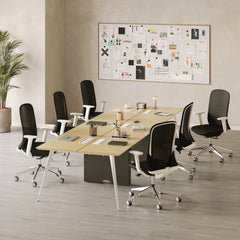
A comfortable workspace depends on more than one object. Desk size, chair comfort, storage, lighting, and cable access all shape the daily experience. Thoughtful workspace furniture planning helps the lamp feel like part of a broader environment instead of a last-minute fix.
When the whole setup is considered together, the lamp can do what it does best. It adds warmth, defines the work zone, and makes the desk feel like a place that belongs in the home.
Table Lamp Mistakes That Keep a Home Office Feeling Cold
Even small lighting choices can make a big difference. Avoiding a few common mistakes helps the room feel more comfortable without making the setup complicated.
Using Bulbs That Are Too Cool for the Space
Cool daylight bulbs can make a home office feel sharper than intended. They may be useful in some task settings, but they often feel severe in residential rooms. Warmer bulbs usually create a more relaxed desk atmosphere, especially after sunset.
Choosing a Lamp That Is Too Small to Influence the Room
A tiny lamp may add a decorative note, but it may not change the feeling of the desk. If the goal is to make the office feel less harsh, the lamp needs enough presence and output to create a real pool of light.
Letting the Lamp Compete With the Screen
A lamp that reflects in the monitor or shines directly into the eyes will make the office feel more uncomfortable, not less. Placement should support the screen experience, not fight it.
Treating the Lamp as Decoration Only
A lamp should look good, but it should also support the way the desk is used. The best home office lighting feels natural because it belongs to the work habits, the furniture, and the room around it.
A More Lived-In Home Office Begins With Intentional Light
A table lamp can soften a home office in ways that overhead lighting rarely can. It brings warmth to desk height, creates depth around the work surface, reduces the severity of screen-heavy setups, and gives the room a calmer visual rhythm.
The most effective approach is simple and deliberate. Choose a lamp with the right scale. Use a warm bulb. Place it where it avoids glare. Give it enough space to breathe. Surround it with a few useful, personal, and textural objects. Keep cords and clutter from interrupting the glow.
A home office does not need to feel like a corporate workstation to support productive work. With the right table lamp, the desk can feel focused without feeling cold, practical without feeling sterile, and lived in without becoming cluttered.
Related Articles
-
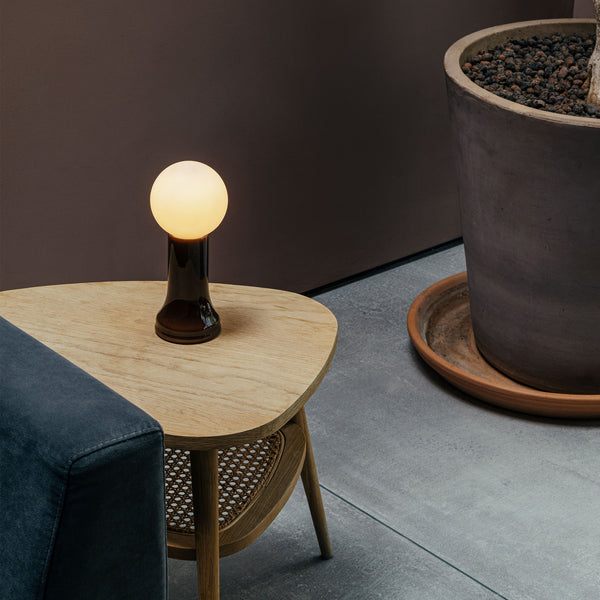 Shore Table Lamp Ideas That Make Desk Lighting Feel Softer
-
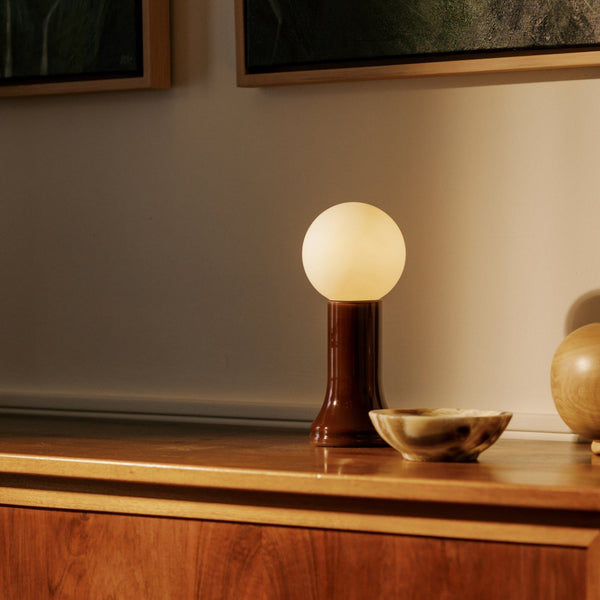 How to Choose a Table Lamp That Adds Warmth Without Reducing Visibility
-
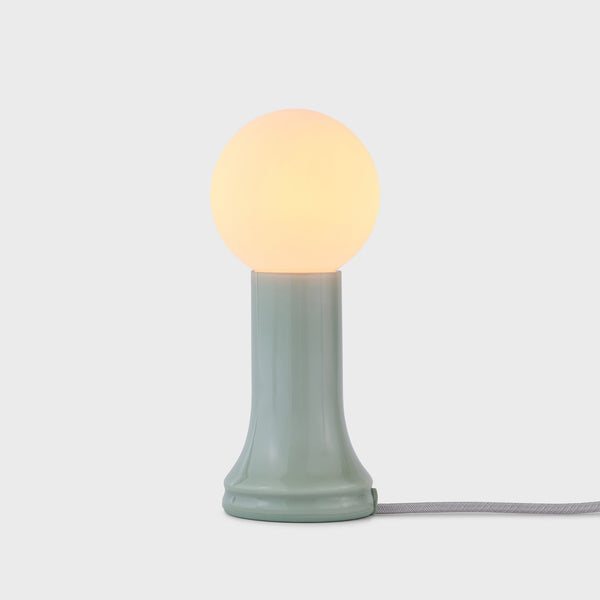 Can a Table Lamp Support Evening Work Better Than Overhead Lighting?
-
 Best Table Lamp Options for Creating a Relaxed But Productive Workspace
-
 What Size Table Lamp Works Best in Small Offices and Compact Rooms?
-
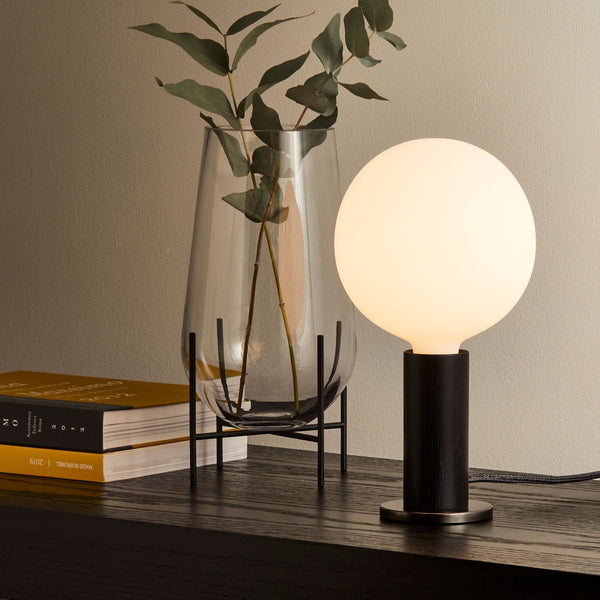 Best Table Lamp Placement Ideas for Side Tables, Consoles, and Office Corners


