























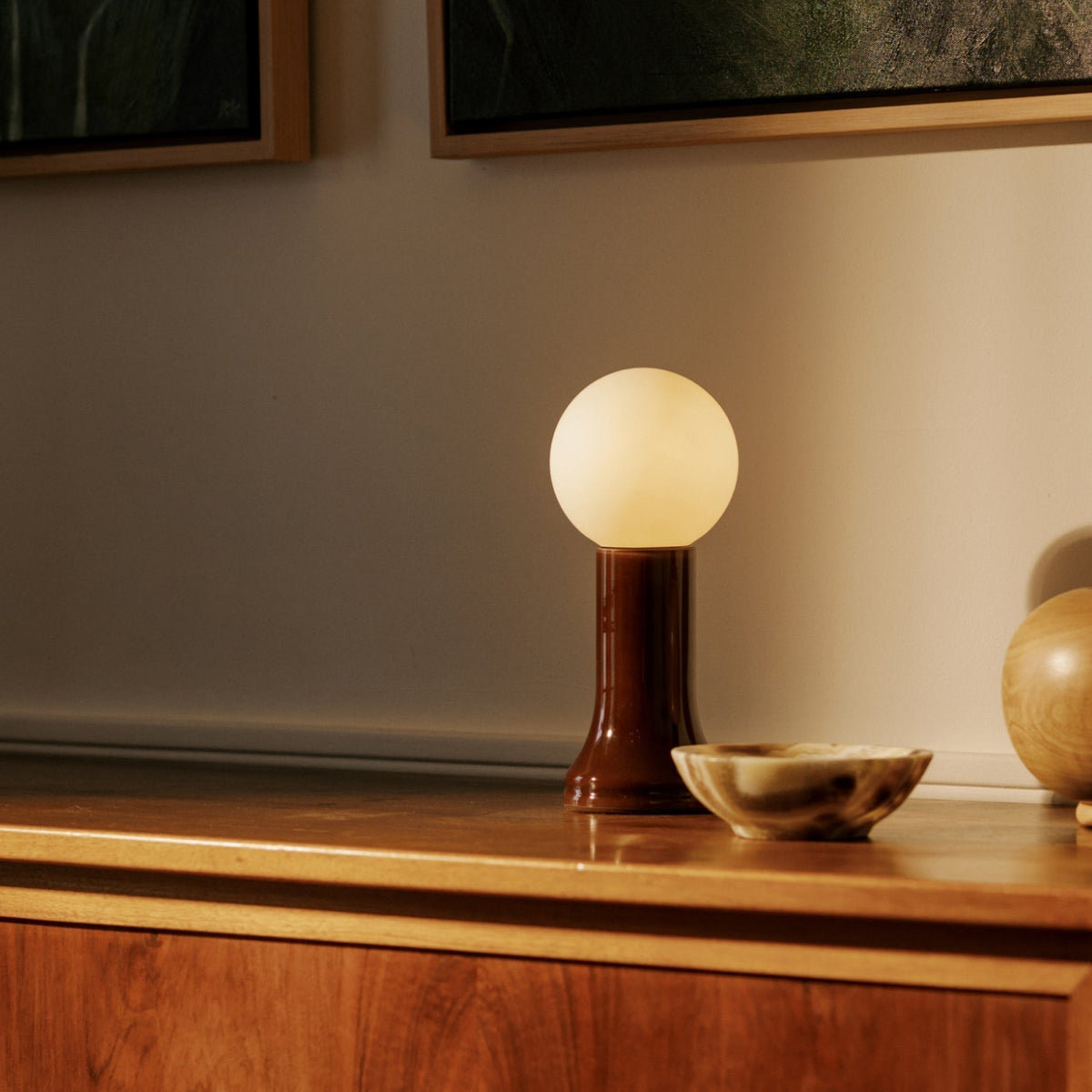
How to Choose a Table Lamp That Adds Warmth Without Reducing Visibility

The Warmth-Visibility Balance That Makes a Table Lamp Feel Right
A well-chosen table lamp does more than decorate a room. It changes how the space feels at the end of the day, softens hard edges, makes furniture feel more inviting, and gives the eye a comfortable place to rest. The challenge is choosing a lamp that creates warmth without making the room harder to use. A lamp can look beautiful in a corner, yet still fail if it leaves a book in shadow, creates glare on a screen, or makes a work surface feel dim and uneven.
Warmth in lighting comes from a combination of color, diffusion, material, and placement. Visibility comes from enough usable light reaching the right surface without shining directly into the eyes. The best table lamp sits at the meeting point between those two needs. It gives the room a calm glow while still supporting the actual activity happening nearby.
That is why table lamp selection should begin with light behavior, not just style. A sculptural base, elegant finish, or refined shade matters, but only after the lamp can do its job. A bedroom lamp should make reading comfortable. A desk lamp should support focus without reflecting harshly on a laptop screen. A living room lamp should add depth without forcing people to rely on overhead lighting. A console lamp should create a welcoming pool of light without feeling glaring near the entry.
Warm Light Should Feel Soft, Not Weak
Many people associate warm lighting with low brightness, but the two are not the same. Warm light refers to the tone of the light, while brightness refers to how much light is produced. A lamp can be warm and still be bright enough for reading or working. It can also be dim and still feel uncomfortable if the bulb is exposed or the shade throws light in the wrong direction.
A good table lamp uses warmth intentionally. It should reduce harshness, flatter nearby materials, and support the room’s mood without making details disappear. If the lamp is used for reading, the page should look clear. If it is used on a desk, the keyboard, notebook, and nearby objects should remain easy to see. If it sits beside a sofa, it should create atmosphere while still offering enough light for conversation, browsing, or evening routines.
The Three Questions That Prevent a Poor Lighting Choice
Before choosing a lamp, answer three practical questions:
1. What task happens near the lamp most often?
2. Where does the light need to land?
3. Will the shade soften glare while still allowing useful light to escape?
These questions keep the decision grounded. A lamp chosen only for mood may not provide enough clarity. A lamp chosen only for brightness may feel sterile. The strongest choice does both, which is why flexible designs such as a multi-use LED table and wall light can make sense in rooms where lighting needs shift between focused use and softer ambiance.
Color Temperature Choices That Create Comfort Without Dulling Detail
Color temperature affects how warm or cool a lamp feels. Warmer light tends to feel relaxed and residential. Cooler light can feel sharper, but may seem too clinical in bedrooms, living rooms, and lounge areas. The right table lamp usually lives in the warmer range, especially when the goal is comfort. The key is making sure that warmth does not flatten contrast or reduce clarity.
A lamp used for reading, desk work, or detailed tasks should not be so amber that paper looks muddy or fine details become harder to distinguish. Warm light should help the room feel calm while still allowing the eye to separate edges, textures, and surfaces. This is especially important in rooms with darker furniture, deep wall colors, or low natural light.
Soft White and Warm White for Everyday Rooms
Soft white and warm white bulbs are common choices for table lamps because they create a pleasant glow without feeling overly bright or harsh. In bedrooms, they help reduce the visual intensity that can make a space feel alert late at night. In living rooms, they blend well with wood, upholstery, rugs, and natural textures. In offices, they can make evening work feel less severe than relying only on overhead light.
However, warm white should still be paired with enough brightness for the job. A bedside lamp that is too weak may look cozy in photos but become frustrating during real use. A desk lamp that is too warm and too dim may make the workspace feel relaxed, but not productive. The goal is not to chase the softest light possible. The goal is a lamp that supports the room’s pace.
Brightness and Warmth Must Be Selected Together
A common mistake is choosing a warm bulb with very low output and expecting the shade to make up the difference. Shades soften light, but they also absorb some of it. A dense fabric shade, a dark shade lining, or a heavily textured material can reduce the amount of light reaching the table surface. When choosing a lamp, consider both the bulb and the shade as a single system.
Bedside Reading Requires Local Clarity
For bedside reading, the lamp should place light on the page without exposing the bulb at eye level. A warm tone helps the bedroom remain restful, but the lamp still needs enough output to prevent squinting. The best bedside lighting usually combines a softened shade with a clear downward path of light.
Living Room Ambience Can Be Softer
A living room side table lamp has more freedom. It may not need to support close reading every night. In that case, a warmer glow and more diffused shade can work beautifully. The lamp’s job is to add depth, soften shadows, and make seating areas feel more intimate.
Shade Materials That Soften Light While Preserving Visibility
The shade determines how light leaves the lamp. It affects glare, contrast, shadow, and the emotional temperature of the room. Two lamps with the same bulb can behave completely differently depending on shade material, shade shape, and shade opacity.
A translucent shade spreads light outward and can make a room feel more open. An opaque shade directs light more selectively and can reduce glare. A dark fabric shade may look dramatic, but it can limit usable brightness. A pale fabric shade may produce a gentle glow, but the exact effect depends on its weave, lining, and shape.
Fabric Shades for Gentle Diffusion
Fabric shades are popular because they soften light naturally. They reduce the harshness of a bare bulb and create a comfortable glow around seating areas, bedsides, and consoles. Lighter fabrics usually allow more light through, while darker fabrics create a moodier effect.
Fabric works well when the lamp is not the only light source in the room. It is especially useful in layered lighting plans where the table lamp supports nearby sconces, floor lamps, or natural daylight. For reading or work, the shade should allow enough light downward so the surface remains visible.
Glass Shades for Airiness and Warm Glow
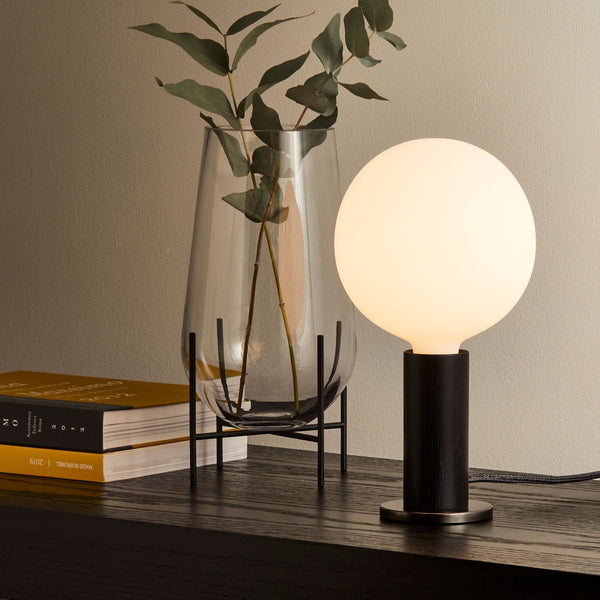
Glass shades can add warmth without making the lamp feel visually heavy. Clear, frosted, tinted, or textured glass each changes the mood. Clear glass can reveal the bulb, which means glare control becomes important. Frosted or softly diffused glass can spread light more evenly. Textured glass can add character while breaking up direct brightness.
A recycled glass table lamp fits naturally in rooms where the lamp is meant to contribute both material interest and ambient softness. Glass can help the lamp feel present without visually closing off a small table, which is useful in bedrooms, compact living rooms, and calm office corners.
Opaque Shades for Directional Control
Metal or opaque shades are useful when visibility depends on controlling the beam. Instead of glowing in every direction, these shades guide light downward, sideways, or toward a defined zone. This can help near computer screens, writing surfaces, or reading chairs where stray glare becomes distracting.
Opaque shades are not always less warm. A lamp can still feel warm if the bulb tone is comfortable and the reflected light lands on wood, fabric, or softly colored surfaces. The warmth comes from what the light touches as much as from the lamp itself.
Textured Shades for Atmosphere-First Areas
Paper, woven, pleated, and highly textured shades are strongest in spaces where mood matters more than task visibility. They can create beautiful shadow patterns and a relaxed glow, but may not be ideal for detailed work. Use them on consoles, accent tables, or side tables where the lamp supports atmosphere rather than close visual tasks.
Lamp Height, Eye Level, and Beam Spread That Protect Comfort
A lamp that is too short may leave the useful area in shadow. A lamp that is too tall may expose the bulb or shine into the eyes. Height is not just a style choice. It determines whether the light feels comfortable from a seated or standing position.
The shade should usually shield the bulb from normal viewing angles. When sitting beside the lamp, the brightest part should not be directly visible. The eye should sense the glow, not fight the source.
The Shade Should Shield the Bulb From Seated Eye Level
For bedside tables, sofa tables, and reading chairs, the bottom of the shade often works best near seated eye level or slightly below it. This helps keep the bulb hidden while allowing light to land on the page, lap, tabletop, or surrounding surface.
If the bulb is visible when sitting, glare can become a problem even if the bulb is warm. Warm glare is still glare. It may feel softer than cool glare, but it still causes discomfort over time.
Taller Lamps Spread Warmth Across Larger Areas
Taller table lamps can help spread light across a living room or console area. They often work well on sideboards, deeper tables, and larger nightstands. Their added height creates a wider pool of light, which can make the room feel more layered.
Shorter lamps are better for intimate zones, compact tables, and focused lighting. They create a smaller pool of light, which can feel cozy, but they need careful placement so the light reaches the task.
Shade Width Changes the Usefulness of the Glow
A wider shade spreads light more broadly and often feels more balanced on larger tables. A narrow shade concentrates light and may suit smaller surfaces. The shade should also look proportional to the base and table. A small lamp on a large table may feel underpowered visually and functionally. A wide shade on a narrow table may feel crowded and unstable.
Reading Chair Placement Rule
Place the lamp beside or slightly behind the shoulder rather than directly in front of the face. This allows the light to fall onto the reading material while keeping the bulb out of the direct line of sight.
Bedside Placement Rule
For bedside reading, the lamp should sit where the light reaches the book or tablet without casting the reader’s head shadow over the page. The best side depends on the reader’s position and habits, not only on room symmetry.
Room-by-Room Lamp Planning for Warmth and Practical Visibility
Different rooms need different kinds of table lamp behavior. A lamp that works beautifully on an entry console may not be useful at a desk. A lamp that provides excellent task light may feel too intense beside a sofa. Matching the lamp to the room prevents warmth from becoming dimness and prevents visibility from becoming harshness.
| Room or Surface | Best Lamp Behavior | Shade Direction | Visibility Risk to Avoid |
|---|---|---|---|
| Bedside table | Warm, calm, and readable | Downward with soft diffusion | Exposed bulb near eye level |
| Work desk | Clear task light with controlled spill | Directional or adjustable | Screen glare and hand shadows |
| Living room side table | Layered glow for seating areas | Diffused with some downward light | Too little contrast for reading |
| Console or entry table | Welcoming ambient warmth | Gentle outward spread | Overly bright reflections |
| Reading nook | Focused warmth for books or tablets | Downward and slightly side-directed | Shade too dark for text clarity |
Bedrooms Need Low Glare and Localized Clarity
Bedroom lamps should feel restful, but they should not make simple tasks difficult. Reading, setting down objects, checking a watch, or moving around the room should be easy. A lamp with a softly diffused shade and enough downward light usually works better than a decorative lamp that glows beautifully but leaves the nightstand dim.
Living Rooms Need Layered Light, Not One Dominant Source
A living room table lamp should rarely carry the entire room alone. It works best as part of a layered lighting plan. A side table lamp can warm a seating zone, while a floor lamp, wall light, or indirect source fills the background. This avoids the flat feeling of one overhead light and reduces the risk of a single table lamp being pushed too bright.
Entry Tables Need Warmth Without Visual Noise
An entry or console lamp should welcome people into the room. It can be more decorative and less task-focused, but glare still matters. A lamp near a mirror, glossy surface, or glass décor should be tested for reflections. Warm light should feel gracious, not sharp.
Desk and Work Surface Lighting That Keeps Warmth From Turning Into Glare
Work surfaces create a special challenge. They need clarity, but many people also want them to feel calm and residential, especially in home offices. A warm table lamp can support focus when it is positioned carefully. Poor placement can create hand shadows, screen reflections, and uneven contrast.
Place the Lamp Opposite Your Writing Hand
For handwriting or sketching, place the lamp opposite the hand that moves across the page. Right-handed users usually benefit from light on the left. Left-handed users usually benefit from light on the right. This keeps the hand from blocking the beam and casting shadows over the work.
Keep the Beam Away From Direct Screen Reflections
A warm lamp can still create distracting reflections on a laptop or monitor. The lamp should sit at an angle where the bulb and brightest shade area do not bounce directly into the screen. If the display reflects the lamp, adjust the lamp position, screen angle, or brightness before assuming the lamp is wrong.
Screen Height Changes How Lamp Light Behaves
A screen that sits too low may catch more reflected light from the desktop and nearby lamp. Raising the screen can improve posture and change how light interacts with the workspace. A slim laptop stand for better screen height can support a cleaner visual angle when the desk lamp is also placed to the side rather than directly behind or in front of the screen.
Power Access and Cord Planning for Better Lamp Placement
A lamp can only perform well if it can be placed where the room needs it. Outlet location, cord paths, charging needs, and furniture layout all affect the final position. When power access is ignored, lamps often end up too far from the task zone or too close to the wall, which reduces useful light.
Clean power planning also protects the look of the room. A warm lamp loses some of its calm effect when cords are stretched awkwardly across a desk or tangled behind objects. The goal is not to hide every practical detail. The goal is to make the lamp feel intentionally placed.
Integrated Power Helps Permanent Desk Layouts
On a desk, the lamp often competes with a laptop charger, phone cable, monitor, and other accessories. An in-desk power outlet can support a more intentional layout by keeping power access close to the work surface. That can make it easier to position the lamp where it provides useful light instead of where the nearest wall outlet happens to be.
Clamp-On Power Supports Flexible Work Areas
Some rooms change often. A small apartment desk may move between walls. A shared workstation may need different setups throughout the week. A clamp-on power outlet for a desk can help keep lighting and charging access closer to the user without requiring the entire furniture layout to revolve around a distant outlet.
Surface Organization That Lets Warm Light Stay Functional
Even the right table lamp can struggle on a cluttered surface. Paper stacks, décor, cables, books, and devices can block the light path. They create uneven shadows and reduce contrast exactly where clarity is needed. Warmth works best when the lamp has room to breathe.
A clear surface does not need to feel empty. It simply needs enough open space for light to land. On a nightstand, that might mean keeping the area beneath the shade free for a book and glass of water. On a desk, it might mean clearing the zone between the lamp and the keyboard or notebook.
Paper Stacks Absorb Light and Create Shadow Pockets
Paperwork can quickly turn a warm lamp into a weak lamp. Stacks interrupt the beam and create small shadows that make a desk feel more chaotic. The lamp may technically be bright enough, but the surface still feels visually tiring because the light is broken into uneven patches.
Storage Supports the Lamp’s Actual Job
When documents and supplies have a dedicated place, the lamp can illuminate the task area instead of lighting clutter. A lockable office file storage cabinet fits naturally into this kind of workspace planning because it helps keep paperwork off the surface where light needs to fall. The result is not only a cleaner desk, but a more effective lighting zone.
Matching Lamp Style to Furniture Without Sacrificing Light Quality
A table lamp should belong to the room visually, but style should not override performance. The base, shade, and finish should complement the furniture while still producing the right kind of light. A beautiful lamp that leaves the room dim is not serving the space well. A functional lamp that clashes with the furniture may feel temporary or unresolved.
The strongest choices align material, scale, and light behavior. A warm wood table may pair beautifully with glass, ceramic, or fabric. A minimal desk may benefit from a clean lamp form with controlled brightness. A dark side table may need a lamp that provides more contrast because darker surfaces absorb more light.
Minimal Rooms Can Carry Sculptural Lamps
In a simple room, a table lamp can become a quiet focal point. A distinctive shape or material can add warmth without visual clutter. The important detail is shade behavior. If the lamp is sculptural but exposes the bulb or throws light unevenly, it may look better than it feels.
Dark Furniture Needs Stronger Contrast
Dark furniture can make warm lighting feel deeper and moodier, but it can also absorb brightness. A lamp on a dark desk or side table may need a lighter shade interior, stronger downward output, or a slightly brighter bulb than the same lamp on a pale surface.
Workspace Furniture Shapes Lighting Performance
Desk depth, storage placement, chair height, and accessory position all affect how a lamp performs. Well-planned work areas give task lighting a natural place to sit and a clear surface to illuminate. For rooms where comfort, focus, and furniture layout need to work together, modern ergonomic workspace furniture can support a more cohesive lighting environment without forcing the lamp to compensate for an awkward setup.
A Practical Decision Framework for Choosing the Right Warm Table Lamp
Choosing a table lamp becomes easier when each decision follows a clear order. Start with function, then refine the mood, then choose the visual style. This prevents the most common mistake: falling in love with the look of a lamp before knowing whether it can provide the right light.
Match the Lamp to the Main Task
A reading lamp needs more downward clarity than a console lamp. A desk lamp needs better glare control than a living room accent lamp. A bedside lamp needs softness and reach. The task determines the lamp’s required behavior.
Choose the Shade for Diffusion or Direction
Fabric and frosted glass soften light. Opaque shades control light. Textured shades create atmosphere. The shade should match the room’s visibility needs, not only its decorative style.
Confirm Placement Before Committing
The lamp should fit the table, reach power comfortably, hide the bulb from normal viewing angles, and send light where it is needed. Placement can make a good lamp succeed or fail.
Use this checklist before final selection:
-
Identify the main activity near the lamp.
-
Decide whether the room needs diffused glow, directional light, or both.
-
Choose a warm tone that still keeps details visible.
-
Check whether the bulb is shielded from seated eye level.
-
Test for shadows on books, keyboards, notebooks, or tabletops.
-
Look for screen reflections before finalizing desk placement.
-
Keep the surface clear enough for light to reach the task zone.
-
Make sure power access supports the best lamp position.
Warm Table Lighting That Makes the Room Softer and the Task Clearer
The right table lamp should improve the feeling of the room and the function of the surface it lights. Warmth should make the space more inviting, not less usable. Visibility should make daily tasks easier, not make the room feel harsh. When shade material, bulb tone, brightness, height, placement, power access, and surface organization work together, a table lamp becomes one of the most valuable pieces in the room.
A thoughtful lamp choice does not rely on one feature alone. It is the result of many small decisions that support each other. The shade softens glare. The bulb provides enough clarity. The height protects the eyes. The placement directs light to the right area. The surrounding furniture gives the lamp room to perform.
Choose the lamp by its light behavior first. Let style refine the choice after the practical needs are clear. That approach creates rooms that feel calm, warm, and visually comfortable while still supporting reading, working, relaxing, and moving through everyday life with ease.
Related Articles
-
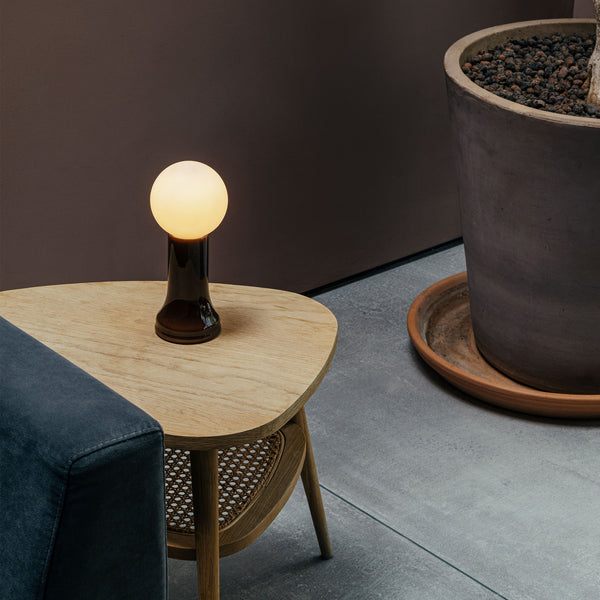 Shore Table Lamp Ideas That Make Desk Lighting Feel Softer
-
 Can a Table Lamp Support Evening Work Better Than Overhead Lighting?
-
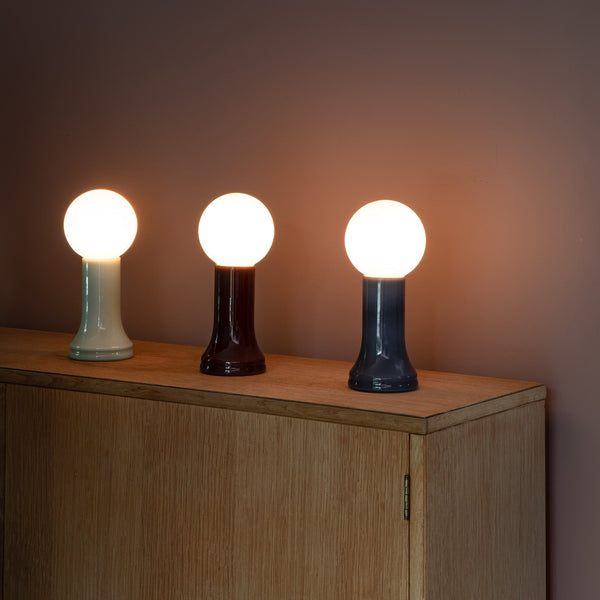 How to Use a Table Lamp to Make a Home Office Feel Less Harsh and More Lived In
-
 Best Table Lamp Options for Creating a Relaxed But Productive Workspace
-
 What Size Table Lamp Works Best in Small Offices and Compact Rooms?
-
 Best Table Lamp Placement Ideas for Side Tables, Consoles, and Office Corners


