























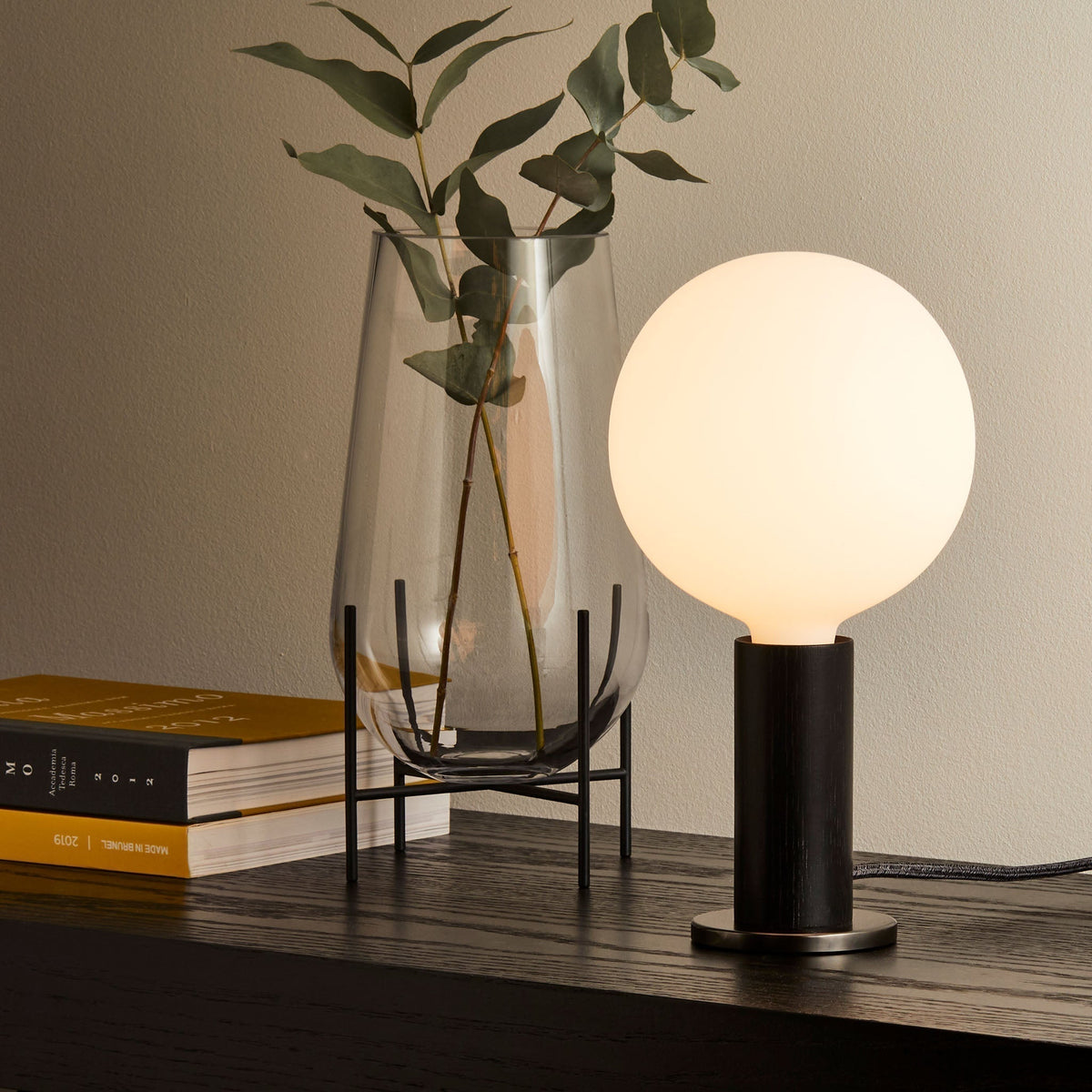
Best Table Lamp Placement Ideas for Side Tables, Consoles, and Office Corners

The best table lamp placement does more than brighten a surface. It changes how a room feels, how easily people move through it, and how comfortably they use each corner after sunset. A lamp placed too high can feel harsh. A lamp placed too low can disappear into the furniture. A lamp squeezed onto a crowded tabletop can make even a beautiful room feel unfinished.
Side tables, consoles, and office corners each need a different placement strategy. A side table lamp should support seated comfort and easy reach. A console lamp should create balance against walls, mirrors, artwork, or open-plan furniture arrangements. An office corner lamp should improve visibility without creating screen glare, cord clutter, or distraction.
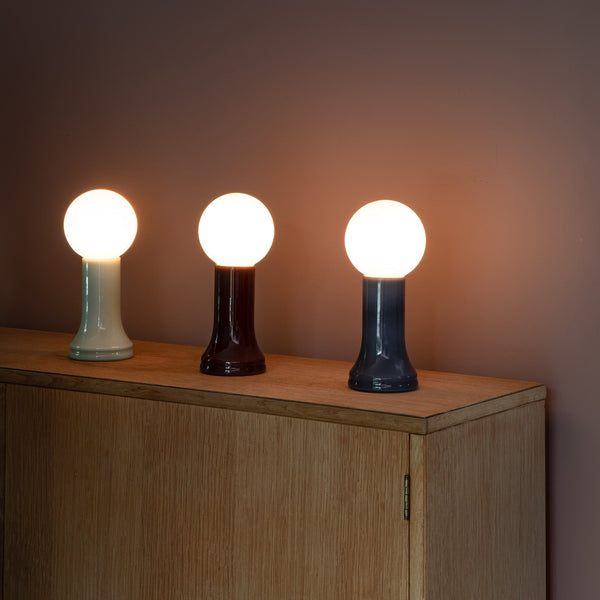
The right lamp also needs to fit the surface, not just the style of the room. A sculptural piece like a recycled glass table lamp can work beautifully where the lamp needs to provide soft illumination while also contributing shape, texture, and visual interest. The placement still matters most: the lamp should look intentional from across the room and feel useful from the seat, desk, or walkway where it is actually experienced.
Side Table Lamp Placement That Makes Seating Areas Feel Intentional
Side tables are usually the most personal lamp placement zones in a home. They sit beside sofas, lounge chairs, beds, reading corners, and conversation areas. Because they are close to the body, their placement affects comfort immediately. A side table lamp should feel reachable, balanced, and gentle on the eyes.
Matching Lamp Height to Seated Eye Level
A side table lamp usually works best when the bottom of the shade sits near eye level while someone is seated. This helps keep the bulb from shining directly into the eyes and creates a softer glow around the seating area. If the lamp is too tall, the light may feel exposed and sharp. If it is too short, the shade may block useful light or make the table feel visually heavy.
The height relationship depends on three things: the table height, the seating height, and the lamp shade shape. A low lounge chair may need a shorter lamp than a deep sofa with taller arms. A table beside a reading chair may need the light slightly forward, while a sofa side table may look better with the lamp set slightly back from the front edge.
A simple test works well. Sit in the main seat, look toward the lamp, and check whether the bulb is visible. Then look down at a book, tablet, or side table surface. The lamp should provide useful light without becoming the brightest object in your direct view.
Placing Lamps for Reading, Conversation, and TV Viewing
A reading lamp should sit close enough to illuminate the page without forcing the reader to lean toward it. For a right-handed reader who writes notes or holds a book on the right side, the lamp often works well on the left to reduce hand shadows. For casual lounging, the lamp can sit slightly behind the seating line so the glow fills the corner rather than spotlighting one surface.
TV rooms need extra care. A side table lamp placed directly beside or behind a screen can create reflections. A better position is usually off to the side, lower in brightness, and softened by a shade. The goal is to reduce the contrast between a bright screen and a dark room without placing light directly in the viewer’s line of sight.
Styling Small Side Tables Without Crowding the Lamp
A small side table should not be treated like a full display shelf. The lamp needs enough room to breathe, and the surface still needs to function. If the table barely fits a lamp base, drink, and phone, choose fewer decorative objects rather than forcing a styled vignette.
Useful side table companions include:
-
A slim tray for a remote, glasses, or small essentials
-
One book or a low stack of books
-
A coaster placed within easy reach
-
A small plant that does not touch the shade
-
One low decorative object that balances the lamp base
Tall objects beside a table lamp often create awkward shadows. Oversized picture frames, large vases, and tall branches can block the glow or compete with the shade. The lamp should remain the tallest and clearest element unless the table is part of a larger layered corner.
Console Table Lamp Ideas for Entryways, Hallways, and Living Room Walls
Console tables are often placed where rooms need definition: entryways, hallways, behind sofas, dining room walls, and open-plan transitions. A console lamp is less about close task lighting and more about creating atmosphere, proportion, and a polished first impression.
Using One Lamp as a Visual Anchor
One lamp placed at the end of a console can create a relaxed, modern composition. This works especially well for narrow entry tables or hallway consoles where a pair of lamps would feel too formal or crowded. The lamp anchors one side, while the opposite side can hold a tray, bowl, small stack of books, or framed art.
This placement feels natural when the console has another strong element nearby, such as a mirror, artwork, plant, or wall sconce. The lamp does not need to sit in the center. In fact, an off-center lamp often feels more considered because it leaves functional room for keys, mail, or everyday drop-zone items.
Balancing Two Lamps on a Long Console
A pair of lamps can work well on a long console, especially below a large mirror, wide artwork, or formal dining room wall. The key is proportion. The lamps should have enough distance between them so the center of the console remains open. When two lamps sit too close together, the arrangement can look cramped rather than balanced.
Matching lamps create symmetry, while similar lamps in the same finish or color family can feel more relaxed. If the wall behind the console is visually strong, choose quieter lamp forms. If the wall is plain, lamps with more sculptural presence can help the console feel finished.
Layering Console Lamps With Mirrors and Artwork
A console lamp near a mirror can multiply the feeling of light without needing a brighter bulb. The reflection adds depth, especially in entryways and darker hallways. Placement should avoid awkward overlap. The shade should not block too much of the mirror frame, and the lamp should not sit so close that it looks pressed against the wall.
With artwork, the lamp should frame the composition rather than cover it. A lamp placed slightly to one side of a framed piece can create depth and shadow, but it should not obscure important parts of the art. If the artwork is small, a tall lamp may overpower it. If the artwork is large, a very short lamp can look disconnected from the wall.
Console Lamps Behind Sofas in Open-Plan Rooms
A sofa-back console with a lamp can help define a living area inside an open-plan layout. The lamp creates a soft boundary between the sofa and the space behind it without adding a wall or bulky divider. This is especially useful in apartments, lofts, and combined living-dining rooms.
The lamp height matters from both sides. From the sofa, the shade should not feel intrusive over the shoulder. From the room behind the sofa, the lamp should look proportional to the console and seating. A shade that is too large may block conversation sightlines, while a lamp that is too small may disappear behind the sofa back.
Office Corner Lamp Placement for Focus, Screen Comfort, and Workday Flow
Office corners need table lamp placement that supports concentration without turning the desk into a cluttered surface. Lighting should help the eyes transition between screen, keyboard, paper, and surrounding space. A lamp that looks good but creates glare or cord chaos does not belong in the working zone.
Placing Lamps to Reduce Screen Glare
A table lamp should not shine directly into a monitor or laptop screen. The safest placement is usually beside the screen, slightly behind the main work area, or angled toward the desk surface rather than the display. This reduces reflections and helps the light feel supportive rather than distracting.
Hand dominance also matters. If you write by hand, place the lamp on the opposite side of your writing hand when possible. This helps reduce shadows across notebooks or documents. If you mostly type, the lamp can sit to either side as long as it does not reflect on the screen.
For darker office corners, the best result often comes from layered light. A table lamp can soften the corner while the screen provides its own brightness. The room feels more comfortable when the lamp supports the background instead of acting like a spotlight.
Keeping Laptop Setups Clear Around the Lamp
A laptop changes the way light moves across a desk. When the screen sits low, a lamp placed too close may reflect directly into it. Raising the device with a slim laptop stand can create a cleaner visual relationship between the screen, tabletop, and surrounding light. It also helps keep the lamp from competing with a cramped device setup.
Lamp placement should leave room for the keyboard, mouse, notebook, and daily work tools. The base should not force the laptop off-center or push paperwork into awkward positions. In compact office corners, a lamp with a smaller footprint often works better than a large decorative base, even if the larger lamp looks attractive elsewhere in the home.
Planning Power Access Before Choosing the Lamp Spot
Many lamp placement problems are actually power problems. A lamp may look perfect on the far corner of a desk, but if the cord has to cross the work surface or stretch across a walkway, the placement is not practical. Power access should be planned before the lamp becomes part of the styling.
For desks that support integrated solutions, built-in desk power access can help keep lamps and everyday devices connected without loose cords taking over the surface. The benefit is not visual alone. A cleaner cord path reduces distractions, keeps the desk easier to use, and helps the lighting feel like part of the workstation rather than an afterthought.
Some desks, shared work areas, or renter-friendly setups need a less permanent approach. In those cases, clamp-on desk power can support accessible power at the edge of a desk, which is useful when a lamp needs to move between a corner, side return, or flexible work surface.
Making Office Corners Feel Finished After Work
A good office lamp should still make the corner look intentional when the computer is off. Workspaces often sit inside bedrooms, living rooms, or multipurpose areas, so the lamp becomes part of the room’s atmosphere after work hours.
The surrounding furniture matters. Desks, storage, seating, and accessories should support a calm corner rather than compete with the lamp. For workspaces that need a more cohesive foundation, modern ergonomic office furnishings can help connect lighting placement with the broader setup of the desk, chair, and storage pieces. The lamp then becomes one part of a complete working environment, not the only finished detail in an unfinished corner.
Choosing the Right Lamp Style for Each Placement Zone
Placement and lamp style should work together. A lamp that looks elegant on a console may be too tall for a side table. A compact task lamp that works well on a desk may look too functional in an entryway. The right choice depends on what the lamp needs to do in that exact location.
Sculptural Lamps for Consoles and Accent Corners
Consoles and accent corners can handle more visual character than crowded work surfaces. A sculptural lamp adds height, silhouette, and material contrast. It can also make a quiet wall feel styled without adding too many accessories.
In a hallway, the lamp should remain narrow enough that people can pass comfortably. In an entryway, the base should leave room for practical items. In a living room corner, the lamp can be larger if it is balancing artwork, a mirror, or a substantial piece of furniture.
Flexible Lamps for Multi-Purpose Rooms
Some rooms need lamps that adapt to different uses. A lamp may sit on a console during the week, move to a desk during a focused work session, or support an accent corner in the evening. A multi-use LED lamp fits naturally into this conversation because the linked product is presented as a table and wall light, making it relevant for rooms where lighting placement may need more flexibility.
Flexible placement is especially useful in compact homes. A single lamp can support a small desk, a reading nook, or a wall-adjacent surface when the room does not have space for multiple lighting layers.
Soft Ambient Lamps for Lounging Areas
Side tables near sofas and lounge chairs usually benefit from warmer, softer light. Fabric shades, frosted glass, and diffused bulbs help create a comfortable glow. Bright, exposed light can make a seating area feel tense, especially in the evening.
The goal is to make the area feel inviting without forcing the lamp to do every lighting job in the room. A side table lamp should support conversation, reading, and relaxation. It does not need to flood the entire room.
Minimal Lamps for Compact Office Surfaces
Office corners often look better with simple lamp shapes. A minimal lamp keeps the work area from feeling visually busy. This matters when the desk already holds a monitor, laptop, keyboard, notebook, and other tools.
A compact base, clean shade, and controlled light direction are usually more important than a dramatic silhouette. The lamp should help the desk feel organized and calm.
Table Lamp Placement Measurements That Prevent Awkward Proportions
A lamp can be beautiful and still look wrong if the proportions do not match the table. Scale is one of the most important parts of table lamp placement because it affects both appearance and function.
Placement Guidelines by Surface Type
| Placement Zone | Best Lamp Position | Primary Lighting Role | Proportion Priority | Common Mistake |
|---|---|---|---|---|
| Sofa side table | Near seated reach, slightly back from the front edge | Reading and ambient glow | Shade near seated eye level | Exposed bulb visible from the sofa |
| Lounge chair table | Close to the reading side or opposite hand shadows | Focused reading support | Base small enough for daily items | Lamp placed too far away to use |
| Entry console | One end or balanced pair | Warm welcome and visual anchor | Height scaled to mirror or wall decor | Lamp too short for the wall |
| Hallway console | Close to the wall side of the surface | Low-glare passage lighting | Narrow profile | Shade protrudes into the walkway |
| Office corner | Beside or slightly behind screen angle | Task support and background light | Direction avoids screen reflection | Light aimed at the display |
| Sofa-back console | Behind seating, with controlled shade height | Zone definition | Comfortable sightline from both sides | Lamp blocks views across the room |
Shade Width, Table Width, and Breathing Room
A lampshade should feel proportionate to the table beneath it. On a small round side table, a wide shade may overwhelm the surface and leave little room for anything else. On a long console, a tiny shade may look under-scaled against the wall.
Breathing room matters as much as measurement. The lamp should not touch artwork, crowd a mirror, or press against nearby objects. A little open space around the base allows the lamp to feel intentional and makes the glow more visible.
Cord Routing and Outlet Distance
The cleanest lamp placement often follows the furniture line. Cords should run behind the table, along the wall, or down the back leg when possible. A cord that crosses open floor space creates both visual clutter and practical inconvenience.
For console tables, check the outlet location before deciding whether the lamp belongs on the left, right, or center. For office corners, think about the path from lamp to power source before adding accessories. The best-looking surface can quickly feel messy if cords compete with the lamp itself.
Styling Table Lamps With Storage, Decor, and Everyday Objects
A lamp works best when the surrounding area supports it. Storage, decor, and everyday objects can either strengthen the placement or make it feel chaotic.
Clearing Office Surfaces So Light Can Do Its Job
Office lamps lose impact when paper piles, loose supplies, and cords cover the surface. The light may be technically useful, but the corner still feels cluttered. Storage nearby can help keep the lamp area clear enough to function.
A lockable filing cabinet is relevant for office corners where paperwork and work materials need a defined place away from the desk surface. When documents are stored properly, the lamp can illuminate the work area rather than a pile of unfinished tasks.
Objects That Belong Beside a Table Lamp
The best objects beside a lamp are usually lower than the shade and smaller than the base. They should support the lamp, not compete with it.
Good pairings include:
-
A small tray for daily items
-
A coaster or catchall dish
-
One framed photo placed outside the main light path
-
A low plant with contained leaves
-
A book stack that does not rise into the shade
Texture also matters. A glass lamp beside a ceramic tray creates contrast. A metal lamp near a wood bowl can feel warm and balanced. A fabric shade beside stone, wood, or matte finishes can soften the surface.
Objects That Usually Weaken Lamp Placement
Some items make lamp placement look crowded even when the lamp itself is the right size. Tall vases can cast shadows across the wall. Oversized frames can block light. Too many small objects can make the tabletop feel busy.
Charging cables are especially distracting beside lamps because they interrupt the clean line from base to outlet. If devices are regularly charged on the same table, use a tray, cord clip, or dedicated charging zone so the lamp still looks deliberate.
Table Lamp Placement Ideas for Apartments, Studios, and Compact Rooms
Compact homes often rely on fewer pieces to do more work. A table lamp may need to serve a sofa, desk, bed, or console depending on the time of day. Strategic placement helps one lamp feel useful across multiple zones.
One Lamp Serving Two Nearby Areas
A lamp between a sofa and reading chair can support both seats if the shade height and reach work from each side. In a studio, a lamp on a side table between a bed and lounge chair can create a softer boundary between sleeping and relaxing zones.
The lamp should not feel stranded. It needs a clear relationship to both areas, either through position, height, or shared surface use. When the placement feels centered between two purposes, the room looks more intentional.
Console Lamps as Alternatives to Floor Lamps
A console lamp can be a smart option where a floor lamp would block a walkway. Narrow living rooms, entry corridors, and small apartments often benefit from keeping the floor clear. A lamp on a console provides glow and height without adding another object at foot level.
This works best when the console is stable, shallow enough for the space, and close enough to an outlet for a clean cord path. The shade should not extend so far that it interrupts movement through the room.
Small Office Corners With Layered Light
A compact office corner does not always need more furniture. Sometimes it needs better light, clearer surfaces, and a stronger sense of placement. A table lamp beside the screen, a storage piece nearby, and a clean power path can make a small desk feel considered.
The lamp should support the exact tasks performed there. For writing, it should brighten the desk surface. For video calls, it may need to soften the background. For evening planning, it should create enough comfort that the corner does not feel temporary or improvised.
A Smarter Way to Finalize Table Lamp Placement Before Styling the Room
The best table lamp placement feels useful before it looks decorative. A lamp should support the way people sit, work, enter, read, and move through the room. Once those needs are handled, styling becomes easier and more natural.
Use this placement test before committing to the final spot:
1. Sit or stand where the lamp will be used most often.
2. Check whether the bulb is visible from that position.
3. Look for shadows on books, keyboards, screens, or artwork.
4. Confirm the lamp base leaves enough usable table space.
5. Turn off overhead lights and judge the room’s mood.
6. Review the cord path from normal walking angles.
7. Remove one nearby object if the surface feels crowded.
Side tables need comfort, reach, and seated eye-level softness. Consoles need proportion, wall balance, and clean visual anchoring. Office corners need glare control, surface clarity, and practical access to power. When placement respects the purpose of each zone, table lamps become more than decorative finishing touches. They become quiet, functional design decisions that make the room feel calmer, warmer, and more complete.
Related Articles
-
 Shore Table Lamp Ideas That Make Desk Lighting Feel Softer
-
 How to Choose a Table Lamp That Adds Warmth Without Reducing Visibility
-
 Can a Table Lamp Support Evening Work Better Than Overhead Lighting?
-
 How to Use a Table Lamp to Make a Home Office Feel Less Harsh and More Lived In
-
 Best Table Lamp Options for Creating a Relaxed But Productive Workspace
-
 What Size Table Lamp Works Best in Small Offices and Compact Rooms?

