



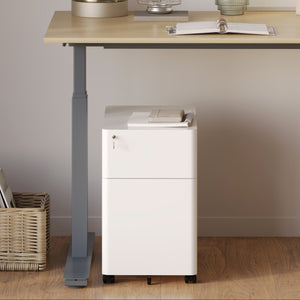






















Filing Cabinet Choices for Cleaner Workstation Planning
Cleaner workstation planning starts with filing storage that matches the desk, document volume, security needs, and daily workflow. Explore how cab...
Learn more
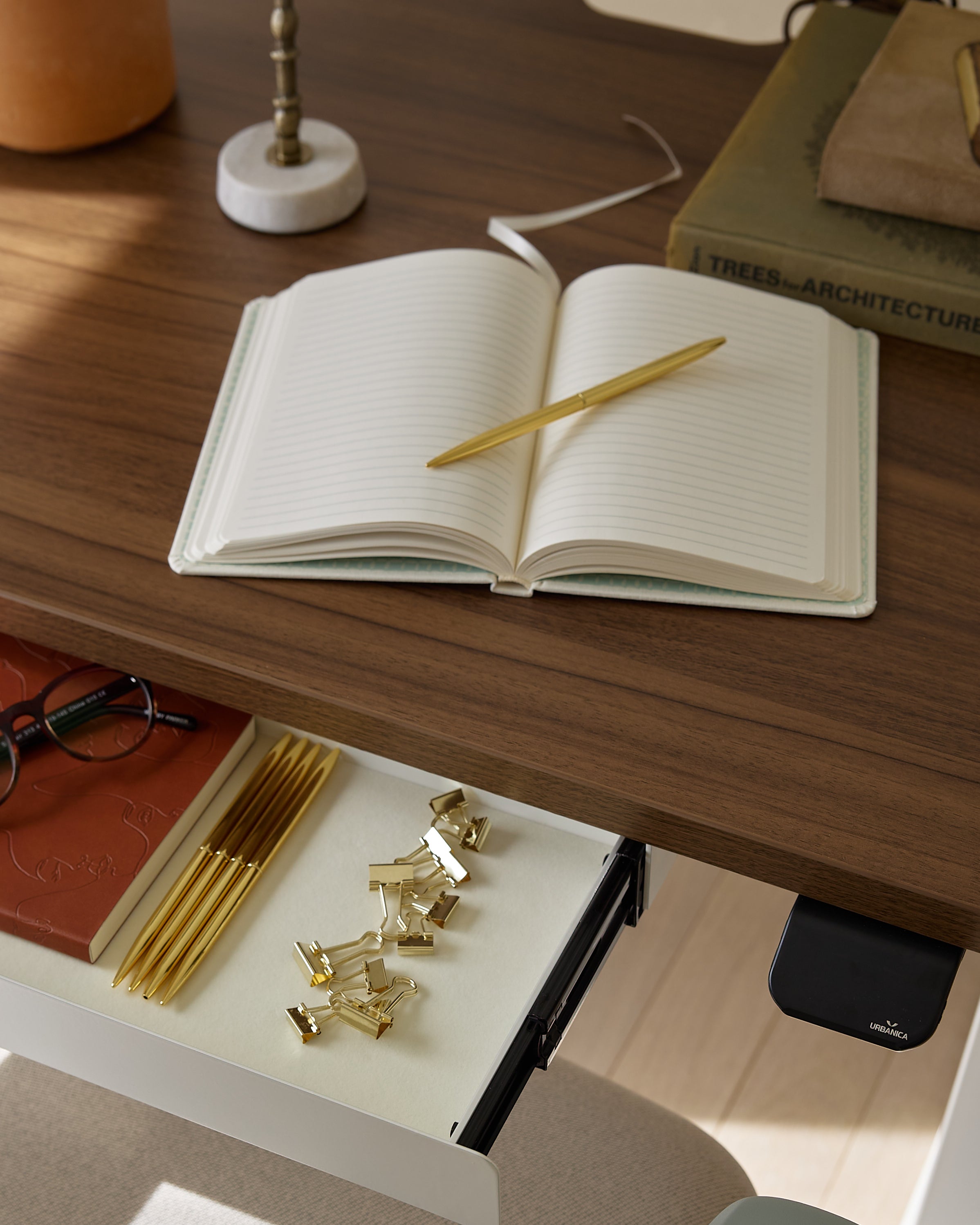
Visit quiz page to see how we makes it easy to create an inspiring workplace


Furniture shopping often focuses on style, price, or how something looks in a photo. What matters more, especially over time, is whether that furniture holds up after daily use. Long-lasting furniture does not always announce itself with bold claims or flashy design. Its value shows quietly through stability, comfort, and consistency year after year.
Knowing how to spot durable furniture helps you avoid replacements, frustration, and hidden costs. It also ensures that the pieces you bring into your home or workspace continue to support your routine instead of becoming a problem you need to fix later.
Long-lasting furniture is not just about durability. It is about reliability. Furniture that holds up over time maintains its structure, comfort, and appearance even as routines change. Short-lived furniture often looks fine at first, then slowly loses stability, alignment, or comfort until it becomes unusable.
In workspaces especially, furniture takes daily stress. Desks support weight, movement, and constant contact. Chairs absorb hours of sitting and shifting. When furniture fails, it interrupts productivity and affects comfort.
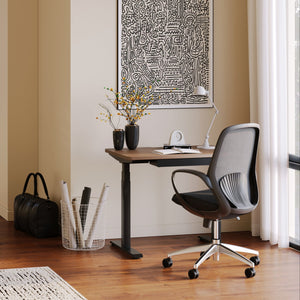
A well-made setup anchored by an Office Table California demonstrates how long-lasting furniture supports both daily function and long-term value. Quality furniture reduces the need for replacements and adjustments, saving time and effort over the years.
Durable furniture starts with materials chosen for strength, not trends.
Some finishes hide weak construction underneath.
Solid wood or reinforced composite cores
High-grade metal frames
Dense, well-finished surfaces
Scratch-resistant coatings
Stable structural joints
Furniture built with these materials resists warping, loosening, and surface breakdown even with daily use.
Construction quality determines how furniture handles stress.
Well-built furniture distributes weight evenly.
Reinforced joints rather than glued seams
Stable leg attachments
Balanced weight distribution
Minimal flex under pressure
Smooth, consistent finishes
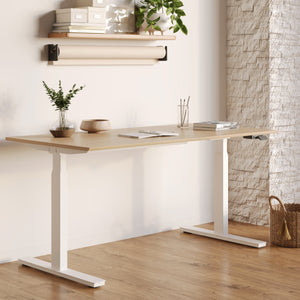
A thoughtfully constructed office desk maintains stability even as posture and tasks change throughout the day.
Furniture that adapts lasts longer. Fixed designs force users to adjust themselves to the furniture. Over time, this leads to uneven wear, misuse, and eventual failure.
Adjustable elements allow furniture to stay relevant as needs change. Height, angle, and positioning flexibility reduce strain on both the furniture and the user. This adaptability prevents overuse in one position, extending the life of the piece.
Furniture that encourages movement distributes stress more evenly.
Movement prevents pressure from concentrating in one area.
Height-adjustable surfaces
Smooth transition mechanisms
Balanced base design
Reinforced moving parts
Stable locking systems
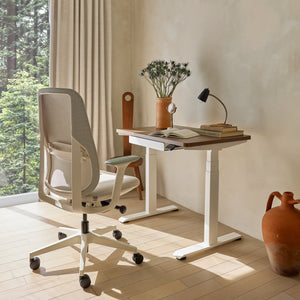
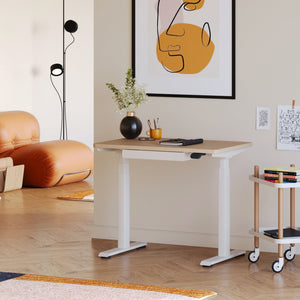
A well-engineered standing desk shows how movement-friendly furniture can remain durable even with frequent adjustments.

Long-lasting furniture is not just a consumer preference. It is a safety and performance issue. Research discussed in this office furniture durability analysis highlights how poorly built furniture increases risk of failure, discomfort, and even injury.
Furniture designed with durability in mind supports consistent posture, reduces mechanical breakdown, and maintains performance over time. Quality construction protects both the user and the environment by reducing waste and replacement cycles.
|
Feature |
Long-Lasting Furniture |
Short-Term Furniture |
|
Materials |
Reinforced, durable |
Lightweight |
|
Construction |
Solid joints |
Weak seams |
|
Stability |
High |
Inconsistent |
|
Adaptability |
Adjustable |
Fixed |
|
Replacement cycle |
Long |
Frequent |
Accessories can reduce wear on core furniture.
When furniture is used correctly, it lasts longer.
Adjustable screen positioning
Clear desk surfaces
Balanced weight distribution
Proper arm support
Consistent alignment
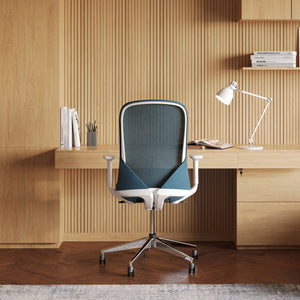
An ergonomic arm helps prevent excessive strain on desks, while supportive seating like an ergonomic chair ensures weight is distributed properly, reducing stress on floors and furniture frames.
Durable furniture does not deteriorate quietly. It maintains its performance. Drawers glide smoothly. Surfaces remain level. Seating retains support. Over time, this consistency builds trust in the furniture.
When furniture lasts, it becomes part of the routine rather than something that needs attention. Comfort stays predictable. Stability remains intact. The furniture supports work instead of becoming a distraction.

Long-lasting furniture is an investment in consistency, comfort, and peace of mind.
Quality materials over appearance
Solid construction and joints
Movement-friendly design
Adaptability for changing needs
Supportive accessories
Furniture that lasts is furniture that works quietly every day. When chosen well, it supports routines for years without asking for attention.


You have unlocked free shipping!
You're saving $29 and unlocked free shipping!
Leave a comment