



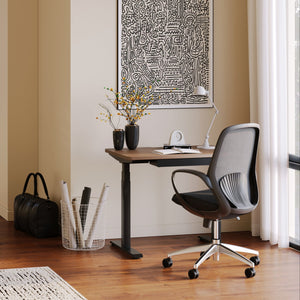
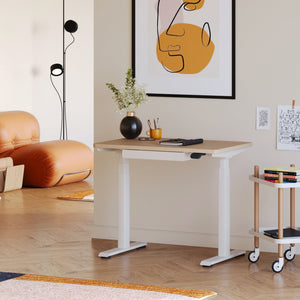
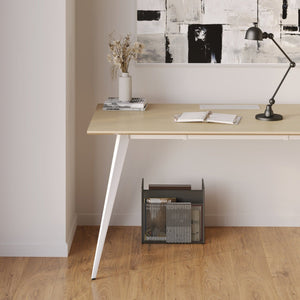
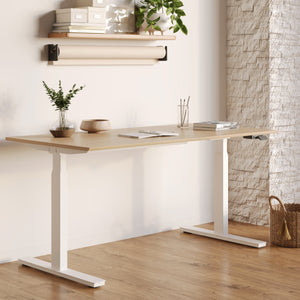
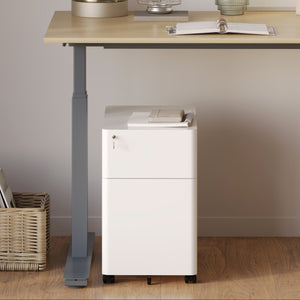






















Filing Cabinet Choices for Cleaner Workstation Planning
Cleaner workstation planning starts with filing storage that matches the desk, document volume, security needs, and daily workflow. Explore how cab...
Learn more
Visit quiz page to see how we makes it easy to create an inspiring workplace


A chair feels “comfortable for studying” when it helps the body maintain a stable, low-effort posture long enough for the mind to stay absorbed in the work. Studying is not passive sitting. It is a repeating cycle of reading, writing, typing, pausing to think, then returning to the page or screen. Each micro-task subtly changes posture, and a study chair needs to handle those shifts without forcing constant readjustment.
Comfort also changes over time. A chair that feels pleasant for five minutes can become distracting after forty. Long-study comfort is built from structural support, body fit, pressure distribution, and the ability to move naturally without losing alignment. That combination protects attention. When the body is supported well, the brain does not have to keep interrupting the task to manage discomfort.
This is why selecting a chair for studying is more like choosing a tool than choosing décor. The most reliable results come from evaluating a chair through the lens of studying behavior, not through the feel of the cushion alone.
A comfortable study chair reduces the need for “effort posture,” the unconscious muscle work that holds the torso upright when the chair does not provide enough support. When the backrest encourages a neutral spine, the sitter does not need to brace the lower back, pull the shoulders back, or clamp the core to stay upright. Less muscular effort means less fatigue, and fatigue is one of the most common reasons study sessions break down.
Neutral alignment is not about sitting rigidly. It is about a balanced posture where the head stays stacked above the torso, the ribcage stays centered over the pelvis, and the lower back keeps its natural curve. This position makes breathing easier and reduces neck and shoulder tension that can build during reading and screen use.
Effective lumbar contact is supportive without feeling like a hard bulge. Too little and the pelvis tilts backward into slouching. Too much and the sitter may shift forward to escape pressure. Either pattern creates fatigue. A good study chair encourages gentle contact with the lower back so the pelvis stays more neutral.
Studying often alternates between leaning forward to read and sitting more upright to type or write. If the upper back lacks support, the shoulders tend to round and the neck compensates by craning forward. Chairs that provide steady contact through the mid-back make these transitions smoother and reduce the urge to collapse into the desk.
Lower body discomfort is a silent concentration killer. If the seat edge presses into the thighs, circulation can feel restricted. If the seat is too deep, the sitter slides forward and loses back support. If it is too shallow, the thighs feel unsupported and the hips take more load.
A study chair’s seat should allow feet to rest flat on the floor with the knees comfortably bent. The seat depth should support most of the thighs while leaving a small gap behind the knees. This reduces pressure points and keeps the lower body stable so the upper body can focus on work.
Comfort in studying is strongly influenced by a stable triangle: eyes to the text or screen, hands to the desk surface, and back to the chair. When one point is out of alignment, the others compensate. If the chair sits too low, the head drops and the neck strains. If the arm position is too high, the shoulders tense. If the backrest does not support, the torso drifts forward.
A comfortable study chair supports this triangle by encouraging an upright but relaxed posture that keeps the head and shoulders from constantly compensating.
One of the fastest ways for a chair to become uncomfortable is when it cannot adapt to the user or the desk. Students and professionals often study at different surfaces throughout the week. A home desk, a shared table, or a compact workstation will each place the body at slightly different heights and angles. A chair that cannot adjust forces the body to do the adapting, and that typically means slouching, perching, or leaning.
Comfort for studying improves when a chair can be tuned so the sitter is not fighting the workstation. That tuning should support both laptop work and handwriting, since those tasks position the arms differently.
Not every adjustment contributes equally. The most meaningful ones for studying tend to be those that influence posture endurance and arm positioning.
Seat height should allow stable foot contact while positioning the forearms in a natural working angle. When the chair is too high, the sitter may perch and lose stability. When too low, the torso folds and the neck strains.
Studying often requires a more upright position than casual sitting. Backrest support that maintains contact while upright helps reduce fatigue during reading and writing, and it prevents the common “slide and slouch” pattern that appears as the session progresses.
Arm support helps when it matches desk height and does not block the chair from pulling in close. When arm support is too high, shoulders elevate. Too low and wrists take extra load. For many people, the best arm support during long typing stretches is subtle, steady, and adjustable enough to match the desk.
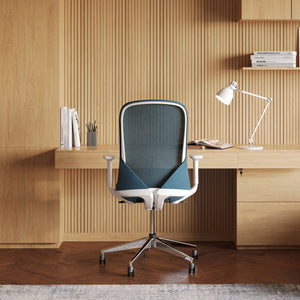
A chair like the ergonomic Novo chair is relevant in this context because the product category itself is built around ergonomic tuning for desk work, which is the core demand of studying.
Softness can feel comfortable instantly, but studying comfort is about support over time. A seat that compresses too much concentrates pressure in a few areas, often the tailbone and the back of the thighs. As pressure builds, the sitter fidgets more. Fidgeting interrupts focus, and frequent posture shifts can lead to strain in the lower back and hips.
Supportive comfort feels more even. The sitter can stay in a stable posture longer with fewer pressure signals demanding attention.
In study seating, cushion design works best when it supports weight evenly and keeps the pelvis stable. Seats with well-shaped contours can distribute load without forcing a single posture. They also reduce the “edge pressure” that creates numbness or tingling in the legs.
Heat buildup is an overlooked factor in study comfort. When the body feels too warm, concentration drops and posture gets restless. Breathable upholstery and surfaces that do not trap heat can make long sessions feel steadier.
Thermal comfort is not about luxury. It is about reducing one more distraction that pulls attention away from reading, problem solving, or writing.
Some chairs rely more on shape and shell contour than thick padding. When designed well, this can produce a stable, supportive sitting experience that holds up over time. A molded chair with structured seat support aligns with this concept because shell-style seating often depends on contour and form to create comfort during focused tasks.
The body needs small adjustments to stay comfortable. Even in deep concentration, posture changes subtly. A chair that allows micro-movement without wobbling helps the sitter reset pressure points, keep circulation steady, and reduce stiffness.
A comfortable study chair supports these movements without making the sitter feel unstable. Stability matters because instability creates vigilance, and vigilance steals attention from the work.
Swivel chairs can be helpful when the study environment involves reaching for books, turning between screens, or moving between tasks. Fixed chairs can be preferable when the goal is a grounded posture for reading or writing.
The better choice depends on the study space and the user’s behavior. Comfort increases when the chair supports the way the space is actually used rather than trying to force a single “correct” style of studying.
A chair can feel uncomfortable if it slides too easily or if it feels stuck. Either extreme makes movement awkward. Balanced floor contact helps the sitter reposition smoothly while staying in control. This matters most in long sessions where small adjustments keep the body from stiffening.
A chair does not create comfort alone. It works as part of a system with the desk. If the desk is too high relative to the seat, shoulders creep upward and wrists bend. If the desk is too low, the torso collapses forward and the neck strains. Either mismatch increases fatigue quickly.
The most study-friendly setups allow the chair to pull close to the desk so the forearms can be supported without reaching forward. This reduces shoulder load and helps maintain a stable, upright posture.
Comfort drops when the knees bump into the underside of the desk, when drawers block movement, or when the sitter cannot pull in close enough. These constraints cause compensations like perching on the edge of the seat or twisting the torso, both of which reduce endurance.
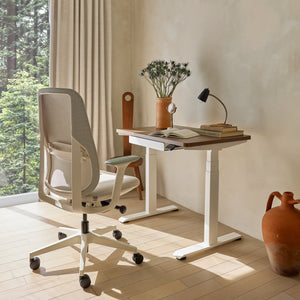
Choosing desks designed for focused work setups matters because the right work surface supports correct chair positioning, arm clearance, and posture stability, which are central to study comfort.
One practical way to evaluate chair-and-desk compatibility is to notice whether the forearms can rest comfortably while writing or typing. If the forearms are unsupported, shoulder and neck tension tends to rise. If the chair cannot pull in close enough, the body reaches forward and the back loses contact with the backrest.
When forearm support is easy and natural, study sessions tend to last longer with fewer discomfort interruptions.
Reading, especially from a screen, often pulls the head forward. Comfort increases when the chair encourages the upper back to stay supported so the neck does not have to carry the head forward for hours. A stable mid-back contact helps the sitter keep the chest open and reduces the tendency to slump.
Handwriting and problem solving often involve leaning slightly forward. A comfortable chair supports this without causing the lower back to collapse. The chair should also allow close access to the desk so the shoulders do not roll forward.
Laptop use often compresses posture because the keyboard and screen are linked. Comfort improves when the chair supports a posture that keeps the shoulders relaxed and the wrists neutral. Even small improvements in posture can reduce fatigue and help maintain longer focus blocks.
Most real studying is mixed mode. A chair that supports easy transitions between reading, typing, and writing tends to feel comfortable longer. Comfort comes from smooth transitions, not from a single perfect posture.
In tighter spaces, comfort includes how well a chair fits physically and visually. A chair that overwhelms the space can make the study area feel cluttered, and clutter can affect mental focus. Chairs with balanced proportions can support long study sessions while keeping the environment calm and usable.
In shared environments, chairs often see more varied use. A study chair that provides predictable support helps different users settle into a comfortable posture faster. Predictability matters because the body adapts to repeated patterns, and consistent support makes it easier to study regularly without discomfort surprises.
Comfort is personal. People notice different pressure points, prefer different backrest feels, and study in different postures. Having an in-person showroom experience for office seating can help confirm fit and feel in a way that photos cannot, especially when the goal is sustained comfort during long study sessions.
A chair becomes part of the study environment. Visual noise can subtly increase mental load. Clean lines, balanced proportions, and cohesive materials can make the study area feel calmer, which supports concentration during demanding work.
This is not about trends. It is about creating a space that feels stable and intentional, where the mind is less likely to drift.
Comfortable study seating can look inviting without looking overly specialized. When the chair feels like it belongs in the room, it is more likely to be used consistently, and consistency is a major part of long-term comfort. A chair that supports posture while fitting naturally into a living space is often the one that becomes the default study seat.
A product like the Muse chair for modern everyday seating fits this idea because the page is centered on a chair intended for regular use, which can align well with study spaces that need both function and visual balance.
A quick sit does not reveal long-study comfort. A more reliable evaluation is to sit long enough to notice whether the body starts compensating. Signs include sliding forward, tensing shoulders, or constantly shifting to find relief. Comfort shows up as steadiness, not as immediate softness.
Pay attention to where the first discomfort appears. Tailbone pressure suggests insufficient seat support or poor contouring. Thigh pressure can indicate a seat edge issue or height mismatch. Upper-back tension often points to poor backrest support or desk height problems.
A chair that cannot get close to the desk encourages reaching forward. Reaching forward breaks the posture triangle and increases neck and shoulder strain. Comfortable study chairs support close positioning so the sitter can work with relaxed shoulders and steady back support.
A comfortable chair allows small posture resets without squeaks, instability, or major effort. When movement is easy and quiet, it does not interrupt focus. It supports longer periods of deep work.
Comfort changes if the seat loses support or the chair develops looseness that affects stability. Long-term comfort is supported by solid construction, consistent cushioning performance, and reliable movement where applicable. When a chair remains stable and supportive over time, studying feels more predictable and less physically taxing.
Even the most thoughtfully built chair will not feel perfect for everyone. The goal is a chair that fits the body and the study tasks well enough that discomfort stops competing with attention. When the chair supports posture, matches the desk, distributes pressure, and allows natural movement, it becomes easier to focus for longer periods and return to the study space day after day.
For those comparing styles and features across different setups, browsing chairs for everyday work and study spaces can help narrow the field by identifying designs that align with sustained, task-based sitting rather than short-term comfort alone.


You have unlocked free shipping!
You're saving $29 and unlocked free shipping!
Leave a comment