



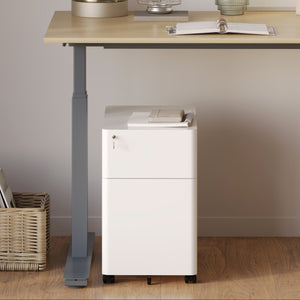






















Filing Cabinet Choices for Cleaner Workstation Planning
Cleaner workstation planning starts with filing storage that matches the desk, document volume, security needs, and daily workflow. Explore how cab...
Learn more
Visit quiz page to see how we makes it easy to create an inspiring workplace


Furniture is designed to support your daily routine, but it is constantly reacting to something you cannot see: the air around it. Whether you live in a coastal region with heavy humidity or an inland area with dry seasonal air, your furniture absorbs and releases moisture every day. Over time, these subtle changes affect structure, comfort, and appearance.
When investing in quality setups like Office Furniture Los Angeles, climate awareness becomes part of long-term protection. A desk or chair may look solid and stable, yet internal materials are always adjusting to the environment. Understanding how humidity and dryness influence furniture allows you to prevent damage before it becomes visible.
Furniture materials are not static. Wood contains natural moisture. Upholstery fibers expand and contract. Metal reacts to environmental conditions. Even engineered surfaces respond to shifts in temperature and humidity.
In humid climates, excess moisture enters wood fibers and causes swelling. In dry climates, moisture evaporates from materials, leading to shrinkage. Both processes create stress within the structure of your desk or chair.
Over time, this stress can result in:
Warped desk tops
Gaps forming at joints
Loose hardware
Surface cracks
Reduced smoothness in adjustable systems
The goal is not to eliminate environmental influence completely. Instead, it is about stabilizing your indoor conditions to reduce extreme fluctuations.
Moisture-heavy air creates gradual but noticeable changes in furniture.
Wood naturally absorbs moisture from the air. When humidity rises above recommended indoor levels, the fibers swell.
Raised grain texture
Slight bowing or uneven surfaces
Sticky drawers
Tight-fitting panels
Joint stress due to expansion pressure
Adhesive weakening in layered surfaces
Increased risk of surface bubbling
Metal components exposed to moisture buildup
Even a durable office desk can experience strain if humidity remains high for extended periods. Quality craftsmanship helps, but environmental control makes the biggest difference.
To protect your workspace in humid climates:
Keep indoor humidity between 40 and 55 percent
Use a dehumidifier during damp seasons
Improve ventilation in enclosed rooms
Avoid placing desks directly against exterior walls
These small adjustments help maintain stability in the materials.
Dry climates introduce the opposite problem. Instead of swelling, materials lose moisture.
When indoor air becomes too dry, wood fibers release moisture and contract. This contraction may not be obvious immediately, but repeated exposure creates stress over time.
Fine cracks along wood grain
Slight separation at joints
Creaking sounds when weight shifts
Minor gaps appearing between panels
A well-engineered standing desk depends on alignment and balance. In dry air:
Desktop surfaces may shrink slightly
Screws can loosen as materials contract
Frame tension may shift
Adjustable components may require tightening
To manage dry indoor conditions:
Use a humidifier during colder months
Avoid placing furniture near heating vents
Inspect and retighten hardware periodically
Apply proper conditioning treatments for wood surfaces
Balanced air moisture keeps structural stress minimal.
Environmental research such as this climate impact study highlights how repeated humidity cycles accelerate fatigue in wood fibers and bonding agents. The findings show that rapid fluctuations cause more stress than steady moderate conditions.
When air repeatedly shifts between high humidity and extreme dryness, materials expand and contract over and over. That movement weakens internal bonds, especially in layered or composite furniture pieces.
Consistency is the key factor in preserving longevity.
Chairs combine multiple materials, making them especially sensitive to environmental shifts.
A supportive ergonomic chair includes cushioning, breathable fabric or mesh, and reinforced components. Each element reacts differently to moisture levels.
Foam may absorb moisture
Fabric can feel damp
Odors may develop without airflow
Metal parts may show early corrosion
Foam may harden gradually
Upholstery fibers can weaken
Plastic components may become brittle
Static buildup may increase
To extend the lifespan of seating:
Maintain steady indoor humidity
Keep chairs away from direct heat sources
Clean upholstery regularly
Ensure consistent airflow
Climate stability protects both comfort and support.
Metal frames and hardware are often overlooked when discussing climate impact. In humid environments, trapped moisture can encourage corrosion around joints and fasteners. In dry environments, lubricants in moving parts may evaporate more quickly.
Using an adjustable ergonomic arm helps reduce surface strain and promotes better airflow around mounting areas. Elevating monitors off the desk surface also prevents moisture buildup or heat concentration in one area.
Routine inspection keeps metal components functioning smoothly in any climate.
|
Climate Type |
Primary Reaction |
Visible Symptoms |
Long-Term Risk |
Prevention Method |
|
High Humidity |
Wood swelling |
Warped surfaces |
Joint stress |
Dehumidifier |
|
High Humidity |
Moisture buildup |
Sticky drawers |
Adhesive weakening |
Ventilation |
|
Dry Air |
Shrinkage |
Small cracks |
Structural gaps |
Humidifier |
|
Dry Air |
Cushion drying |
Reduced comfort |
Support breakdown |
Air balance |
|
Fluctuating Climate |
Repeated expansion |
Loose hardware |
Accelerated fatigue |
Maintain stability |
This comparison makes it clear that both extremes require attention.
The best protection strategy focuses on maintaining balance rather than reacting to damage.
Monitoring your indoor environment helps prevent stress before it begins.
Hygrometer to track humidity
Dehumidifier during damp months
Humidifier in dry seasons
Proper insulation around windows
Keep desks slightly away from exterior walls
Avoid positioning furniture near HVAC vents
Leave room for airflow behind larger pieces
Reassess placement when seasons change
Stability protects materials from repeated expansion and contraction cycles.
Humidity levels shift with the seasons. Summer may bring damp air, while winter heating systems often dry indoor spaces. Instead of reacting to visible damage, develop a seasonal inspection routine.
During humid months, check for swelling or sticking drawers. During dry months, inspect for cracks or loose hardware. Tighten screws, clean surfaces appropriately, and ensure airflow remains consistent.
Small, consistent adjustments make a measurable difference in longevity.
Furniture is not damaged overnight. It is affected gradually, which means preventive care works best when practiced consistently.
Climate will always change. Your furniture does not need to suffer because of it.
Use this checklist to maintain stability and performance:
Monitor indoor humidity regularly
Keep levels between 40 and 55 percent
Use humidifiers or dehumidifiers as needed
Inspect joints and fasteners every few months
Avoid placing desks near heat or moisture sources
Maintain steady airflow in your workspace
Clean surfaces gently and consistently
Tighten adjustable components seasonally
Address small cracks or swelling early
Reevaluate furniture placement when seasons shift
By combining quality construction with thoughtful environmental management, you ensure your office desk, standing desk, and ergonomic chair remain strong and dependable. A stable indoor climate protects both structure and comfort, allowing your workspace to perform reliably in every season.


You have unlocked free shipping!
You're saving $29 and unlocked free shipping!
Leave a comment