



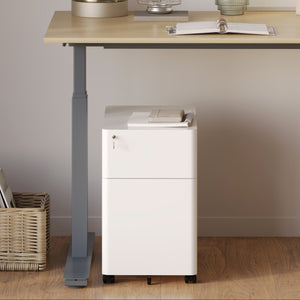






















Filing Cabinet Choices for Cleaner Workstation Planning
Cleaner workstation planning starts with filing storage that matches the desk, document volume, security needs, and daily workflow. Explore how cab...
Learn more
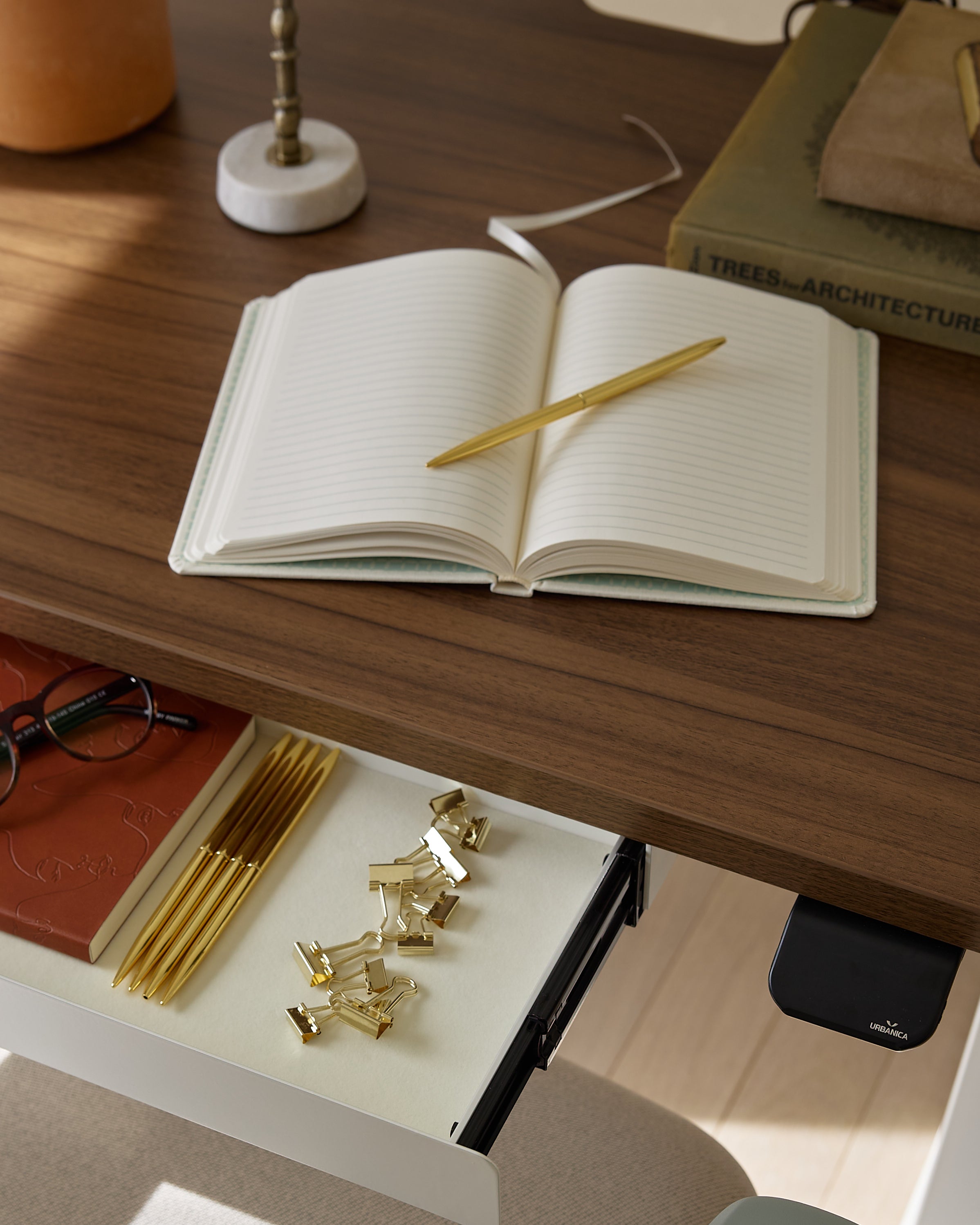
Visit quiz page to see how we makes it easy to create an inspiring workplace


Furniture is one of the most visible investments in any workspace. It shapes first impressions, supports productivity, and influences comfort every day. Yet even high-quality pieces can lose their appeal without consistent care. Dust buildup, small scratches, moisture exposure, and daily wear gradually dull surfaces and weaken materials. The good news is that keeping furniture looking new does not require complicated routines. With steady habits and thoughtful placement, your workspace can maintain a polished, professional appearance for years.
If you are investing in quality setups like Office Furniture California, maintenance becomes part of protecting that investment. A few intentional actions each week can make a significant difference in longevity and appearance.
Furniture rarely deteriorates overnight. Instead, small issues build gradually. A tiny scratch becomes more visible as dust settles into it. A loose screw leads to subtle instability. A spill that is not cleaned immediately leaves a faint mark that becomes permanent.
Consistent care preserves both structure and aesthetics. Surfaces remain smooth. Adjustable components function properly. Upholstery keeps its texture and support. Maintenance is not about constant cleaning. It is about preventing minor wear from turning into long-term damage.
Think of maintenance as preservation rather than repair. When care becomes routine, furniture retains its original look much longer.
Cleaning is essential, but using the wrong products can harm finishes.
Desks handle daily activity. Keyboards, notebooks, coffee mugs, and decorative items all leave traces behind.
Use a microfiber cloth to remove dust
Wipe spills immediately
Avoid harsh chemical cleaners
Dry surfaces after wiping to prevent moisture buildup
A well-constructed office desk benefits from protective finishes, but even durable surfaces need proper care to maintain their appearance.
Abrasive sponges
Excessive water
Alcohol-based solutions on finished wood
Dragging heavy objects across the surface
Gentle and consistent cleaning preserves shine and structural integrity.
Adjustable furniture offers flexibility but includes moving parts that require attention.
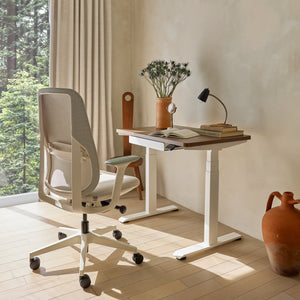
A precision-built standing desk is engineered for smooth transitions between sitting and standing. Regular inspection keeps it functioning reliably.
Tighten visible screws and bolts
Check for unusual sounds during adjustments
Ensure cables are not tangled
Confirm the desk remains level
Distribute weight evenly across the surface
Avoid leaning excessive weight on one edge
Keep liquids away from lifting columns
Clean dust from mechanical areas
Routine checks prevent small issues from affecting long-term performance.
Environmental conditions influence how furniture ages. Humidity, temperature, and sunlight all play a role in material stability. Research such as this material durability study highlights how environmental fluctuations accelerate wear in wood and composite materials.
To protect furniture:
Maintain stable indoor humidity
Avoid placing desks in direct sunlight
Keep furniture away from heating vents
Ensure airflow around larger pieces
A stable indoor environment helps preserve finish quality and structural strength.
Furniture often supports more than we realize. Monitors, speakers, and storage accessories create pressure points that affect surfaces.
Smart organization reduces strain on your workspace.
Using an adjustable ergonomic arm lifts monitors off the desktop, which reduces concentrated pressure and improves airflow.
Benefits include:
Less surface indentation
Better cable management
Improved viewing angle
Reduced clutter
Store heavy items separately when possible
Rotate decorative objects
Avoid stacking equipment
Monitor weight limits
Balanced layouts protect structure and maintain a clean appearance.
Seating absorbs constant pressure throughout the day. Without maintenance, fabric fades and cushioning compresses.
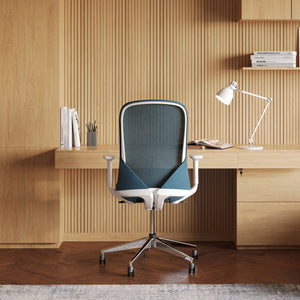
A supportive ergonomic chair is built for long hours of use, but proper care extends its lifespan even further.
To keep chairs looking new:
Vacuum upholstery weekly
Clean spills immediately
Adjust posture settings instead of forcing alignment
Avoid leaning heavily on armrests
Consistent care keeps cushioning responsive and surfaces smooth.
|
Furniture Type |
Main Risk |
Simple Habit |
Recommended Frequency |
|
Office Desk |
Surface scratches |
Use desk mat |
Daily |
|
Standing Desk |
Loose hardware |
Inspect screws |
Monthly |
|
Ergonomic Chair |
Cushion compression |
Rotate position |
Weekly |
|
Monitor Setup |
Surface strain |
Use support arm |
Ongoing |
|
Wood Surfaces |
Finish dullness |
Gentle wipe down |
Weekly |
This simple routine creates long-term results.
Prevention is easier than restoration.
Creating a schedule makes maintenance automatic rather than reactive.
Dust surfaces
Check for loose parts
Remove clutter
Inspect upholstery
Tighten hardware
Clean chair wheels
Reevaluate desk placement
Inspect for early signs of wear
Preventive care ensures furniture continues to look refined and professional.
Some habits accelerate wear without you noticing. Sliding heavy equipment across surfaces leaves micro-scratches. Ignoring small spills allows stains to set. Using harsh cleaning products strips protective finishes.
Another common mistake is overlooking minor instability. A small wobble often signals loose hardware that needs tightening. Addressing it early prevents structural stress.
Maintenance does not need to be time-consuming. It simply requires awareness and consistency.
Keeping furniture looking new is about intentional care.
Use this checklist to protect your investment:
Clean surfaces gently each week
Wipe spills immediately
Avoid harsh chemicals
Distribute weight evenly
Tighten hardware regularly
Maintain balanced indoor humidity
Protect surfaces with mats or pads
Rotate furniture placement if needed
Inspect adjustable components
Address small issues promptly
When these habits become routine, your office desk, standing desk, and ergonomic chair continue to look polished and professional year after year. Thoughtful maintenance preserves not only appearance but also performance, ensuring your workspace supports productivity without sacrificing style.


You have unlocked free shipping!
You're saving $29 and unlocked free shipping!
Leave a comment