


























Filing Cabinet Choices for Cleaner Workstation Planning
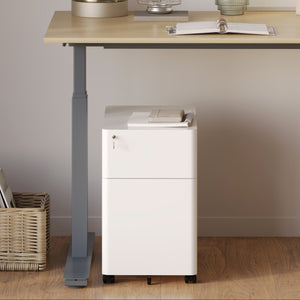
Cleaner workstation planning starts with filing storage that matches the desk, document volume, security needs, and daily workflow. Explore how cab...
Learn more
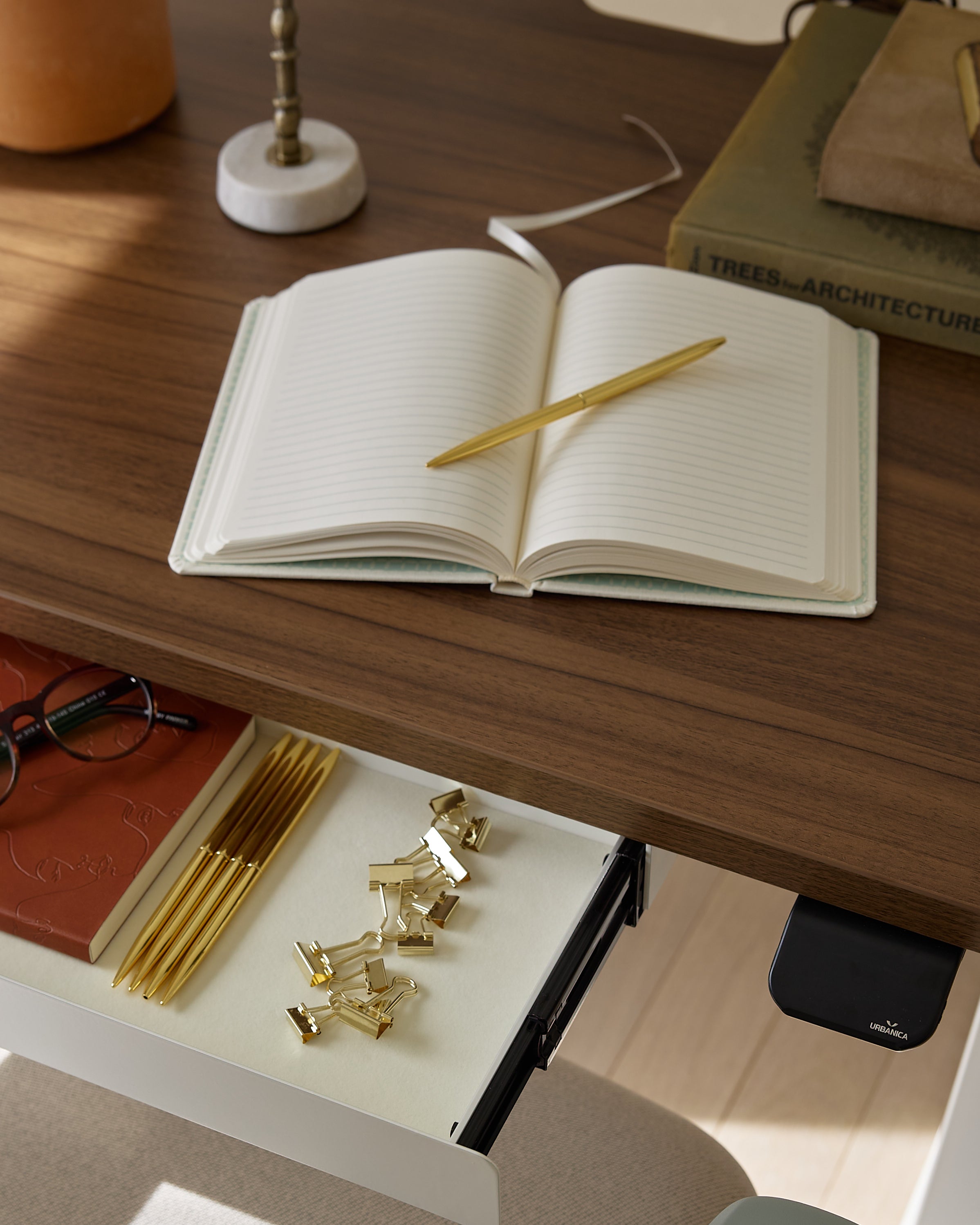
Visit quiz page to see how we makes it easy to create an inspiring workplace


Furniture does not suddenly fail overnight. It creaks a little louder. A drawer sticks. A surface loses its smooth finish. An adjustable mechanism no longer feels effortless. These small signs raise a practical question: should you repair what you have or replace it entirely?
Making the right decision requires more than sentiment. It involves evaluating structural integrity, long-term cost, comfort, and how your furniture supports daily productivity. Whether you are working from home or managing a professional space, knowing when to fix and when to upgrade protects both your budget and your workflow.
Before considering cost, begin with structure. If the core framework of a desk or chair is solid, repair may be practical. If the structure is compromised, replacement becomes the safer option.
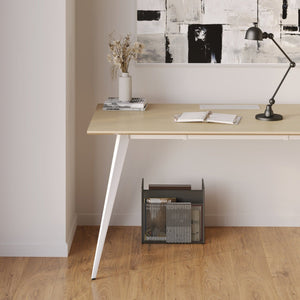
For example, if you are using an Office Desk California and notice minor surface scratches or a slightly loose handle, those are repairable issues. However, if the frame is warped or the joints are separating due to long-term stress, patchwork fixes may only delay a larger failure.
Ask yourself:
Is the frame stable and level?
Are the joints secure?
Does the furniture feel safe under weight?
Is damage cosmetic or structural?
Cosmetic issues often justify repair. Structural instability often signals replacement.
Surface wear is common in desks and workstations. The key is determining whether the damage affects performance.
Minor scratches, small dents, and faded finishes are usually repairable.
Light surface scratches
Small chips in laminate
Minor discoloration
Loose hardware
A quality office desk with a strong frame often deserves refinishing rather than disposal.
Deep cracks affecting structural panels
Peeling layers that expose core materials
Water damage causing swelling
Persistent instability
If surface damage compromises the underlying structure, replacement may provide better long-term value.
Modern workstations often include adjustable features. These systems add flexibility but also introduce moving parts that can wear over time.
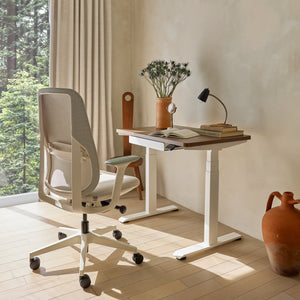
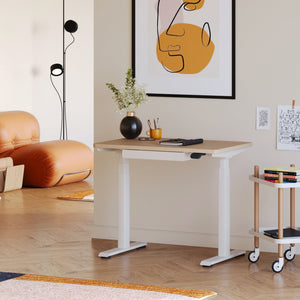
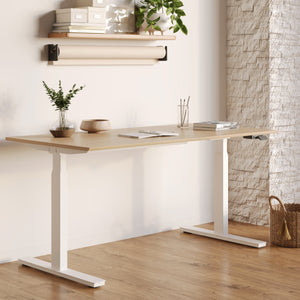
A precision-built standing desk should transition smoothly between heights. If movement becomes uneven or noisy, evaluate the cause.
Loose bolts or screws
Cable misalignment
Minor motor calibration issues
Dust buildup affecting movement
Repeated motor failure
Severe frame misalignment
Excessive wobbling at full height
Electrical components no longer functioning reliably
If repair costs approach a significant percentage of replacement cost, upgrading often makes more sense financially.
Material science research such as this material fatigue study shows that repeated stress cycles weaken wood fibers and composite materials over time. Even if a piece looks stable externally, internal fatigue may reduce load capacity.
Understanding this concept helps you evaluate long-term safety. If a desk or chair has endured years of heavy use, visible wear may only represent part of the story. Structural fatigue is not always visible until failure occurs.
When safety becomes uncertain, replacement is the responsible decision.
Chairs experience constant pressure, making them more prone to performance decline.
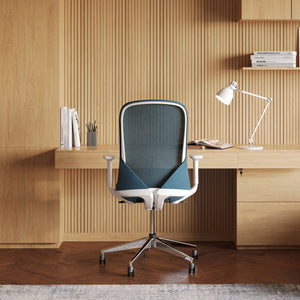
A supportive ergonomic chair should maintain cushioning resilience and alignment support.
Loose armrests
Worn casters
Minor upholstery tears
Slight lumbar adjustment problems
These can often be fixed affordably.
Flattened foam that no longer rebounds
Broken tilt mechanisms
Persistent instability
Structural cracks in the frame
If seating no longer supports healthy posture, it directly affects productivity and physical well-being. In these cases, replacement becomes an investment in comfort.
Furniture is not just functional. It shapes how efficiently you work. If your desk feels cramped or outdated compared to your current needs, replacement may offer productivity benefits beyond simple aesthetics.
For example, upgrading to a layout that integrates an adjustable ergonomic arm can free desk space and improve posture. If your current setup limits movement or creates clutter, replacement may enhance efficiency more than repeated repairs.
Evaluate whether your furniture supports your workflow today, not just whether it can be patched temporarily.
|
Factor |
Repair Scenario |
Replace Scenario |
|
Minor scratches |
Affordable refinishing |
Not necessary |
|
Loose hardware |
Simple tightening |
Not necessary |
|
Warped frame |
Temporary fix |
Replacement recommended |
|
Motor malfunction |
Possible repair |
Replace if recurring |
|
Flattened chair cushion |
Limited repair value |
Replacement advisable |
|
Cosmetic aging only |
Repair preferred |
Upgrade optional |
This overview highlights how structural and performance issues weigh more heavily than appearance alone.
Sustainability plays an important role in modern decision-making.
Repairing extends product life and reduces waste. However, repeated repairs may consume resources without restoring performance.
Frame remains solid
Damage is cosmetic
Replacement parts are accessible
Performance remains strong
Furniture no longer meets ergonomic standards
Energy efficiency improves with new mechanisms
Structural fatigue reduces safety
Long-term durability is compromised
Responsible replacement focuses on upgrading to durable, long-lasting pieces that reduce future waste.
Furniture often carries sentimental value. A desk used for years of work can feel personal. However, attachment should not override safety or performance.
Ask yourself:
Does this piece support my health?
Is repair only delaying inevitable replacement?
Would upgrading improve productivity?
Objective evaluation prevents unnecessary spending on ineffective repairs.
Choosing between repair and replacement becomes easier when guided by clear criteria.
Use this checklist before deciding:
Is the frame structurally sound?
Are issues cosmetic rather than structural?
Is repair cost significantly lower than replacement?
Does the furniture still support comfort and productivity?
Are adjustable mechanisms functioning reliably?
Has material fatigue reduced safety?
Will upgrading improve workflow?
Is repeated repair becoming routine?
Does the piece meet current ergonomic needs?
Will a replacement offer longer-term value?
Furniture should support your work, not complicate it. Repair when structure and performance remain strong. Replace when safety, comfort, or efficiency decline beyond practical recovery.
Making the right choice ensures your workspace remains stable, comfortable, and productive for years to come.


You have unlocked free shipping!
You're saving $29 and unlocked free shipping!
Leave a comment