























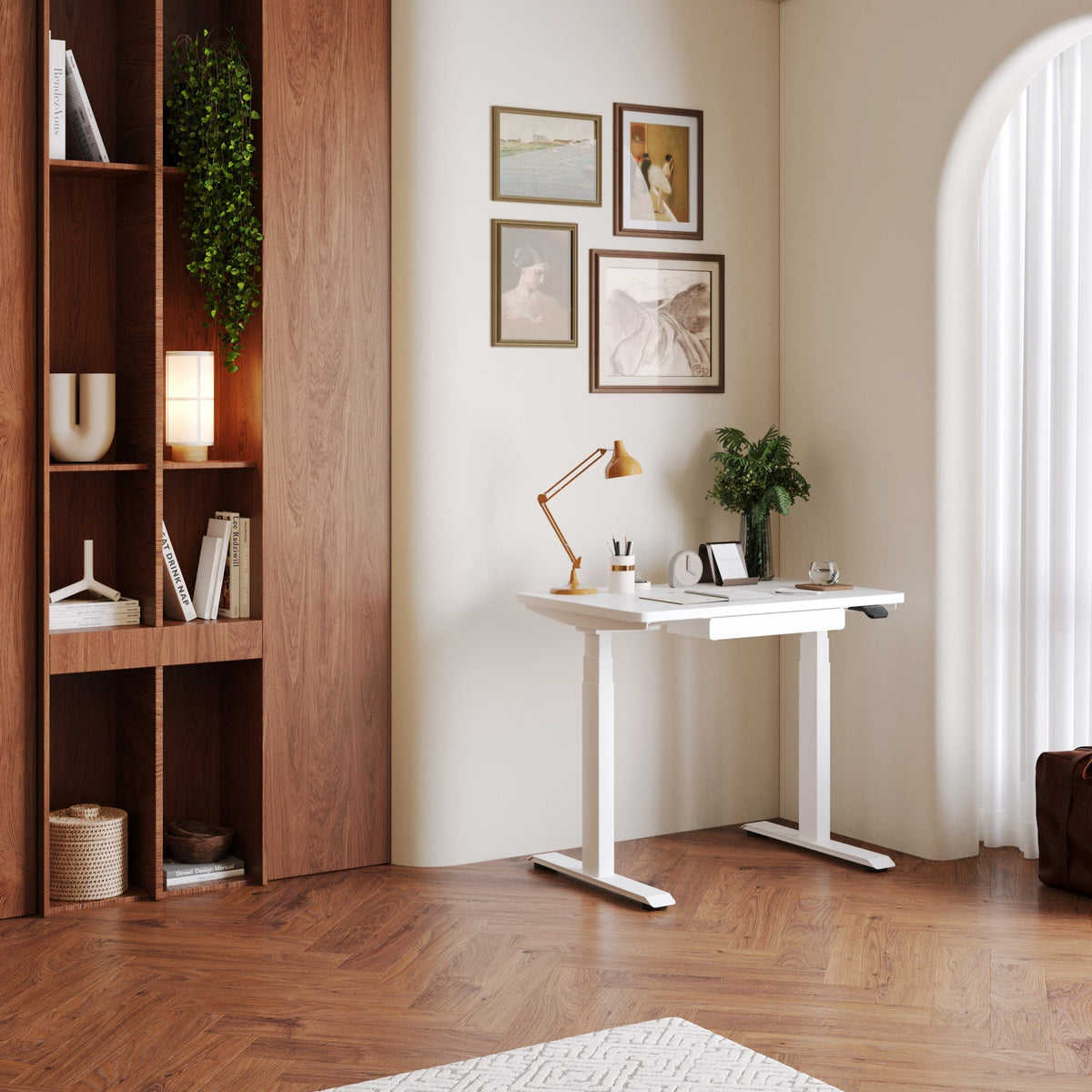
Desk Lighting Secrets That Designers Use

A desk area can quietly shape how productive, calm, and refined a space feels. While furniture selection matters, lighting is often the deciding factor between a workspace that feels basic and one that feels elevated. The right lighting choices can instantly transform a desk from functional to intentional, without changing the layout or adding clutter.
Lighting influences mood, posture, focus, and even how expensive your desk area looks. When lighting is layered thoughtfully, it enhances surfaces, highlights textures, and supports healthier work habits. These lighting tricks work in home offices, creative studios, and professional workspaces alike.
Why Lighting Is the Fastest Way to Upgrade Any Desk Area
Lighting does more than illuminate. It defines the atmosphere of a workspace and subtly communicates quality. Poor lighting makes even the most thoughtfully designed desk feel flat, while intentional lighting adds depth and polish.
A well-lit workspace anchored by an Office Desk Los Angeles immediately feels more structured and purposeful. Light reveals surface finishes, enhances proportions, and creates contrast that makes a desk area look designed rather than assembled.
The goal is not brightness alone, but balance. When light sources work together, the desk becomes a focal point instead of a forgotten corner.
Layered Lighting Creates Instant Visual Depth
Understanding Lighting Layers at the Desk
Layered lighting is one of the most effective tricks designers use to elevate a workspace. Instead of relying on a single overhead source, layered lighting builds dimension.
The Three Core Lighting Types
Each layer plays a specific role in how the desk area looks and functions.
How to Apply Lighting Layers Correctly
-
Ambient lighting sets the base tone of the room
-
Task lighting focuses light directly on the work surface
-
Accent lighting highlights shapes, edges, and accessories
-
Balanced layers reduce harsh shadows on the desk
-
Multiple light sources make the desk feel intentional
A layered approach works especially well when paired with a clean-lined office desk, allowing light to define its edges and proportions naturally.
Directional Lighting That Supports Focus and Comfort
Why Light Direction Matters More Than Brightness
The direction of light affects posture, eye strain, and focus. Desk areas benefit most from lighting that supports natural movement without glare.
Strategic Placement for Desk Lighting
Light should follow the flow of work rather than compete with it.
Directional Lighting Best Practices
-
Position task lights to avoid screen glare
-
Angle lighting to reduce wrist and shoulder strain
-
Keep light sources slightly off-center
-
Allow light to move with adjustable fixtures
-
Use focused beams instead of flood lighting
Directional lighting becomes even more effective when paired with an adjustable standing desk, allowing lighting to adapt seamlessly as desk height changes throughout the day.

Warm vs Cool Light and How It Affects Your Desk Area
Color temperature influences how a desk area feels emotionally. Warm lighting creates comfort and approachability, while cooler lighting enhances alertness and clarity.
A balanced desk setup often blends both. Cooler tones work well for focused tasks, while warmer tones soften the space during longer work sessions. The right mix prevents the desk area from feeling clinical or overly dim.
Lighting temperature should complement the materials and finishes of the desk rather than overpower them.
Ergonomic Lighting That Improves Performance
Lighting as Part of an Ergonomic Setup
Lighting plays a direct role in posture and productivity. Poor lighting encourages leaning forward, squinting, and awkward positioning.
The Connection Between Light and Ergonomics
Good lighting supports neutral posture by reducing strain on the eyes and neck.
Ergonomic Lighting Principles
-
Reduce contrast between screen and surroundings
-
Avoid overhead glare directly above the desk
-
Keep task lighting at eye-safe angles
-
Use adjustable fixtures for flexibility
-
Combine lighting with supportive desk accessories
Insights from ergonomic research show that lighting alignment is a key factor in maintaining comfort during long work hours. Pairing proper lighting with adjustable tools like an Ergonomic Arm further supports healthy movement without visual clutter.
Accent Lighting That Makes a Desk Look Expensive
Accent lighting is where visual refinement happens. It is not about brightness but about emphasis. Soft accent light along shelves, walls, or desk edges creates contrast that adds dimension.
Accent lighting draws attention to form rather than function. When applied subtly, it makes a desk area feel layered and considered, similar to high-end interiors.
This type of lighting works especially well in minimalist spaces where furniture shapes and finishes deserve emphasis.
Desk Lighting Types Compared
|
Lighting Type |
Primary Purpose |
Best Placement |
Visual Effect |
|
Ambient |
Overall illumination |
Ceiling or wall |
Balanced |
|
Task |
Focused work light |
Desk surface |
Functional |
|
Accent |
Visual interest |
Shelves or edges |
Elevated |
|
Directional |
Controlled focus |
Adjustable fixtures |
Clean |
|
Ergonomic |
Comfort support |
Screen and desk alignment |
Supportive |
Seating, Lighting, and Visual Balance
How Seating Influences Desk Lighting
Lighting and seating work together. The shape and height of seating affects how light hits the desk and screen.
Creating Balance Between Light and Seating
Lighting should follow movement, not restrict it.
Coordinating Lighting With Seating
-
Align task lighting with seated eye level
-
Ensure light coverage adjusts with movement
-
Avoid shadows created by chair backs
-
Match lighting warmth with seating materials
-
Support posture with balanced illumination
Well-balanced lighting pairs naturally with supportive seating like a Novo Chair, ensuring comfort without disrupting the visual harmony of the desk area.
Small Lighting Adjustments With Big Impact
You do not need a full redesign to elevate a desk area. Small changes often make the biggest difference.
Adjusting lamp height, changing bulb temperature, or adding a secondary light source can instantly improve how a desk feels. Even subtle shifts in lighting direction can transform a workspace from flat to refined.
Consistency is key. When lighting choices align with desk proportions and movement, the entire setup feels cohesive.

Light It Right and Let the Desk Do the Rest
A refined desk area is rarely loud. It is calm, balanced, and intentional. Lighting plays a silent but powerful role in shaping that experience.
A Quick Desk Lighting Checklist
-
Use layered lighting instead of one source
-
Match lighting direction to desk movement
-
Balance warm and cool tones
-
Reduce glare and harsh shadows
-
Align lighting with ergonomic posture
When lighting supports both comfort and aesthetics, the desk area naturally feels more elevated, productive, and visually expensive.
Related Articles
-
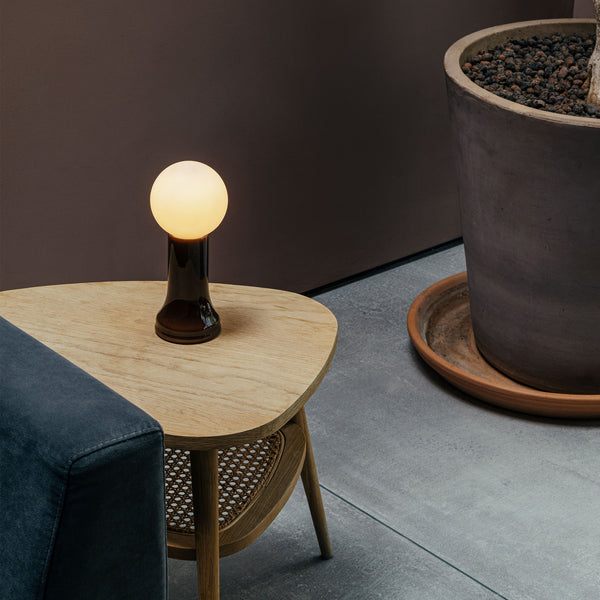 Shore Table Lamp Ideas That Make Desk Lighting Feel Softer
-
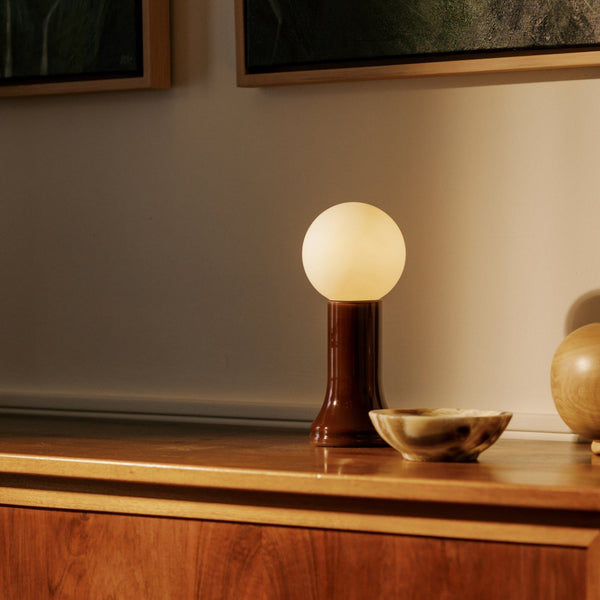 How to Choose a Table Lamp That Adds Warmth Without Reducing Visibility
-
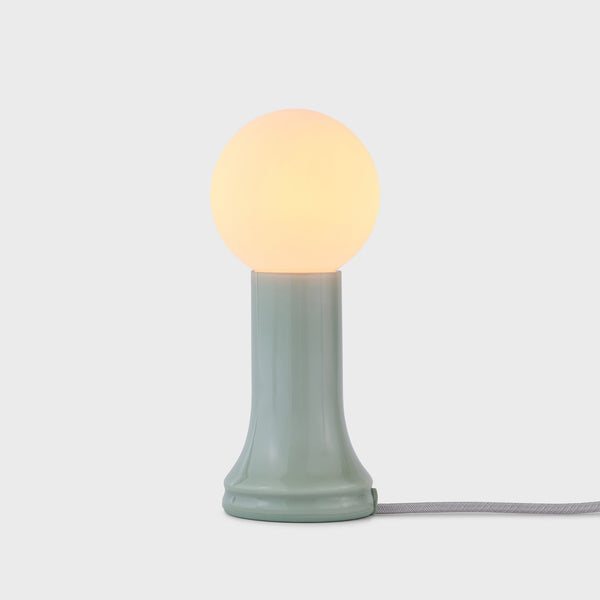 Can a Table Lamp Support Evening Work Better Than Overhead Lighting?
-
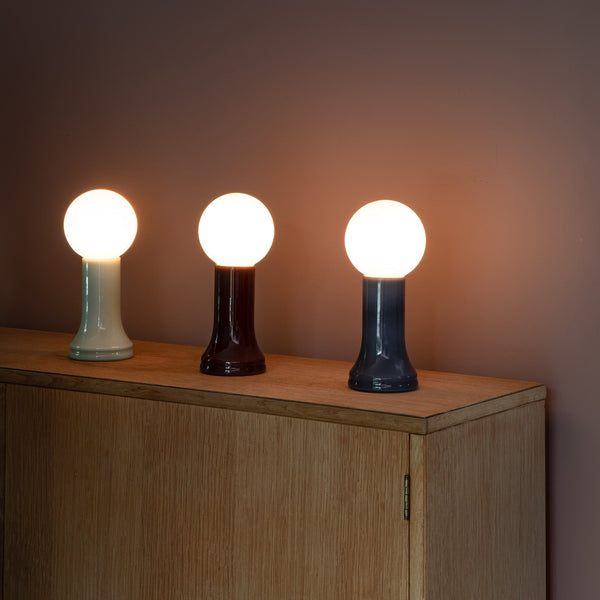 How to Use a Table Lamp to Make a Home Office Feel Less Harsh and More Lived In
-
 Best Table Lamp Options for Creating a Relaxed But Productive Workspace
-
 What Size Table Lamp Works Best in Small Offices and Compact Rooms?

