









Best Chair Features for Students Who Sit All Day

Students today spend more time seated than any generation before them. Lectures, virtual classes, assignments, group work, and independent study often happen in the same chair for hours at a time. From our perspective as a furniture brand that designs seating for real daily use, the challenge is not simply about comfort. It is about supporting focus, posture, and long term wellbeing without overcomplicating the experience or making unrealistic promises.
A well chosen chair does not need to feel futuristic or excessive. It needs to work quietly in the background, supporting the body while allowing the mind to stay engaged. The following sections break down the chair features that truly matter for students who sit all day, grounded in practical design principles and everyday realities.
Why Sitting All Day Affects Students Differently Than Office Workers
Cognitive Effort and Physical Strain Happen Simultaneously
Studying places a unique demand on the body. Unlike many office roles that alternate between meetings, movement, and tasks, students often remain seated while performing mentally intensive work for extended stretches. Physical discomfort competes directly with cognitive focus. When the body is strained, attention drifts, posture collapses, and productivity declines. A chair that supports sustained sitting helps reduce this constant physical distraction.
Non Standard Study Environments Create Ergonomic Gaps
Students rarely study in perfectly designed workspaces. Dorm rooms, shared apartments, and bedrooms often dictate furniture placement. Desks may be too high or too low. Space may be limited. Chairs must adapt to these conditions rather than assume a fixed corporate office setup. Flexibility in seating design becomes essential, not optional.
Posture Habits Form Early and Carry Forward
The way students sit today influences how they sit tomorrow. Prolonged studying in unsupportive chairs encourages slouching, forward head posture, and uneven weight distribution. Over time, these habits become ingrained. A supportive chair can help reinforce healthier sitting patterns without forcing rigid positions that feel unnatural.
Core Ergonomic Chair Features That Support Long Study Sessions
Lumbar Support That Responds to Natural Movement
Lower back support plays a central role in sustained sitting. The spine naturally shifts position as students lean forward to write, sit upright to read, or recline slightly to think. Fixed lumbar curves often fail because they only support one posture.
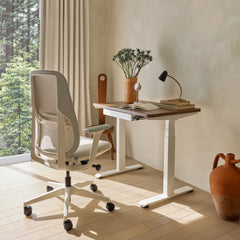
An ergonomic task chair with built in lumbar support like the ergonomic task chair with built-in lumbar support is designed to maintain contact with the lower back as posture changes. This type of support helps reduce fatigue without forcing the body into a single position.
Seat Geometry That Protects Circulation and Alignment
Seat Depth and Thigh Support
Seat depth determines how weight is distributed across the thighs. If a seat is too deep, the front edge presses into the back of the legs. If it is too shallow, the thighs lack support. Proper depth allows students to sit back fully while keeping their feet grounded, promoting stability during long study sessions.
Waterfall Seat Edges and Pressure Reduction
A gently sloped front edge helps reduce pressure behind the knees. This small detail supports circulation and minimizes numbness during extended sitting. It is especially important for students who remain seated through multiple classes or study blocks without frequent breaks.
Backrest Recline That Encourages Micro Movement
Static sitting places continuous load on the spine. Chairs that allow slight recline encourage subtle movement, which helps distribute pressure more evenly. A supportive backrest that reclines modestly allows students to shift posture without disengaging from their work. This balance supports endurance rather than rigid posture control.
Adjustability Features That Support Changing Study Habits
Seat Height That Works With Different Work Surfaces
Students often move between writing by hand, typing on laptops, and using external monitors. Each activity benefits from a slightly different sitting height. Adjustable seat height allows the chair to align properly with various desk surfaces.
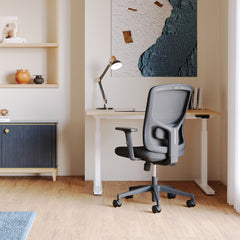
Pairing seating with desk designs intended for work and study setups such as desk designs intended for work and study setups helps create a balanced environment where arms, shoulders, and wrists remain relaxed during long sessions.
Armrest Design That Supports Without Restricting
Armrests can either reduce strain or create it. When they are too high, too wide, or poorly positioned, they interfere with natural movement. Thoughtfully designed armrests provide support during typing and reading while allowing students to move freely when writing or adjusting posture.
Tilt and Tension Controls for Endurance
Tilt tension determines how easily a chair responds to body weight. Proper resistance supports movement without feeling unstable. For students who alternate between focused work and reflective thinking, this feature allows posture changes that reduce muscle fatigue over time.
Material Choices That Influence Comfort Over Long Academic Days
Breathable Mesh Backs for Temperature Regulation
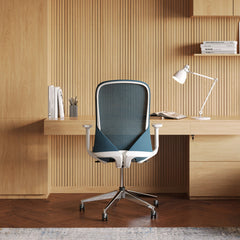
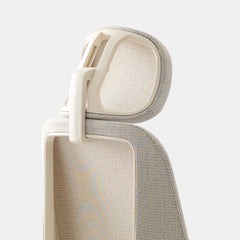
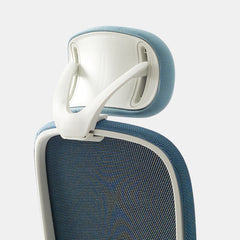
Heat buildup contributes to restlessness and discomfort. Mesh backs promote airflow, helping regulate body temperature during long periods of sitting. A mesh backed ergonomic office chair such as a mesh-backed ergonomic office chair supports breathability without sacrificing structure.
Seat Cushioning That Balances Softness and Support
Cushions that feel soft initially may compress too much over time. Supportive foam with appropriate density maintains shape and comfort throughout the day. This balance helps students stay seated comfortably without encouraging poor posture.
Upholstery That Handles Daily Student Use
Student life is active and unpredictable. Chairs must handle backpacks, movement, and frequent use. Durable upholstery that is easy to maintain supports longevity and keeps the study environment feeling clean and organized.
Stability and Mobility Features That Reduce Daily Strain
Stable Bases That Promote Confidence
A stable chair base reduces the need for constant muscular adjustments. When a chair feels balanced, the body can relax more fully into the seat. Five point bases provide reliable stability for extended use.
Mobility That Matches the Living Space
Casters should suit the surfaces students use most often. Smooth movement across carpet or hard flooring allows repositioning without strain. Mobility supports flexibility in shared or compact spaces where furniture is frequently rearranged.
Matching Chair Design to Different Student Lifestyles
Compact Chairs for Smaller Study Areas
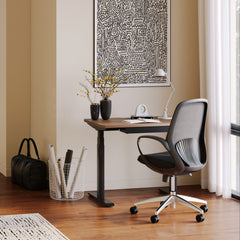
Not all students have room for large task chairs. In tighter spaces, a compact upholstered study chair like a compact upholstered study chair offers a balance between comfort and footprint. Thoughtful proportions allow support without overwhelming the room.
Lightweight Seating for Shared or Occasional Use
Younger students or shared study areas may benefit from simpler seating. A minimalist molded shell chair design such as a minimalist molded-shell chair design works well for shorter sessions, group tables, or multipurpose spaces where flexibility matters.
Full Support Seating for Remote and Hybrid Learning
When a chair becomes the primary seat for lectures, assignments, and exams, full ergonomic support becomes more important. These students benefit most from adjustable features, breathable materials, and stable construction that supports consistent daily use.
Aesthetics and Environment as Part of Study Performance
Visual Simplicity Supports Focus
Cluttered or mismatched furniture can subtly increase mental fatigue. Clean lines, balanced proportions, and cohesive design help create a calm study environment. Students are more likely to maintain their space when the furniture feels intentional.
Design Encourages Better Sitting Habits
When students like how a chair looks and feels, they tend to use it properly. Exploring a selection of modern seating styles such as a selection of modern seating styles allows students to choose chairs that align with both their functional needs and personal preferences.
The Value of Experiencing Seating Before Committing
Comfort Is Personal and Cannot Be Standardized
Body proportions, posture habits, and comfort preferences vary widely. What works for one student may not work for another. Experiencing a chair in person provides clarity that specifications alone cannot offer.
Understanding Build Quality and Support Firsthand
Seeing how a chair moves, supports, and responds under real use builds confidence. Visiting a local showroom for office and study furniture such as a local showroom for office and study furniture allows students and families to make informed decisions based on experience rather than assumptions.
Creating a Study Setup That Supports Academic Endurance
Alignment Between Chair, Desk, and Screen
A supportive chair works best when paired with proper desk height and screen placement. Neutral posture keeps the head balanced over the spine, shoulders relaxed, and feet grounded. Small adjustments in setup can significantly improve comfort over time.
Investing in Comfort That Supports Long Term Learning
A chair that supports daily study does more than provide a place to sit. It becomes part of a routine that supports focus, consistency, and physical wellbeing. Thoughtful seating choices help students stay engaged with their work today while supporting healthier habits for the years ahead.
Related Articles
-
 Our Conference Chairs and Meeting Tables Compared, so You Can Furnish a Huddle Room, a Meeting Room, or a Boardroom for Eight in One Order
-
 This Is How To Build A Small Home Office You Actually Want To Work From, And How To Pick Desks For Small Spaces - Urbanica Furniture's Full Guide
-
 Best Setup for Laptop and 2 Monitors With Less Neck Strain
-
 Round Meeting Table Ideas That Make Team Talks Smoother
-
 What Makes a Chair Comfortable for Studying When You Sit All Day
-
 Are standing desks better for you if you already sit all day


