



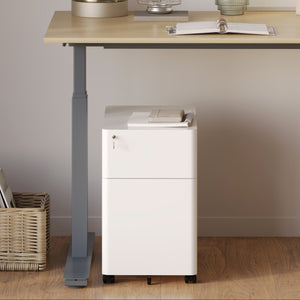






















Filing Cabinet Choices for Cleaner Workstation Planning
Cleaner workstation planning starts with filing storage that matches the desk, document volume, security needs, and daily workflow. Explore how cab...
Learn more
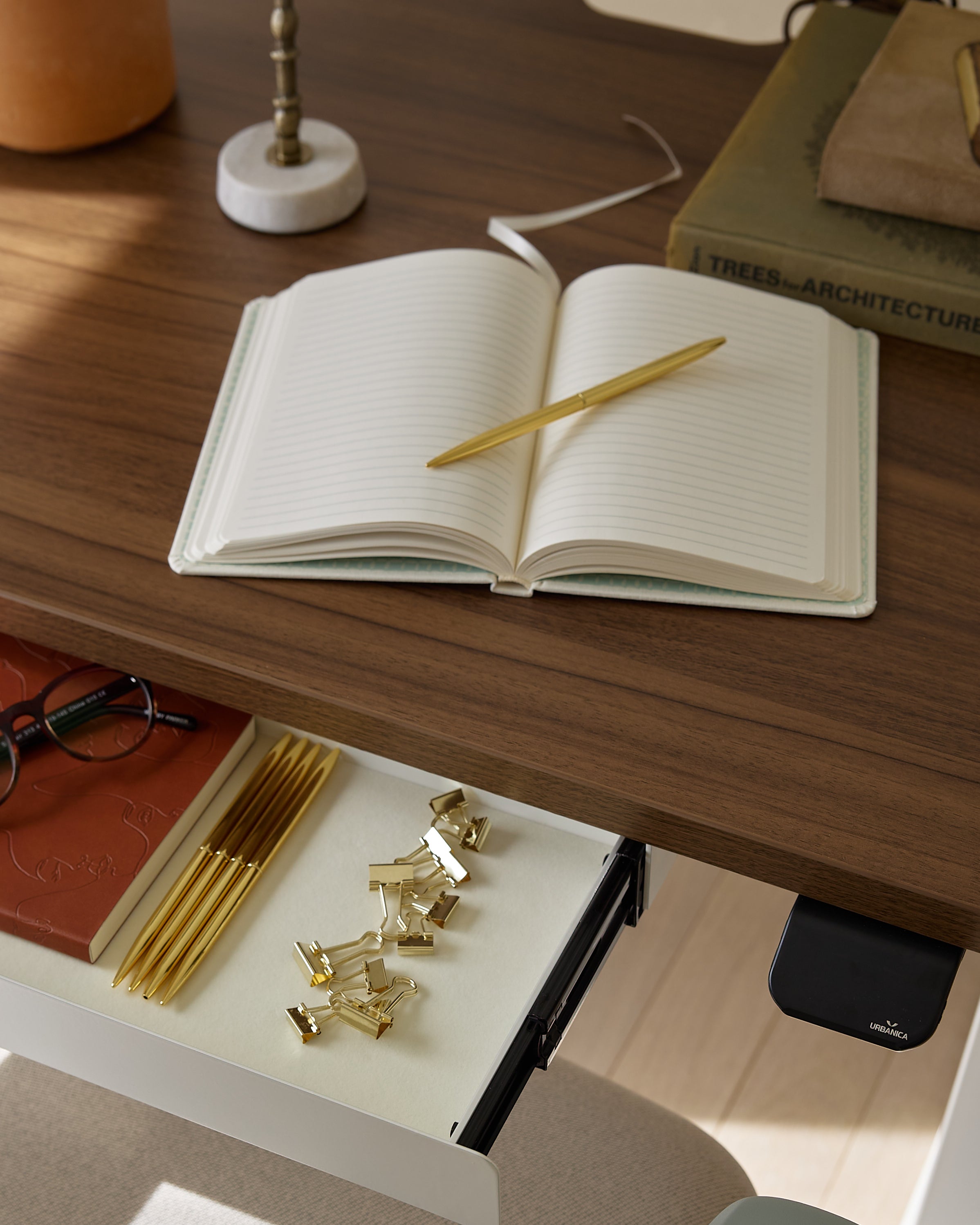
Visit quiz page to see how we makes it easy to create an inspiring workplace


Staying alert during work is not only about caffeine, motivation, or willpower. Much of your energy level depends on how often and how subtly your body moves throughout the day. Long hours of stillness slow circulation, reduce oxygen flow, and signal the body to conserve energy. This is why fatigue often shows up even when work is mentally engaging.
Subtle movement habits can quietly reset your energy without interrupting focus. These movements are not workouts or stretches that pull you away from tasks. They are small, intentional shifts that keep your body engaged and your mind awake while work continues.
The human body is built for motion. Even minimal movement helps maintain blood flow, joint lubrication, and muscle activation. When the body remains still for long periods, circulation slows and muscles disengage. This creates a feedback loop where the brain interprets stillness as a signal to lower alertness.
Fatigue during work is often misattributed to mental exhaustion when it is actually physical stagnation. Sitting without shifting, standing without moving, or locking into one posture for too long tells the nervous system that activity is low priority.
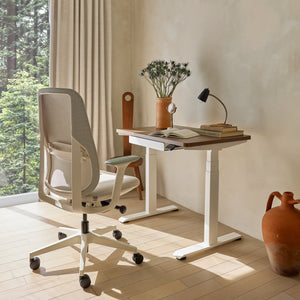
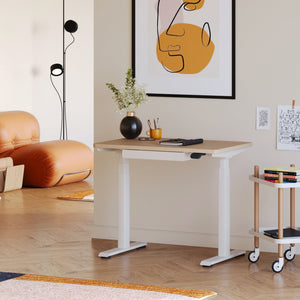
A workspace that allows gentle, frequent movement, such as one centered around a Mini Standing Desk California, supports alertness by encouraging natural posture changes throughout the day. Energy stays more consistent when the body stays subtly active.
Large movement breaks are helpful but difficult to maintain consistently. Micro-movements work because they are easy, frequent, and integrated into work.
Micro-movements are gentle shifts that happen within your existing posture.
Shifting weight from one foot to the other while standing
Rolling shoulders slowly during screen transitions
Light ankle movements while seated
Small posture resets every fifteen minutes
Gentle spine lengthening without leaving the desk
These movements keep muscles engaged without distracting from tasks, making them ideal for long work sessions.
Standing work only supports alertness when movement is involved.
Standing rigidly restricts circulation and increases joint pressure.
Shift weight between legs regularly
Bend knees slightly instead of locking them
Alternate foot positions
Change stance every few minutes
Keep hips relaxed
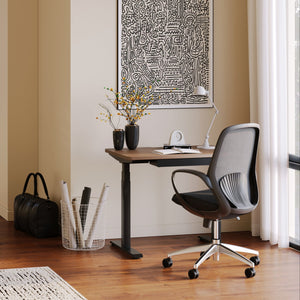
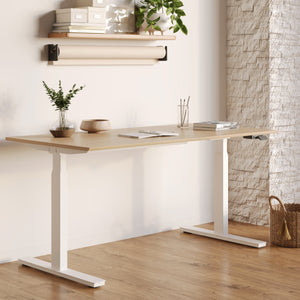
A height-adjustable standing desk allows these posture shifts to happen naturally, making standing work energizing instead of exhausting.
Sitting is not inherently draining. Still sitting is. When sitting posture remains static, muscles disengage and alertness drops. However, sitting with subtle motion keeps the body active.
Small seated movements such as repositioning the pelvis, adjusting foot placement, or gently engaging the core help maintain circulation. These shifts are almost invisible but highly effective.
Sitting becomes restorative rather than draining when the body is allowed to move naturally instead of being held in one position.

Desk design influences how often people shift posture.
If furniture restricts movement, habits are hard to sustain.
Open leg space for repositioning
Adjustable desk height
Clear work surface
Proper screen distance
Comfortable reach zones
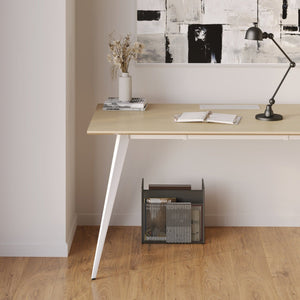
A thoughtfully proportioned office desk makes posture changes feel natural rather than disruptive, supporting energy throughout the day.
Movement increases oxygen delivery to the brain, improves glucose regulation, and activates the nervous system. Even light motion signals alertness and readiness. This is why people often feel more awake after standing briefly or changing position.
Research into the science of office productivity design shows that environments encouraging movement support sustained focus and reduce mental fatigue. Productivity improves not by forcing concentration but by supporting physical engagement.
Subtle movement keeps the brain from slipping into low-energy patterns, maintaining clarity without overstimulation.
|
Energy Issue |
Likely Cause |
Subtle Movement Fix |
|
Afternoon fatigue |
Prolonged stillness |
Weight shifting |
|
Neck stiffness |
Static posture |
Shoulder rolls |
|
Mental fog |
Reduced circulation |
Posture resets |
|
Leg discomfort |
Locked position |
Foot repositioning |
|
Loss of focus |
Sensory monotony |
Micro-movements |
Accessories can remove barriers to natural motion.
Upper-body tension often limits movement.
Adjustable screen positioning
Clear desk surface for easy reach
Flexible arm placement
Seating that allows shifting
Alignment that reduces strain
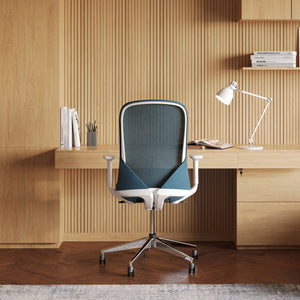
An ergonomic arm allows screens to move with posture changes, while a supportive ergonomic chair enables seated movement without discomfort.
The most effective movement habits are the ones you barely notice. They blend into your workflow and require no reminders. Over time, these habits become automatic responses to fatigue.
People who maintain energy throughout the day rarely rely on motivation alone. Their environments support movement without effort. Furniture, layout, and accessories work together to make subtle motion the default behavior.
Consistency matters more than intensity. Small movements repeated often keep energy stable across long workdays.
Energy is not something you force. It is something you allow.
Shift posture frequently
Avoid locked positions
Alternate sitting and standing
Keep furniture movement-friendly
Listen to early fatigue signals
When movement becomes part of your work rhythm, alertness improves naturally. The body stays awake, the mind stays engaged, and work feels lighter without trying harder.


You have unlocked free shipping!
You're saving $29 and unlocked free shipping!
Leave a comment