























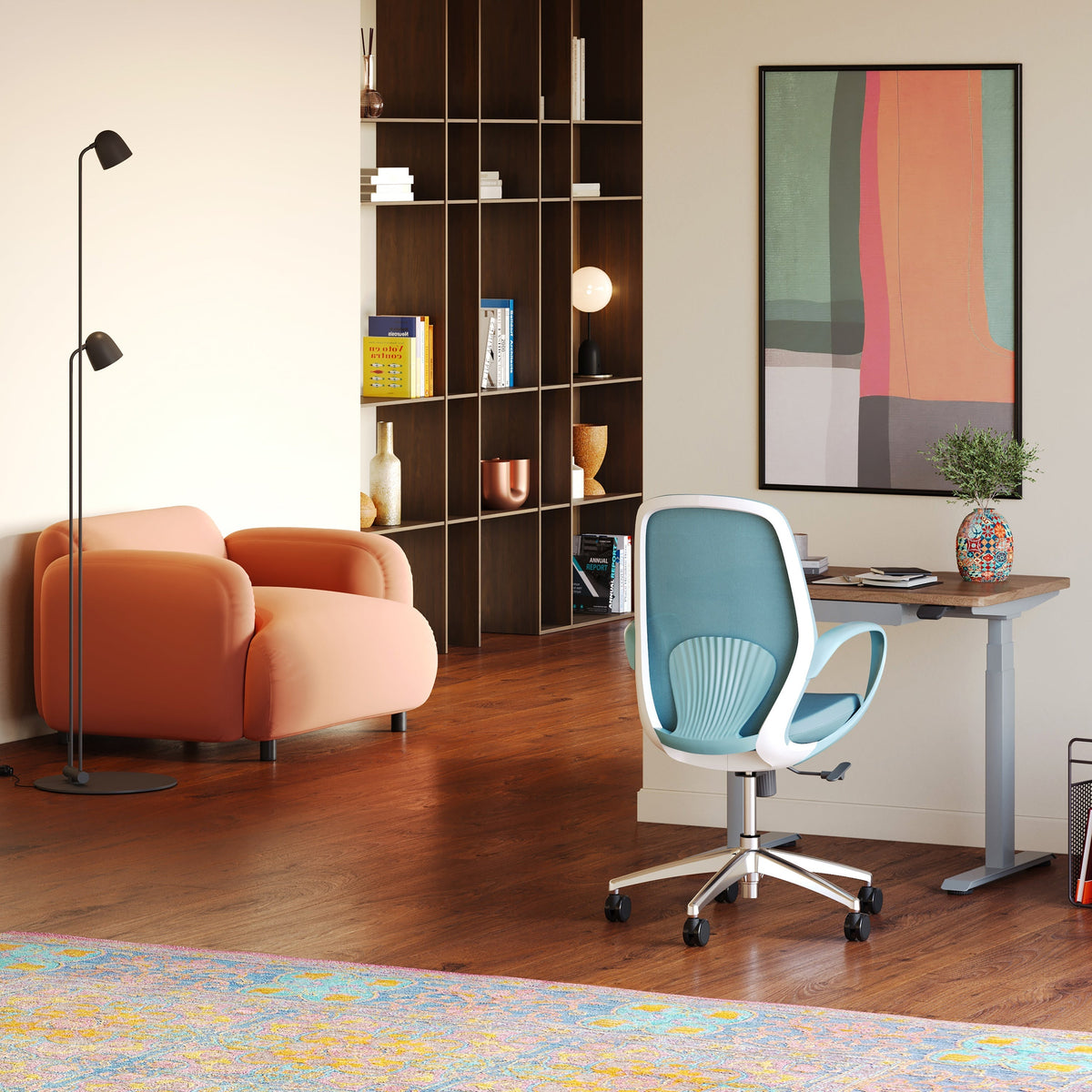
How to Choose a Study Chair for Long Hours

Studying for long hours places quiet but persistent demands on the body. While attention is often placed on study techniques, schedules, or digital tools, seating plays a foundational role in how comfortably and consistently those habits can be maintained. From posture stability to mental endurance, the right study chair becomes part of the daily rhythm rather than a background object.
At Urbanica, the approach to study seating is rooted in realism. A chair does not need to promise transformation or futuristic performance. It needs to support the body honestly, reliably, and comfortably across long stretches of focused work. Choosing the right one requires understanding how the body behaves when seated for hours and how design choices influence that experience.
Why Long Study Sessions Place Unique Demands on Seating
Long study sessions differ significantly from short periods of sitting. The body responds differently when seated for thirty minutes versus several hours, especially when attention is fixed on reading, writing, or screen-based tasks.
The Physical Reality of Prolonged Sitting
When seated for extended periods, small posture issues compound. The lower back absorbs sustained pressure, shoulders gradually tense, and circulation can become restricted if the seat or height is poorly matched. Unlike casual sitting, study sessions require minimal movement, which increases the importance of consistent support.
How Discomfort Interrupts Cognitive Focus
Discomfort rarely announces itself immediately. It builds quietly until posture adjustments become frequent distractions. Each shift pulls attention away from the task at hand. A study chair suited for long hours works in the background, reducing the need for constant correction and allowing focus to remain uninterrupted.
Ergonomics as the Foundation of Long-Hour Study Seating
Ergonomics is often misunderstood as a premium feature rather than a practical necessity. In the context of studying, it simply refers to how well a chair supports the body in a neutral, balanced position over time.
What Ergonomic Design Really Supports
An ergonomic chair supports the spine’s natural alignment, distributes body weight evenly, and accommodates subtle movement. These factors work together to reduce strain rather than eliminate it entirely. No chair removes fatigue, but the right one prevents unnecessary stress.
Seating Designed for Desk-Based Activities
Chairs intended for focused work differ from accent or lounge seating in structure and intent. Collections built around task use prioritize upright posture and stability. Urbanica’s chair collection for work and study spaces reflects this focus, offering seating designed to support prolonged desk use rather than occasional sitting.
Lumbar Support and Maintaining Spinal Alignment
The lower back is often the first area to show signs of fatigue during long study sessions. Supporting it correctly helps maintain comfort and posture consistency.
The Role of Lumbar Support in Long Sitting
The lumbar region naturally curves inward. When unsupported, the pelvis tilts backward and the spine collapses into a rounded position. Over time, this creates tension and discomfort that spreads upward.
Fixed Versus Adaptive Lumbar Structures
Some chairs use fixed lumbar shaping that encourages neutral posture, while others allow the backrest to respond gently to movement. Both approaches can be effective when matched to the user’s body and sitting habits. What matters most is consistent contact that supports the lower back without forcing it.
Seat Height, Depth, and Pressure Distribution
The seat itself carries much of the body’s weight, making its dimensions critical for long-hour comfort.
Finding the Right Seat Height for Study Tasks
Seat height influences how the legs, hips, and arms align with the desk. When adjusted correctly, feet rest flat on the floor, knees bend naturally, and elbows align comfortably with the work surface. This balance reduces pressure on the lower back and promotes steady circulation.
Seat Depth and Edge Design
Seat depth determines how much of the thigh is supported. A seat that is too deep presses into the back of the knees, while one that is too shallow concentrates pressure under the hips. Rounded front edges help reduce compression and allow for longer, more comfortable sitting.
Backrest Design and Recline for Sustained Focus
A backrest does more than support the spine. It influences how the body remains engaged during study.
Upright Support for Concentration
An upright backrest encourages alert posture, especially during reading, writing, or problem-solving tasks. Chairs designed with task-focused back support help maintain attention without encouraging slouching. The Novo ergonomic office chair is an example of seating intended to support this upright, desk-centered posture through long sessions.
Controlled Recline and Micro-Movement
Subtle recline allows for small posture changes that reduce stiffness. The key is balance. Excessive recline encourages relaxation rather than focus, while no flexibility at all can feel rigid. Controlled movement supports endurance without disrupting concentration.
Armrests, Shoulder Position, and Upper-Body Comfort
Upper-body tension often develops silently during study sessions, particularly when arm positioning is overlooked.
Why Arm Support Matters During Studying
When arms are unsupported, shoulders lift slightly to compensate. Over time, this leads to neck and upper-back strain. Proper arm support allows shoulders to remain relaxed while writing or typing.
Adjustability and Desk Alignment
Armrests should complement desk height rather than interfere with it. Adjustable options help align forearms comfortably with the work surface, reducing wrist and shoulder tension during long hours of use.
Material Choices and Their Long-Term Impact
Material selection influences how a chair feels not just initially, but after hours of continuous use.
Breathability and Surface Feel
Mesh materials promote airflow, which can help regulate temperature during extended sitting. Upholstered surfaces provide a softer feel but depend on firmness and structure to maintain support. Molded shells offer consistent shape and are often chosen for their durability and ease of maintenance.
Durability for Daily Study Habits
A study chair used daily should maintain its structure over time. Materials that hold their shape and resist excessive compression contribute to consistent comfort and posture support.
Matching the Chair to the Study Environment
The physical environment shapes how a chair performs within it. Space, layout, and visual balance all play a role.
Seating for Compact or Multi-Use Spaces
In smaller rooms or shared areas, a chair’s visual footprint matters. Lighter forms and streamlined profiles help maintain an open feel without sacrificing usability. The Seashell molded chair fits well in minimal study setups where space and simplicity are priorities.
Chairs for Dedicated Study or Home Office Areas
In dedicated work zones, adjustability and long-term support become more important than compactness. Chairs built specifically for extended desk use, such as the Onyx ergonomic office chair, are designed to accommodate structured study routines and consistent daily use.
Desk and Chair Compatibility for Proper Posture
Even the most supportive chair cannot perform well if paired with an incompatible desk.
The Importance of Desk Height Alignment
Desk height influences elbow angle, wrist comfort, and shoulder position. A well-matched desk allows the chair to support the body without forcing awkward adjustments.
Selecting Complementary Work Surfaces
Exploring options within Urbanica’s desk collection for home workspaces helps ensure proper alignment between seating and surface height, creating a cohesive setup that supports posture throughout long study sessions.
Balancing Visual Design With Functional Needs
A study chair lives in the same space where daily routines unfold. Its appearance influences motivation and consistency more than many people realize.
Design That Supports Focus
Clean lines and thoughtful proportions help reduce visual clutter. A chair that integrates seamlessly into its surroundings contributes to a calmer, more focused environment.
Functional Seating With Contemporary Appeal
Some chairs bridge the gap between design and task use. The Muse office chair reflects this balance, offering a form that suits modern interiors while remaining appropriate for desk-based activities.
Evaluating Comfort Through Experience
Specifications provide useful guidance, but real comfort is ultimately physical.
What Can Only Be Assessed by Sitting
Seat firmness, back support, and overall feel reveal themselves over time. Spending time in a chair highlights how it responds to posture shifts and prolonged use.
Exploring Seating Options in Person
Experiencing furniture firsthand allows for a more confident decision. Urbanica’s office furniture showroom experience offers the opportunity to assess comfort, scale, and material quality in a real-world setting.
Choosing a Study Chair That Supports Long-Term Habits
A study chair is not a short-term purchase. It becomes part of daily routines, supporting consistency and focus over time. The right choice respects the body’s needs without overpromising. It aligns with the study environment, complements the desk, and remains comfortable across long hours of use.
At Urbanica, the goal is to create seating that quietly supports the work people do every day. A well-chosen study chair does exactly that, offering steady comfort so attention stays where it belongs on learning, thinking, and progress.
Related Articles
-
 What Makes a Chair Comfortable for Studying During Exam Weeks
-
 Study Chairs That Balance Comfort and Budget Without Regret
-
 Comfortable Chair to Study for Long Sessions: What Features Matter Most
-
 Office or gaming chair: what matters most for daily comfort
-
 Chairs for standing workstations: simple guide for home offices
-
 How Climate and Flooring Affect Chair Choice


