









Where the Right Desk Design Makes Work Flow

Some workdays feel smooth and focused. Others feel heavy and fragmented. While motivation and task load matter, one of the biggest influences on productivity is your physical environment. When your workspace supports your body, your workflow feels natural. When your setup causes strain, clutter, or constant adjustment, your concentration weakens.
Furniture plays a critical role in shaping this experience. A desk that fits your posture, a chair that maintains alignment, and supportive details that prevent tension all work together to create mental clarity. When your workspace feels right, work flows.
Flow Begins With the Right Foundation
Every productive workspace begins with a stable and properly sized work surface. Your desk determines posture, reach, and organization. If the height is wrong or the surface is cramped, you will spend the day compensating physically.
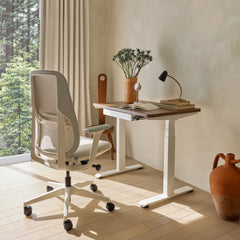
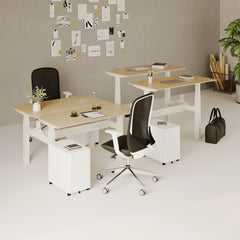
Choosing a well-proportioned Office Desk Los Angeles solution creates a strong foundation. When the main surface aligns with your natural elbow height and offers enough room for essentials, your shoulders relax and your attention settles.
A properly selected desk reduces:
-
Forward leaning
-
Shoulder lifting
-
Constant repositioning
-
Surface clutter
When the foundation feels stable, everything else becomes easier to manage.
Movement Keeps Energy Steady
Static Posture Drains Mental Stamina
Remaining in one position for too long reduces circulation and builds muscle tension. Over time, this tension competes with focus.
Built-In Flexibility Supports Alertness
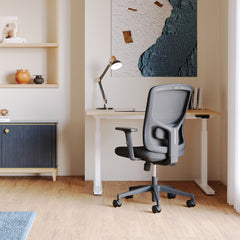
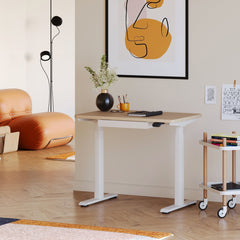
A standing desk allows you to alternate posture throughout the day without interrupting workflow.
Why Movement Improves Productivity
-
Encourages blood flow
-
Reduces stiffness
-
Refreshes concentration
-
Prevents mid-day fatigue
When movement becomes effortless, mental resets happen naturally.
Surface Space Influences Clarity
Visual Order Supports Mental Order
Cluttered surfaces increase cognitive load. Your brain must process everything in view, even when you try to ignore it.
Balanced Workspace, Balanced Thinking
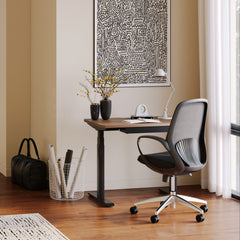
A well-designed office desk offers enough space for devices, notebooks, and daily tools without overwhelming the room.
What Proper Surface Design Achieves
-
Clear primary work zone
-
Defined space for accessories
-
Reduced visual distraction
-
Faster daily reset
According to insights on the science of office productivity design, environmental simplicity improves sustained attention and task performance. Clean surfaces support deeper focus.
Comfort in the Details
Small discomforts quietly disrupt momentum. Unsupported arms, raised shoulders, and slight neck strain build over time.
Adding an ergonomic arm helps maintain relaxed shoulders and natural typing posture. When your upper body feels supported, your brain does not need to monitor discomfort.
Minor physical improvements create major mental benefits.
Seating Shapes Focus Duration
Stability Encourages Mental Endurance
Your chair influences how long you can remain engaged without fatigue.
Posture Support Matters
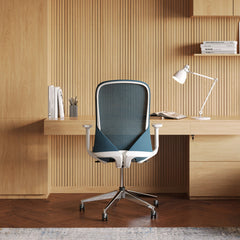
A properly designed ergonomic chair maintains spinal alignment during long sessions.
Signs Your Chair Supports Flow
-
You do not think about discomfort
-
You remain upright without effort
-
Lower back feels supported
-
You fidget less
When seating is supportive, attention remains consistent.
Scale and Layout Influence Stress Levels
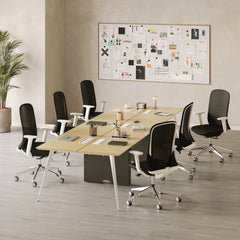
Furniture that overwhelms a space creates visual pressure. Tight walkways and oversized pieces restrict movement, which increases subtle stress.
Proper scale ensures that your workspace feels breathable. Balanced layouts support calmness. Calmness supports focus.
When your environment feels open, your thinking feels open too.
Furniture Impact Comparison Table
|
Furniture Feature |
Physical Benefit |
Mental Benefit |
Long-Term Result |
|
Adjustable height |
Encourages movement |
Maintains alertness |
Less fatigue |
|
Clear surface |
Reduces clutter |
Improves clarity |
Faster decisions |
|
Arm support |
Relieves tension |
Reduces distraction |
Longer focus |
|
Supportive chair |
Protects spine |
Sustains concentration |
Stable productivity |
|
Balanced layout |
Encourages flow |
Lowers stress |
Better work rhythm |
Reducing Friction in Daily Tasks
Friction Interrupts Focus
Every adjustment breaks momentum. Moving devices, shifting posture, or clearing clutter creates small interruptions.
Design That Anticipates Your Habits
Smart furniture aligns with your natural workflow.
Ways to Lower Workspace Friction
-
Keep frequently used tools within reach
-
Maintain consistent desk height
-
Support elbows while typing
-
Ensure chair remains comfortable for hours
Reducing friction allows deeper concentration.
Creating an Environment That Feels Natural
A workspace that feels intuitive reduces mental resistance. You sit down and everything feels aligned. Your tools are positioned logically. Your posture feels balanced.
This consistency builds confidence. Confidence encourages deeper engagement.
Flow becomes a pattern rather than a rare event.
The Checklist for Effortless Productivity
When furniture supports your body, your work rhythm stabilizes.
Flow-Focused Workspace Checklist
-
Does your desk height align with your elbows?
-
Can you alternate posture easily?
-
Is your chair supportive after several hours?
-
Are your arms relaxed while typing?
-
Is your work surface visually calm?
-
Does the layout allow easy movement?
When your workspace feels right, productivity stops feeling forced. It becomes steady, sustainable, and natural.
Lighting and Furniture Work Together
Comfort is not limited to posture. Visual comfort affects mental performance just as strongly. If your desk placement forces glare on your screen or strains your eyes due to poor lighting angles, fatigue builds faster.
Furniture layout influences how light interacts with your space. A desk positioned near natural light can improve alertness and mood. However, placement must prevent screen reflection. Your chair height should align with both desk and light source so your posture stays neutral.
A workspace that considers light alongside furniture design reduces eye strain, prevents headaches, and helps maintain steady concentration throughout the day.
When lighting and furniture placement work together, mental clarity improves without added effort.
Storage Systems Reduce Mental Noise
Clutter is not only about visible mess. It is about decision overload. When items lack a designated place, your brain keeps them in working memory. That ongoing mental tracking consumes energy.
Effective storage reduces this invisible burden.
Smart furniture supports:
-
Easy access to frequently used items
-
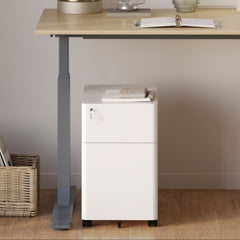
Hidden storage for documents
-
Cable management that keeps surfaces clean
-
Defined zones for different tasks
When your workspace has structure, your mind feels structured. You stop scanning your environment for misplaced tools. That quiet mental shift frees attention for higher-level thinking.
The Emotional Impact of Stability
Furniture stability has psychological weight. A desk that wobbles slightly or a chair that shifts unexpectedly creates subtle tension. You may not consciously notice it, but your nervous system does.
Stability communicates safety. Safety reduces stress signals. Reduced stress increases cognitive flexibility and creative thinking.
When your workspace feels solid:
-
You type with confidence
-
You lean forward without hesitation
-
You move without micro-adjustments
-
You maintain deeper engagement
This is why quality construction matters. Stability allows your brain to trust the environment, and trust allows focus to deepen.
Long-Term Health Shapes Long-Term Performance
Short bursts of productivity are easy to achieve. Sustained productivity over years requires protecting your body.
Poor posture and strain accumulate gradually. Back discomfort, neck tension, and shoulder stiffness do not always appear immediately. They build silently. Over time, they reduce work satisfaction and mental stamina.
Investing in ergonomic alignment today protects:
-
Spinal health
-
Joint comfort
-
Muscle balance
-
Circulation
When your body remains healthy, your mental performance remains reliable. Furniture that supports alignment is not just about today’s workflow. It is about tomorrow’s well-being.
Designing for Habit Formation
A workspace influences behavior. When your furniture setup supports good posture and movement automatically, healthy habits become effortless.
You are more likely to:
-
Alternate between sitting and standing
-
Maintain upright posture
-
Keep your surface organized
-
Begin tasks promptly
Environmental design reduces reliance on willpower. Instead of forcing discipline, your workspace guides you naturally toward productive behaviors.
When furniture aligns with your habits, productivity becomes a default state rather than a daily struggle.
Related Articles
-
 Desk Setup With Laptop and 2 Monitors Needs Better Height
-
 Desk Width Requirements for Dual Monitor Setups That Still Fit Small Rooms
-
 How Deep Should a Desk Be for 2 Monitors to Prevent Neck and Eye Strain
-
 Flexible Living: Why Modular Furniture Is Changing Modern Homes
-
 Computer desk for dual monitors that supports monitor arms without wobble
-
 Best desk for dual monitors when you need a clean cable free workspace


