



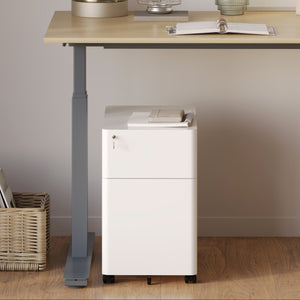






















Filing Cabinet Choices for Cleaner Workstation Planning
Cleaner workstation planning starts with filing storage that matches the desk, document volume, security needs, and daily workflow. Explore how cab...
Learn more
Visit quiz page to see how we makes it easy to create an inspiring workplace


Technology shapes nearly every part of modern life. We attend meetings through screens, collaborate in digital workspaces, manage projects online, and unwind with streaming services. As our dependence on devices grows, so does the need for furniture that supports them.
Smart furniture is no longer about futuristic gadgets. It is about thoughtful design that integrates technology seamlessly into daily routines. From adjustable desks to ergonomic seating, the right pieces enhance productivity, comfort, and organization. In a tech-driven world, your workspace must keep up.
Not everyone has a large dedicated office. Many professionals work from apartments, shared spaces, or flexible home environments. That is why compact, adaptable solutions are trending.
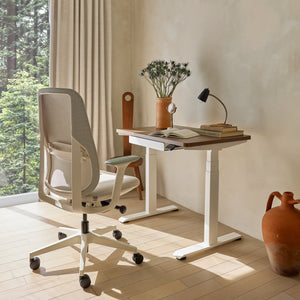
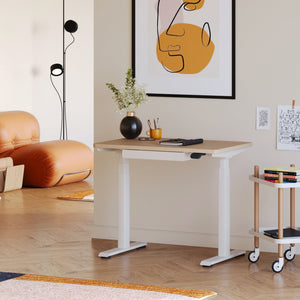
A thoughtfully designed Mini Standing Desk California supports screen-based work without overwhelming smaller rooms. Its adjustable functionality aligns with digital workflows that require flexibility.
Smart compact furniture supports:
Video meetings
Dual-device setups
Hybrid work routines
Organized cable management
Technology demands efficient use of space. Furniture must respond accordingly.
Long hours in front of screens can strain the body. Alternating positions reduces fatigue.
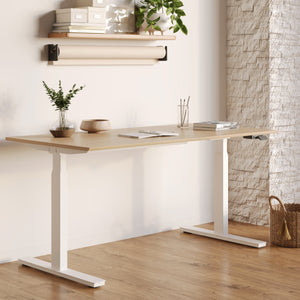
A reliable standing desk allows smooth transitions between sitting and standing.
Reduces lower back strain
Improves circulation
Boosts energy levels
Encourages posture awareness
Stable lifting mechanisms
Smooth height adjustments
Durable frame construction
Clean surface for devices
Movement-focused furniture reflects a lifestyle centered around screens and long working hours.
Modern professionals often use laptops, tablets, monitors, and charging accessories simultaneously.
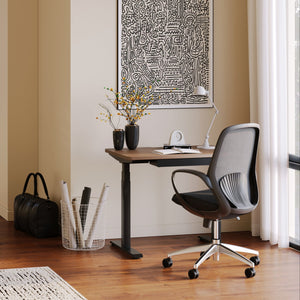
A well-constructed office desk provides the foundation for digital organization.
Spacious surface
Scratch-resistant finish
Balanced proportions
Cable-friendly design
Reduces visual clutter
Improves focus
Supports productivity
Simplifies workflow
In tech-driven lifestyles, desk space is digital real estate.
Research like this workspace productivity study highlights how environment impacts performance. Clean layouts and ergonomic alignment enhance focus and reduce stress.
Smart furniture integrates design science into everyday routines. When your desk height, chair alignment, and monitor positioning are optimized, technology becomes a tool rather than a strain.
Performance is influenced not just by devices, but by the environment supporting them.
Chairs must support extended hours at a desk.
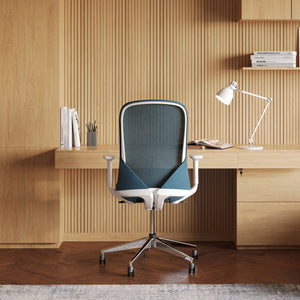
A supportive ergonomic chair adapts to your body during long sessions.
Lumbar adjustment
Breathable materials
Height customization
Stable base
Reduced posture strain
Improved comfort
Greater concentration
Sustainable productivity
Tech-driven lifestyles require seating that keeps up with screen time.
Monitor positioning plays a critical role in ergonomic health. An adjustable ergonomic arm lifts screens to eye level and frees desk space.
Elevated monitors create:
Improved viewing angles
Reduced neck tension
More surface area for writing
Cleaner cable organization
Smart furniture does not just hold technology. It enhances how you interact with it.
|
Feature |
Traditional Furniture |
Smart Furniture |
|
Desk Height |
Fixed |
Adjustable |
|
Monitor Placement |
Surface-based |
Elevated |
|
Seating |
Basic |
Ergonomic |
|
Cable Management |
Visible clutter |
Integrated |
|
Layout Flexibility |
Limited |
Adaptive |
The shift toward smart furniture reflects the demands of digital living.
As devices multiply, furniture must adapt.
Add monitor mounts for dual screens
Keep charging zones accessible
Maintain clear writing space
Avoid overcrowding surfaces
Seamless upgrades
Reduced strain
Organized workflow
Improved collaboration
Furniture trends now anticipate technological growth rather than react to it.
Despite increased device usage, modern spaces favor minimal visual noise. Clean lines and balanced layouts prevent technology from overwhelming the room.
Smart furniture combines:
Structured silhouettes
Neutral finishes
Efficient cable routing
Stable construction
The result is a space that feels calm even in a tech-heavy environment.
In tech-driven homes, cables multiply quickly. Laptops, monitors, chargers, routers, and accessories can easily create visual chaos. Smart furniture trends now treat cable management as a core design feature rather than an afterthought.
Visible wires interrupt clean design and reduce focus.
Cleaner desk surfaces
Reduced distraction
Lower risk of accidental unplugging
Easier cleaning and maintenance
Route wires behind desk frames
Use monitor arms with integrated channels
Keep charging zones centralized
Avoid overloading power strips
When cables are managed properly, your workspace feels streamlined and intentional.
Digital lifestyles demand lighting that supports both productivity and eye comfort. Harsh overhead lights or poorly positioned lamps can create glare on screens and cause fatigue.
Position desks thoughtfully to maximize natural light without introducing reflection.
Place desks perpendicular to windows
Use adjustable task lighting
Maintain neutral white light during work hours
Avoid shadows on keyboards and screens
Reduce brightness gradually
Shift to warmer tones after sunset
Keep lighting layered and adjustable
Avoid direct glare on monitors
Lighting that complements technology enhances focus and reduces strain.
Technology evolves quickly. Furniture must be ready to adapt to new devices, additional monitors, and changing workflows.
Smart furniture anticipates expansion rather than limiting it.
Adjustable monitor mounting capacity
Expandable desk surfaces
Durable lifting systems
Reinforced frames
Prevents frequent replacements
Reduces long-term costs
Maintains consistent setup
Supports evolving career demands
Future-ready furniture ensures your workspace keeps pace with innovation rather than falling behind it.
Technology evolves quickly. Your furniture should support that evolution.
Use this checklist when choosing smart furniture:
Is the desk height adjustable?
Does the chair provide ergonomic support?
Can monitors be elevated?
Is cable management integrated?
Does the layout support multiple devices?
Is the frame durable?
Does it fit compact spaces?
Is the design streamlined?
Can it adapt to new tech?
Does it support long-term comfort?
Smart furniture aligns with tech-driven lifestyles by blending adaptability, comfort, and clean design. When your environment supports your devices, productivity becomes more natural and sustainable.


You have unlocked free shipping!
You're saving $29 and unlocked free shipping!
Leave a comment