




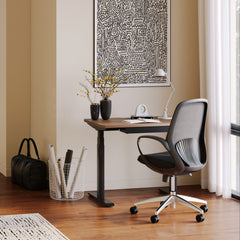
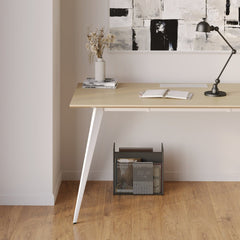
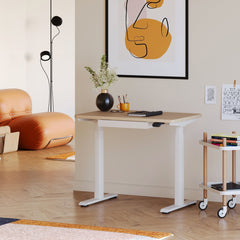

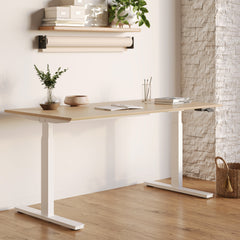

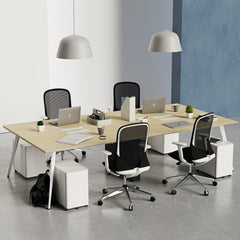
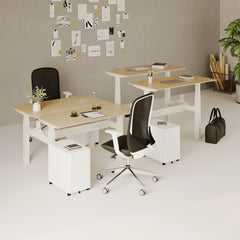
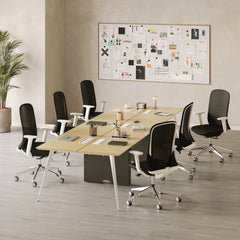


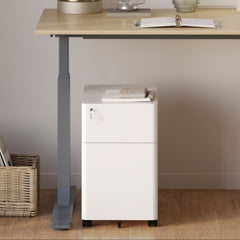


Filing Cabinet Choices for Cleaner Workstation Planning
Cleaner workstation planning starts with filing storage that matches the desk, document volume, security needs, and daily workflow. Explore how cab...
Learn more
Visit quiz page to see how we makes it easy to create an inspiring workplace


Motivation is often treated as a mindset issue. We are told to wake up earlier, push harder, and stay disciplined. But what if your environment plays a bigger role than your willpower? The furniture around you shapes how you sit, move, focus, and even think. A workspace that supports your body and brain can quietly increase energy, clarity, and drive. When your setup works with you instead of against you, motivation becomes easier to maintain.
Research in interior psychology shows that layout, structure, and physical surroundings directly influence attention and emotional state. Clean, intentional spaces reduce mental clutter. Poorly arranged environments increase cognitive strain.
Furniture acts as a behavioral cue. A stable desk encourages structure. An organized setup signals readiness. When your environment supports focus, motivation becomes more sustainable.
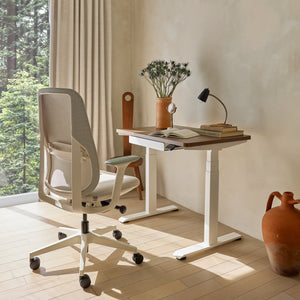
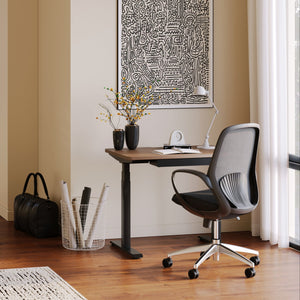
The desk is the physical foundation of productivity.
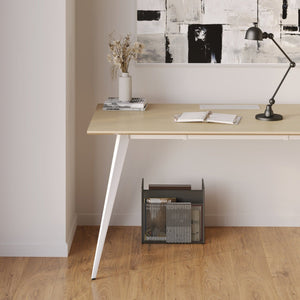
A sturdy work surface reduces distraction caused by physical discomfort.
Balanced proportions
Enough depth for screen distance
Solid construction
Clean lines
A well-built office desk provides structure that supports both posture and workflow.
Staying in one position too long drains energy.
Alternating positions prevents stiffness.
Reduces fatigue
Improves circulation
Encourages micro-movement
Keeps energy levels steady
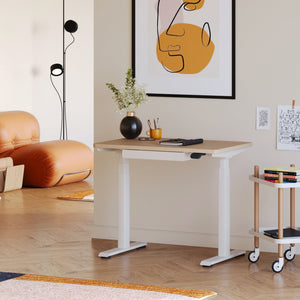
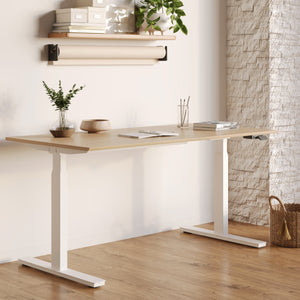
A quality standing desk allows smooth transitions without disrupting concentration.
Physical alignment influences how you feel. When you sit upright with proper support, breathing improves and mental clarity increases. Poor posture often leads to sluggish thinking and low energy.
Furniture should reinforce strong alignment rather than encourage collapse.
Unsupported arms create strain that slowly drains focus.
Shoulders rise when arms lack support.
Less upper body tension
Improved typing comfort
Reduced fatigue
Better sustained attention
An ergonomic arm helps maintain neutral positioning and prevents unnecessary muscle strain.
Your chair affects endurance more than you realize. When your spine is supported, your brain can focus without interruption.
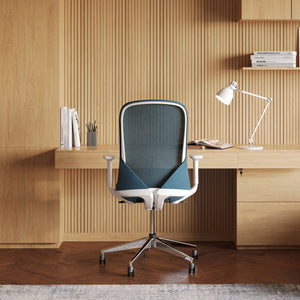
A supportive office chair encourages upright posture and reduces discomfort during extended work sessions.
Motivation becomes easier when physical strain is removed.
|
Furniture Element |
Psychological Effect |
Work Impact |
|
Stable desk |
Structure |
Improved clarity |
|
Adjustable height |
Flexibility |
Sustained energy |
|
Supportive chair |
Comfort |
Longer focus |
|
Arm support |
Reduced strain |
Better precision |
|
Organized layout |
Mental calm |
Fewer distractions |
A professional workspace reinforces productive behavior.
Separating work from relaxation strengthens mental boundaries.
Keep surfaces clean
Limit visible clutter
Choose neutral finishes
Maintain balanced layout
If you are upgrading your setup, options like Office Desk Los Angeles offer structured solutions that support long-term productivity.
Clutter forces the brain to process unnecessary information. Clean layouts conserve mental energy. When furniture placement feels balanced, attention becomes easier to maintain.
Motivation grows in environments that reduce friction.
Motivation improves when your furniture supports both body and focus.
Use this checklist:
Does your desk feel stable?
Can you change positions easily?
Is your chair supporting upright posture?
Are your arms properly aligned?
Is your space visually organized?
When furniture works with your natural habits, productivity feels consistent rather than forced.
Motivation is not only emotional. It is environmental. When your furniture layout feels balanced and intentional, your brain interprets the space as “ready for action.” Visual order reduces hesitation. It removes friction before you even begin working.
Cluttered surfaces create micro-distractions. Your eyes scan piles of paper, uneven stacks, tangled cables. Each small distraction costs mental energy. Over time, that energy loss turns into procrastination.
A well-arranged workspace does the opposite. It sends subtle signals of clarity and readiness.
Clear desk surface with defined zones
Symmetrical or balanced layout
Storage within reach but out of sight
Minimal decorative distractions
Consistent material finishes
When your space feels structured, your motivation feels structured too.
Furniture does more than support posture. It reinforces routines. Behavioral psychology shows that environment shapes habit loops. When your workspace remains consistent and supportive, it becomes easier to start tasks automatically.
Your desk becomes associated with focus. Your chair signals work mode. Your layout becomes a physical cue for productivity.
A consistent environment reduces decision-making.
When furniture stays organized and properly aligned, your brain spends less time adjusting.
Dedicated work-only surfaces
Defined sitting or standing zones
Clear separation between work and leisure areas
Stable ergonomic setup that does not require daily rearranging
The more friction you remove from starting, the easier it becomes to maintain momentum throughout the day.
Comfort does not mean laziness. In fact, discomfort is one of the biggest productivity killers. When the body is tense, the brain diverts energy to managing physical strain instead of focusing on tasks.
Cognitive performance improves when the body feels supported.
Shifting constantly in your seat
Tight shoulders after short sessions
Leaning forward to compensate for poor support
Frequent neck stretching
Shortened attention span
Neutral spine without effort
Relaxed shoulders
Natural hand positioning
Even breathing
Sustained concentration
Comfort, when engineered properly, strengthens discipline rather than weakening it.
Motivation is rarely constant. It rises and falls throughout the day. A workspace that adapts to these shifts supports natural energy cycles instead of fighting them.
Morning focus may benefit from upright posture and bright positioning. Midday fatigue might call for movement or posture changes. Late-day tasks may require comfort and stability.
Your workspace should evolve with you.
Adjustable height surfaces
Easy transition between sitting and standing
Accessible storage
Flexible accessory placement
Reduces burnout
Encourages posture changes
Prevents stiffness
Sustains engagement
Furniture that adapts to your rhythm helps maintain motivation without relying on willpower alone.
Short-term motivation spikes from novelty. Long-term motivation grows from reliability. High-quality furniture removes recurring discomfort, repair issues, and instability that quietly drain energy.
When your desk wobbles or your chair squeaks, frustration builds. When your setup feels solid and dependable, it creates a subtle sense of control and professionalism.
Fewer interruptions
Reduced physical strain over time
Stronger posture habits
Improved workspace consistency
Greater professional confidence
Motivation thrives in environments that feel stable, intentional, and built to last.


You have unlocked free shipping!
You're saving $29 and unlocked free shipping!
Leave a comment