



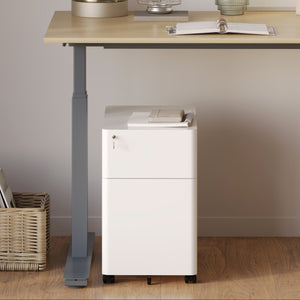






















Filing Cabinet Choices for Cleaner Workstation Planning
Cleaner workstation planning starts with filing storage that matches the desk, document volume, security needs, and daily workflow. Explore how cab...
Learn more
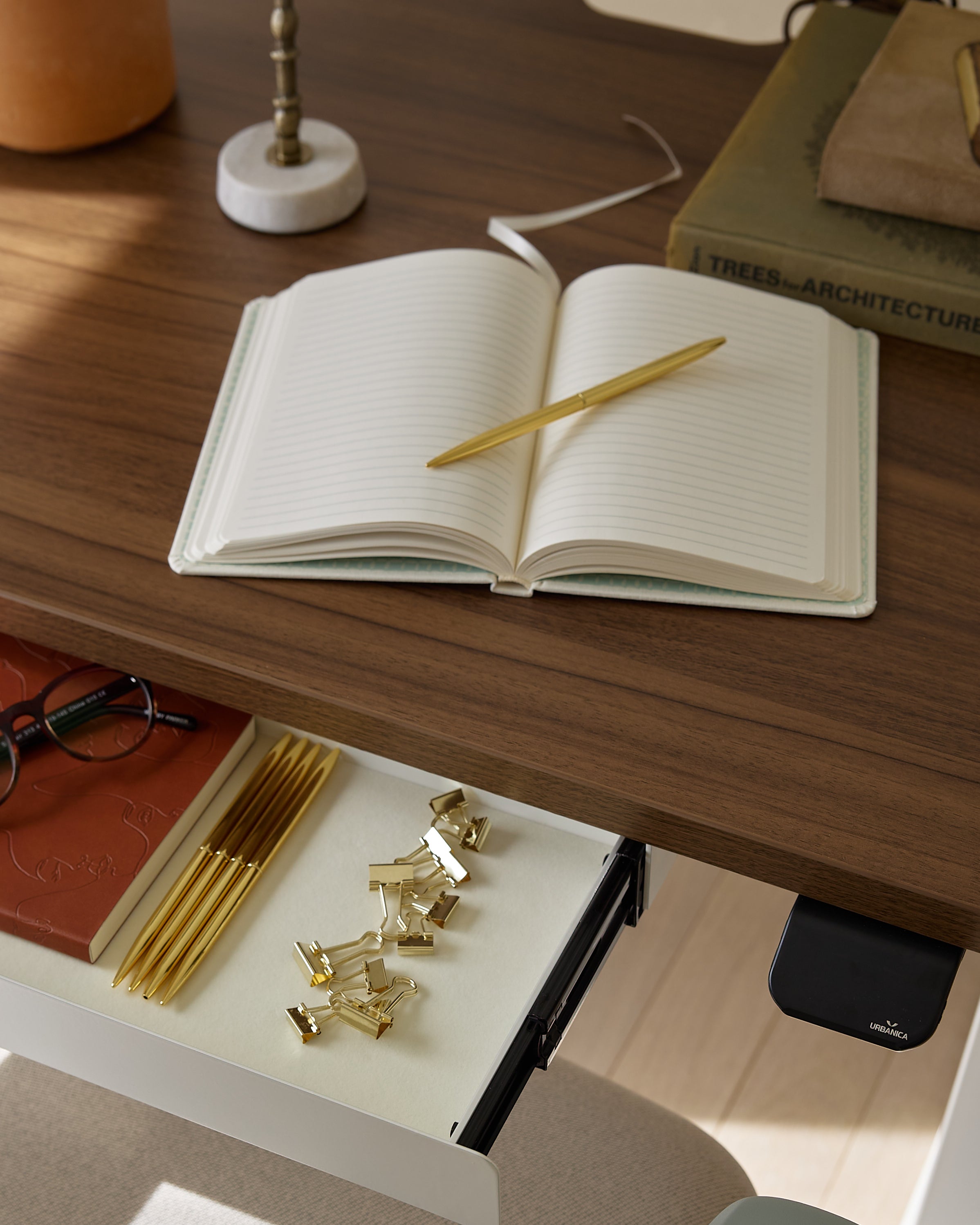
Visit quiz page to see how we makes it easy to create an inspiring workplace


Designing a home office is about more than placing a desk and chair in a room. It is about understanding your personal style and creating a space that feels both functional and expressive. Modern furniture brings clean lines and simplicity, while traditional pieces offer character, craftsmanship, and warmth. Finding a balance between the two allows you to build a workspace that feels intentional, grounded, and enjoyable to use. This guide explores how to match your home office furniture to your decor style without sacrificing comfort or personality.
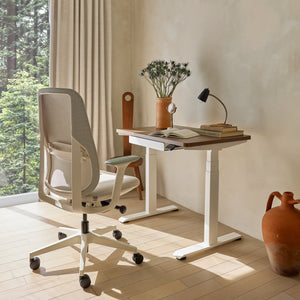
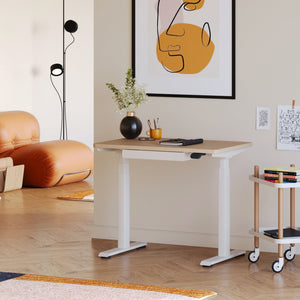
When building a home office, it helps to begin with a single anchor piece that sets the tone. A practical addition such as a Mini Standing Desk Los Angeles option offers both flexibility and clean design, making it a seamless starting point for any decor direction.
Sets visual direction
Defines workspace flow
Provides essential function
Helps determine material choices
Influences accessory style
Choose an anchor piece that complements both modern and traditional elements so your space remains adaptable.
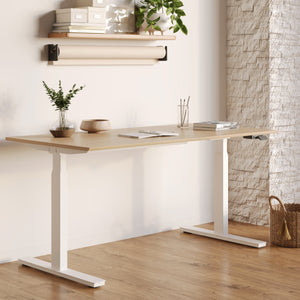
Modern design often focuses on simple forms and efficient function. Adjustable pieces such as a standing desk embody the modern mindset by prioritizing comfort and balanced posture.
Smooth transitions between tasks
Encourages comfortable movement
Complements minimal layouts
Reduces clutter in the workflow
Keeps your setup visually balanced
Pair height-adjustable pieces with warm textures to maintain balance between utility and character.
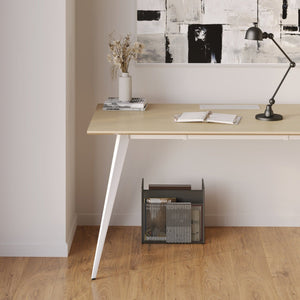
Traditional office pieces create a sense of grounding and permanence. A solid, dependable office desk adds structure, weight, and a timeless touch that complements both modern and classic interiors.
Provide lasting stability
Add visual warmth
Support heavier accessories
Enhance room structure
Anchor contemporary elements
Place traditional pieces against a clean background to avoid overwhelming your space.
A helpful design and productivity study highlights how both structure and simplicity contribute to a healthier work environment.
Clean surfaces reduce cognitive overload
Warm materials support emotional comfort
Neutral tones improve focus
Balanced layouts reduce stress
Structured elements enhance productivity
Blend modern simplicity with traditional warmth to achieve optimal comfort and clarity.
Not every piece in your office has to match stylistically. A functional tool such as an Ergonomic Arm provides comfort and ease while blending effortlessly with any decor.
Reduce physical strain
Improve posture
Add modern functionality
Support daily workflows
Maintain neutral visual presence
Position ergonomic accessories where they align naturally with your movement to maintain comfort.
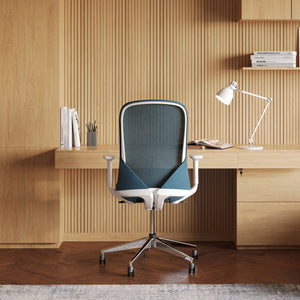
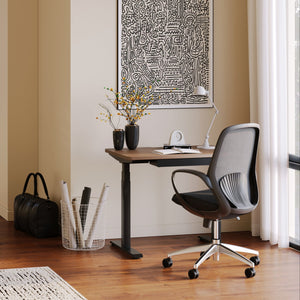
Seating is one of the easiest ways to connect modern and traditional elements. A supportive office chair can soften a traditional layout or add structure to a modern one.
Clean yet warm materials
Supportive shape
Neutral or natural tones
Soft, balanced cushioning
Simple silhouette
Choose a seat that feels timeless rather than tied to a single design trend.

Modern decor often features simplicity, open space, and functional efficiency.
Straight lines
Neutral color palette
Minimal ornamentation
Integrated technology
Lightweight materials
It reduces visual noise and helps direct your attention toward important tasks.
Traditional decor incorporates deep tones, textured materials, and detailed craftsmanship.
Wood accents
Curved silhouettes
Decorative features
Warm color palettes
Solid construction
They bring comfort, history, and personality to a workspace.
|
Style |
Key Features |
Best Benefits |
Ambience |
|
Modern |
Clean lines, minimalism, neutral tones |
Enhances focus, reduces clutter |
Calm, open, progressive |
|
Traditional |
Wood textures, warm tones, curves |
Adds character, comfort, depth |
Rich, grounded, inviting |
|
Blended |
Mixed materials, balanced silhouettes |
Offers flexibility and personality |
Harmonious and tailored |
Materials play a large role in blending decor styles.
Pair a modern desk with a warm wood storage piece
Mix metal fixtures with soft fabrics
Balance smooth surfaces with textured accents
Add matte finishes to break up glossy elements
Use warm woods to soften minimalist designs
Divide the room visually into subtle sections so the styles complement each other.
Neutral colors create a flexible backdrop for mixing eras.
Use soft whites or warm grays
Add muted earth tones
Introduce small amounts of dark accents
Keep contrast controlled
Let textures add personality
Build your palette around one grounding tone to maintain unity.
Choose a flexible anchor piece
Keep color palettes neutral
Mix textures intentionally
Add warm natural materials
Include supportive ergonomic tools
Avoid competing patterns
Use lighting that complements both styles
Prioritize comfort and clarity
Balance vertical and horizontal lines
Keep surfaces organized
Lighting acts as a bridge between modern simplicity and traditional warmth.
Use warm bulbs
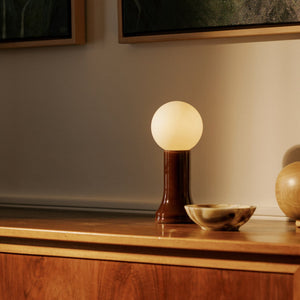
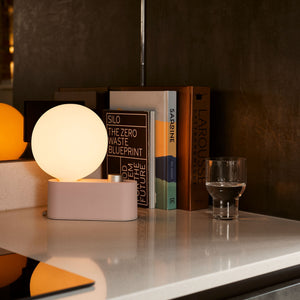
Add a sleek desk lamp
Incorporate soft wall lights
Avoid harsh overhead lighting
Use consistent color temperature
Blend modern fixtures with warm-toned bulbs to unify the room visually.
Accents bring your style to life without overwhelming the space.
A single framed artwork
A warm-toned desk mat
A wooden accessory
A structured vase
A soft throw pillow
Each accent should add purpose or visual balance, not clutter.
Symmetry creates stability, which helps different styles coexist more naturally.
Center your desk
Align your chair
Balance objects on the left and right
Keep similar spacing between pieces
Use matching lighting or paired decor
Place your focal point in the center of the room to anchor the design.

Modern and traditional furniture do not need to compete. When blended thoughtfully, they create a home office that feels grounded, expressive, and supportive. Clean lines add clarity, while rich textures bring comfort. Functional elements balance aesthetics, and ergonomic tools elevate everyday experiences. By mixing these styles with intention, you build a workspace that reflects who you are and how you work, creating a design that evolves gracefully over time.


You have unlocked free shipping!
You're saving $29 and unlocked free shipping!
Leave a comment