



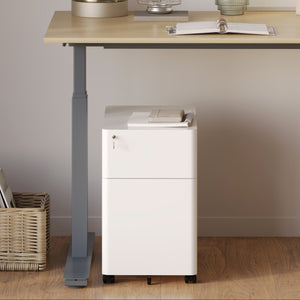






















Filing Cabinet Choices for Cleaner Workstation Planning
Cleaner workstation planning starts with filing storage that matches the desk, document volume, security needs, and daily workflow. Explore how cab...
Learn more
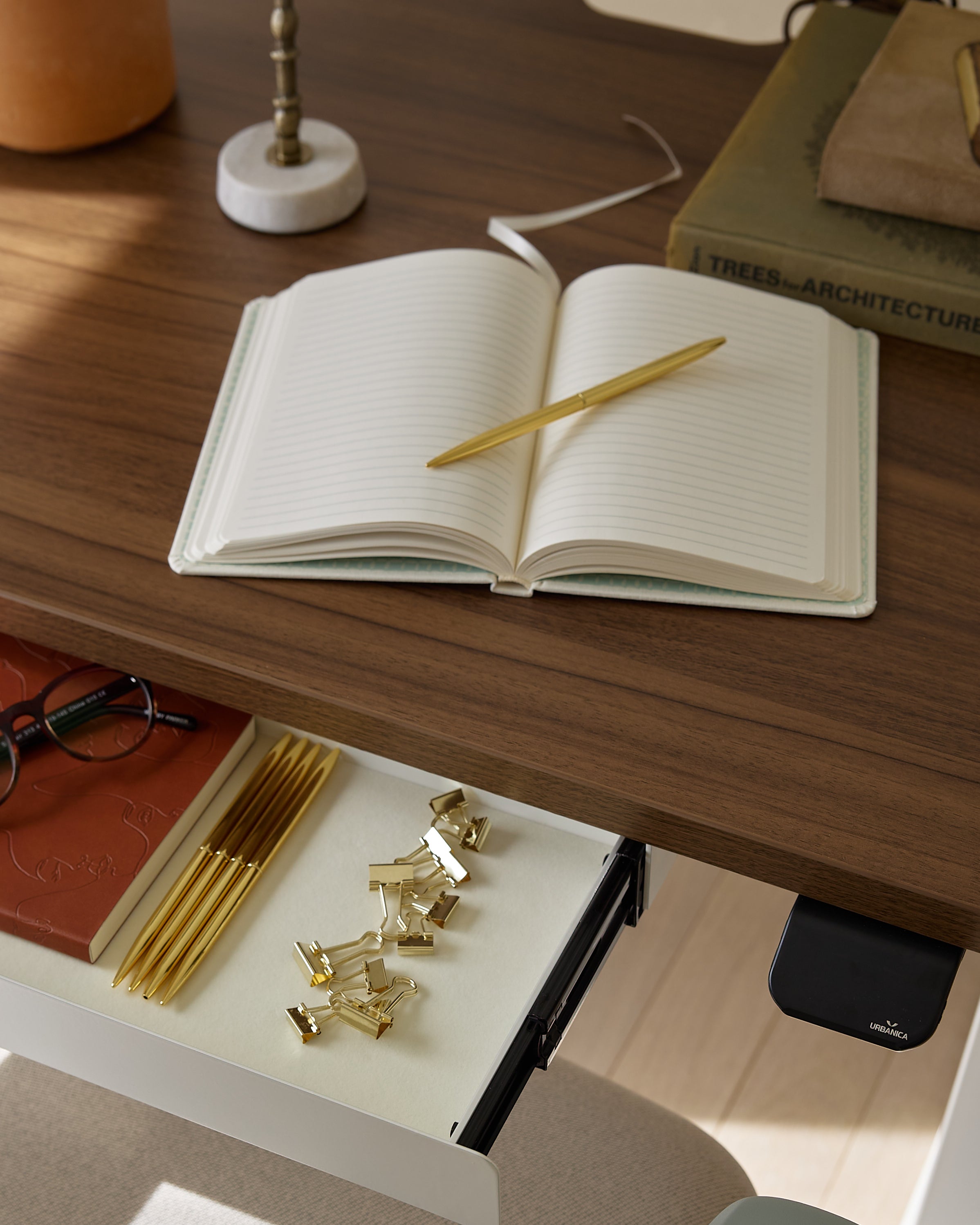
Visit quiz page to see how we makes it easy to create an inspiring workplace


A productive workspace is more than a room where you sit and work. It is an environment that shapes your habits, your mood, and the rhythm of your day. When your surroundings are cluttered, uncomfortable, or poorly arranged, stress quietly increases. But with thoughtful design, supportive furniture, and intentional layout choices, your workspace becomes a place that nurtures both productivity and calm. This guide explains how to design an office that helps you stay focused, reduces stress factors, and supports consistent well-being through simple, practical changes.
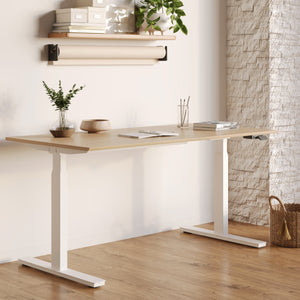
Every productive workspace needs a stable, functional anchor. Selecting the right pieces helps ground your environment and creates a natural starting point for your layout. A supportive surface such as an Office Table Los Angeles selection brings both structure and balance to the heart of your workspace.
Creates a dependable layout
Supports everyday tools
Enhances visual structure
Reduces physical tension
Encourages smoother workflow
Choose a table or desk with ample space and a neutral finish so the rest of your office can be styled around it with ease.
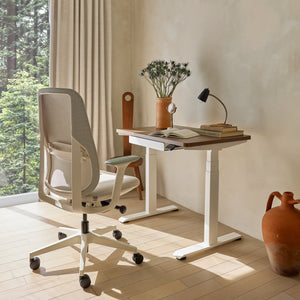
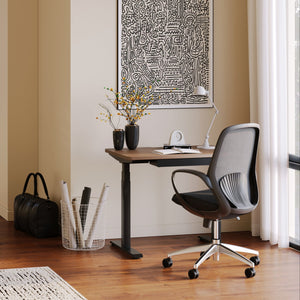
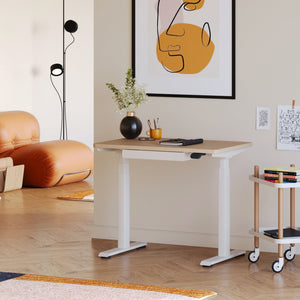
Movement supports both mental clarity and physical well-being. Incorporating flexible pieces such as a height-adjustable standing desk helps create a dynamic environment that encourages smooth transitions throughout the day.
Prevents stiffness
Improves circulation
Reduces body fatigue
Refreshes mental focus
Encourages natural posture
Shift between standing and sitting periodically to help your body reset and maintain comfort.
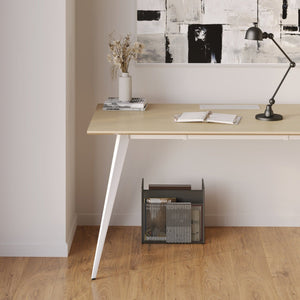
Stability is key for reducing stress and improving workflow. A reliable surface such as an office desk creates structure in your workspace and helps your environment feel grounded.
Prevents wobbling distractions
Keeps work items secure
Supports multiple devices
Establishes visual consistency
Enhances long-term comfort
Keep your work surface clear with intentional storage to reduce visual noise.
A useful productivity study highlights how ergonomics, organization, and design work together to influence performance and well-being.
Clutter increases cognitive strain
Posture affects mental clarity
Lighting influences mood regulation
Balanced layouts reduce stress
Functional design supports focus
Align your furniture to support comfort, good posture, and clarity throughout the day.
Ergonomic tools can significantly reduce stress factors related to muscle strain and repetitive motion. A supportive item such as an Ergonomic Arm helps your upper body stay relaxed even during busy hours.
Reduces shoulder tension
Minimizes wrist discomfort
Enhances typing comfort
Supports joint alignment
Keeps arms at a natural position
Position your arm support where your arms naturally rest to encourage ongoing relaxation.
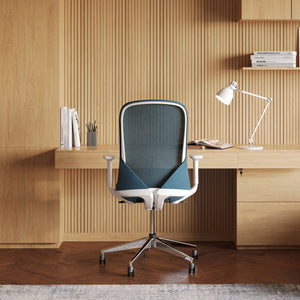
Your chair has one of the biggest impacts on your mood and productivity. A supportive seating choice like an office chair helps maintain comfort through long hours.
Lumbar support
Balanced cushioning
Height adjustability
Smooth mobility
Aligned seat depth
Sit with your hips slightly above your knees to maintain gentle spinal alignment.
Some workspaces require shared surfaces or collaborative zones. A structured layout like a workstation desk table creates boundaries while supporting productive teamwork.
Keeps shared tasks organized
Separates individual zones
Minimizes interruptions
Supports group-focused work
Maintains clean boundaries
Place shared stations in an area with steady lighting and space to move around comfortably.
The way furniture is arranged affects how your mind processes information. A balanced layout promotes calm and improves your focus.
Keep walkways open
Align seating with desk placement
Position lighting evenly
Reduce clutter zones
Keep tools within reach
Place your main seating and desk in a way that supports a clear line of sight; this reduces unnecessary visual stress.

Lighting influences mood, energy, and attention. A well-lit workspace reduces mental strain.
Use soft, warm bulbs
Add a small task lamp
Let natural light in
Avoid harsh overhead lighting
Use consistent tones
Light your space in layers to create depth and reduce eye strain.
Colors and textures affect stress levels more than many people realize. Subtle visual choices help the space feel grounding rather than overwhelming.
Soft-colored accessories
Light wood surfaces
Smooth fabrics
Muted tones
Minimal patterns
Use two gentle textures for every strong visual element to maintain balance.
|
Element |
Benefit |
Influence |
|
Height adjustability |
Encourages movement |
Reduces fatigue |
|
Supportive seating |
Protects posture |
Lowers tension |
|
Clear surfaces |
Reduces clutter |
Improves clarity |
|
Soft lighting |
Enhances mood |
Reduces eye strain |
|
Organized zones |
Promotes flow |
Supports focus |
Productivity increases when the items you use most often are placed within an easy range.
Store rarely used items farther away
Keep cables organized
Use trays for small items
Limit decor to meaningful pieces
Maintain open desk space
Everything in your office should have a home.
Supportive workstation anchor
Stable desk surface
Adjustable seating
Height-adjustable elements
Arm support
Balanced lighting
Neutral color palette
Minimal clutter
Open pathways
Organized storage solutions
Staying still for too long increases stress, stiffness, and mental fatigue.
Rotate your shoulders
Stretch your wrists
Shift your weight
Stand briefly
Change your seating angle
Small adjustments throughout the day promote comfort and clarity.

Your workspace plays a quiet yet powerful role in how you feel each day. With thoughtful design choices, supportive furniture, and intentional layouts, your office becomes a place that promotes productivity rather than drains it. When your body feels supported and your environment feels balanced, your mind can stay focused and calm. A well-designed office encourages healthier work habits, reduces stress, and brings a sense of ease, even during the busiest days.


You have unlocked free shipping!
You're saving $29 and unlocked free shipping!
Leave a comment