








The Quiet Power of Minimalist Furniture

Minimalist furniture has moved far beyond trend status. What once felt like a niche design preference has become a practical, widely embraced way of furnishing homes and workspaces. People are no longer just drawn to how minimalist furniture looks. They are drawn to how it feels to live with it.
Clean lines, open space, and intentional choices create environments that feel calmer, more functional, and easier to maintain. In a world full of visual noise, minimalist furniture offers clarity. It removes what is unnecessary and allows what remains to work better.
How Minimalist Furniture Became a Modern Essential
Minimalist furniture did not rise overnight. Its popularity grew as living spaces became smaller, workspaces merged into homes, and people began prioritizing mental clarity over decoration. Furniture that once felt bold and statement-driven started to feel overwhelming in everyday life.
Minimalism offered a solution. By focusing on form, proportion, and purpose, minimalist furniture made rooms feel larger and more breathable. Each piece earned its place rather than filling space for appearance alone.
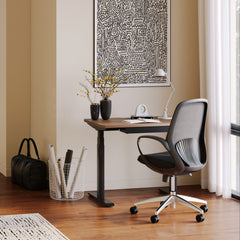
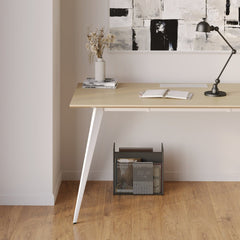
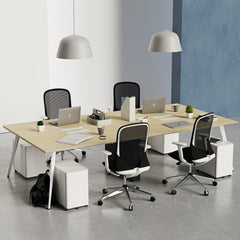
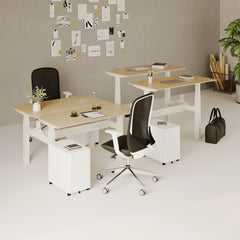
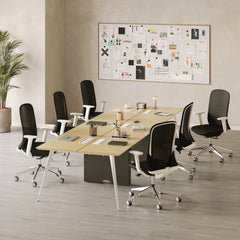
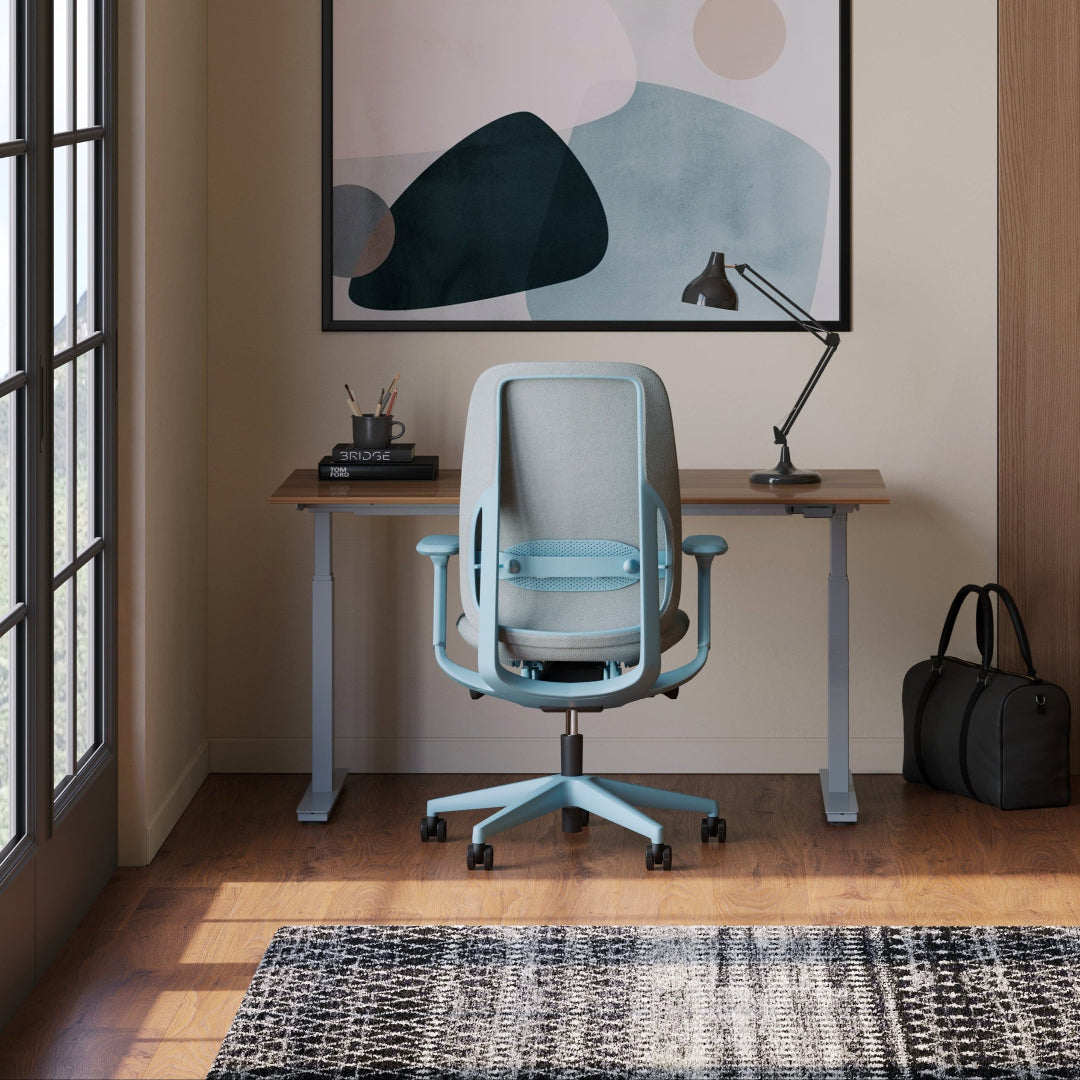
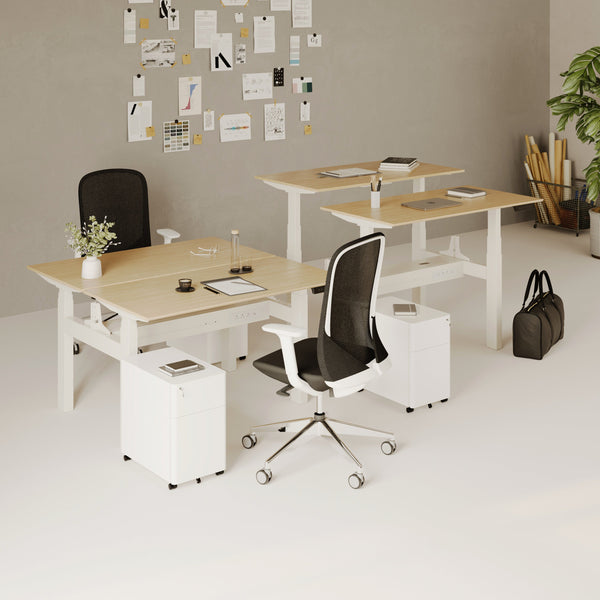
In work environments especially, this shift became obvious. A workspace anchored by an Office Table California reflects how minimalist furniture supports both productivity and calm. The absence of excess allows the furniture itself to perform better, visually and functionally. Minimalist furniture works because it aligns with how people actually live and work today.
The Core Principles Behind Minimalist Furniture
Why Minimalism Feels Effortless
Minimalist furniture is guided by a few simple principles that make it universally appealing.
Design That Serves a Purpose
Every line, surface, and material choice has intention.
Key Elements of Minimalist Furniture
-
Clean silhouettes without ornamentation
-
Neutral or muted color palettes
-
Functional forms with no excess detailing
-
Visual balance and proportion
-
Materials chosen for longevity
The design philosophy explored in this minimalist design movement explains why simplifying furniture leads to more livable interiors. When furniture is reduced to what truly matters, it becomes more powerful rather than less.
Why Minimalist Furniture Works So Well in Modern Homes
Calm Is a Design Outcome
Minimalist furniture naturally supports calm by reducing visual clutter.
Spaces That Breathe
Open space is not emptiness. It is an intentional breathing room.
Benefits of Minimalist Furniture at Home
-
Rooms feel larger and more open
-
Cleaning and maintenance become easier
-
Furniture adapts to changing layouts
-
Décor feels intentional rather than crowded
-
The home feels timeless rather than trendy
Minimalist furniture allows architecture, light, and movement to become part of the design rather than competing with it.
Minimalism in Workspaces and Home Offices
Minimalist furniture thrives in workspaces because focus depends on clarity. Excess furniture and decorative elements create distractions that subtly affect productivity.
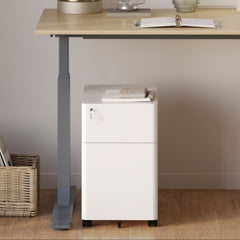
A clean desk surface, streamlined storage, and open leg space allow work to flow more naturally. Minimalist workspaces feel intentional rather than temporary, even when set up in small rooms or shared areas.
This approach also makes workspaces easier to integrate into living areas without disrupting the calm of the home.

How Minimalist Furniture Supports Movement and Flexibility
Furniture That Moves With You
Minimalist design often pairs naturally with adaptable furniture.
Why Flexibility Matters in Modern Living
Furniture must support changing routines without adding clutter.
Minimalist Features That Encourage Movement
-
Adjustable surfaces with clean profiles
-
Slim frames that stay visually light
-
Open bases that reduce heaviness
-
Designs that work seated or standing
-
Materials that blend into the space
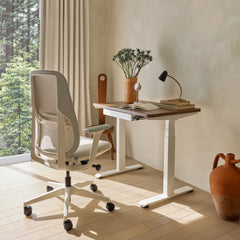
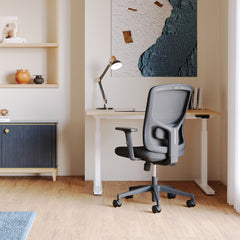
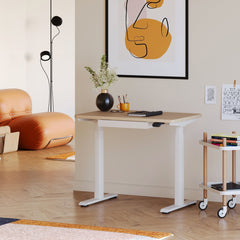
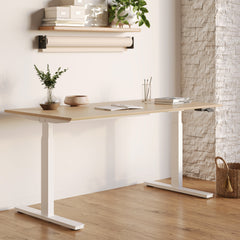
A streamlined standing desk fits perfectly into minimalist interiors by supporting movement without disrupting visual balance.
Minimalist Furniture and Mental Well-Being
Minimalist furniture influences more than aesthetics. It affects how people feel in a space. Studies consistently show that clutter increases stress and reduces focus. Furniture that minimizes visual noise helps counteract this effect.
When furniture is intentional, the mind has fewer decisions to process. This creates a sense of control and calm that carries into daily routines. Minimalist furniture also encourages mindful ownership. Instead of filling rooms with items that serve no purpose, people invest in fewer, better pieces.
Over time, this approach reduces decision fatigue and creates spaces that feel restorative rather than draining. Minimalist furniture works because it aligns physical environments with psychological needs.
Minimalist Furniture Compared to Traditional Styles
|
Furniture Style |
Visual Impact |
Maintenance |
Longevity |
|
Minimalist |
Clean and calm |
Low |
High |
|
Traditional |
Detailed |
High |
Medium |
|
Decorative |
Busy |
High |
Low |
|
Mixed styles |
Inconsistent |
Medium |
Medium |
|
Minimal modern |
Balanced |
Low |
High |
Seating and Accessories in Minimalist Interiors
Why Seating Must Stay Simple
Seating often becomes the visual anchor in a room.
Comfort Without Bulk
Minimalist seating focuses on support rather than excess padding.
How to Choose Seating and Accessories
-
Chairs with clean, supportive contours
-
Neutral upholstery that blends into the room
-
Accessories that disappear visually
-
Functional add-ons instead of decorative ones
-
Consistent finishes across furniture
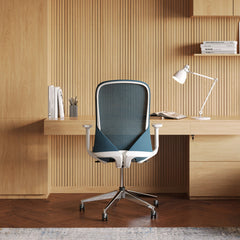
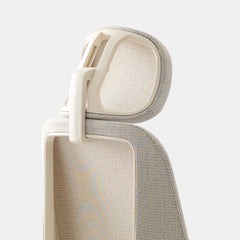
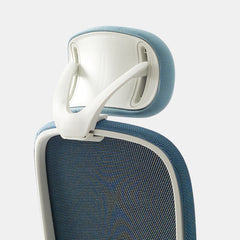
Supportive accessories like an ergonomic arm allow desks to remain uncluttered, while refined seating such as an ergonomic chair provides comfort without visual heaviness.
Why Minimalist Furniture Lasts Over Time (150 words)
Minimalist furniture resists trends because it does not rely on ornamentation or novelty. Its appeal comes from proportion, quality, and usability. As tastes change, minimalist furniture continues to feel relevant.
This longevity makes minimalist furniture a sustainable choice. Fewer replacements mean less waste and better long-term value. Minimalist pieces also adapt easily to new layouts, homes, or purposes.
When furniture is designed to serve rather than impress, it becomes easier to live with over time. Minimalism works because it evolves with the user instead of demanding constant updates.

Where Minimalism Truly Shines
Minimalist furniture succeeds because it respects space, function, and the people who use it.
A Minimalist Furniture Checklist
-
Choose fewer but better pieces
-
Prioritize function over decoration
-
Keep finishes consistent
-
Allow open space to exist
-
Invest in comfort and adaptability
When furniture is intentional, less truly becomes more. Minimalist furniture works because it creates space to think, move, and live better.
Related Articles
-
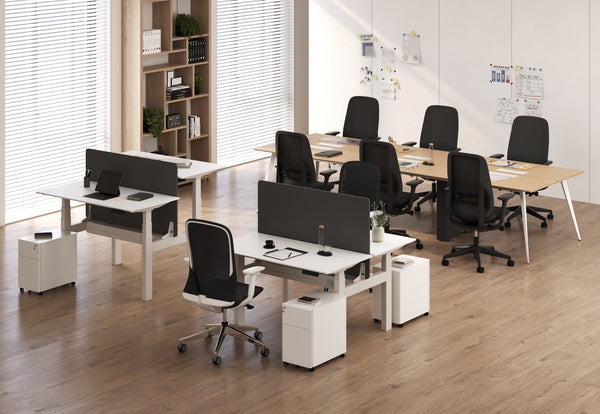 Our Conference Chairs and Meeting Tables Compared, so You Can Furnish a Huddle Room, a Meeting Room, or a Boardroom for Eight in One Order
-
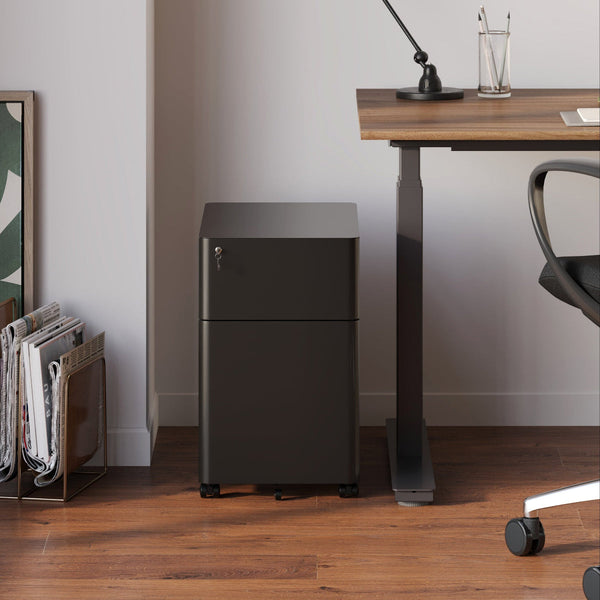 Best Filing Cabinet Options for Minimalist Offices That Still Need Real Storage
-
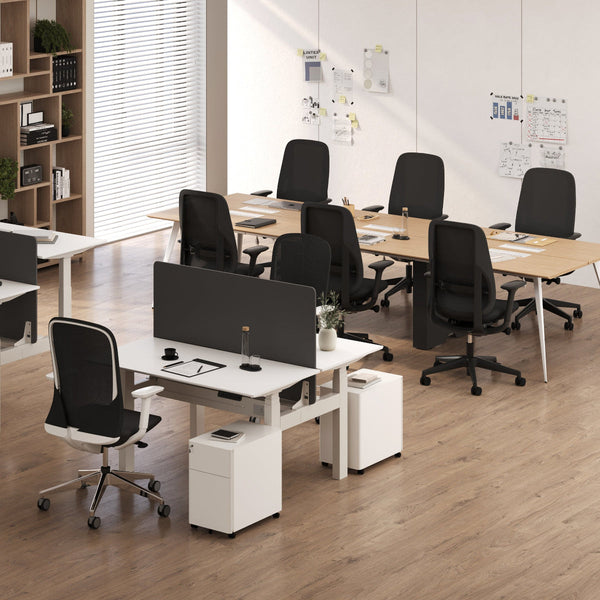 How to Make a Filing Cabinet Feel Like Part of the Room Instead of Extra Furniture
-
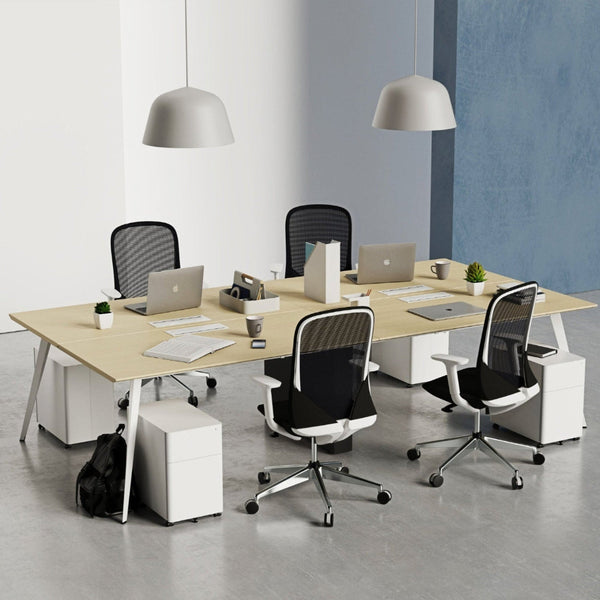 How to Match a Filing Cabinet with Your Desk for a Cleaner Office Look
-
 Best Filing Cabinet Styles for Modern Home Offices That Need Hidden Storage
-
 Best Laptop Stand Options for Minimalist Desk Setups
