



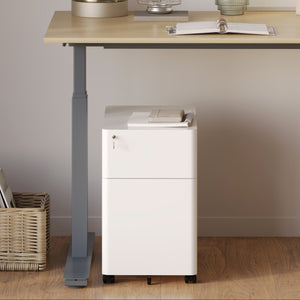






















Filing Cabinet Choices for Cleaner Workstation Planning
Cleaner workstation planning starts with filing storage that matches the desk, document volume, security needs, and daily workflow. Explore how cab...
Learn more
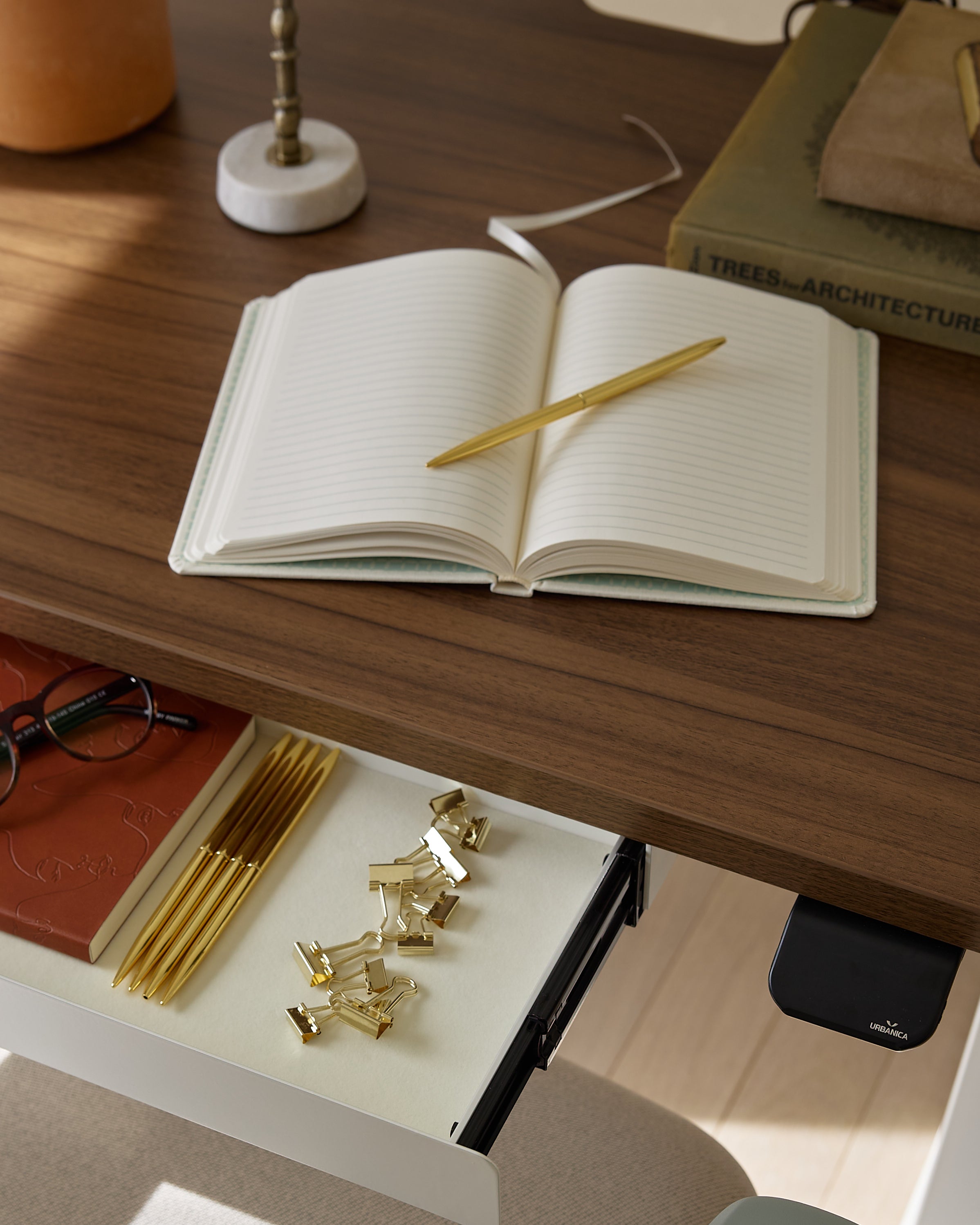
Visit quiz page to see how we makes it easy to create an inspiring workplace


Mixing metal, wood, and fabric furniture is one of the most effective ways to create a modern, layered interior. When done well, it adds depth, warmth, and character. When done poorly, it can feel chaotic and visually heavy. The difference lies in balance, proportion, and understanding how materials interact with one another.
A calm, modern home does not rely on one material alone. Instead, it blends textures intentionally so each element enhances the others. Whether you are furnishing a living area or a workspace, knowing how to combine metal, wood, and fabric correctly allows furniture to feel cohesive rather than mismatched.
Modern interiors thrive on contrast. Metal, wood, and fabric each bring a distinct quality to a space. Metal adds structure and edge. Wood introduces warmth and grounding. Fabric softens everything and makes rooms feel livable.
The key is allowing one material to lead while the others support. Spaces that feel overwhelming often give equal visual weight to all materials. Calm interiors establish hierarchy. One material anchors the room, another adds contrast, and the third introduces comfort.
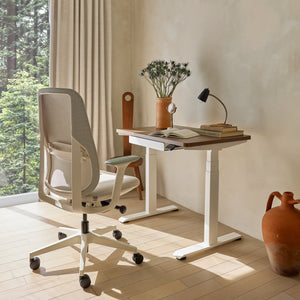
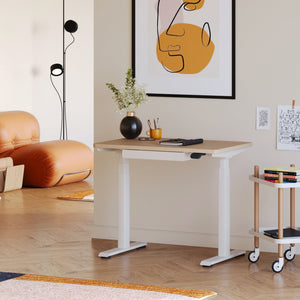
In compact spaces, material balance becomes even more important. A workspace built around a Small Standing Desk California benefits from thoughtful material mixing that keeps the room light, functional, and visually grounded without clutter.
Wood is the most versatile material in modern furniture. It brings warmth and prevents interiors from feeling cold or overly industrial.
Not all wood works the same way. Tone matters.
Use wood as the dominant surface material
Keep wood tones consistent across furniture
Pair lighter wood with fabric for softness
Use darker wood sparingly for contrast
Let wood anchor large furniture pieces
Desks, tables, and storage pieces often work best when wood serves as the primary visual element, creating a stable base for metal and fabric accents.
Metal introduces structure and precision. Used correctly, it sharpens a design. Used excessively, it feels harsh.
Metal should enhance furniture rather than dominate it.
Use metal for legs and frames
Choose matte or brushed finishes
Keep metal elements slim
Pair metal with wood surfaces
Avoid repeating shiny metal everywhere
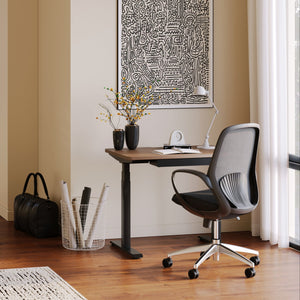
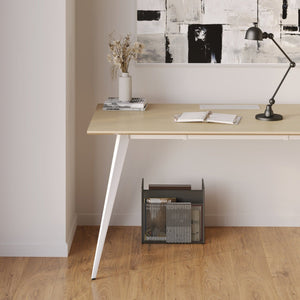
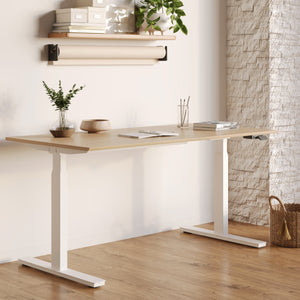
A well-balanced office desk often combines wood surfaces with subtle metal framing, creating a modern look that still feels approachable.
Fabric is what makes furniture feel human. It absorbs sound, softens sharp lines, and adds comfort that hard materials cannot provide.
In modern interiors, fabric should feel intentional rather than decorative. Upholstery, seating, and soft accessories balance out wood and metal, preventing spaces from feeling rigid. Neutral fabrics work best when mixing materials, as they allow texture to shine without introducing visual noise.
Workspaces demand both comfort and focus. Material choices directly affect how long you can work comfortably.
The desk is often the largest furniture piece in a workspace.
Use wood for desk surfaces
Add metal for structure and durability
Introduce fabric through seating
Keep finishes cohesive
Avoid mixing too many textures at once
A height-adjustable standing desk works best when its materials feel visually calm, allowing movement without distraction.
Material mixing is not just aesthetic. It affects comfort, posture, and long-term health. Hard surfaces without fabric can feel unforgiving, while overly soft furniture lacks support.
Research from ergonomics research highlights how material choice influences posture and muscle fatigue. Furniture that combines structured materials with soft support helps maintain comfort during long periods of use.
Metal provides stability, wood offers natural give, and fabric supports the body. Together, they create furniture that feels balanced rather than extreme in either direction.
|
Material |
Primary Role |
Best Use |
Effect |
|
Wood |
Foundation |
Desks, tables |
Warmth |
|
Metal |
Structure |
Frames, legs |
Stability |
|
Fabric |
Comfort |
Seating |
Softness |
|
Mixed |
Balance |
Workspaces |
Cohesion |
|
Neutral blends |
Harmony |
Entire room |
Calm |
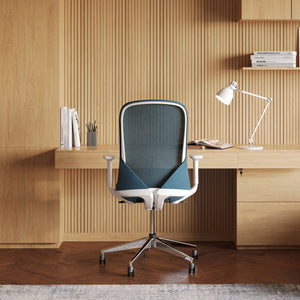
Seating often combines all three materials in one piece.
Accessories should support function, not compete visually.
Use fabric seating with subtle metal details
Choose accessories that disappear visually
Keep desk surfaces uncluttered
Support movement and posture
Let furniture materials lead
Functional accessories such as an ergonomic arm allow metal and fabric to work together seamlessly while keeping work surfaces clean. Pairing this with supportive seating like an ergonomic chair ensures comfort without visual heaviness.
The most common mistake when mixing materials is trying to feature everything at once. Too many metals, too many wood tones, or overly textured fabrics create visual clutter.
Another mistake is ignoring scale. Heavy materials in small rooms overwhelm the space. Lighter finishes and slimmer profiles work better when space is limited. Successful material mixing feels intentional, restrained, and easy on the eyes.
When materials are chosen thoughtfully, the room feels cohesive rather than styled.

Modern interiors succeed when materials work together instead of competing.
Choose one dominant material
Use one contrasting material
Add one softening material
Keep finishes consistent
Prioritize comfort and function
When metal, wood, and fabric are balanced correctly, furniture feels refined, modern, and comfortable. The result is a space that looks intentional and feels easy to live in.


You have unlocked free shipping!
You're saving $29 and unlocked free shipping!
Leave a comment