








The Quiet Desk Stressors You’ve Been Ignoring

Stress at work is often blamed on deadlines, notifications, or workload. What rarely gets attention is the physical environment where those tasks happen. Your desk may look harmless, but small details sitting right in front of you can quietly increase tension, fatigue, and mental overload.
From how your desk is arranged to the tools you use every day, hidden stressors often go unnoticed because they feel normal. This guide breaks down what might be causing unnecessary strain in your workspace and how small, thoughtful adjustments can help you feel calmer, more focused, and more in control.
The Visual Noise Sitting on Your Desk
A cluttered desk creates mental friction. Even if you feel used to it, your brain continues to process every object in view.
Common visual stressors
-
Stacked papers you no longer need
-
Random cables crossing your workspace
-
Multiple notebooks open at once
-
Decorative items crowding your main work area
When your surface feels busy, your mind mirrors that chaos.
Simple visual reset checklist
-
Remove anything not used daily
-
Group similar items together
-
Leave one clear working zone
-
Store paperwork out of sight
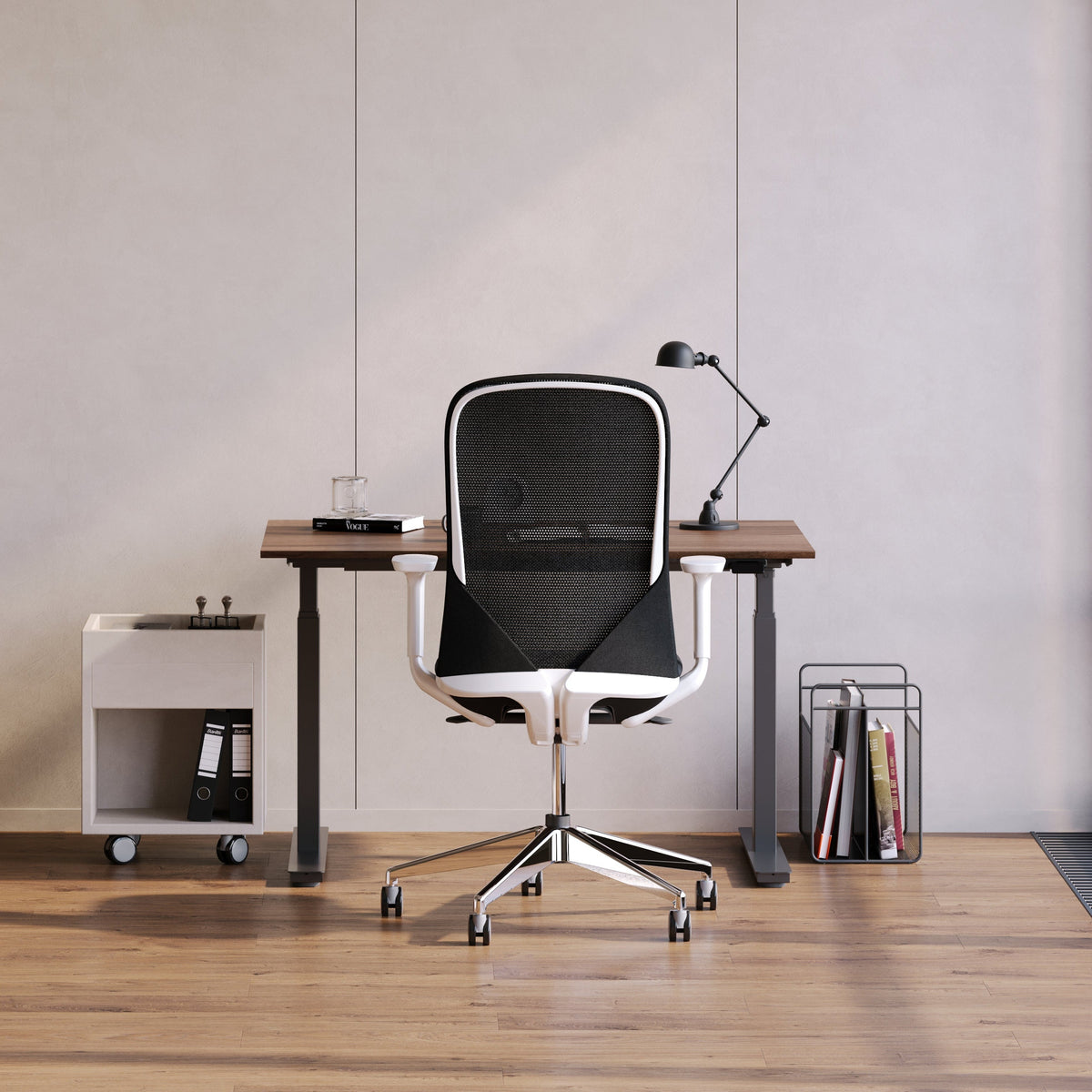
A clean desk does not mean an empty desk. It means intentional placement.
When Desk Height Creates Physical Tension
Your body reacts immediately to poor desk height, even if you don’t notice it consciously.
Signs your desk height is stressing you
-
Raised shoulders while typing
-
Wrists bending upward
-
Leaning forward toward the screen
-
Tightness in the neck by mid-day
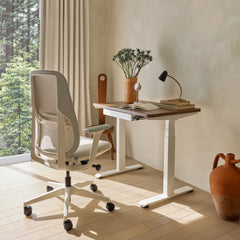
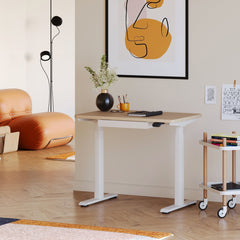
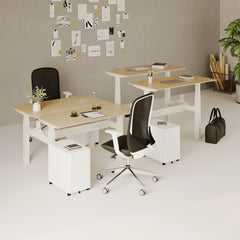
These issues are common when movement is limited. Many people reduce strain by alternating positions with an adjustable desk, allowing their body to reset throughout the day.
The Surface Space Problem You Ignore Daily
Too little space forces awkward positioning. Too much space invites clutter.
An unbalanced desk surface causes:
-
Reaching strain
-
Twisted posture
-
Mental distraction
-
Slower task switching
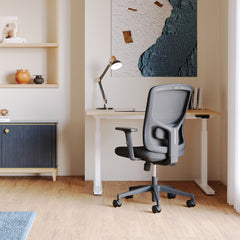
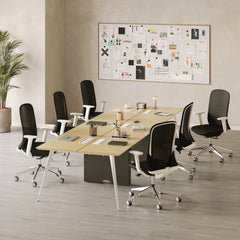
A well-sized office desk allows you to keep essential tools within reach without overcrowding your working area.
Ideal surface balance
-
Keyboard and mouse centered
-
Monitor directly in front
-
Writing space available without stacking items
-
Personal items kept to the side
Ergonomics You Think Don’t Matter (But Do)
Many people ignore ergonomics until pain becomes unavoidable. The truth is that small misalignments create cumulative stress.
According to an ergonomic study, prolonged poor posture can affect not only physical comfort but also concentration and mood.
Overlooked ergonomic stressors
-
Monitor positioned too low
-
Keyboard too far from the edge
-
Chair arms blocking natural movement
Fixing these details early prevents long-term discomfort.

The Monitor Positioning Mistake
Your screen placement has a direct impact on neck tension and eye strain.
Signs your monitor setup is stressing you
-
Tilting your head down
-
Leaning forward repeatedly
-
Squinting by afternoon
-
Headaches near the end of the day
A supportive ergonomic arm allows you to position your screen at eye level while freeing up desk space.
Your Chair Might Be the Biggest Stressor
A chair that looks fine can still create pressure points and poor posture.
Hidden chair-related stress
-
Lower back fatigue
-
Circulation issues
-
Subtle hip discomfort
-
Constant shifting to stay comfortable
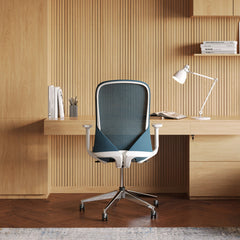
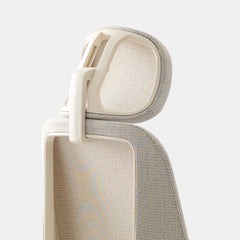
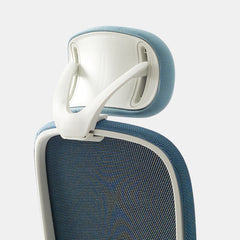
A supportive office chair helps maintain natural alignment so your body stays relaxed instead of tense.
Lighting That Drains Energy Without You Realizing
Lighting affects more than visibility. It influences alertness and emotional balance.
Stress-inducing lighting habits
-
Overhead lights causing glare
-
Screens brighter than the room
-
Working in dim spaces for long hours
Quick lighting improvements
-
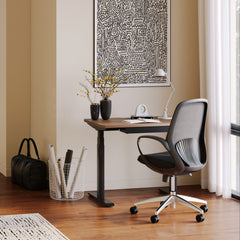
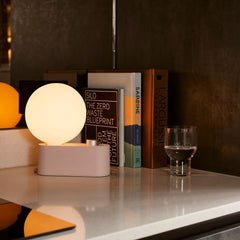
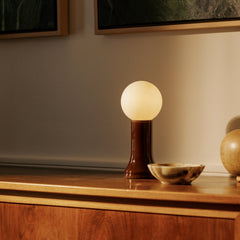
Use a soft desk lamp
-
Reduce screen brightness slightly
-
Position light sources to the side
Balanced lighting reduces eye strain and mental fatigue.
The Desk Layout That Encourages Distraction
Poor layout forces your brain to constantly adjust.
Layout stress triggers
-
Turning repeatedly to reach tools
-
Crossing arms over cables
-
Looking away from the screen often
-
Sharing space with non-work items
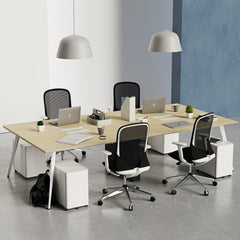
A thoughtfully arranged Office Desk California helps define clear zones for focus, tools, and personal items, reducing unnecessary mental effort.
Sound and Sensory Overload at Your Desk
Even subtle background noise can increase stress levels.
Common overlooked stressors
-
Keyboard noise echoing
-
Devices vibrating on the desk
-
Hard surfaces amplifying sound
Simple fixes
-
Use a desk mat
-
Lower notification volume
-
Add soft materials nearby
These small changes calm your sensory environment.
End-of-Day Desk Habits That Prevent Stress Build-Up
Stress compounds when your desk is left chaotic overnight.
End-of-day reset checklist
-
Clear the main surface
-
Align chair and monitor
-
Store loose papers
-
Turn off unnecessary devices
Starting the next day with a calm desk prevents stress from carrying over.
Stress Signals You Should Not Ignore
Your body often notices desk stress before your mind does.
Warning signs
-
Persistent shoulder tightness
-
Restlessness while sitting
-
Mental fatigue despite light workload
-
Difficulty focusing late in the day
These are signals your workspace needs attention, not discipline.

Calm Begins Where You Work
Stress does not always come from what you do. Often, it comes from where you do it. The desk you sit at every day shapes your posture, your focus, and your emotional state more than you might expect.
By identifying hidden stressors and making small, thoughtful changes, your workspace can shift from a source of tension into a place of stability. A calmer desk leads to clearer thinking, steadier energy, and a workday that feels more manageable from start to finish.
Related Articles
-
 Desk Setup With Laptop and 2 Monitors Needs Better Height
-
 Desk Width Requirements for Dual Monitor Setups That Still Fit Small Rooms
-
 How Deep Should a Desk Be for 2 Monitors to Prevent Neck and Eye Strain
-
 Flexible Living: Why Modular Furniture Is Changing Modern Homes
-
 Where the Right Desk Design Makes Work Flow
-
 Computer desk for dual monitors that supports monitor arms without wobble


