























Flexible Living: Why Modular Furniture Is Changing Modern Homes

A New Era of Flexible Furniture
Modern homes are evolving quickly. As people work remotely, move more frequently, and adapt their living spaces to changing routines, furniture must keep up. Traditional furniture often served a single purpose in a fixed layout. Today’s homes require pieces that adapt, transform, and support multiple functions.
This shift has fueled the rise of modular furniture. Modular designs allow furniture to be rearranged, expanded, or adjusted depending on the needs of the moment. A workspace can become a reading corner. A desk can transform into a standing workstation. A compact setup can expand as work demands increase.
Flexibility is now one of the most important features in furniture design. Modular furniture helps homeowners create spaces that evolve alongside their lifestyle rather than forcing their lifestyle to fit rigid furniture layouts.
Why Modular Furniture Is Gaining Popularity
Modular furniture has become increasingly popular because modern lifestyles demand adaptability. Many homes now serve multiple functions. Living rooms double as offices, dining areas become meeting spaces, and small corners often transform into workstations.
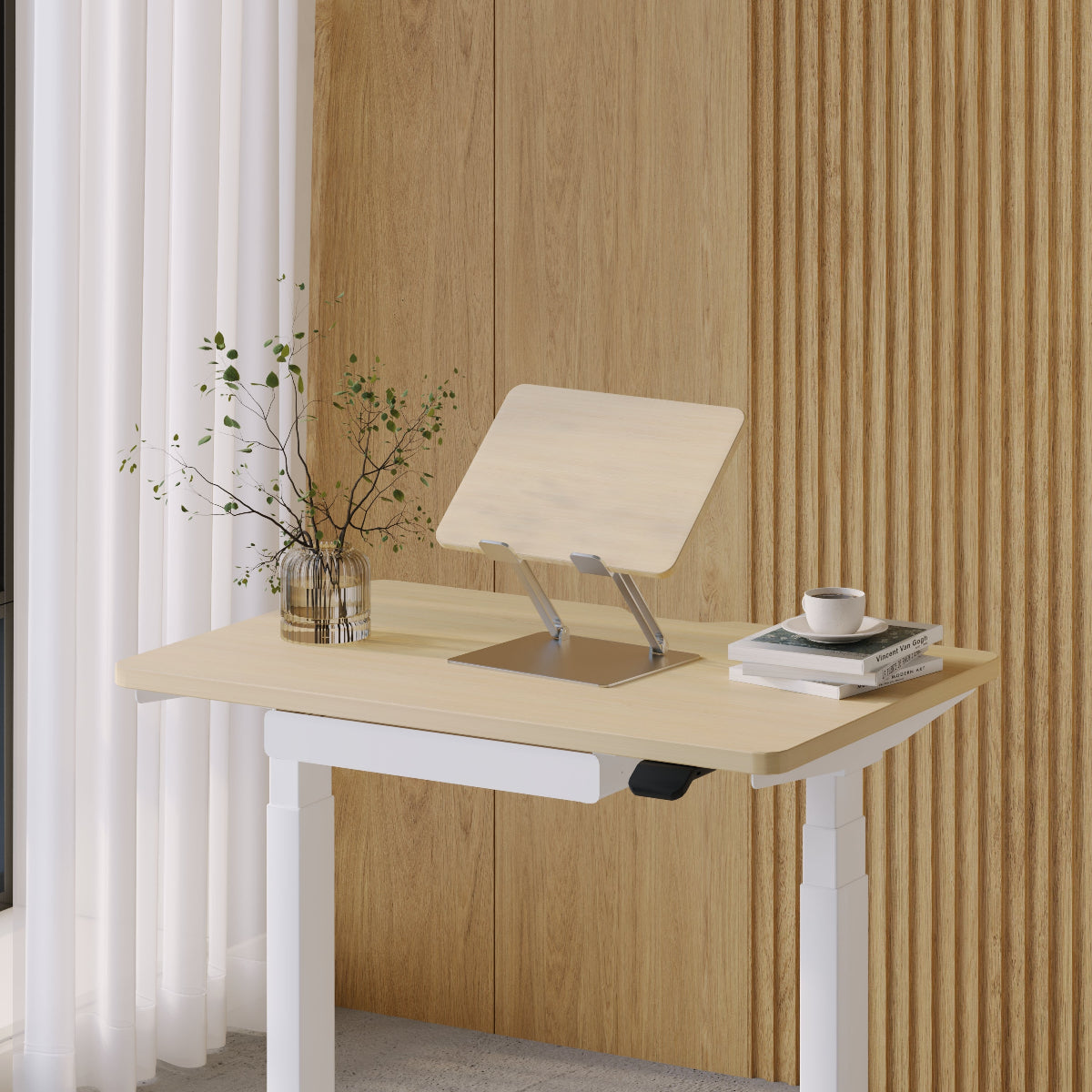
A thoughtfully designed Mini Standing Desk California setup reflects this shift toward flexible furniture solutions. Compact yet adaptable designs allow people to build workspaces even in limited spaces without sacrificing comfort or productivity.
Modular furniture supports modern living because it allows people to:
-
Rearrange layouts as needs change
-
Adapt furniture to different tasks
-
Maximize small living spaces
-
Maintain clean and organized interiors
Instead of being locked into fixed layouts, homeowners can reshape their environment whenever their routines evolve.
Adaptable Workspaces for Remote Work
Workspaces Must Adjust to Daily Needs
Remote work has transformed how furniture is used inside the home. Instead of dedicated offices, many people now create temporary workspaces that need to be flexible.
Adjustable Workstations
A versatile standing desk provides a modular approach to workspace design by allowing users to alternate between sitting and standing positions.
Benefits include:
-
Reduced fatigue during long work sessions
-
Greater flexibility throughout the day
-
Improved posture support
Furniture That Encourages Movement
Furniture that adapts to different work positions helps maintain energy and productivity. Modular workstations make it easy to switch between tasks without disrupting the entire workspace.
Flexible furniture solutions are quickly becoming essential for modern work environments.
Desks Designed for Multi-Purpose Living
One Desk, Multiple Functions
In modern homes, furniture often needs to serve more than one purpose. A desk may function as a work station during the day and a creative space or study area in the evening.
Versatile Desk Designs
A practical office desk provides enough surface space for daily work while remaining adaptable to other uses.
Key advantages include:
-
Flexible workspace organization
-
Clean and simple layouts
-
Easy integration into various room designs
Seamless Integration Into Home Interiors
Modular furniture blends easily with existing décor. Its adaptability allows rooms to evolve without needing to replace large furniture pieces.
This versatility helps modular furniture remain relevant as home layouts change.
Ergonomic Design in Modular Workspaces
Modern modular furniture does not focus solely on flexibility. It also emphasizes ergonomic comfort.
Research on ergonomic workstations highlights the importance of properly positioned equipment and supportive furniture for maintaining healthy posture.
Ergonomic modular designs help users:
-
Maintain proper body alignment
-
Reduce strain during long work sessions
-
Create healthier daily work routines
When modular furniture supports both comfort and adaptability, it becomes an even more valuable part of modern homes.
Technology-Friendly Modular Furniture
Modern Workspaces Require Smart Integration
Technology plays a major role in how furniture is designed today. Modular furniture allows technology to integrate naturally without cluttering the workspace.
Flexible Screen Positioning
Using a monitor arm allows screens to be positioned comfortably while maintaining a clean desk layout.
Advantages include:
-
Improved viewing angles
-
Reduced neck strain
-
Better desk organization
Organized Workspaces
When screens and accessories are positioned properly, modular desks remain uncluttered and easy to use. Clean layouts contribute to both comfort and productivity.
Technology-friendly furniture ensures that workspaces remain efficient and adaptable.
Seating That Supports Modular Workspaces
Modular workspaces require seating that supports long hours of work without sacrificing comfort. Chairs must adapt to different desk heights, screen positions, and work routines.
A supportive ergonomic office chair provides the flexibility and comfort required in dynamic environments.
Ergonomic seating offers:
-
Adjustable posture support
-
Balanced weight distribution
-
Long-term comfort during work sessions
Comfortable seating allows modular workspaces to remain productive throughout the day.
Advantages of Modular Furniture
|
Feature |
Traditional Furniture |
Modular Furniture |
|
Layout flexibility |
Fixed layout |
Adjustable configurations |
|
Workspace adaptability |
Single purpose |
Multi-purpose use |
|
Space efficiency |
Often bulky |
Compact and efficient |
|
Technology integration |
Limited adaptability |
Easy adjustments |
|
Longevity |
May require replacement |
Adapts to changing needs |
These benefits explain why modular furniture is becoming a preferred choice in modern homes.
Designing Homes With Flexible Furniture
Adaptable Layouts Improve Daily Living
Homes today often require spaces that can serve multiple functions. Modular furniture allows rooms to adapt without requiring major redesigns.
Create Functional Zones
Helpful strategies include:
-
Positioning desks near natural lighting
-
Maintaining open walking paths
-
Keeping work tools within reach
These small design choices help modular furniture function effectively within the home.
Avoid Overcrowding
Even modular furniture should be used thoughtfully. Limiting unnecessary furniture helps maintain open, balanced spaces.
Well-designed layouts make flexible furniture even more effective.
The Future of Modular Furniture
Modular furniture will likely continue growing in popularity as living spaces evolve. Urban housing trends, remote work, and changing lifestyles all favor furniture that adapts easily.
Future modular designs may emphasize:
-
Greater adjustability
-
Enhanced ergonomic features
-
Better integration with technology
Furniture that evolves with its users will remain valuable in the years ahead.
Designing Flexible Spaces for Modern Living
Creating a modular home environment begins with thoughtful furniture choices.
Use this checklist to design adaptable living spaces:
-
Choose furniture that can adjust or expand
-
Use desks that support both sitting and standing
-
Maintain organized and clutter-free work surfaces
-
Position monitors at eye level
-
Invest in ergonomic seating
-
Keep layouts flexible for changing routines
-
Avoid overcrowding rooms with furniture
-
Maintain open walking areas
-
Select furniture that supports multiple tasks
-
Reevaluate furniture layouts as needs evolve
Modular furniture reflects the changing nature of modern living. As homes become more dynamic, flexible furniture allows spaces to adapt naturally.
When furniture evolves with daily routines, homes become more comfortable, efficient, and productive.
Related Articles
-
 Desk Setup With Laptop and 2 Monitors Needs Better Height
-
 Desk Width Requirements for Dual Monitor Setups That Still Fit Small Rooms
-
 How Deep Should a Desk Be for 2 Monitors to Prevent Neck and Eye Strain
-
 Where the Right Desk Design Makes Work Flow
-
 Computer desk for dual monitors that supports monitor arms without wobble
-
 Best desk for dual monitors when you need a clean cable free workspace


