









The Drawer System That Saves Your Workday

Your Desk’s Secret Weapon
A fast, focused workday isn’t only about having a good desk or a comfortable chair. It’s also about what happens in the small moments, like reaching for a pen, grabbing a charger, finding a document, or putting something away without thinking twice. That’s where the right drawer setup makes a real difference. When your drawers are organized with purpose, your desk stays clear, your workflow stays smooth, and you waste less time on tiny distractions that add up.
Why Drawers Are the Hidden Key to Work Efficiency
Most people think productivity comes from big changes like switching to a new planner or setting stricter schedules. But in a real home office or busy workplace, efficiency often comes from reducing friction. Friction is anything that slows you down, even slightly. It’s the moment you can’t find your sticky notes, the moment your cables are tangled, or the moment you open a drawer and it’s full of random items you forgot you owned.
A smart drawer setup helps you:
-
keep your desk surface clear
-
find essentials quickly
-
avoid losing small tools
-
stop clutter from piling up
-
stay in “work mode” longer
If your drawers are chaotic, you’ll avoid using them. Then everything ends up on top of the desk. That’s when your workspace starts to feel busy and stressful.
The best part is that you don’t need ten drawers or fancy organizers. You need a system that matches how you actually work.
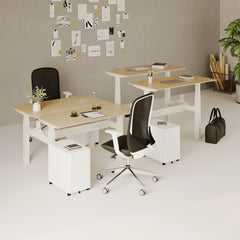
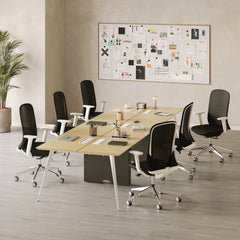
If you’re building a workspace that supports better organization overall, a well-planned Office Furniture Los Angeles setup makes it easier to create a clean desk, efficient storage zones, and a workflow that feels natural.
The “Three-Zone Drawer Method” (Simple, Fast, and Repeatable)
The biggest drawer mistake is treating every drawer the same. The best setup gives each drawer a purpose, so you always know where things go.
Use Drawers Like Work Zones, Not Storage Bins
Zone 1 — Daily Essentials Drawer
This drawer is for items you reach for constantly. If you use it every day, it belongs here.
What to Keep in Your Daily Essentials Drawer
-
your favorite pen and backup pen
-
sticky notes or small notepad
-
highlighter
-
paper clips and binder clips
-
small scissors
-
a USB drive (if needed)
-
lip balm or hand cream (optional, one item only)
Bullet Tips for Zone 1
-
keep it light so it’s easy to maintain
-
avoid duplicates that create clutter
-
use small dividers so items don’t slide around
-
leave 20% of the drawer empty so it never feels packed
Zone 2 — Task Tools Drawer
This is your “work support” drawer. It holds items you use weekly, not necessarily daily.
What to Keep in Your Task Tools Drawer
-
extra notepads
-
stapler and staples
-
tape
-
labels
-
calculator
-
meeting supplies
-
spare mouse batteries
-
small cleaning wipes
Bullet Tips for Zone 2
-
group items by category, not by size
-
keep only one backup per item
-
store bulk refills somewhere else
-
don’t mix paperwork with supplies
Zone 3 — Storage and Backup Drawer
This drawer is for backups, not daily use. It keeps clutter off your desk without hiding essentials.
What to Keep in Your Storage Drawer
-
spare chargers
-
extra cables
-
extra pens and markers (still limited)
-
shipping supplies (minimal)
-
tech accessories you rarely use
-
small tools you don’t want on display
Bullet Tips for Zone 3
-
label a small pouch for cables so they don’t tangle
-
don’t store random “maybe” items
-
reset this drawer once a month
-
keep it organized enough to use, not just stuffed
This three-zone method keeps your workflow smooth because you always know where things belong.
The Best Drawer Layout for a Clean Desk Surface
Your drawers should support one main goal: keeping the top of your desk open and usable. If your desk surface is cluttered, your mind feels cluttered too.
Organize Drawers Based on How Your Hands Move
Keep the Most-Used Drawer Closest to Your Dominant Hand
If you’re right-handed, your daily essentials drawer should be easiest to access on the right side. If you’re left-handed, reverse it. This sounds small, but it reduces tiny interruptions.
The “Reach Test” for Drawer Placement
Sit in your normal work position and check:
-
Can you open the drawer without bumping your chair?
-
Can you grab a pen without leaning forward?
-
Can you put items back without looking?
Bullet Tips for Faster Drawer Use
-
store small items in the front
-
store larger items in the back
-
keep sharp items (like scissors) in one corner
-
don’t let items stack on top of each other
Keep Your Desk Setup Stable and Predictable
A drawer system fails when you constantly change it. Keep it consistent so your brain doesn’t waste energy deciding where things go.
Simple Rules That Keep Drawers Predictable
-
one category per section
-
one home for each item
-
no loose piles inside drawers
-
no “temporary storage” drawer
A clean drawer layout makes your desk feel calm because you’re not surrounded by tools and clutter.
A Better Desk Makes Drawer Organization Easier
Drawer efficiency isn’t just about what’s inside. It’s also about the desk itself. If your desk is too small, drawers become overloaded. If your desk feels unstable, you’ll avoid using storage properly. If your desk doesn’t fit your workflow, clutter returns.
A clean, stable office desk setup supports better drawer organization because it gives you enough space to work while keeping storage within reach.
When your desk feels reliable, you’re more likely to:
-
put things away immediately
-
keep your surface clear
-
use drawers instead of piles
-
maintain your system daily
The Paper Drawer Problem (And the Fix That Saves Your Time)
Paper is one of the biggest efficiency killers in any office. Even if you’re mostly digital, paper still appears. Mail, printed forms, notes, receipts, and documents can take over fast.
Stop Storing Paper in Desk Drawers
Why Paper Piles Slow You Down
Paper piles create two problems:
-
You can’t find what you need quickly
-
Your desk feels mentally “unfinished”
Give Paper Its Own Storage Zone
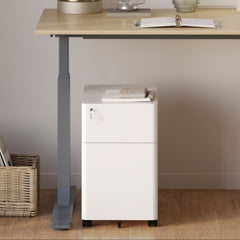
Instead of stuffing paper into drawers, use a dedicated file storage cabinet solution to keep documents organized, protected, and out of sight.
The Best Paper Categories for Work Efficiency
-
Active: documents you need this week
-
Reference: documents you may need later
-
Archive: old documents you keep for records
Bullet Tips for Paper Control
-
keep only one “active” folder near your desk
-
file paperwork once a week
-
throw away junk mail immediately
-
avoid mixing paper with supplies inside drawers
When paper has a separate home, your drawers stay cleaner and your desk stays faster.
Make Your Drawer Setup More Comfortable to Use
Efficiency isn’t only about speed. It’s also about comfort. If your setup causes strain, you’ll move more, shift more, and rearrange more. That leads to clutter.
A supportive office chair helps you stay comfortable through long work sessions, which makes it easier to keep your workspace tidy. When you’re comfortable, you’re less likely to sprawl items across your desk or avoid putting things away.
The goal is to create a setup where organization feels natural, not like extra effort.
Drawer Setup Guide (Table for Maximum Efficiency)
Here’s a simple table you can use to build the perfect drawer system based on your daily workflow.
|
Drawer Type |
Main Purpose |
What Goes Inside |
Efficiency Benefit |
|
Top drawer |
Daily essentials |
pens, sticky notes, clips |
faster daily tasks |
|
Middle drawer |
Weekly tools |
stapler, tape, labels |
less desk clutter |
|
Bottom drawer |
Backups |
cables, extra supplies |
prevents overflow |
|
Paper storage zone |
Documents |
folders, files, paperwork |
easier filing system |
|
Charging zone |
Power tools |
chargers, adapters |
cleaner desk surface |
This setup works because each drawer has a job, and nothing gets mixed randomly.
Add Power and Screen Space Without Adding Desk Clutter
A desk can feel messy even when drawers are organized if cables and chargers take over. That’s why your drawer system should include a charging plan too.
Keep Charging Simple and Contained
Create a Charging Drawer or Charging Corner
You don’t need cords everywhere. You need one reliable charging area.
A built-in in-desk power solution helps keep charging clean and efficient because your devices can plug in without cables stretching across your desk.
What to Store in Your Charging Zone
-
one main charging cable
-
one backup cable
-
one adapter
-
one short extension (only if needed)
Bullet Tips for Cable Efficiency
-
avoid long cables that coil everywhere
-
keep backups stored, not on the surface
-
charge in one place only
-
label cords if you share a workspace
Free Up Desk Space Around Your Monitor
The area around your screen becomes a clutter magnet. Raising your screen helps keep the surface open.
A flexible monitor arm supports better drawer efficiency too, because it reduces the need to stack items under your screen and keeps your workspace feeling open.
Desk Space Rules That Support Drawer Systems
-
keep the center of the desk clear
-
keep charging on one side
-
keep paper off the desk surface
-
keep tools inside drawers, not scattered
A clean desk surface makes your drawer system feel like it’s working instantly.
The 2-Minute Drawer Reset That Keeps Everything Organized
Even the best drawer setup can fall apart if you never reset it. The good news is you don’t need a deep clean. You need a short daily habit.
Try this 2-minute reset at the end of your workday:
-
Put loose items back in the correct drawer
-
Toss trash and empty cups
-
Return pens and tools to their sections
-
Move paperwork to your filing zone
-
Clear your desk surface so tomorrow starts fresh
This small routine keeps your system working even on busy weeks. It also saves time because you stop starting your day by cleaning.
A drawer setup is only “efficient” if it stays usable.
The “No-Search” Workday Plan (Drawer Checklist That Works)
The best drawer setup is the one that helps you stop searching for things. When every item has a home, your workday feels smoother and your focus stays stronger.
Checklist: Maximum Efficiency Drawer Setup
-
Create a daily essentials drawer with only what you use every day
-
Create a weekly tools drawer for task support items
-
Keep backups in a separate drawer so they don’t overflow
-
Keep paper out of desk drawers and file it properly
-
Set up one charging zone to prevent cable clutter
-
Keep small items in dividers so they don’t mix
-
Leave space in each drawer so it stays easy to maintain
-
Do a 2-minute reset at the end of each day
When your drawers are organized with purpose, your desk stays clear, your mind stays calmer, and your workflow feels faster without trying harder.
Related Articles
-
 How Filing Cabinet Storage Supports Office Desk Must Haves
-
 Filing Cabinet Ideas for Better Office Furniture Accessories
-
 Best File Cabinet for Home Office Storage That Feels Easy
-
 Better Multiple Monitor Desk Setup Starts With One Stand
-
 Make Laptop and 2 Monitor Setup Work With Better Stands
-
 Why Dual Monitor Comfort Needs a Monitor and Laptop Stand


