








Study Chairs That Balance Comfort and Budget Without Regret

Finding the right study chair rarely comes down to choosing the cheapest option or the chair with the longest feature list. A better decision comes from understanding how a chair will actually be used, how it supports posture during regular desk work, and how well it fits the space around it. When those pieces line up, comfort and budget stop feeling like competing priorities.
Many people regret a chair purchase for the same reason. They buy based on surface impressions rather than daily function. A chair may look sleek, seem compact enough for a bedroom corner, or appear padded enough for quick comfort, yet fall short once real study habits take over. Long reading sessions, laptop work, note-taking, online classes, and repeated sitting blocks expose weaknesses quickly. A chair that seemed acceptable at first can begin to feel tiring, awkward, or distracting.
A study chair should support concentration instead of demanding constant adjustment. It should help the body settle into a reliable working posture, allow movement without instability, and feel appropriate for the room, desk, and routine it serves. Exploring a broader range of ergonomic office chairs often makes that easier, because it shows how support, design, and practical use come together across different styles.
The Real Cost of a Poor Chair Choice Appears During Daily Use
Sticker price does not reveal the full value of a study chair
A chair purchase tends to be judged too quickly. The first judgment is usually visual, followed by the assumption that a lower initial spend automatically means better value. In reality, a low-cost chair can become expensive in quieter ways. If it causes discomfort, interrupts focus, or feels worn too soon, it can create a sense of waste even without any dramatic failure.
The point is not that every affordable chair is a bad choice. It is that a low price alone says very little about long-term satisfaction. A chair that supports regular study habits, holds its shape well, and fits a user’s body and desk may feel far more sensible over time than one chosen only because it looked like the easiest bargain.
What regret usually feels like after the first few weeks
Regret rarely starts as a major problem. It often begins with small irritations that grow more noticeable over time. The seat may feel acceptable for thirty minutes but tiring after ninety. The backrest may not support upright work well enough, leading to constant shifting. The chair may trap heat in a warm room or make arm positioning awkward at a desk.
These details matter because study furniture does not serve a decorative role alone. It affects how long someone can remain settled, how easily they can move between tasks, and how much energy is spent compensating for a setup that should have been working in the background.
Study chairs fail when they are chosen like occasional seating
One common mistake is buying a chair suited to light sitting rather than repeated desk work. A chair that works for occasional use in a guest room or side corner may not perform well for structured study sessions. Desk tasks ask more from a chair. They require a stable seat height, supportive back contact, reasonable airflow, and a shape that works with writing, typing, and screen-based work.
That is why useful comfort is rarely about softness alone. Practical support has to show up when the user leans in to focus, sits upright for reading, or shifts position during longer sessions.
Functional Comfort Supports Focus Better Than Flashy Features
A good study chair reduces distraction at the desk
Comfort should not be treated as a luxury category. For students, remote learners, and home-based professionals, it plays a direct role in concentration. When a chair works well, the body does not keep asking for attention. There is less fidgeting, less slumping, and less urge to leave the desk simply because the seating feels wrong.
That kind of comfort is usually modest and practical. It does not need to feel dramatic. It needs to feel reliable.
The body areas that matter most during study sessions
Most study discomfort centers around three areas. The lower back needs support that encourages upright sitting without forcing stiffness. The seat needs to distribute weight comfortably enough to avoid pressure building too quickly. The shoulders and arms need a posture that works naturally with desk height, keyboard placement, and writing tasks.
When one of those areas is neglected, the whole setup can start to feel off. A chair may have a pleasant look and still create strain because its actual support pattern does not match desk work.
Support should feel natural, not overbuilt
There is also a difference between ergonomic support and excessive complexity. A chair does not need to feel technical or intimidating to be useful. In many study environments, the best support comes from simple, thoughtful design choices such as a balanced backrest, breathable material, and a seat height that helps align the user properly with the desk.
This is especially important for people who use their chair in more than one way during the day. Study time often blends with general computer use, calls, writing, reading, and short breaks. A chair that feels natural across those tasks tends to create less friction.
The Best Study Chair Depends on How Long It Will Be Used
Light daily use needs clean support and easy practicality
For shorter study periods, many users benefit most from basic support done well. The chair should feel stable, breathable, and easy to move in a smaller room. It should not overpower a compact setup or create unnecessary bulk around the desk.
In this category, the priority is often to keep the body comfortable through ordinary tasks without adding more chair than the room or routine really needs. A breathable everyday performance chair can fit naturally into that type of setup because airflow, approachable support, and everyday usability often matter more than advanced mechanisms.
Moderate daily use benefits from more adjustability
Once study sessions become longer or more frequent, the value of adjustability becomes clearer. A chair that can better accommodate desk height, working posture, and daily movement patterns tends to feel more dependable across the week. This matters for people moving between online classes, assignments, research, and general desk work.
A well-chosen adjustable ergonomic desks setup also changes how a chair performs. Even a solid chair can feel awkward when paired with a desk that places the arms too high, limits legroom, or encourages hunching forward. Chair selection works best when it is treated as part of the full workstation rather than as an isolated item.
Longer sitting sessions require stronger ergonomic consistency
For heavier use, posture support needs to stay dependable over time. The chair should continue to feel composed during longer reading blocks, concentrated writing, and multi-hour desk sessions. The goal is not to chase extravagance. It is to choose a structure that still feels supportive after repeated use.
That is often where the difference between a temporary purchase and a lasting one becomes clear. A chair designed with sustained ergonomic performance in mind is more likely to reduce the sense of compromise that leads to later regret.
Five Qualities That Separate Smart Value From False Economy
Back support that encourages upright work
A study chair should help the back remain comfortably supported during active desk tasks. That does not mean rigid pressure. It means a shape that works with upright posture and gives the user a better starting point for focus.
Supportive back design becomes especially valuable when a chair is used for reading on screen, typing, and switching between tasks without fully leaving the workstation.
Seat comfort that holds up beyond the first impression
Some chairs feel pleasant for a quick test but become less enjoyable when sitting extends. That is why seat comfort should be judged by endurance rather than first contact. A more balanced seat design can make a major difference during study blocks that stretch beyond a short assignment.
Breathability that suits real rooms and climates
In shared rooms, warmer spaces, and homes without ideal airflow, breathability matters more than people expect. It helps the chair stay comfortable during longer sessions and reduces that sticky, restless feeling that can make concentration harder.
Adjustability that solves real needs
Useful adjustment is not about collecting features. It is about making the chair work better with the user’s body and desk. Seat height, recline behavior, and arm positioning can all improve the day-to-day experience when they support real tasks rather than existing only as selling points.
For buyers who need that middle ground between simplicity and flexibility, an adjustable office chair makes sense in the discussion because adjustability is most valuable when it helps a chair adapt to varied study and work habits without becoming complicated.
Durability protects the budget over time
Durability should be viewed as part of practical budgeting. A chair that remains stable and comfortable through regular use helps avoid the cycle of replacement that often follows impulse buying. That does not require extravagant claims or unrealistic promises. It simply means choosing materials, structure, and support that feel suited to the demands of everyday study.
Matching the Chair to the Room Is Part of the Buying Decision
Desk fit changes how every chair feels
Many chair disappointments are actually setup problems. If the desk is too high, the shoulders may rise and create tension. If the desk depth is awkward, the user may lean forward more than necessary. If the room is tight, even a well-designed chair can feel cumbersome.
This is why study furniture decisions should always consider proportions. The chair, desk, and room need to make sense together.
Small rooms need discipline, not just compact dimensions
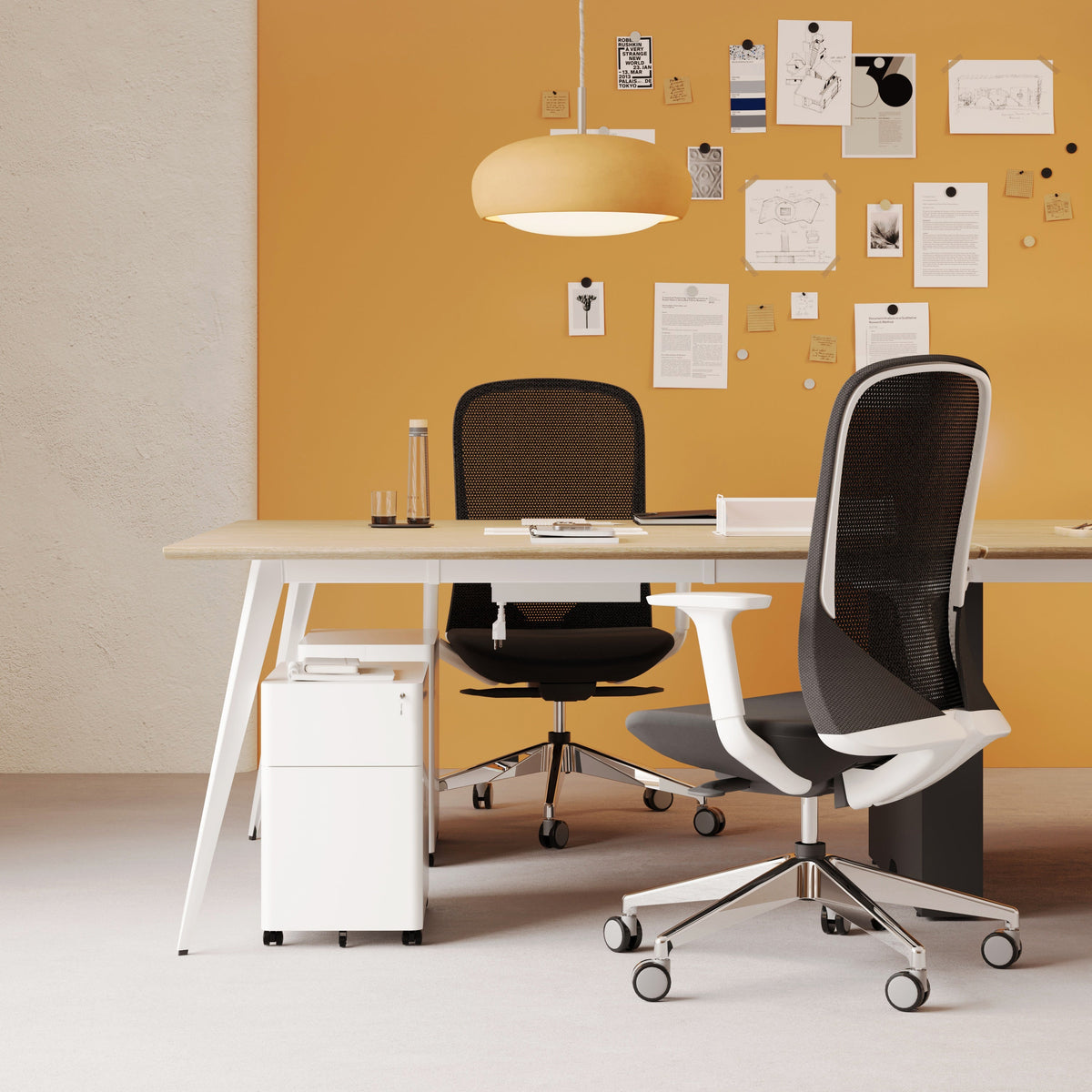
Bedrooms, apartment corners, and shared study areas often require a more thoughtful approach. A chair has to fit physically, but it also has to fit visually and functionally. It should move well, allow enough clearance, and avoid making the setup feel cramped.
The same principle applies to people who want their space to remain calm and usable after work or study hours end. A chair that respects the room often feels like a smarter buy than one that dominates it.
Local buying confidence can shape the final decision
For some shoppers, the experience of choosing furniture also includes questions around service, browsing confidence, and how the purchase fits into a broader workspace plan. In those cases, exploring workspace shopping options for local buyers can be useful because the decision is not only about one chair, but about how the entire environment comes together.
Practical Chair Types and Who They Tend to Suit Best
Entry-level ergonomic support can be the right choice
A study chair does not need to be the most feature-rich option in order to be worthwhile. For lighter daily use, a simpler chair with solid support, breathable construction, and a sensible footprint can be the right match. The key is to choose one that still respects posture and routine.
Mid-range options often offer the strongest balance
Many buyers find the best balance in chairs that provide noticeable ergonomic value without drifting into excess. In this range, useful support, cleaner adjustment, and stronger all-around usability often matter more than novelty.
That is why an affordable ergonomic chair fits naturally into the mid-range discussion. The value comes from the combination of support and practicality, not from inflated expectations.
Higher-support chairs make sense for frequent, demanding use
For those who spend long stretches at a desk, a chair with stronger ergonomic focus can be the more careful choice. More consistent support often matters most when the chair will be used not occasionally, but repeatedly and seriously.
In that context, a bestselling ergonomic chair belongs in the conversation because buyers in this category are usually looking for confidence in long-session support rather than a chair that only performs well in brief use.
A Comparison Framework That Keeps the Decision Grounded
What different chair categories should accomplish
The most useful way to compare study chairs is not by hype, but by matching category strengths to real routines.
| Chair category | Best suited for | Most important qualities | Regret to avoid |
|---|---|---|---|
| Everyday support chair | Light to moderate desk use | Breathability, stable posture, compact practicality | Choosing mainly for appearance |
| Adjustable mid-range chair | Mixed study and work sessions | Useful adjustability, support consistency, balanced comfort | Paying for features that do not improve daily use |
| Higher-support ergonomic chair | Longer and more frequent sitting | Reliable back support, stronger structure, lasting comfort | Assuming every upgrade is unnecessary |
The middle of the market is often the smartest destination
For many households, the best chair is not the cheapest and not the most elaborate. It is the option that solves the actual posture and comfort problems of the user without adding features that go unused. That middle ground often brings the clearest sense of value because it respects both budget awareness and the realities of repeated sitting.
A No-Regret Method for Choosing a Study Chair
Start with routine, not ambition
Choose based on how the chair will be used on normal days, not idealized ones. A realistic view of study habits leads to better furniture decisions than planning around unusually intense schedules.
Identify the features that are truly non-negotiable
For some users, breathability is essential. For others, back support or adjustability matters more. Clarifying the top priorities helps prevent distraction from secondary details.
A useful checklist for narrowing the shortlist
1. Measure the desk height and available floor space.
2. Estimate the usual amount of sitting on a normal day.
3. Decide which comfort features matter most for that routine.
4. Check whether the chair will fit the room as well as the desk.
5. Compare support, usability, and long-term practicality before deciding.
Judge value by how calm the setup feels in daily life
The best study chair is often the one that disappears into the background once work begins. It supports posture without demanding attention, fits the room without crowding it, and feels consistent enough that the user can focus on reading, writing, and thinking instead of adjusting, shifting, or second-guessing the purchase.
A chair that balances comfort and budget without regret does not need exaggerated claims to earn its place. It simply needs to match the user, the desk, and the routine with honesty. When those pieces align, the result feels less like a compromise and more like a well-made decision.
Related Articles
-
 What Makes a Chair Comfortable for Studying During Exam Weeks
-
 Comfortable Chair to Study for Long Sessions: What Features Matter Most
-
 Office or gaming chair: what matters most for daily comfort
-
 Chairs for standing workstations: simple guide for home offices
-
 How Climate and Flooring Affect Chair Choice
-
 How to Choose a Study Chair for Long Hours


