























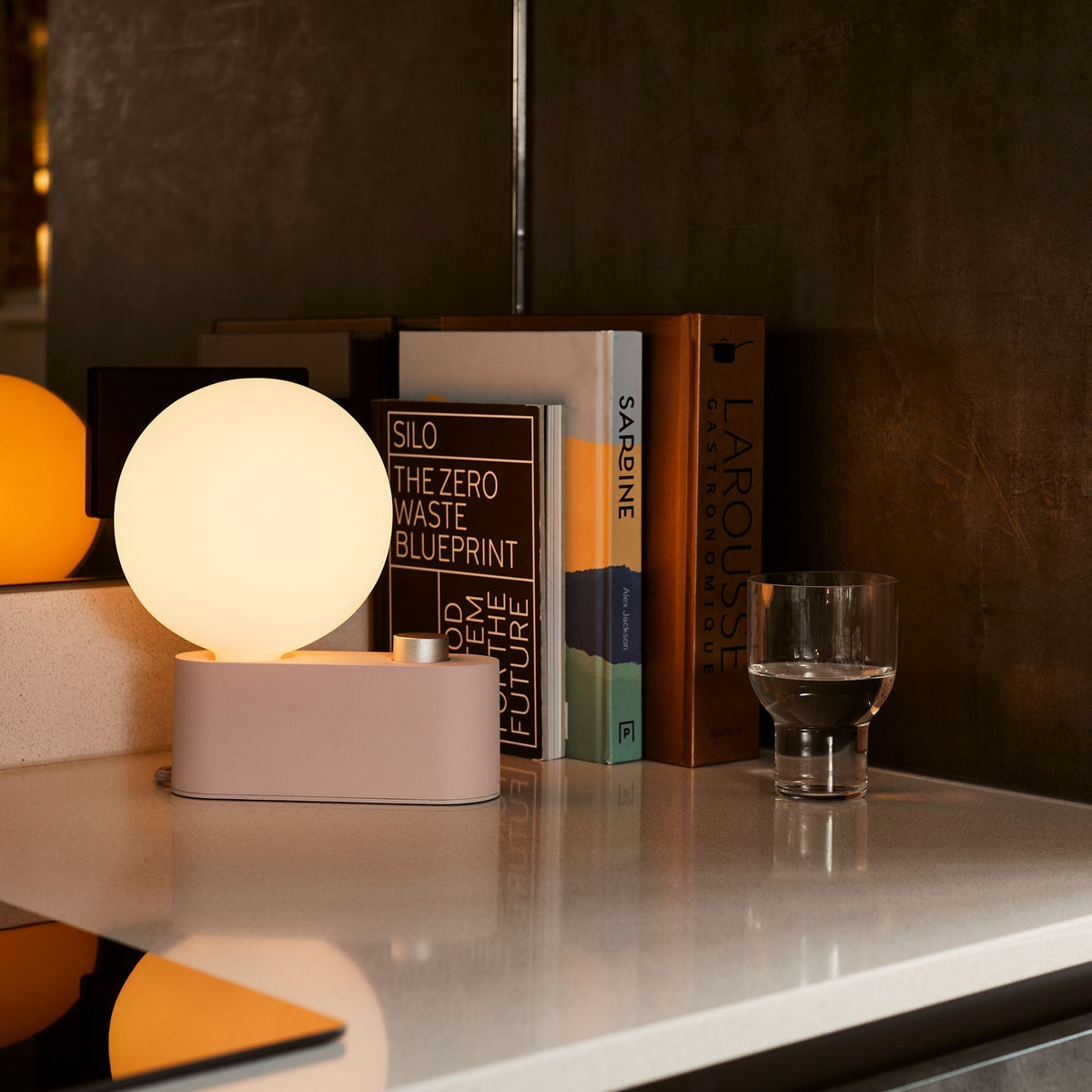
How to Choose a Table Lamp for a Home Office That Needs Softer Lighting

A home office should support focus without making the room feel harsh, flat, or overly bright. The right table lamp can soften the workspace, reduce visual strain, and make the desk feel more comfortable during long stretches of reading, writing, planning, video calls, or screen-based work. Softer lighting is not just about choosing a lower-watt bulb. It comes from the relationship between light temperature, shade material, lamp height, placement, desk scale, and the way the lamp interacts with screens, surfaces, and surrounding furniture.
A thoughtfully chosen table lamp can help the room feel calm without becoming dim. It can create a warmer atmosphere while still supporting practical work. The best choice depends on how the office is used, where the desk sits, how much daylight enters the room, and whether the lamp is meant to provide task lighting, ambient glow, or both.
Softer Home Office Lighting Starts With Glare Control
Harsh lighting usually comes from contrast, not brightness alone. A bulb can be low in output but still uncomfortable if it shines directly into the eyes, reflects on a monitor, or creates sharp shadows across the desk. Softer home office lighting begins by controlling where the light lands and how gently it spreads.
A home office often combines reflective screens, paper, keyboard surfaces, metal accessories, and nearby walls. These surfaces react differently to light. A glossy monitor may catch a bright reflection, while matte paper may need more direct illumination. The table lamp has to balance both needs without overpowering the room.
A softer lighting plan also depends on the overall workspace. A desk, chair, storage, lamp, screen position, and power access all work together. When the workspace is planned as a whole, lighting becomes easier to control. A table lamp pairs best with workspace furniture designed for ergonomic offices, because comfort depends on more than the lamp itself.
Soft Light Is Different From Dim Light
Soft light is diffused, balanced, and comfortable. Dim light is simply lower in brightness. A dim lamp can still feel unpleasant if the bulb is exposed or the shade creates a concentrated hotspot. A soft lamp can still be bright enough for useful work if the shade filters the light and directs it properly.
For a home office, the goal is not to make the room shadowy. The goal is to lower harsh contrast. A good table lamp makes the desk feel usable while helping the rest of the room feel calmer.
The Screen Should Not Be the Brightest Object in the Room
When a monitor is much brighter than its surroundings, the eyes constantly adjust between the screen and the room. This can make the workspace feel tiring, especially in the evening. A softly glowing table lamp helps balance the visual field around the desk so the screen does not feel isolated in a dark room.
The lamp should not point directly at the monitor. It should sit to the side, slightly behind the screen, or on a nearby surface where it can add gentle light without creating reflection.
Choose a Light Temperature That Feels Calm and Functional
Light temperature has a major effect on how a home office feels. Warm light feels relaxed and residential. Neutral light feels balanced and practical. Cool light can feel crisp, but it may also make a home office feel more clinical than comfortable.
For softer lighting, warm white and neutral white are usually safer choices than cool white. The right option depends on when the office is used and what kind of work happens there.
Warm White Light Supports Evening Work and Visual Comfort
Warm white light is often a strong choice for home offices used in the late afternoon or evening. It helps the room feel softer and less intense, especially when paired with a diffused shade. It works well for reading, planning, casual writing, and tasks that do not require extremely sharp visual contrast.
Warm light also helps a home office feel more connected to the rest of the home. This matters when the desk sits in a bedroom, living room, guest room, or shared space.
Neutral White Light Helps Balance Focus and Softness
Neutral white light is useful when the office needs to feel comfortable but still visually clear. It can support paperwork, typing, reviewing documents, and mixed computer work without making the room feel overly warm or overly sharp.
For many home offices, a neutral white bulb in a lamp with a diffused shade provides the best balance. It keeps the work surface readable while maintaining a softer atmosphere.
Cool White Light Should Be Used Carefully
Cool white light can feel alert and bright, but it may be too stark for a home office designed around softer lighting. It can exaggerate contrast, make a room feel less inviting, and create a sharper visual edge around screens and white surfaces.
Cooler light may be appropriate for specific detailed tasks, but it is rarely the best default choice for a softer home office table lamp.
Match Lamp Brightness to the Work Surface, Not the Whole Room
A table lamp does not need to light the entire office. It needs to support the work area without creating visual discomfort. This distinction matters because many people choose a lamp that is too strong, then compensate by placing it farther away, turning it off, or avoiding it during focused work.
A better approach is to choose a lamp that creates useful light at the desk surface while letting the rest of the room stay gentle.
Laptop Work Needs Side Lighting More Than Direct Light
Screens emit their own light, so laptop work often needs less direct illumination than paper-based tasks. The lamp should reduce contrast around the screen without shining into it. A side position usually works better than a front-facing position.
When the lamp sits beside the laptop, the light can soften the desk without competing with the screen. If the lamp is too close to the display, even a beautiful lamp can become distracting.
Reading and Paperwork Need More Focused Illumination
Paper does not emit light, so reading printed documents, writing notes, or reviewing sketches requires more direct support. In this case, the lamp should illuminate the work surface clearly while keeping the bulb shielded from the eyes.
An opaque shade that directs light downward can work well for paperwork, as long as the bulb is not visible from a seated position. A translucent shade can work too, especially when paired with a bulb that is bright enough for reading but soft enough for comfort.
Video Calls Need Gentle Face Lighting
A home office table lamp can also improve video call lighting when positioned thoughtfully. The lamp should not sit directly under the face or shine from a severe side angle. A soft lamp placed slightly in front and to the side can add warmth without creating dramatic shadows.
For calls, diffusion matters more than intensity. A visible bare bulb may make the face look unevenly lit, while a shaded lamp can create a gentler appearance.
Select a Shade Material That Diffuses Light Naturally
The shade controls the personality of the lamp. Two lamps with the same bulb can feel completely different depending on whether the shade is glass, fabric, metal, ceramic, or another material. For softer lighting, the shade should either diffuse the bulb or direct light away from the eyes.
Frosted and Recycled Glass Can Create a Gentle Glow
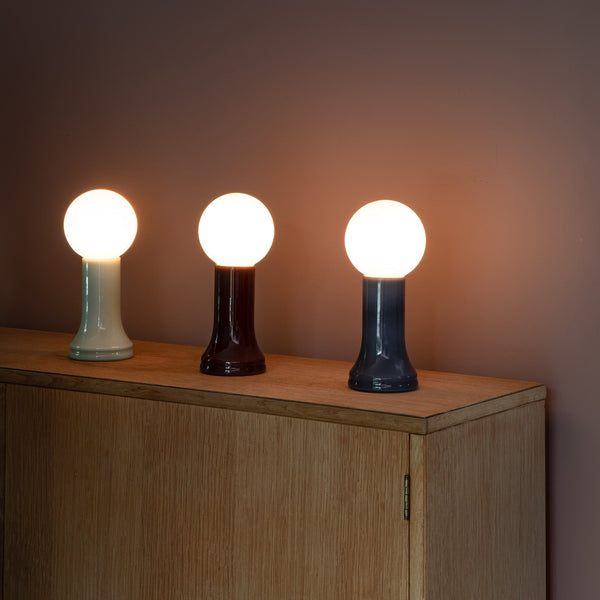
Glass can be especially effective when the goal is softness and atmosphere. Clear glass may expose too much bulb brightness, but frosted, tinted, or textured glass can spread light more gently. A mouth-blown recycled glass table lamp suits a home office where the lamp needs to contribute to mood as much as task visibility.
Glass lamps can also feel visually lighter than heavier opaque designs. This makes them useful on desks or nearby surfaces where the room needs a calmer glow without adding visual bulk.
Fabric Shades Add Warmth and Residential Texture
Fabric shades are a classic choice for soft home office lighting. They filter light through woven material, which can make the room feel warmer and more relaxed. They work well in offices that share space with a bedroom, reading area, or living room.
The bulb still matters. A bulb that is too strong can create a bright patch through the fabric, while one that is too weak may not provide enough usable light. A balanced bulb and a well-proportioned shade make fabric lamps more effective.
Opaque Shades Work When the Bulb Is Fully Hidden
Metal or opaque shades can still support softer lighting when designed and positioned correctly. These lamps are best for directional task lighting. They send light down toward the desk rather than outward into the room.
The key is shielding. If the bulb is visible from the chair, the lamp may feel harsh. If the shade hides the bulb and directs light only where needed, it can be comfortable for focused work.
Position the Lamp to Soften the Desk Without Reflecting on the Screen
Placement can turn a good lamp into a poor lighting experience. A lamp that looks perfect in a product photo may feel wrong if it reflects in the monitor, crowds the mouse area, or casts shadows across the keyboard.
The ideal position depends on desk size, monitor type, writing habits, and room layout. A lamp should support the work surface while staying out of the direct visual path.
Place the Lamp Beside the Main Work Zone
A side position usually works best for softer home office lighting. It lets the lamp wash the desk surface with light without shining directly toward the eyes or screen. For laptop users, the lamp often works well slightly behind the laptop and off to one side.
The exact side depends on the tasks. If handwriting is common, right-handed users often benefit from placing the lamp on the left, while left-handed users often benefit from placing it on the right. This reduces shadows from the writing hand.
Use a Nearby Surface When the Desk Is Too Small
A small desk may not have room for a lamp base, laptop, keyboard, notebook, and accessories. Forcing everything onto the same surface can make the office feel crowded, even if the lighting itself is warm.
A lamp can sit on a nearby cabinet, shelf, or side table to create ambient softness without taking up desk space. A compact lockable filing cabinet can support organization while giving the desk more breathing room for essential work tools.
Check the Lamp From the Seated Eye Line
The most reliable test is simple. Sit where work actually happens and look at the lamp, screen, and desk surface. If the bulb is visible, the lamp may feel harsh. If the bulb reflects on the monitor, the lamp needs to move. If the desk surface is bright but the surrounding room feels black, the lighting may need another layer.
A lamp should feel comfortable from the working position, not only from the doorway.
Scale the Table Lamp to the Desk, Monitor, and Room
A table lamp should look proportional to the workspace and perform at the right height. If it is too tall, the shade may sit near eye level and expose glare. If it is too short, the light may not spread far enough. If the base is too wide, it may make the desk feel cluttered.
Scale is one of the most overlooked parts of choosing a softer home office lamp.
Small Desks Need Slimmer Bases and Controlled Shades
A compact desk benefits from a lamp with a smaller footprint. The base should not compete with the keyboard, mouse, notebook, or monitor stand. A narrow lamp, a lamp placed on a secondary surface, or a compact design with a softly diffused shade can keep the desk functional.
Small spaces also benefit from visual quiet. A lamp with a simple form, muted color, or translucent material can soften the desk without dominating it.
Larger Desks Can Use Taller Lamps With Wider Spread
A deeper desk can handle a taller lamp or broader shade because there is more distance between the light source and the seated user. This extra depth helps soften the light before it reaches the eyes and work surface.
On a larger desk, a lamp can sit slightly farther from the monitor, which reduces reflection risk. It can also create a more even pool of light across the surface.
Laptop Height Changes the Best Lamp Angle
Raising a laptop improves screen positioning, but it can also change how the lamp reflects across the display. When using a slim laptop stand for better screen height, the lamp may need to sit farther to the side or slightly lower so the shade does not appear in the screen.
A raised screen can make the desk feel cleaner and more ergonomic, but the lamp placement should be adjusted around the new sightline.
Compare Table Lamp Types for Softer Home Office Lighting
Different lamp types create different lighting effects. A soft home office does not require one specific style, but it does require a lamp that matches the room’s function and the user’s habits.
| Lamp Type | Softness Profile | Best Home Office Use | What to Watch For |
|---|---|---|---|
| Frosted or textured glass lamp | Gentle glow with visual lightness | Evening work, ambient desk lighting, calm atmosphere | May need added task light for detailed paperwork |
| Fabric shade lamp | Warm, diffused, residential | Reading, writing, mixed home office use | Very bright bulbs can create visible hotspots |
| Opaque task lamp | Focused downward illumination | Paper review, sketching, detailed desk tasks | Can feel harsh if the bulb is exposed |
| Sculptural LED lamp | Design-forward light with compact presence | Minimal workspaces and multipurpose rooms | Check whether the light output suits the task |
| Compact table lamp | Space-saving softness | Small desks, apartment offices, shared rooms | Limited spread if the shade is too small |
Decorative Lamps Can Still Be Practical
A decorative table lamp can work well in a home office if it provides the right light quality. A lamp does not have to look technical to support productive work. In fact, a softer home office often benefits from lighting that feels residential rather than commercial.
A multi-use LED table and wall light can suit rooms where the lighting needs to feel intentional without adding a heavy desk presence. This kind of flexible lighting can support a cleaner, more considered workspace when the lamp’s output and placement match the room’s needs.
Task Lamps Should Still Feel Comfortable
A task lamp is useful when focused work is frequent, but it should not create a hard spotlight effect. The best task lamps keep the bulb shielded, direct light to the surface, and allow the user to position the beam away from the monitor.
A task lamp can be part of a softer home office when it is balanced by ambient light elsewhere in the room.
Layer the Table Lamp With Other Light Sources
A single table lamp often cannot solve every lighting issue in a home office. If the room is too dark, the lamp may feel like a bright island. If the overhead light is too strong, the table lamp may not soften the space enough. Layering creates balance.
A soft lighting setup usually includes ambient light, localized table light, and sometimes a focused task source.
Ambient Light Keeps the Room From Feeling Too Dark
Ambient light fills the room at a low level. It might come from a dim ceiling fixture, daylight through curtains, a wall light, or a lamp away from the desk. This layer prevents the screen from becoming the brightest object in the room.
The table lamp then adds warmth and usability near the work surface rather than carrying the entire lighting plan alone.
Task Light Supports Detail Without Overlighting the Room
Detailed work benefits from task light, but that does not mean the whole office needs to be bright. A directed table lamp can illuminate paper, notebooks, and documents while the rest of the room remains calm.
This is especially useful for home offices that need to feel focused during the day and relaxed after hours.
Accent Light Helps the Office Feel Less Clinical
Accent lighting can soften the corners of the room and make the office feel more connected to the home. A small lamp on a shelf, a softly lit cabinet surface, or a low glow near a wall can reduce the sharp contrast between the desk and surrounding space.
This approach works well when the office doubles as a guest room, reading room, or living area.
Keep Power Access and Cord Control Visually Calm
Softer lighting is partly visual. Even warm, diffused light can feel less calming if cords cross the desk, adapters pile up near the lamp, or charging cables compete with work tools. A clean power plan helps the lamp feel intentional.
Cord control should be considered before choosing the final lamp location. The best lamp position is not only where the light looks good, but also where the cord can be routed cleanly.
Built-In Power Can Reduce Desktop Clutter
When the desk supports a laptop, monitor, phone, lamp, and other daily tools, accessible power becomes important. An in-desk power module with AC and USB ports can keep charging and lamp access closer to the work surface without forcing cords across the desk.
This does not make the lamp softer by itself, but it helps preserve the calm effect the lighting is meant to create.
Clamp-On Power Supports Flexible Lamp Placement
Some desks need a more flexible setup, especially in rental spaces, shared rooms, or offices where the layout changes. A clamp-on power outlet for desk charging can support a cleaner arrangement when the lamp location needs to move or the desk does not include built-in power.
Flexible power access gives the lamp more placement options, which makes it easier to avoid glare and screen reflections.
Lamp Cords Should Stay Outside the Main Work Zone
A cord that cuts across the writing area or keyboard zone can make the desk feel visually messy and physically inconvenient. Whenever possible, the cord should run toward the back or side edge of the desk.
A lamp should support the workspace quietly. If the cord becomes the most noticeable part of the setup, the placement needs adjustment.
Avoid Lamp Choices That Make Softer Lighting Harder to Achieve
Many lighting problems come from small mismatches between the lamp, bulb, desk, and room. The lamp may be attractive, but still wrong for the way the office is used. Avoiding common mistakes makes it easier to create a softer home office without trial and error.
Common Mistakes and Safer Fixes
1. Choosing an exposed bulb for long work sessions
Use a covered shade, frosted bulb, or diffused material so the light source is not directly visible.
2. Using a cool bulb in a room meant to feel relaxed
Choose warm or neutral light when the goal is softness and comfort.
3. Placing the lamp where it reflects on the screen
Move the lamp to the side, slightly behind the monitor, or onto a nearby surface.
4. Buying a lamp that is too tall for the seated position
Make sure the shade hides the bulb when viewed from the chair.
5. Relying on one table lamp for the entire office
Add low ambient light so the lamp does not create a bright island in a dark room.
6. Ignoring the cord path
Plan power access and cord routing before settling on the final placement.
If the Lamp Feels Too Bright
A lamp that feels too bright may not need to be replaced. Try a lower-output bulb, a warmer bulb, or a shade with stronger diffusion. Move the lamp farther from the eyes or angle it away from reflective surfaces.
If the lamp has an exposed bulb, switching to a frosted bulb can make a noticeable difference. The aim is to reduce direct brightness, not remove useful light.
If the Lamp Feels Too Weak
A weak lamp may be poorly placed or paired with the wrong shade. Move it closer to the task area, choose a bulb that fits the lamp’s intended use, or add ambient light elsewhere in the room.
Avoid solving weak lighting by choosing an overly harsh bulb. A brighter bulb may help the desk but make the room less comfortable. Softer lighting depends on balance.
A Softer Home Office Comes From Light That Works With the Room
Choosing a table lamp for a home office that needs softer lighting requires attention to more than style. The shade should soften or direct the bulb. The color temperature should support the mood of the room. The height should protect the seated eye line. The placement should avoid screen reflection. The scale should fit the desk. The cord path should stay clean and unobtrusive.
The best table lamp makes work feel easier to stay with. It helps the screen feel less harsh, the desk feel more inviting, and the room feel more balanced. When softness, function, and placement work together, the home office becomes a space that supports focus without losing warmth.
Related Articles
-
 Shore Table Lamp Ideas That Make Desk Lighting Feel Softer
-
 How to Choose a Table Lamp That Adds Warmth Without Reducing Visibility
-
 Can a Table Lamp Support Evening Work Better Than Overhead Lighting?
-
 How to Use a Table Lamp to Make a Home Office Feel Less Harsh and More Lived In
-
 Best Table Lamp Options for Creating a Relaxed But Productive Workspace
-
 What Size Table Lamp Works Best in Small Offices and Compact Rooms?

