























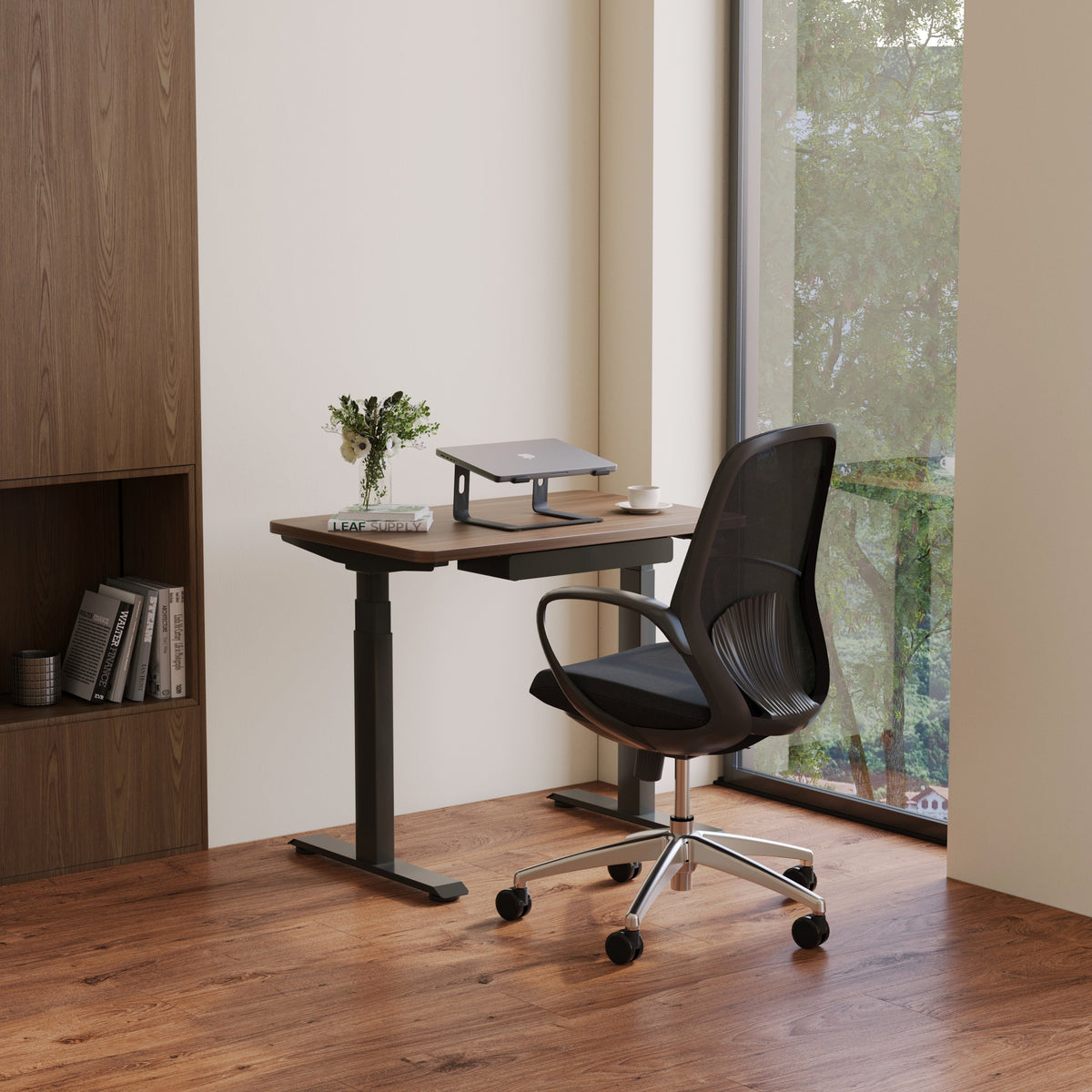
Productivity in Small Spaces: Ways to Build an Office

Living in a small apartment does not mean sacrificing productivity or comfort. With thoughtful choices and smart placement, even a 50 square foot corner can become a powerful workspace that supports your routine. Compact environments simply require more intentional setup. When you understand how to use vertical space, multifunctional furniture, and ergonomic principles, a tiny area can deliver the same level of focus as a full home office.
Start With Support That Does Not Take Up Space
Comfort is the foundation of every workspace, especially in small environments. A supportive Ergonomic Office Chair California option helps you maintain posture and comfort without overwhelming your limited square footage. Good seating allows you to focus even when your workspace is tight.
Why supportive seating matters:
-
It reduces lower back tension.
-
It maintains healthy posture in compact areas.
-
It keeps you comfortable during long working hours.
Comfortable seating allows you to work efficiently without constant shifting.
Add Height Variation to Maximize Small Areas
Being in a tight space does not mean you have to stay still. Incorporating height variation into your routine adds movement and comfort. A flexible standing desk fits well into small corners and encourages gentle movement throughout the day.
Height variation benefits:
-
Helps prevent stiffness created by long sitting periods.
-
Keeps your energy steadier during busy days.
-
Lets you adjust your posture without rearranging the entire room.
Compact living can still support healthy movement.
Build a Smart Surface Setup With a Compact Desk
A small workspace needs a surface that fits your tasks without crowding your space. A functional office desk helps you create a layout that feels open even in tight areas. The right desk acts as a foundation for your entire setup.
Smart layout ideas:
-
Keep tools within easy reach to minimize shifting.
-
Position your screen directly in front of you.
-
Leave enough space for your arms to remain relaxed.
A compact surface supports productivity without overwhelming the room.
Use Research Backed Ergonomic Principles
Working in a small area makes ergonomics even more important. A short ergonomic study provides guidance on proper alignment and seating. These principles protect your neck, shoulders, and back while you work in a cramped space.
Key ergonomic recommendations:
-
Keep feet flat on the floor when seated.
-
Maintain a neutral wrist position.
-
Position screens at eye height to prevent leaning.
These small adjustments help you stay comfortable in tight corners.
Add Arm Support for Better Upper Body Balance
Shoulder tension builds quickly in small work areas. Using an adjustable Ergonomic Arm helps your shoulders stay in a natural position while working on a laptop or reading. Arm support reduces upper body strain, especially in compact setups.
Why arm support helps:
-
It keeps shoulders relaxed instead of lifted.
-
It prevents wrist strain during typing.
-
It helps maintain a comfortable posture for longer periods.
A small accessory can provide big relief in tiny workspaces.

Choose Seating That Moves With You, Not Against You
Movement is essential for comfort, and seating that supports natural motion can be a powerful upgrade in a small office. A supportive work chair encourages small shifts that help you stay comfortable throughout your routine.
Seating advantages:
-
Better long term posture.
-
Reduced lower body strain.
-
Gentle movement that keeps your focus steady.
Supportive seating enhances productivity regardless of space limitations.
Table: Small Space Challenges and Smart Solutions
|
Challenge |
Common Effect |
Smart Upgrade |
|
Limited floor space |
Hard to move comfortably |
Use a compact desk and vertical storage |
|
Narrow seating area |
Shoulder and neck tension |
Supportive ergonomic seating |
|
Minimal surface space |
Clutter and distraction |
Use a small but efficient work surface |
|
Awkward screen height |
Neck strain |
Elevate screen to eye level |
|
Poor lighting |
Eye fatigue |
Add soft task lighting |
|
Tight layout |
Hard to stay organized |
Use wall shelves or slim storage |
Create Micro Zones in Tiny Apartments
Even in a 50 square foot area, zones can help divide activities. A small corner can become a working space simply by designating it intentionally. Having a micro zone signals your brain that it is time to focus.
Helpful micro zone ideas:
-
Use a small desk to separate work from relaxation.
-
Move a lamp nearby to mark the area as task oriented.
-
Add a plant or artwork to visually define the space.
Zones help your apartment feel larger and more purposeful.
Use Lighting to Support Comfort and Productivity
Good lighting helps reduce eye fatigue and improve concentration. In small apartments, lighting often feels limited, so intentional placement matters.
Lighting upgrades for tiny spaces:
-
Place a small lamp near your desk.
-
Use soft white lighting to reduce strain.
-
Avoid bright direct light behind your screen.
Even small lighting adjustments make your workspace feel more comfortable and usable.
Keep Your Setup Easy to Reset Daily
Tiny apartments require flexibility. Your workspace should be easy to assemble and easy to put away. A simple routine helps maintain a clean and usable living area.
Reset routine tips:
-
Tuck away your laptop when finished.
-
Keep a small container for loose items.
-
Leave the space clear for the next day.
A quick routine helps maintain balance in small living areas.
Checklist for a Tiny But Mighty Workspace
Use this checklist to create a strong setup even in tight spaces.
Tiny Workspace Checklist
-
Supportive seating that fits your space.
-
A compact desk that supports your tasks.
-
Arm support for better alignment.
-
A light source for evening work.
-
A micro zone that marks your workspace.
-
Screen positioned at eye level.
-
Clutter free surface.
-
Natural movement throughout the day.
-
Tools stored neatly nearby.
-
A reset routine for end of day clarity.
How Small Spaces Can Still Support Big Productivity
A small workspace can still help you accomplish your goals. With the right ergonomic upgrades and intentional layout, you can feel comfortable and focused even in limited square footage. Smart planning encourages better posture, reduced tension, and steady workflow.
Productivity benefits:
-
Increased concentration.
-
Better comfort during long tasks.
-
A balanced daily routine.
Small spaces do not limit your abilities when set up intentionally.

When Small Corners Become Powerful Workspaces
A tiny apartment can still support your work and your wellbeing. Ergonomic principles, thoughtful placement, and compact furniture help you create a workspace that fits your lifestyle. When your environment feels supportive, comfort becomes part of your routine. Your small corner can become a place that helps you stay productive, comfortable, and ready for each day.
Related Articles
-
 This Is How To Build A Small Home Office You Actually Want To Work From, And How To Pick Desks For Small Spaces - Urbanica Furniture's Full Guide
-
 Filing Cabinets for Small Spaces That Still Look Clean Now
-
 Minimalist Office Table Ideas That Work Like a Bistro Table
-
 Make Small Shared Spaces Work Better With a Bistro Table
-
 Best Filing Cabinet Layout Ideas for Small Home Offices and Shared Rooms
-
 What Size Filing Cabinet Makes Sense for Small Workspaces?


