



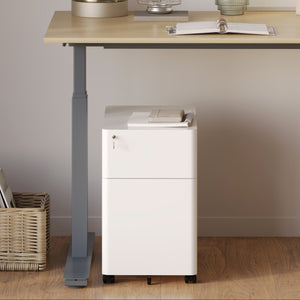






















Filing Cabinet Choices for Cleaner Workstation Planning
Cleaner workstation planning starts with filing storage that matches the desk, document volume, security needs, and daily workflow. Explore how cab...
Learn more
Visit quiz page to see how we makes it easy to create an inspiring workplace


Remote work rarely looks like a single uninterrupted task. It is a cycle of typing, reading, calls, short edits, and returning to the same seat repeatedly throughout the day. Over time, the chair is not simply holding weight. It influences spinal alignment, shoulder positioning, hip stability, and how easily posture can reset between tasks.
In traditional offices, movement is often built into the environment through meetings, shared spaces, and natural transitions. At home, work tends to compress into longer seated periods with fewer interruptions. This shift makes seating decisions more consequential. The chair becomes one of the most used tools in the workspace, shaping comfort and focus far more than most people expect.
From our perspective, a chair should support realistic work habits rather than idealized posture. The goal is not perfection but sustainability. A well-matched chair allows the body to work without constant correction or discomfort, even as routines evolve.
Office chairs are typically designed to support neutral posture, meaning the spine’s natural curves are encouraged without forcing the body into a fixed position. Neutral posture allows the pelvis to remain stable while the upper body stays balanced over it. This approach supports both focus and physical ease during extended desk work.
Rather than locking the user into one position, most office chairs are built to accommodate small, frequent posture changes. These micro-adjustments help reduce fatigue and prevent strain from building unnoticed over time.
One of the most meaningful structural differences in office seating is how lumbar support is handled. Office chairs often integrate lumbar shaping directly into the backrest or allow subtle adjustment within the frame. This ensures the support remains aligned with the spine as the chair height or recline changes.
By contrast, removable cushions can shift or compress during use. While they may feel comfortable initially, they often require readjustment during longer work sessions. Integrated support tends to stay consistent with less effort from the user.
Remote work involves constant transitions between activities. Typing, reviewing documents, attending video calls, and reading all place slightly different demands on posture. Office chairs address this reality through adjustability rather than padding alone.
Common adjustments that support remote work include seat height, recline tension, armrest positioning, and seat depth. Together, these features allow the chair to adapt as tasks change, supporting comfort without interrupting workflow.
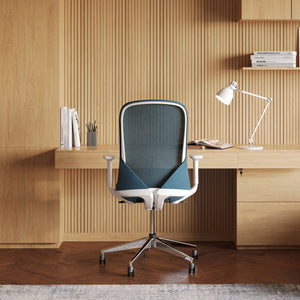
Evaluating options within a collection of chairs for office and home workspaces helps clarify which designs prioritize daily task support. Chairs in this category are generally created to handle long work sessions, frequent adjustments, and consistent use rather than occasional sitting.
Gaming chairs are strongly influenced by racing seats, which are designed to hold the body firmly in place. High backs, pronounced side bolsters, and headrest pillows create a contained seating experience. While this can feel supportive, it often promotes a reclined posture that may not align with desk-focused work.
For remote work that involves frequent typing or mouse use, restricted shoulder movement or elevated arm positions can introduce tension over time. These effects are subtle at first but become more noticeable during longer workdays.
Gaming chairs often emphasize immediate comfort through thick padding and visual cues of support. However, comfort during the first hour does not always translate into comfort after several hours of focused work. Detachable lumbar pillows can move out of position, requiring frequent adjustment.
For individuals who divide time evenly between gaming and work, this tradeoff may feel acceptable. For work-first schedules, seating that prioritizes posture consistency tends to be more reliable over time.
Gaming chairs can make sense for remote workers who prefer a reclined posture, have a desk setup designed around that posture, and value a single chair for both work and recreation. The key is alignment between chair design and actual daily habits, not category labels alone.
A comparison grounded in daily work behavior provides more clarity than aesthetic distinctions.
| Remote work consideration | Office chair tendency | Gaming chair tendency |
|---|---|---|
| Upright typing support | Structured back and lumbar alignment | Recline-oriented posture |
| Arm mobility | Designed for desk interaction | May be restricted by side bolsters |
| Long-session airflow | Mesh or task fabrics common | Synthetic leather more common |
| Posture variability | Built-in micro-adjustability | Often relies on cushions and tilt |
| Visual integration | Subtle, workspace-friendly | Bold, visually dominant |
The most important takeaway is that the chair’s design intent should match the posture required by the work itself. A well-designed chair of either type can work, but mismatches become apparent quickly during daily use.
A useful evaluation method is desk-task alignment. This asks whether the chair comfortably supports the posture required by the most frequent tasks. Typing-heavy roles often benefit from upright support and relaxed shoulders. Reading or creative work may allow more recline. The chair should make these postures easy rather than forced.
Writers, developers, analysts, and operations professionals often remain seated for long, uninterrupted stretches. Chairs that support upright posture without strain tend to work best here. Consistent lumbar support and adjustable armrests help reduce fatigue during long keyboard sessions.
Frequent video calls benefit from stable posture. Chairs that encourage upright positioning help maintain consistent camera framing and reduce neck strain. Upper back support becomes particularly important when calls extend beyond short check-ins.
Some remote workers use the same chair for work, reading, and personal activities. In these cases, versatility matters. Chairs that support both upright desk work and relaxed sitting without constant readjustment tend to fit best.
The Ergonomic Novo Chair reflects a design approach focused on adjustability and integrated support. Its structure is intended to accommodate posture changes throughout the day, making it suitable for varied remote work tasks without relying on external cushions.
For roles that emphasize sustained typing and desk engagement, the Ergonomic Onyx Chair represents a more structured seating profile. This type of chair supports consistent posture and is often preferred by those who want minimal distraction from their seating.
Not all remote work involves long continuous sessions. The Seashell Chair suits environments where movement is frequent and the workspace is shared or reconfigured often. Its lighter presence complements flexible routines.
When a home office is part of a shared or visible space, aesthetics matter. The Muse Chair offers a streamlined design that integrates easily into residential interiors while still supporting seated work.
A chair cannot perform well if the desk height forces awkward angles. Proper alignment allows feet to rest flat, elbows to remain near the body, and the screen to sit at a comfortable viewing height. When these elements are mismatched, even a well-designed chair can feel uncomfortable.
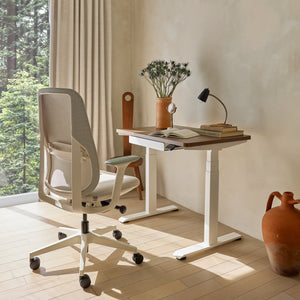
Choosing desks for productive work setups helps ensure that chair adjustments can be used effectively. Adequate leg clearance, sufficient depth, and appropriate height allow the chair to support posture as intended.
Home offices are often located in multipurpose rooms. Oversized or visually dominant chairs can make spaces feel crowded, which subtly affects how people sit. Office chairs with balanced proportions tend to integrate more naturally into residential environments.
Breathable materials often feel more consistent across seasons and longer sessions. Chairs that remain comfortable throughout the day reduce the tendency to perch or shift awkwardly, supporting better posture habits without conscious effort.
Body proportions, sitting habits, and desk setups all influence how a chair feels. A chair that works well for one person may feel off for another, even within the same category. Direct experience helps reveal these differences.
A hands-on office furniture showroom experience allows users to understand how different chairs respond to movement, how materials feel during longer sitting, and how easily adjustments can be made. This interaction often clarifies preferences that are difficult to assess online.
Remote work continues to evolve, and seating needs evolve with it. Roles shift, schedules change, and work habits adapt. Chairs designed around daily task support and posture variability tend to remain useful through these changes.
Office chairs are generally built to support sustained desk work and subtle movement throughout the day. Gaming chairs often prioritize a specific seating identity tied to recreation. The most effective choice is the one that aligns with actual work posture, integrates with the desk and room, and supports comfort without demanding attention.
From our perspective, a chair earns its place when it quietly supports focus, adapts to real routines, and feels at home in the space it occupies.


You have unlocked free shipping!
You're saving $29 and unlocked free shipping!
Leave a comment