



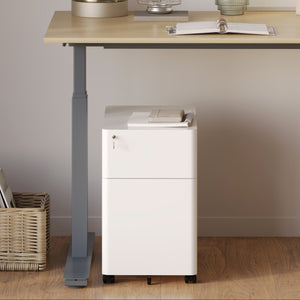






















Filing Cabinet Choices for Cleaner Workstation Planning
Cleaner workstation planning starts with filing storage that matches the desk, document volume, security needs, and daily workflow. Explore how cab...
Learn more
Visit quiz page to see how we makes it easy to create an inspiring workplace


Poor posture rarely starts with a sudden injury. It develops quietly through everyday habits, especially the way we sit, stand, and work. Many people blame long hours or busy schedules for aches and stiffness, but the real issue is often the furniture supporting those hours. Desks that sit too low, chairs that fail to support the spine, and work setups that force awkward positions slowly reshape posture over time.
The good news is that posture is not permanent. The right furniture choices can correct alignment, reduce strain, and help the body return to healthier movement patterns. Understanding how posture breaks down and how furniture fixes it is the first step toward lasting comfort.
Poor posture is not a personal failure. It is a design problem. Modern workspaces often encourage positions the human body was never meant to hold for long periods. Leaning forward toward a screen, rounding the shoulders, and craning the neck become default postures when furniture does not support natural alignment.
Over time, these positions strain muscles, compress joints, and reduce circulation. The body adapts to these stresses by tightening certain muscles and weakening others. What starts as mild discomfort can turn into chronic pain, reduced mobility, and fatigue.
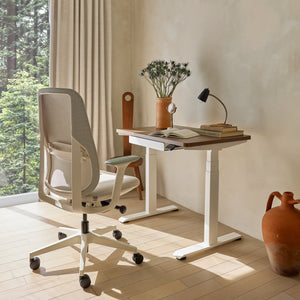
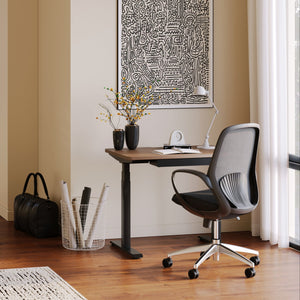
A workspace built around an Office Desk California shows how furniture height, surface depth, and clearance play a critical role in preventing these issues. When furniture fits the body, posture improves naturally instead of requiring constant correction.
Posture influences far more than how you look while sitting or standing. It affects breathing, circulation, and muscle balance.
Poor posture places uneven stress on the body.
Chronic neck and shoulder pain
Lower back compression and stiffness
Reduced lung capacity due to slouching
Headaches caused by muscle tension
Decreased energy from poor circulation
These issues often appear gradually, making them easy to ignore until discomfort becomes unavoidable.
The desk is one of the most influential pieces of furniture in posture health.
When desk height is incorrect, the body compensates.
Shoulders lift when desks are too high
Wrists bend unnaturally on shallow surfaces
Slouching occurs when desks sit too low
Neck strain increases with poor screen alignment
Lower back support is compromised
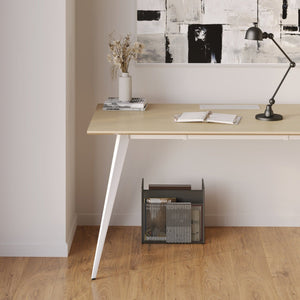
A thoughtfully proportioned office desk supports neutral posture by allowing the arms, shoulders, and spine to align naturally during work.
The human body is designed for movement, not static positions. Sitting for long periods compresses the spine and limits circulation, while standing too long without support can strain the legs and lower back. The problem is not sitting or standing itself. It is staying in one position for too long.
Furniture that encourages movement allows the body to shift positions throughout the day. Alternating between sitting and standing reduces muscle fatigue and joint stiffness. This movement also helps maintain better posture by preventing the body from settling into harmful positions.
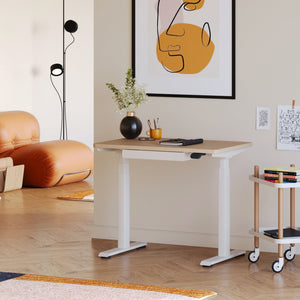
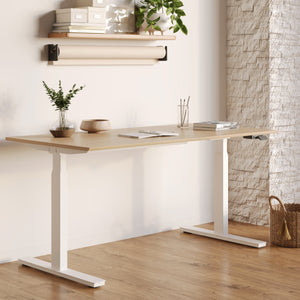
Workspaces that include a standing desk allow posture to reset regularly, supporting healthier alignment without constant effort.

Seating is often blamed for discomfort, but not all chairs are created equal.
A well-designed chair works with the body, not against it.
Lumbar support that maintains spine curvature
Seat depth that supports thighs without pressure
Adjustable height for proper leg alignment
Arm support that reduces shoulder tension
Stable base for balanced weight distribution
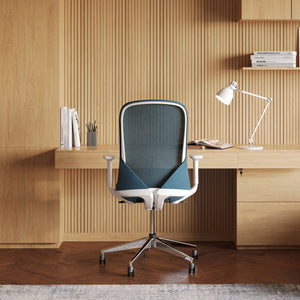
Guidelines outlined in this ergonomic chair guide explain why seating design directly affects posture and long-term comfort.
Furniture accessories often seem optional, but they play a key role in posture health. Small adjustments can make a significant difference when supporting natural movement.
Accessories that allow screens, keyboards, and arms to move freely help maintain alignment throughout the day. They reduce the need for awkward reaches and static positions. Thoughtfully integrated accessories also help keep desk surfaces clear, which encourages better posture by reducing clutter-induced strain.
|
Furniture Element |
Poor Design Effect |
Supportive Design Benefit |
|
Desk |
Slouching |
Neutral alignment |
|
Chair |
Back pain |
Spinal support |
|
Accessories |
Shoulder strain |
Natural movement |
|
Static setup |
Muscle fatigue |
Postural variation |
|
Adjustable setup |
N/A |
Long-term comfort |
Good posture should not require constant reminders.
Ergonomic tools reduce strain automatically.
Adjustable arm support for natural reach
Stable seating that encourages upright posture
Desk layouts that reduce forward lean
Clear work surfaces for relaxed movement
Consistent furniture alignment
An ergonomic arm allows screens and input devices to move with the body, while a supportive ergonomic chair maintains posture without stiffness or pressure.
Ignoring posture issues does not make them disappear. Over time, the body adapts to poor alignment in ways that are difficult to reverse. Muscles shorten, joints stiffen, and pain becomes a regular part of daily life. Reduced mobility can affect sleep, energy levels, and overall well-being.
Work-related posture problems often extend beyond work hours. Discomfort follows people into their personal lives, limiting physical activity and reducing quality of life. Addressing posture early through furniture changes is far easier than treating chronic pain later.
Furniture that supports healthy posture acts as preventive care. It protects the body before discomfort becomes damage.

Posture improves most effectively when it is supported, not forced.
Use desks that fit your body
Choose seating with proper support
Alternate between sitting and standing
Keep work surfaces clear and aligned
Invest in accessories that encourage movement
When furniture works with the body, posture improves naturally. Comfort increases, focus improves, and long-term health benefits follow. Fixing posture starts with fixing what supports you every day.


You have unlocked free shipping!
You're saving $29 and unlocked free shipping!
Leave a comment