























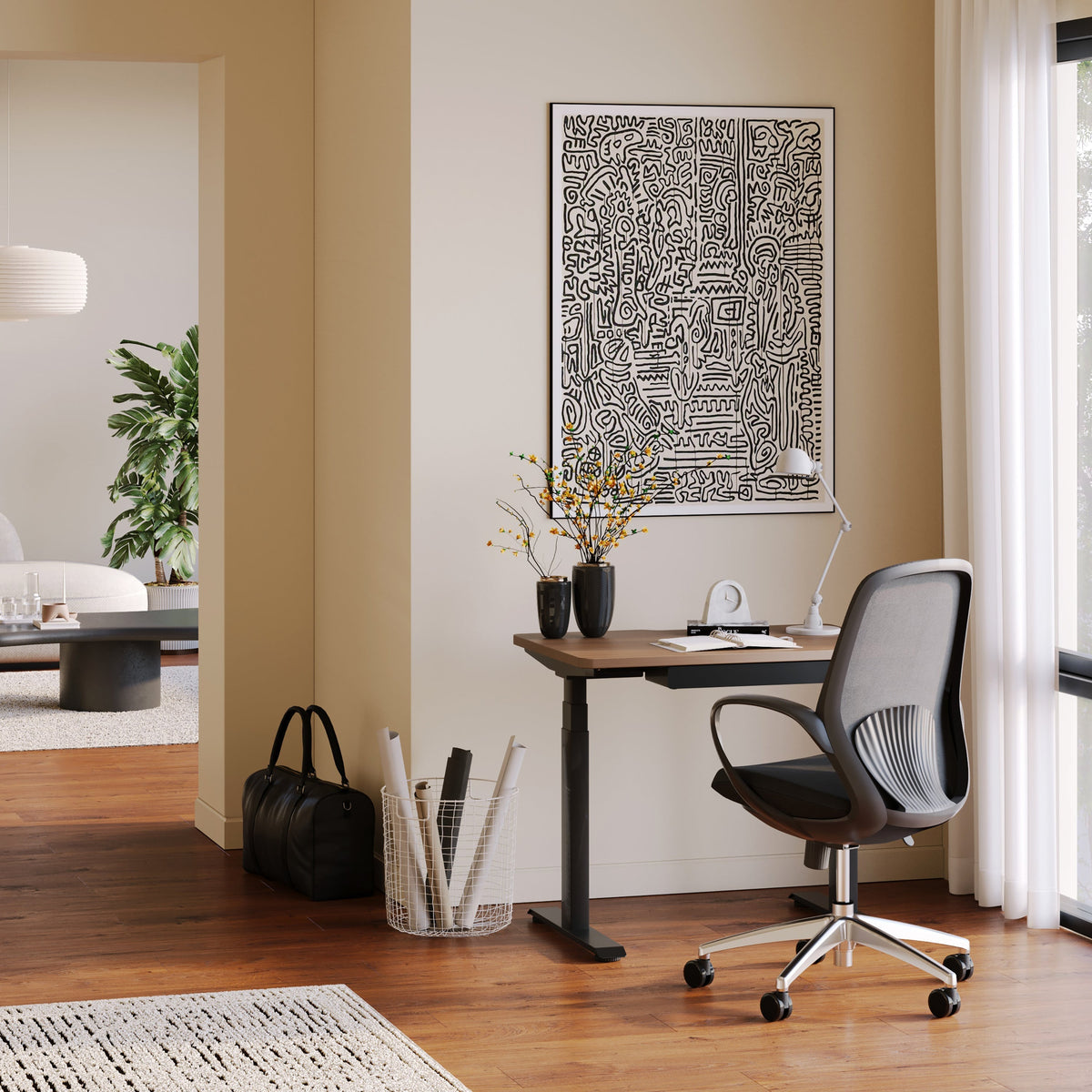
Miniature Office Desk Styles for Small Homes

Space Efficient Principles That Shape Modern Miniature Desk Design
Small homes require workspaces that feel intentional, balanced, and supportive of daily routines without overwhelming limited square footage. The success of a miniature desk design depends on striking the right equilibrium between surface space, ergonomics, and visual clarity. When the footprint of a workstation shrinks, every design choice carries more weight. The desk no longer acts as a simple piece of furniture but instead becomes a central tool that governs comfort, workflow, and overall home cohesion.
How Spatial Constraints Influence Desk Dimensions and Layout Choices
In compact environments, the ideal desk footprint depends on how often the space is used, how much equipment is required, and which part of the home the desk will occupy. A shallow desk provides enough room for a laptop and a few essentials while preserving walkways and allowing flexible placement. Many small homes benefit from desks that maintain a balance between narrow width and modest depth, which prevents visual crowding and supports a more natural movement path.
Spatial constraints also influence how users organize items within reach. A well designed miniature desk keeps tools close without forcing clutter onto the primary surface. This efficient setup supports productivity and reduces the likelihood of workspace fatigue that often comes from working in tight quarters.
Balancing Compact Form With Daily Function
A miniature desk must remain comfortable throughout repeated use. Surface depth should allow relaxed arm placement, while the width should accommodate laptops, lighting, and frequently used items. Even for smaller setups, ergonomic seating plays a vital role in creating a healthy workstation. Pairing a compact desk with supportive seating elevates comfort and helps users maintain steady focus throughout the day.
The ergonomic Novo chair supports this approach by offering posture friendly features that integrate naturally with small scale desk environments. It helps users maintain neutral alignment, which is especially important when surface space is limited and movement range is slightly reduced.
Navigating Visual Weight and Minimalist Design
A minimalist design reduces visual stress and helps the desk blend seamlessly into tight layouts. Slim legs, matte finishes, soft edges, and light toned materials contribute to a sense of openness. When a desk carries a low visual weight, the rest of the room maintains its balance even when space is tight. This principle is essential for small homes that merge living, dining, and working areas into a single environment.
Compact Desk Styles Optimized for Small Homes
Miniature desk styles come in varied forms, each offering unique advantages that support compact living. By choosing a design tailored to the home’s spatial rhythm, users can create highly functional setups without sacrificing aesthetics.
Narrow Frame Desks for Tight Corners and Slender Wall Sections
Narrow frame desks create opportunities to transform unused wall lengths or corners into efficient work areas. These desks excel in areas that cannot accommodate deeper furniture, such as hallways or slim bedroom walls. Their slender profile encourages an uncluttered setup and preserves circulation throughout the home.
The compact desk options collection offers multiple forms suitable for environments where space must be used thoughtfully. These styles help maintain visual harmony while providing adequate functionality for daily tasks.
Minimal Surface Desks for Clean, Unobtrusive Workstations
Minimal surface desks appeal to those who prefer simplicity and streamlined organization. These desks support laptop work, writing tasks, and neatly arranged accessories without overwhelming a small room. Their clean surfaces contribute to a calm and structured atmosphere, which is essential for productivity in constrained areas.
The simple office desk design complements these environments through a straightforward structure that supports essential work functions while keeping the visual footprint light.
Multi Use Desks That Double as Side Tables or Console Tables
Miniature desks that integrate into the home as decorative surfaces provide added versatility. They function as side tables during downtime or as console tables in living spaces, ensuring the home feels cohesive even when not in work mode. This adaptability is especially helpful in open plan environments where furniture must serve multiple purposes without creating stylistic conflicts.
Micro Desks for Transitional Spaces
Micro desks excel in entryways, hallways, and alcoves where traditional desks would feel intrusive. Their adaptability allows users to create small work zones in areas that typically go unused. When paired with compact seating, these micro stations become functional extensions of the home without demanding large amounts of space.
Standing Desk Formats Built for Miniature Office Environments
Standing desks formulated for compact spaces help users integrate movement into their daily routines without requiring large furniture pieces. Small homes benefit greatly from adjustable workstations that encourage varied postures and reduce prolonged sitting.
Why Movement Centered Workspaces Are Increasing in Small Homes
Remote and hybrid work lifestyles have increased awareness around ergonomics. Users now recognize the value of dynamic work habits such as alternating between sitting and standing. Ergonomic posture guidelines play a significant role in determining desk height, screen placement, and body alignment.
The OSHA guidelines available through ergonomic workspace best practices provide foundational information on healthy positioning and offer credible direction for creating supportive environments.
Height Adjustable Desks That Fit Naturally Into Tight Layouts
Height adjustable desks provide flexibility for users who prefer a changing work posture or who share a workspace with people of different heights. Even in small rooms, these desks contribute to comfort and flow by reducing dependency on fixed seating positions.
The space conscious standing desk offers a practical adjustable structure suitable for users who want movement options without occupying excessive room space.
Ultra Small Standing Desks for Flexible Home Setups
For micro apartments or multipurpose rooms, ultra small standing desks create functional zones without overwhelming the overall layout. They can easily be repositioned, allowing users to shift from one part of the home to another depending on the activity or time of day.
The compact height adjustable mini desk supports this flexible approach by offering a small footprint that adapts to both sitting and standing arrangements.
Transitioning Between Sitting and Standing in Tight Spaces
Smooth transitions in compact environments require careful chair placement and cable routing. Chairs should tuck neatly beneath the desk when not in use, and accessories should be positioned so that height adjustments do not disrupt surrounding furniture. This careful planning prevents workspace interruptions and contributes to a more fluid routine.
Ergonomic Seating That Complements Miniature Desk Footprints
Proper seating dramatically enhances the usability of miniature desks. The right chair supports comfort, focus, and posture even when the desk occupies only a small part of the home.
Why Proper Seating Matters Even When Desk Size Is Minimal
The smaller the desk, the more crucial the seating becomes. A chair that does not align well with the desk height or surface depth can cause shoulder tension or wrist discomfort. The right ergonomic seating restores balance by ensuring that the user maintains neutral positioning despite limited workspace dimensions.
Seating Options Designed for Small Work Areas
Ergonomic chairs designed with smooth contours and adaptable features work well in constrained settings. They support long periods of focus and reduce the physical strain that often results from working at compact desks.
The ergonomic Onyx chair fits these requirements with supportive elements that suit a broad range of miniature desk styles.
Chairs That Balance Comfort and Space Preservation
Some rooms benefit from visually lightweight seating that complements the desk without adding clutter. Materials with soft curvature and compact proportions help integrate the desk into the surrounding environment naturally.
The Muse chair for small workspaces works well in these areas through its refined silhouette that occupies minimal physical and visual space.
Strategic Placement Techniques for Mini Desks in Small Homes
The effectiveness of a miniature desk often depends on its placement. Choosing the right spot ensures steady focus, minimizes distractions, and supports the rhythm of the broader living environment.
Corner Positioning to Create Privacy and Dedicated Work Zones
Corners provide built in spatial boundaries that help create a dedicated workspace within multipurpose rooms. Placing a miniature desk in a corner produces a sense of separation that improves concentration. The natural enclosure also helps the desk feel intentional within the home’s design.
Floating Walls, Low Profile Storage, and Smart Accessories
Storage solutions that don’t compete for floor space are essential in small desk setups. Wall mounted systems, under desk trays, slim lighting, and cable management tools keep the area clean and organized. By elevating storage, users preserve the visual openness of the workstation.
Comparison of Storage Types Suitable for Miniature Desk Areas
| Storage Solution | Best For | Why It Works in Small Spaces |
|---|---|---|
| Wall mounted shelves | Vertical organization | Keeps desk surface clear |
| Under desk trays | Small accessories | Maintains workspace visibility |
| Pegboards | Tools and flexible arrangement | Offers custom setups |
| Slim drawers | Everyday essentials | Reduces visual clutter |
Using Light, Color, and Materials to Visually Expand Tight Work Areas
Well chosen lighting and finishes help visually enlarge small offices. Light colors reflect brightness, while matte surfaces reduce glare. Simple textures avoid visual overload and make the desk appear as a natural extension of the room.
Aesthetic Approaches That Make Miniature Desks Feel Intentional
A miniature desk can either stand out or integrate seamlessly into the home. Intentional style choices shape the overall experience of the workspace.
Material and Finish Choices That Minimize Visual Noise
Wood grains introduce warmth, soft neutrals produce calmness, and whites expand perceived space. Materials that avoid heavy patterns or glossy reflection maintain a more harmonious appearance. These details help the desk feel curated rather than improvised.
Desk Styling That Integrates Seamlessly Into Shared Living Spaces
When desks are placed in living rooms or bedrooms, their design should complement surrounding furniture. Matching tones, similar leg structures, and balanced proportions help maintain unity. Accessories should remain minimal to reinforce a polished look.
Accessory Minimization Techniques
-
Limit color variations for visual cohesion
-
Choose low profile organizers
-
Maintain symmetry to encourage calmness
The Evolving Role of Miniature Office Desks in Small Home Living
Miniature desk designs continue to evolve as more individuals adopt blended work routines. These desks support balance, structure, and efficiency while reflecting the modern home’s need for thoughtfully scaled furniture.
Emerging Design Trends Centered on Hybrid Work and Micro Furniture
Growing demand for small living solutions has inspired designers to create pieces that serve multiple functions and integrate into compact home layouts. Miniature desks now prioritize adaptability, comfort, and efficient use of vertical and horizontal space.
How Thoughtfully Designed Mini Desks Enhance Productivity and Well Being
A miniature desk that fits comfortably within the home encourages consistent routines and reduces work related stress. By supporting posture, maintaining visual clarity, and blending naturally into compact environments, these desks help users build productive habits that feel sustainable over time.
Related Articles
-
 This Is How To Build A Small Home Office You Actually Want To Work From, And How To Pick Desks For Small Spaces - Urbanica Furniture's Full Guide
-
 Filing Cabinets for Small Spaces That Still Look Clean Now
-
 Minimalist Office Table Ideas That Work Like a Bistro Table
-
 Make Small Shared Spaces Work Better With a Bistro Table
-
 Best Filing Cabinet Layout Ideas for Small Home Offices and Shared Rooms
-
 What Size Filing Cabinet Makes Sense for Small Workspaces?


