


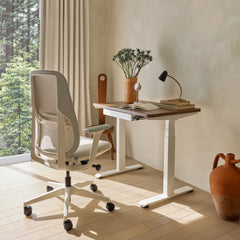
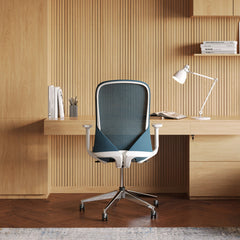

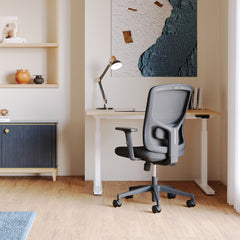
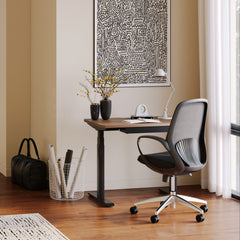






How the Right Chair Changes Everything

Choosing an ergonomic chair is one of the most important decisions you can make for your daily comfort, focus, and long-term health. Yet many people rush this choice, assuming all ergonomic chairs work the same way. They do not. A chair that supports one person perfectly may cause discomfort for another within hours.
The right ergonomic chair adapts to your body, your desk, and how you work. It should quietly support posture, reduce strain, and make long work sessions feel manageable rather than exhausting. Understanding what truly matters in ergonomic seating helps you avoid common mistakes and choose a chair that genuinely improves your workday.
Why Ergonomic Chairs Matter More Than You Think
An ergonomic chair is not just a seat. It is a tool that influences how your spine, shoulders, neck, and hips function throughout the day. Sitting for extended periods places pressure on the lower back, compresses spinal discs, and reduces circulation when alignment is not properly supported.
Many people only notice their chair once discomfort appears. By that point, poor posture habits are already ingrained. Choosing supportive seating early helps prevent pain before it becomes chronic and harder to correct.
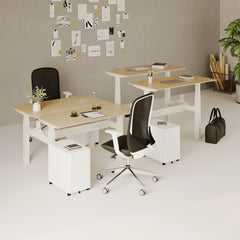
A well-balanced workspace that includes Office Desk Los Angeles shows how ergonomic seating works best when it aligns with desk height, screen position, and natural movement. When adjusted correctly, an ergonomic chair should feel almost invisible, supporting the body quietly without constant awareness.
Core Features Every Ergonomic Chair Should Have
Adjustability Is Non-Negotiable
Ergonomic chairs must adapt to the user, not the other way around.
Why One-Size-Fits-All Chairs Fail
Bodies differ in height, weight distribution, and posture habits.
Essential Ergonomic Chair Adjustments
-
Seat height that allows feet to rest flat
-
Adjustable backrest to support spinal curves
-
Seat depth that supports thighs without pressure
-
Arm support that reduces shoulder tension
-
Stable base for balanced weight distribution
Without these features, even well-designed chairs fall short during long work sessions.
How an Ergonomic Chair Works With Your Desk
Seating and Desk Must Work Together
A chair cannot function properly if the desk setup is wrong.
Why Chair Comfort Depends on Desk Height
Misaligned desks force the body to compensate.
Chair and Desk Alignment Tips
-
Chair height should align elbows with desk surface
-
Backrest should support upright posture at desk level
-
Armrests should clear the desk without lifting shoulders
-
Legs should have unrestricted movement
-
Desk clearance should allow relaxed seating
A properly scaled office desk allows ergonomic chairs to do their job without creating new strain points.

Sitting, Standing, and the Role of Movement
Even the best ergonomic chair cannot replace movement. Sitting in one position for too long stresses muscles and joints. The goal of ergonomic seating is not perfect stillness, but comfortable variation.
Alternating between sitting and standing reduces fatigue and improves circulation. Chairs that allow easy transitions make it simpler to change posture throughout the day. Ergonomic seating supports movement rather than discouraging it.
Ergonomic Chairs in Flexible Workspaces
Why Modern Workspaces Demand More From Seating
Workspaces today are dynamic, not static.
Chairs That Support Changing Work Styles
Ergonomic seating should accommodate different tasks.
Features That Support Flexibility
-
Smooth height adjustment
-
Backrest support in multiple positions
-
Arm support that moves with posture
-
Compatibility with adjustable desks
-
Visual design that blends into the workspace
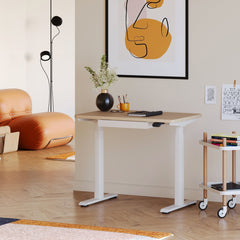
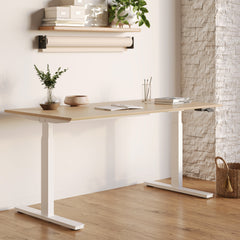
When paired with a height-adjustable standing desk, ergonomic chairs help maintain comfort through posture changes without disrupting workflow.
What Ergonomic Research Says About Chair Selection
Research consistently shows that poorly designed seating contributes to musculoskeletal discomfort. Factors such as lumbar support, seat depth, and arm positioning directly affect spinal alignment and muscle strain.
Guidelines from this ergonomic chair guide emphasize that chairs should support natural posture rather than forcing rigid positions. Ergonomic seating works best when users can adjust it throughout the day as fatigue levels change.
Understanding these principles helps buyers look beyond appearance and focus on performance.
Comparing Ergonomic Chair Features
|
Feature |
Basic Chair |
Ergonomic Chair |
|
Adjustability |
Limited |
Extensive |
|
Lumbar support |
Fixed or none |
Adaptive |
|
Arm support |
Static |
Adjustable |
|
Comfort duration |
Short-term |
Long-term |
|
Posture support |
Minimal |
Consistent |
Accessories That Enhance Ergonomic Seating
Fine-Tuning Comfort Beyond the Chair
Accessories help complete the ergonomic system.
Supporting Natural Movement
Tools should reduce strain without clutter.
Accessories That Improve Seating Comfort
-
Adjustable arm support for screens
-
Clear desk surfaces to reduce reach
-
Stable foot placement
-
Consistent alignment between chair and desk
-
Flexible positioning for devices
An ergonomic arm allows screens to move with posture changes, while a supportive ergonomic chair maintains alignment without restricting movement.
Common Mistakes When Choosing an Ergonomic Chair
One of the most common mistakes is prioritizing appearance over adjustability. A chair may look modern but lack the features needed for real support. Another mistake is ignoring desk compatibility. Even the best chair cannot compensate for a poorly positioned desk.
People also underestimate the importance of trying adjustments over time. Comfort should be evaluated across several hours, not minutes. Ergonomic chairs reveal their value during long sessions, not quick tests.
Choosing wisely prevents discomfort and costly replacements later.

Choosing a Chair That Supports You Long-Term
An ergonomic chair is an investment in daily comfort and long-term health.
A Practical Ergonomic Chair Checklist
-
Adjustable seat height and depth
-
Supportive backrest with lumbar focus
-
Arm support that reduces shoulder tension
-
Compatibility with your desk setup
-
Comfort that improves over time
When chosen correctly, an ergonomic chair disappears into your routine. It supports posture quietly, reduces fatigue, and makes workdays feel easier. The right chair changes how you feel long after you stand up.
Related Articles
-
 What Makes a Chair Comfortable for Studying During Exam Weeks
-
 Study Chairs That Balance Comfort and Budget Without Regret
-
 Comfortable Chair to Study for Long Sessions: What Features Matter Most
-
 Office or gaming chair: what matters most for daily comfort
-
 Chairs for standing workstations: simple guide for home offices
-
 How Climate and Flooring Affect Chair Choice


