



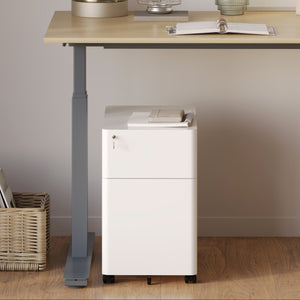






















Filing Cabinet Choices for Cleaner Workstation Planning
Cleaner workstation planning starts with filing storage that matches the desk, document volume, security needs, and daily workflow. Explore how cab...
Learn more
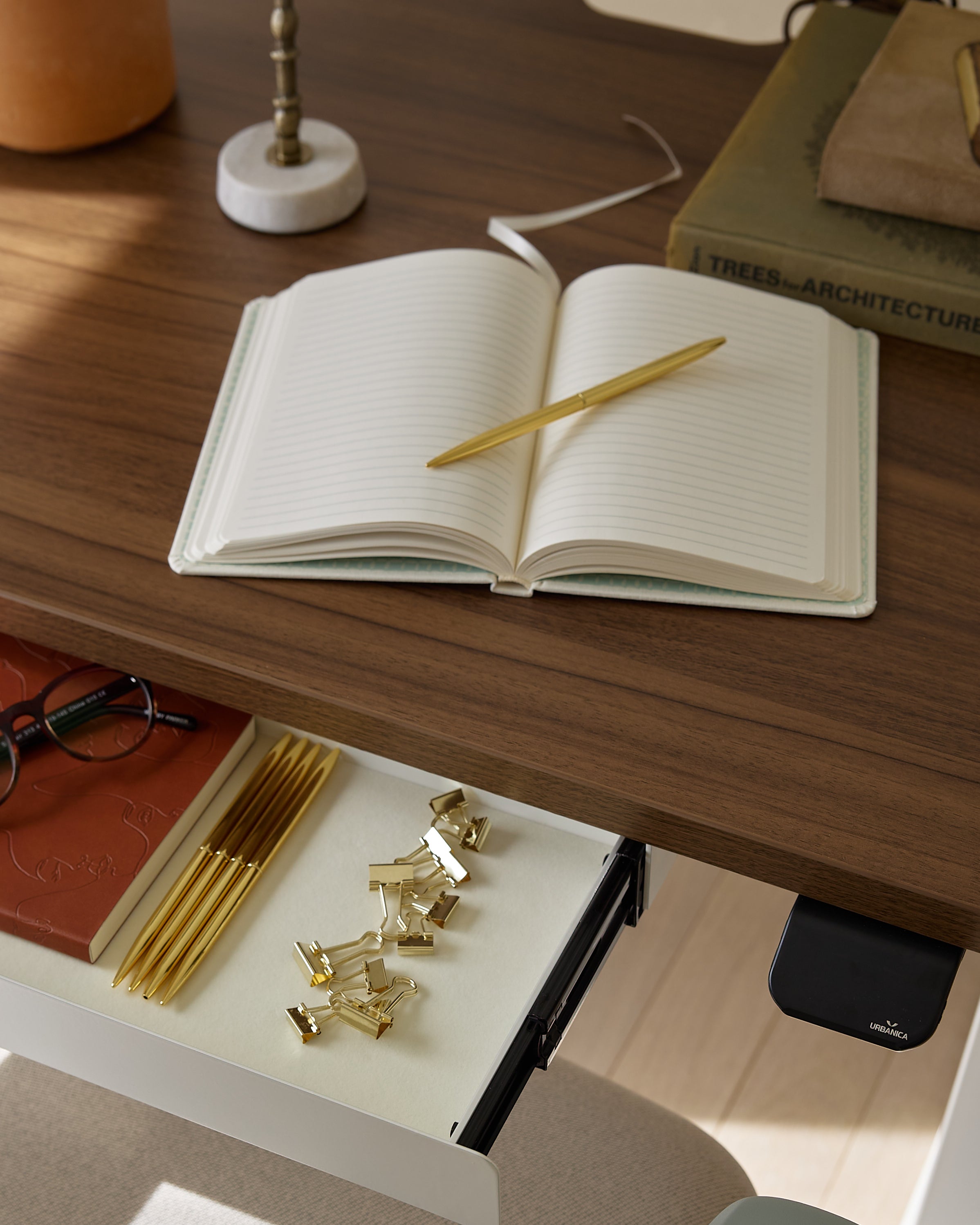
Visit quiz page to see how we makes it easy to create an inspiring workplace


A productive day rarely breaks because of one big problem. It usually breaks because of a dozen small interruptions that repeatedly steal attention. At Urbanica, we think about workflow as momentum. Momentum grows when the workspace removes tiny sources of resistance that force the brain to pause, reorient, and restart.
Micro-friction is any small obstacle that makes a task take longer than it should. It can be physical, visual, or procedural.
When essential tools are outside your natural reach zone, the body compensates with awkward stretches and repeated searching. Even if each reach is small, the pattern is constant.
When the workspace is not “ready to work,” you spend mental energy adjusting posture, moving items, and re-centering your hands and eyes. Reset friction is why returning from a call or a break sometimes feels harder than it should.
Clutter pulls attention. A visually noisy desk creates small decisions, like where to put a notebook or where the charging cable went. Those decisions are not difficult, but they are distracting.
A friction audit is simple. Notice what interrupts you in a normal day, then categorize it.
If you keep rearranging items, the desk layout or available surface area is the issue.
If you shift positions constantly, the chair tuning or seat comfort is the issue.
If you avoid posture changes, the sit-stand setup is not convenient enough.
If you frequently unplug and replug devices, cable routing and power access are the issue.
Once the biggest source is clear, furniture choices get easier. The goal is not to buy more. The goal is to create a setup that keeps your hands, eyes, posture, and tools in predictable places.
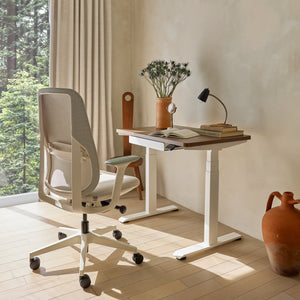
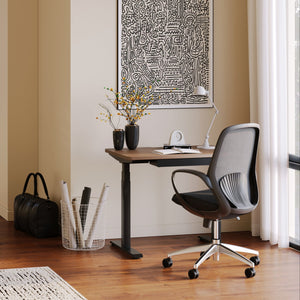
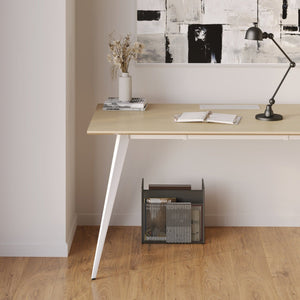
Workspaces become stable when one primary surface stays consistent. That anchor surface becomes the home base where tools live, tasks land, and routines start. A dedicated desk surface like the Urbanica Office Desk sets a reliable foundation for organizing reach zones, peripherals, and task materials without constantly reshuffling the entire workspace.
A desk can look clean and still create friction if it forces compromise. Workflow improves when desk geometry supports a natural sequence: hands work in one zone, references sit in another, and temporary items have a place that does not invade either.
Desk depth influences how comfortably your screen, keyboard, and notes can coexist. If the desk is too shallow, the monitor tends to creep closer, the keyboard drifts toward the edge, and the wrists lose neutral positioning. The result is subtle posture changes that create distraction.
If you can place your keyboard and mouse with relaxed shoulders while still keeping the monitor at a comfortable viewing distance, the desk depth is supporting you. If you constantly nudge the monitor, rotate the keyboard, or perch at the edge, the desk is forcing tradeoffs.
A zone-based layout makes your desk feel “obvious” to use. The best arrangement is the one you can keep consistent.
This is where your hands spend most of the day. Keyboard, mouse, and primary writing tools belong here. Keep this zone clear enough that your wrists and forearms can move without bumping into objects.
This zone is for items you look at often but do not touch constantly. A notebook, a planner, or a second screen fits here. The reference zone helps reduce repeated head turns and prevents the “paper pile” from invading the action zone.
Every workflow needs a temporary home for in-progress items. Without a staging zone, unfinished work spreads across the action zone and turns into visual friction. A designated spot for a document stack, a tablet, or a small organizer prevents desk drift.
A productive desk has a place where items can land without disrupting the core setup. Landing zones matter because transitions happen constantly. A call ends, headphones come off, a note gets tossed down, a device needs charging. When those moments have a planned destination, the desk stays orderly without effort.
A chair is not only about comfort. It is about consistency. When seating supports you well, the body stays quiet in the background and attention stays on the work.
Many features exist, but three adjustments have the biggest impact on everyday productivity.
Feet planted on the floor supports a steady base. When seat height is off, the body compensates with shifting, perching, or tucking feet under the chair, all of which break concentration.
Most people start the day upright and gradually fold forward. Good back support helps reduce that collapse, which changes breathing, shoulder position, and screen distance.
When arms are unsupported, shoulders lift slightly. Over time that creates fatigue that feels like “restlessness.” Arm support helps the upper body stay relaxed, especially during long typing sessions.
At Urbanica, we encourage a short reset routine between task types. It is not about perfect posture. It is about returning to a baseline that feels stable.
1. Check feet and seat height first.
2. Set back support so the lower back feels supported without forcing you forward.
3. Adjust arm position so shoulders feel relaxed while hands reach the keyboard comfortably.
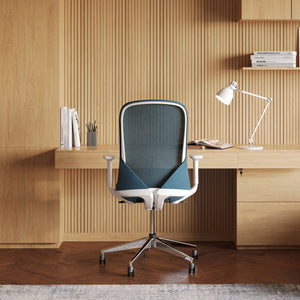
A chair built for everyday tuning, like the Novo Chair, fits naturally into this approach because it supports small adjustments that keep you steady across different tasks.
Some days are keyboard-heavy, detail-heavy, and mentally demanding. On those days, subtle discomfort becomes a distraction faster. Ergonomic precision is not about rigid posture. It is about reducing the number of times you need to think about your body while you work.
A “typing lane” is the space where your hands and forearms move. When the typing lane is too high, too low, or too far forward, the body compensates with wrist angles and shoulder tension.
Elbows close to the body, not flared out.
Forearms roughly parallel to the floor.
Wrists neutral, not bent upward to reach keys.
Shoulders relaxed, not lifted.
Different tasks ask for different body positions. Deep writing benefits from stable posture and minimal reach. Meetings often benefit from a slightly more open chest position and relaxed arms. Admin tasks can tolerate more movement. The key is choosing seating that makes these shifts easy instead of turning them into a project.
For people who want a chair option geared toward focused, keyboard-heavy sessions, the Onyx Chair is a relevant reference point within our line because it is positioned as an ergonomic seating option rather than a purely decorative piece.
Workflow is psychological as much as physical. A workspace that feels coherent makes it easier to return after interruptions. That matters for hybrid schedules, creative work, and anyone who repeatedly switches between tools and tasks.
When the space looks unsettled, the brain keeps scanning. Visual calm reduces the number of background decisions, such as where something belongs or what needs to be cleared before starting.
A consistent home for frequently used items
Clear surfaces that still allow staging without clutter
A chair and desk pairing that looks intentional, which subtly encourages you to keep it that way
People re-enter work many times a day. When the chair feels uncomfortable or the setup looks chaotic, returning feels like friction. When the setup feels inviting, re-entry becomes smoother. A design-led seating option like the Muse Chair can support this by helping the workspace feel like a place you want to sit down and focus, without making claims that design alone creates productivity.
Not every workspace is a dedicated private office. Many homes have shared desks, multi-purpose rooms, or rotating users. In those setups, the best features are the ones that work well without constant fine-tuning.
A general-purpose chair should be comfortable for a range of postures and tasks. It should support a normal sitting position without requiring frequent adjustments. In shared spaces, simplicity is a workflow feature because it reduces setup time for each user.
Adjustments that are straightforward to understand
Seating comfort that remains stable across long sessions
A look that fits the room so the workspace can stay set up instead of being packed away
A chair page like the Seashell Chair fits naturally into a discussion of everyday seating options because it is positioned as a chair product, and using the product name keeps expectations clear and accurate.
A sit-stand setup is most helpful when it becomes easy to use. The real benefit is not standing all day. The benefit is having a simple way to change posture when your energy shifts.
Many people stand only after discomfort arrives. A better approach is to treat posture changes as transitions between work modes.
Calls and video meetings
Reviewing documents
Light planning and reading
Short bursts of email triage
Deep writing and complex reasoning
Detailed design work
Precision tasks where stable hands matter
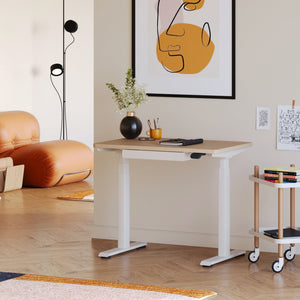
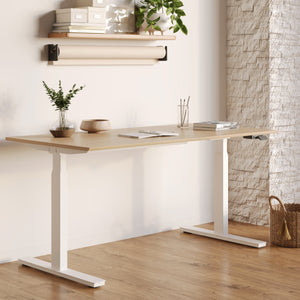
If the desk surface feels unstable or inconvenient, the habit fades. At Urbanica, we think the ideal sit-stand desk supports predictable daily use. A product page like the Standing Desk is a straightforward reference for readers who want a dedicated height-adjustable surface in their workflow without implying any unrealistic automation or performance claims.
Small spaces deserve the same workflow thinking as large offices. The difference is that each piece needs to do more, and transitions need to be effortless because there is less room for rearranging.
A usable surface that does not force cramped typing posture
A setup that allows quick switching between sitting and standing zones
Fewer items on the floor, which reduces cable snags and visual clutter
In small spaces, micro-zones help the brain shift gears. A standing zone for calls, a sitting zone for deep work, and a staging spot for bags or accessories can exist even within a compact footprint if each is intentionally defined.
A smaller, dedicated option like the Mini Standing Desk connects naturally to this scenario because it references a compact standing desk product without overstating what it can do in a constrained room.
Cables are a workflow problem because they create unpredictability. When something is unpredictable, the brain spends attention monitoring it. Tangled cords, dangling chargers, and hard-to-reach power strips pull you out of focus in small but frequent ways.
If you need to unplug a device to charge another, or you regularly hunt for a connector, your workflow becomes interruption-driven. This is especially costly during deep work because recovery takes longer than the interruption itself.
At Urbanica, we recommend a routing approach based on consistency rather than gadgets.
Run primary cables along one path where they are unlikely to snag
Anchor the path so cables do not drift over time
Leave slack only where movement happens, such as near a laptop or monitor arm
1. Clear the action zone so only the keyboard, mouse, and one writing tool remain.
2. Choose one landing zone for headphones so they never sit in the typing lane.
3. Place the most-used notebook in the reference zone, not the action zone.
4. Bundle charging cables so only the ends you need are visible.
5. Anchor the power strip in one consistent location so outlets are predictable.
6. Align the monitor so you are not twisting your neck for long stretches.
7. Move rarely used items out of arm’s reach to reduce visual scanning.
8. Keep a small staging spot for in-progress papers so they do not sprawl.
9. Make the chair reset routine part of task switching, not a reaction to pain.
10. Decide one “end of day” desk state so tomorrow starts clean without effort.
Smart furniture is not about futuristic promises. It is about practical features that support how people actually work. The most useful buying decisions come from matching a real workflow problem to a specific feature that reduces it.
| Workflow problem that slows work | Furniture feature that helps | Why it supports workflow | Best fit for |
|---|---|---|---|
| Constant desk re-stacking | Clear zoning and sufficient surface area | Reduces visual friction and repeated searching | Paper-heavy workflows, multitaskers |
| Shoulder tension during typing | Chair arm support and stable sitting posture | Keeps upper body relaxed during long sessions | Writers, analysts, developers |
| Midday energy dips | Easy posture changes between sitting and standing | Uses transitions to reset attention and circulation | Meeting-heavy schedules, hybrid work |
| Neck strain from screen posture | Desk depth and screen placement that supports viewing distance | Reduces forward head posture and micro-adjustments | Anyone using a monitor for hours |
| Tools always “missing” | Landing zones and consistent tool parking | Creates predictability and reduces context switching | Creative work, busy home offices |
| Avoiding sit-stand habits | Stable, usable height-adjustable surface | Keeps the routine realistic and repeatable | People new to sit-stand setups |
| Shared workstation friction | Simple, dependable seating and easy adjustments | Reduces setup time and improves consistency | Families, shared spaces, multi-user desks |
The best upgrade order depends on what creates the biggest friction.
If discomfort pulls attention away from work, start with seating because it affects every minute you sit.
If clutter and constant rearranging slow you down, start with the desk surface and layout because it organizes everything else.
If energy crashes and restlessness are the issue, add a posture-change option that is easy enough to use consistently.
A workspace should be able to adapt without becoming complicated. The most effective setups share a few traits: a stable anchor surface, a chair that supports consistent posture, and a layout that reduces daily decisions. From our perspective at Urbanica, smart furniture is furniture that quietly supports the way you think, create, and execute, so your workflow feels less like managing a space and more like doing the work that matters.


You have unlocked free shipping!
You're saving $29 and unlocked free shipping!
Leave a comment