












Filing Cabinet Choices for Cleaner Workstation Planning
Cleaner workstation planning starts with filing storage that matches the desk, document volume, security needs, and daily workflow. Explore how cab...
Learn more
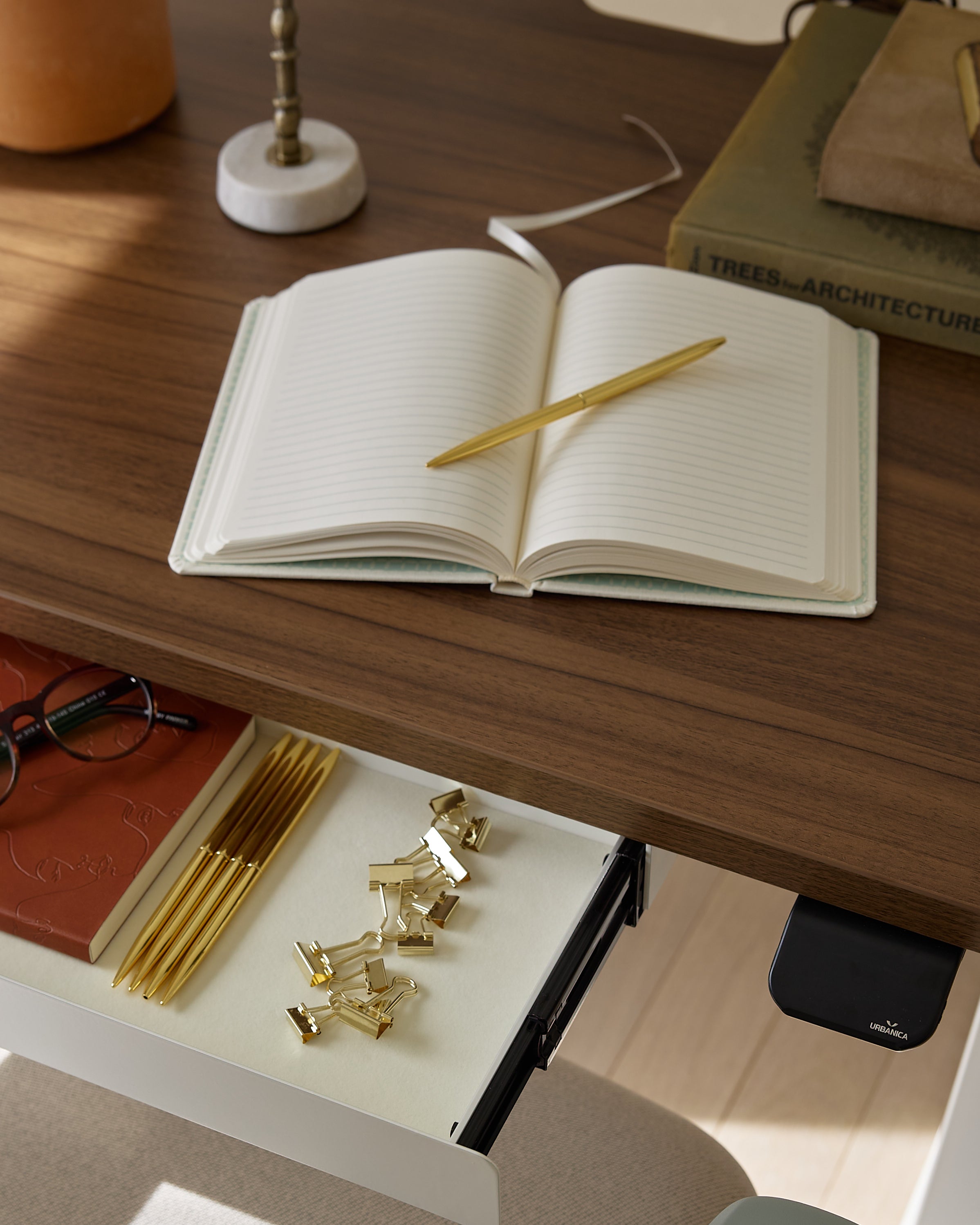
Visit quiz page to see how we makes it easy to create an inspiring workplace


Replacing an office chair is often treated as a reactive task. A wheel breaks, the seat sinks, or discomfort becomes impossible to ignore. In reality, chair replacement is a proactive decision tied to physical support, work quality, and long term well being. An office chair is not a static object. It is a working system designed to respond to movement, posture changes, and hours of daily use. When that system gradually loses precision, the effects extend far beyond comfort.
Understanding how often an office chair should be replaced begins with recognizing that functional decline rarely happens all at once. It develops incrementally, shaped by materials, usage intensity, environment, and the human body itself.
A chair’s lifespan is not determined by a fixed number of years. It is defined by how consistently the chair can perform its intended role.
Office chairs rely on interconnected components such as tilt controls, tension systems, height adjustment cylinders, and flexible frames. Each movement introduces small amounts of stress. Over thousands of repetitions, tolerances loosen and responsiveness changes. A chair that once adjusted smoothly may begin to feel vague or unpredictable, even though no single part has failed outright.
Foams compress, plastics fatigue, and metal joints experience micro wear. These changes are gradual and often invisible. The chair may still function, but it no longer reacts to the body with the same accuracy. Functional lifespan ends when these material changes interfere with consistent support.
A chair can look presentable while failing to support posture correctly. Upholstery and finishes age differently than internal structures. Evaluating lifespan based on appearance alone often delays replacement past the point where ergonomic performance has already declined.
The most reliable indicators are not cosmetic. They are experienced during everyday use.
When seat cushioning no longer distributes weight evenly, pressure concentrates in specific areas. This often leads to subtle discomfort, frequent repositioning, and reduced focus. Once cushioning compression reaches this stage, performance cannot be restored through surface fixes.
A supportive backrest should move predictably with the user. Instability, delayed response, or a backrest that fails to hold position indicates wear within the support mechanism. This compromises spinal alignment throughout the workday.
A chair that slowly sinks or resists adjustment is signaling internal fatigue in the lift system. Incorrect seat height alters leg angle, circulation, and desk alignment, affecting the entire seated posture.
Worn casters, uneven rolling resistance, or subtle cracks in the base can introduce safety risks. These issues often develop gradually and are easy to overlook until movement feels awkward or unstable.
Office chairs age in direct response to how they are used. Replacement decisions should always reflect real usage conditions.
Chairs used for extended daily work experience constant load and repeated adjustments. This accelerates wear across all moving parts. Chairs used occasionally retain functional integrity longer, even if they are the same age.
In offices where multiple users share seating, adjustment systems are engaged far more frequently. Variations in body size and sitting habits place additional stress on mechanical components, often shortening effective lifespan.
Healthy sitting involves movement. Leaning, reclining, rotating, and shifting posture all place dynamic demands on a chair. Well designed chairs accommodate this, but over time the cumulative effect becomes measurable in how the chair responds.
Ergonomic degradation rarely announces itself with sharp pain. It typically appears as fatigue, stiffness, or a sense that sitting requires more effort than it used to.
Effective lumbar systems respond to subtle changes in posture. When internal tension weakens or padding compresses, support becomes static. The lower back compensates, often leading to end of day stiffness that feels unrelated to the chair at first.
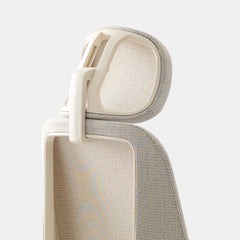
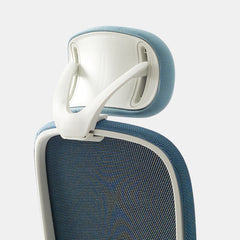
As back support declines, the upper body works harder to stay aligned. This can lead to tension in the neck and shoulders, particularly during screen focused work. For users who benefit from added upper support, components such as the Muse chair headrest accessory can help maintain neutral alignment. However, supplemental accessories cannot correct underlying structural wear.
When a chair no longer guides the body into a neutral position, the body adapts. These adaptations often persist beyond working hours, reinforcing habits that contribute to chronic discomfort over time.
Not all office chairs are built for the same purpose. Understanding category differences helps set realistic expectations for replacement.
Task chairs built for sustained work prioritize adjustability and support consistency. Models such as the Ergonomic Novo chair designed for daily work are engineered to accommodate frequent movement and posture changes. Their long term effectiveness depends on how well those adjustment systems retain accuracy under daily stress.
Some chairs balance ergonomic intent with visual refinement. The Muse ergonomic chair fits this category, offering structured support within a design forward form. Over time, evaluation should focus on whether design elements continue to support posture as intended rather than purely on aesthetics.
Chairs engineered for demanding workdays emphasize stability and firm support. The Ergonomic Onyx chair reflects this approach, focusing on maintaining consistent alignment during extended seated periods. Like all chairs, its performance must be assessed based on how well internal systems continue to respond.
Accessories such as the Novo chair headrest accessory can improve comfort and personalization. They help fine tune fit but do not halt the natural aging of core components. Accessories are most effective when paired with a chair that remains structurally sound.
Guest and occasional use chairs prioritize simplicity and ease of movement over prolonged ergonomic support. The Seashell chair for light office use is representative of this category. Replacement decisions here focus more on structural integrity and safety than on long term posture management.
When a chair begins to feel different, the instinct is often to repair rather than replace. The key is understanding what repairs can realistically accomplish.
Casters, arm pads, and surface materials experience localized wear. Replacing these elements can restore usability when the chair’s core structure remains responsive.
When multiple systems show decline, targeted repairs may create uneven performance. A chair that feels inconsistent across adjustments often signals deeper mechanical fatigue.
A chair that requires constant attention subtly disrupts workflow. Over time, these interruptions and discomforts accumulate, affecting focus and energy in ways that are easy to underestimate.
In professional environments, seating decisions extend beyond individual comfort.
Reduced stability and inconsistent support increase the likelihood of strain. Even minor instability can pose risks when repeated daily across an organization.
Replacing chairs before failure occurs supports a safer, more consistent work environment. It reflects an understanding that seating is part of overall workplace infrastructure.
Periodic evaluation of seating condition helps identify decline early. This approach aligns replacement decisions with actual performance rather than emergency situations.
Where and how a chair is used affects how quickly it ages.
Different floor surfaces place different demands on casters and bases. Incompatible combinations accelerate wear and affect mobility.
Temperature variation and humidity influence how materials age. Over time, these factors contribute to changes in flexibility, tension, and strength.
Appropriate cleaning supports longevity, while harsh products can degrade finishes and padding. Maintenance practices should always align with material specifications.
Replacing an office chair is an opportunity to realign seating with how work is actually performed.
A well chosen chair offers adjustments that work together rather than independently. When adjustments remain precise, the chair continues to guide posture naturally.
No single chair fits every body. Chairs that accommodate individual proportions reduce the likelihood of premature discomfort and adaptation.
Experiencing seating in person reveals differences that specifications cannot convey. A professional office furniture showroom experience allows users to assess support, movement, and responsiveness in real working positions.
An office chair supports more than posture. It supports attention, consistency, and physical resilience throughout the workday.
Early awareness of ergonomic decline allows for timely replacement decisions. Addressing issues at this stage helps maintain comfort without disruption.
As work habits change, seating needs evolve. Replacement should reflect current demands rather than past assumptions.
A chair that continues to perform as intended reinforces healthy work habits. Replacing seating when performance declines is not excess. It is maintenance of the foundation that supports daily work.


You have unlocked free shipping!
You're saving $29 and unlocked free shipping!
Leave a comment