



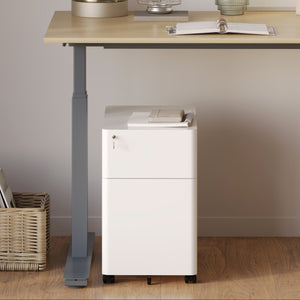






















Filing Cabinet Choices for Cleaner Workstation Planning
Cleaner workstation planning starts with filing storage that matches the desk, document volume, security needs, and daily workflow. Explore how cab...
Learn more
Visit quiz page to see how we makes it easy to create an inspiring workplace


Desks used to be simple furniture pieces with a single purpose: hold your work. Today, they quietly do much more. Beneath clean surfaces and minimalist frames are smart design features that support posture, organization, flexibility, and long-term comfort. These hidden details often separate an average workspace from one that truly supports productivity. Understanding what to look for helps you choose a desk that works with you, not just for you.
Modern workspaces often need to do more with less room. Apartments, shared offices, and hybrid work setups demand desks that fit comfortably without feeling restrictive. One hidden feature of well-designed desks is how they balance compact sizing with usable surface area.
Thoughtful layouts allow room for essential equipment while maintaining freedom of movement. These designs avoid bulky frames and unnecessary extensions, focusing instead on smart proportions. This makes compact desks feel open and functional rather than cramped.
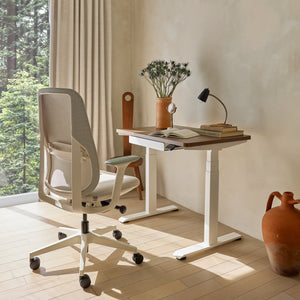
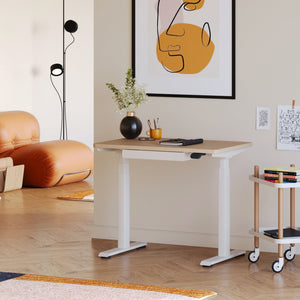
A well-planned office desk solutions setup demonstrates how modern desks can deliver flexibility and efficiency even in limited spaces, making them ideal for evolving work environments.
Sitting in one position for hours places strain on the body, even with good posture. Modern desks address this issue through discreet height-adjustable systems that support movement throughout the day. This feature is often hidden in the frame, preserving a clean appearance while adding powerful functionality.
Quality adjustable desks move smoothly and quietly, allowing changes in position without interrupting focus. These transitions support different tasks, whether typing, reading, or standing briefly to reset posture.
Common benefits include:
Reduced physical fatigue
Better circulation during long workdays
Increased flexibility for different users
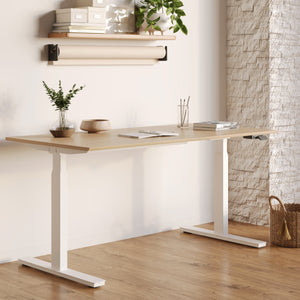
A thoughtfully engineered adjustable standing desk encourages subtle posture changes rather than forcing rigid routines, helping users stay comfortable without overthinking ergonomics.
The surface of a desk directly affects comfort and efficiency. Modern desks use advanced finishes that reduce glare, resist wear, and feel comfortable during long hours of use. These features are easy to overlook but make a noticeable difference over time.
High-quality surfaces minimize reflections from lighting and screens, helping reduce eye strain. Durable coatings protect against scratches and marks, maintaining a clean appearance even with heavy use.
Key surface advantages include:
Low-reflection finishes
Easy-to-clean textures
Long-lasting durability
A dependable modern office desk balances durability and comfort, supporting both focused work and creative tasks without constant maintenance.
Stability is one of the most important yet least visible desk features. Even minor wobble can disrupt concentration, especially when working with multiple screens or precision tasks. Modern desks reinforce key structural points beneath the surface, avoiding bulky frames while maintaining strength.
Hidden cross supports and balanced weight distribution reduce movement during typing or adjustments. This stability improves confidence in the workspace and minimizes small physical stresses caused by constant micro-corrections.
Cable clutter is more than an aesthetic issue. It creates distractions, limits movement, and makes adjustments frustrating. Modern desks integrate cable management systems that guide cords naturally without drawing attention.
Instead of external clips or trays, modern designs hide routing channels within the desk structure. These systems allow cables to move freely as the desk adjusts while staying organized.
Common hidden features include:
Integrated grommets
Under-desk routing channels
Concealed power storage
Clean cable routing works best when paired with thoughtful workstation planning. Referencing an ergonomic study can help users understand how organization supports comfort and efficiency over time.

Modern desks are designed to work with accessories, not against them. Reinforced edges, balanced depth, and clear under-desk space allow accessories to integrate seamlessly without damaging the surface or restricting movement.
A well-designed desk accommodates adjustments as needs change, supporting monitors, lighting, and other tools without clutter. This flexibility extends the lifespan of the workspace as work habits evolve.
Using an ergonomic arm allows screen positioning to adjust independently, reducing neck strain while keeping the desk surface open and organized.
|
Feature Area |
Traditional Desks |
Modern Desk Designs |
|
Height Options |
Fixed |
Adjustable and flexible |
|
Surface Quality |
Basic finishes |
Low-glare, durable materials |
|
Stability |
Visible bulk |
Hidden reinforcements |
|
Cable Management |
External or none |
Integrated routing |
|
Accessory Support |
Limited |
Designed for add-ons |
|
Adaptability |
Static use |
Supports movement |
A desk does not function alone. Its height, depth, and leg clearance all affect how seating supports the body. Modern desks are designed with this relationship in mind, encouraging natural posture and movement.
When desk height aligns properly with seating, pressure on the shoulders and lower back is reduced. This alignment supports longer periods of comfortable work without forcing rigid posture.
Important considerations include:
Proper elbow height alignment
Adequate leg clearance
Smooth transitions between positions
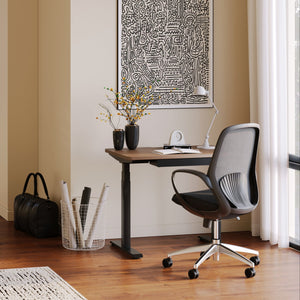
Pairing a well-designed desk with an ergonomic chair supports balanced posture and reduces fatigue, creating a workspace that adapts to daily demands.
Hidden desk features often reveal their value over time rather than immediately. Reduced strain, quieter adjustments, and better organization contribute to sustained productivity. These benefits influence not only output but also how sustainable a work routine feels.
A desk that quietly supports healthy habits helps prevent discomfort before it becomes an issue. Over weeks and months, these small advantages add up, making the workspace feel intuitive rather than demanding.

Selecting a modern desk is about more than style. The best choices support how you actually work each day. Hidden features determine whether a desk feels supportive or frustrating in the long run.
Use this checklist when evaluating your next desk:
Does it support movement and flexibility?
Is the surface comfortable and easy on the eyes?
Are cables managed cleanly and discreetly?
Does the structure feel stable during use?
Can it integrate with accessories easily?
Does it align well with seating for comfort?
A well-designed desk is a quiet partner in productivity. By recognizing these hidden features, you can create a workspace that supports focus, comfort, and long-term performance without unnecessary complexity.


You have unlocked free shipping!
You're saving $29 and unlocked free shipping!
Leave a comment