



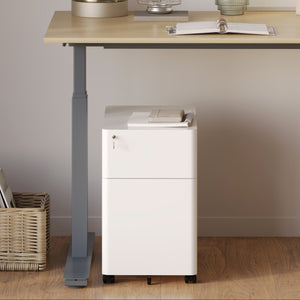







Filing Cabinet Choices for Cleaner Workstation Planning
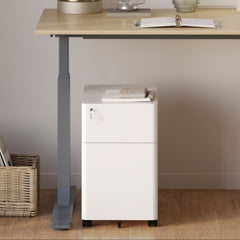
Cleaner workstation planning starts with filing storage that matches the desk, document volume, security needs, and daily workflow. Explore how cab...
Learn more
Visit quiz page to see how we makes it easy to create an inspiring workplace


Distractions rarely begin with noise alone. Often, they start with clutter, discomfort, or poor layout. A workspace that feels crowded or visually overwhelming makes it difficult to focus, even if the room is quiet. Smart furniture choices shape how you think, move, and work throughout the day. By selecting pieces that support clarity and organization, you create an environment that encourages deep concentration rather than scattered attention.
Whether you are working from home or refining a professional office, thoughtful furniture design helps eliminate unnecessary interruptions and keeps your workflow steady.
Furniture is more than a backdrop. It directs posture, controls movement, and determines how much visual clutter surrounds you. A desk that feels cramped forces you to stack items. A chair that lacks support pulls your attention away from tasks. A poorly positioned monitor strains your neck and creates subtle discomfort.
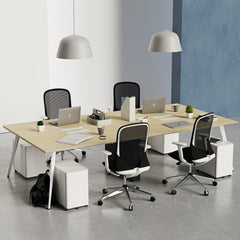
When choosing an Office Desk Los Angeles, you are not simply selecting a surface. You are shaping how efficiently you work. The right dimensions, stability, and layout provide a foundation for clear thinking.
A distraction-free space begins with intention. Every item should have a purpose. Every surface should feel balanced rather than overloaded.
The desk anchors your workspace. If it encourages clutter, distractions follow.
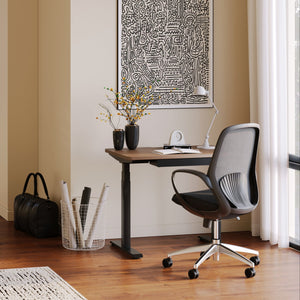
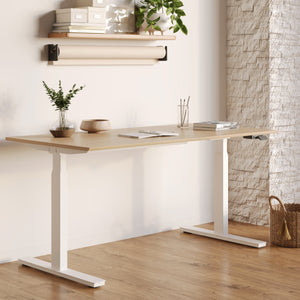
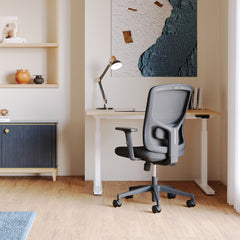
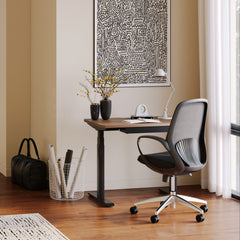
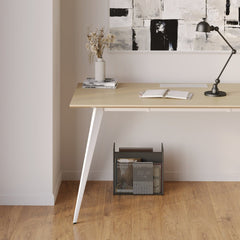
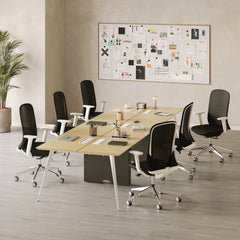
A well-designed office desk supports organization and clean lines. Size and layout matter more than decoration.
Adequate surface area for essential tools
Strong, stable frame that prevents wobbling
Clean design with minimal visual noise
Durable surface that resists scratches
Keep only daily essentials on the surface
Store secondary items out of sight
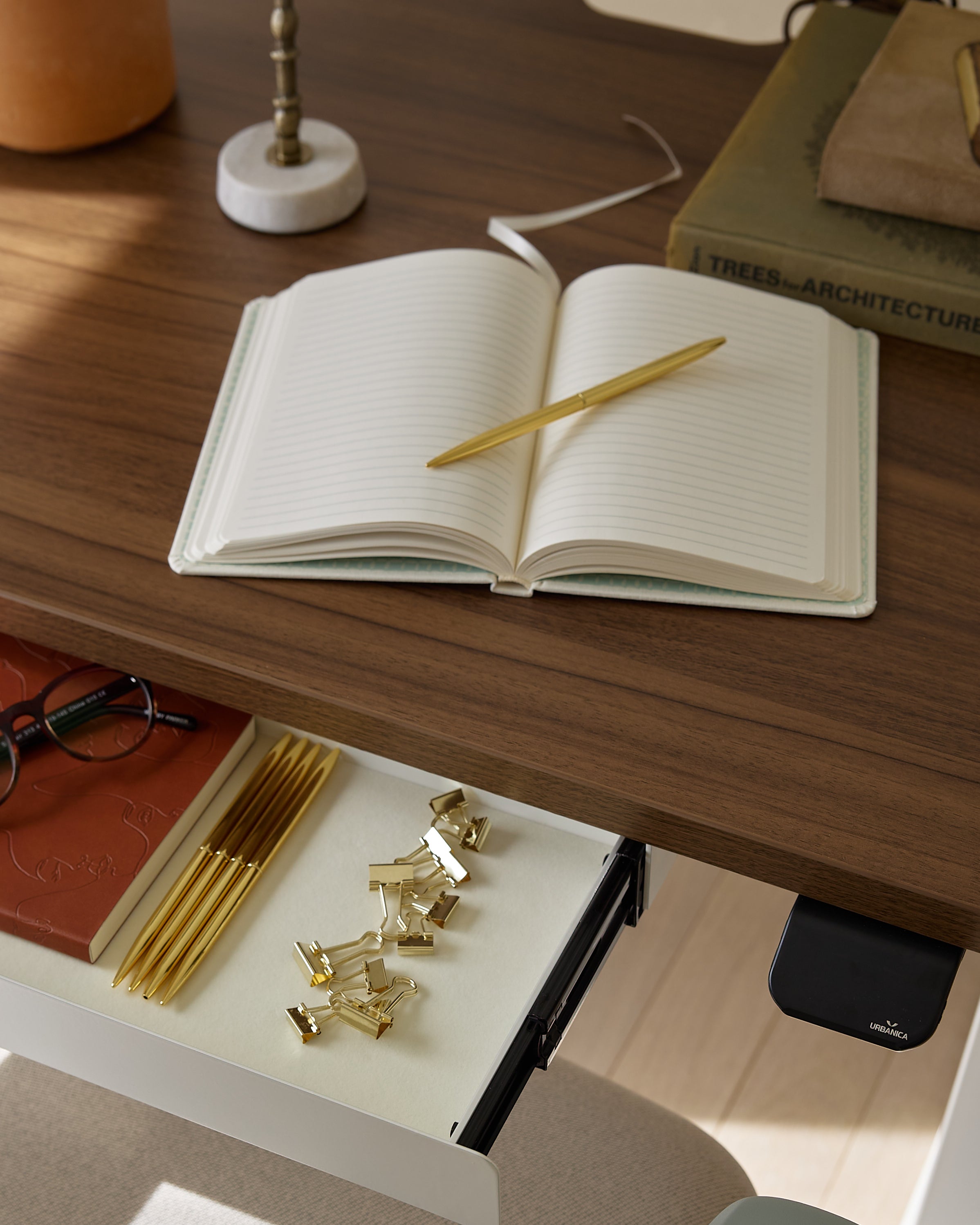
Use trays or organizers for small objects
Position the desk facing a calm visual direction
When your workspace feels open and balanced, your attention stays on the task rather than the surroundings.
Physical discomfort is a common source of distraction. Incorporating movement helps maintain energy without disrupting workflow.
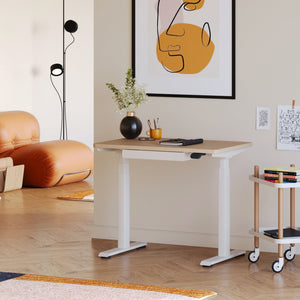
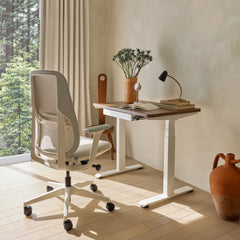
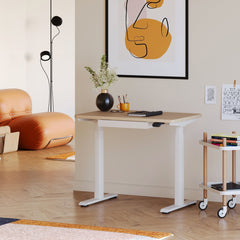
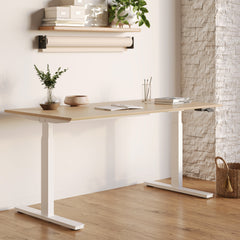
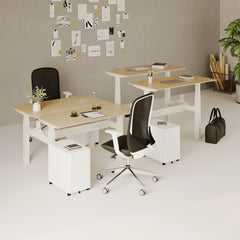
A thoughtfully engineered standing desk allows you to alternate between sitting and standing. This flexibility prevents stiffness and improves circulation.
Reduced physical fatigue
Improved alertness
Better posture alignment
Increased energy levels
Alternate positions every 45 to 60 minutes
Keep transitions smooth and intentional
Maintain proper monitor height
Avoid clutter that interferes with movement
Movement supports concentration when integrated naturally into your routine.
Minimal design is not about empty space. It is about purposeful space. Research such as this minimalist design study shows how simplified interiors contribute to reduced mental overload.
When your workspace contains only what you need, visual distractions decrease. Clean lines and intentional layouts help your brain focus on priority tasks rather than processing unnecessary stimuli.
Choose furniture that supports simplicity rather than adding complexity.
Screen placement influences both comfort and mental clarity.
Using an adjustable ergonomic arm lifts your monitor off the desk surface, freeing space and improving viewing angles.
Clearer desk surface
Improved posture
Reduced neck strain
Better cable management
Center the monitor at eye level
Keep cords organized behind the desk
Avoid stacking items under the screen
Leave breathing space around key tools
A clean visual field reduces mental noise and enhances concentration.
Comfort directly affects productivity. If your body is uncomfortable, your mind cannot fully engage with work.
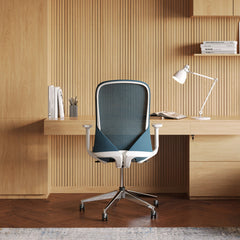
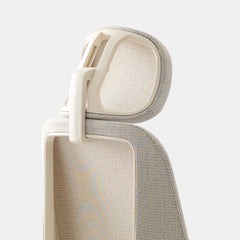
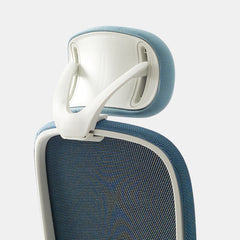
A supportive ergonomic chair encourages healthy posture and sustained comfort throughout the day. Adjustable lumbar support, breathable materials, and stable construction reduce the need for constant repositioning.
When seating aligns with your body, you spend less energy adjusting and more energy focusing.
|
Workspace Element |
Potential Distraction |
Smart Furniture Solution |
Result |
|
Cluttered Desk |
Visual overload |
Larger, organized desk surface |
Clear thinking |
|
Fixed Seating |
Physical fatigue |
Adjustable chair |
Sustained comfort |
|
Static Posture |
Low energy |
Height-adjustable desk |
Increased alertness |
|
Monitor Strain |
Neck tension |
Monitor arm support |
Improved focus |
|
Poor Layout |
Movement interruptions |
Balanced arrangement |
Efficient workflow |
This overview shows how each furniture choice directly affects attention and productivity.
Even small rooms benefit from intentional zoning.
Dividing your workspace into functional areas reduces mental clutter.
Primary work zone for daily tasks
Secondary zone for reference materials
Storage zone for infrequent items
Relaxation corner if space allows
Position your desk centrally
Keep storage aligned with workflow
Use vertical space efficiently
Avoid overlapping functional areas
Clear boundaries prevent distractions from spilling into your primary focus area.
Lighting influences focus just as much as furniture placement. Harsh glare on screens strains eyes and interrupts concentration. Position your desk perpendicular to windows to reduce glare. Combine natural light with adjustable task lighting.
Maintain consistent brightness levels throughout the day. When your visual environment feels balanced, your productivity improves naturally.
Furniture arrangement should support optimal lighting rather than fight against it.
A distraction-free workspace is built intentionally.
Use this checklist to maintain clarity:
Choose a desk that supports organization
Keep surfaces free from unnecessary items
Incorporate adjustable height for movement
Maintain proper monitor positioning
Invest in supportive seating
Organize cables and accessories
Define clear functional zones
Balance natural and artificial lighting
Reevaluate layout periodically
Remove items that do not serve a purpose
When your furniture works with you rather than against you, focus becomes easier to maintain. Thoughtful design transforms your workspace into an environment that encourages productivity, calm, and sustained attention.


You have unlocked free shipping!
You're saving $29 and unlocked free shipping!
Leave a comment