



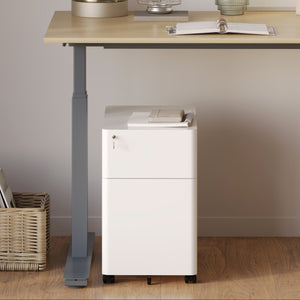






















Filing Cabinet Choices for Cleaner Workstation Planning
Cleaner workstation planning starts with filing storage that matches the desk, document volume, security needs, and daily workflow. Explore how cab...
Learn more
Visit quiz page to see how we makes it easy to create an inspiring workplace


Choosing furniture today feels more complicated than it used to. Online shopping has made both custom furniture and retail pieces more accessible, yet that convenience comes with uncertainty. Custom furniture promises precision and uniqueness, while retail furniture offers speed and predictability. The challenge is understanding which option truly delivers long-term value, comfort, and adaptability. This comparison goes far beyond price or appearance. It touches on how furniture performs over years of daily use, how well it adapts to change, and how much effort it requires to live with over time.
Furniture is not a short-term purchase for most people. Desks, chairs, and workstations shape daily routines, posture, productivity, and even mental focus. Choosing incorrectly often leads to replacement sooner than expected, which costs more in the long run.
Custom furniture is frequently viewed as an investment, while retail furniture is sometimes seen as temporary. In reality, the true value of either option depends on flexibility, durability, and how well the furniture continues to serve changing needs. Many people regret custom furniture because it locks them into decisions made years earlier. Others regret retail furniture because they prioritized price over performance. Understanding these risks early leads to better outcomes.
Custom furniture offers control. Buyers can specify dimensions, materials, finishes, and details that fit a specific space or vision.
Exact sizing for unique layouts
Personalized materials and finishes
Distinct appearance not found elsewhere
Custom furniture often lacks adaptability. Once built, changes are difficult or impossible. If work habits shift, equipment increases, or posture needs evolve, custom furniture may no longer fit the user. Lead times are also long, and mistakes are costly. Returns and modifications are rarely simple.
Retail furniture is built for scale, which means designs are tested across many users and environments.
Faster availability
Proven designs refined over time
Easier replacement or expansion
Retail furniture is often assumed to be generic or inferior. In reality, many modern retail pieces focus on ergonomics, adjustability, and durability. These qualities allow furniture to adapt to change, which is often more valuable than perfect customization.
Custom furniture typically requires higher upfront investment. Retail furniture spreads cost over time by allowing upgrades, adjustments, or replacements without starting over.
When furniture must be replaced due to discomfort or inflexibility, its original cost becomes irrelevant. Long-term value depends on how long furniture remains useful, not how exclusive it is.
Furniture built for one posture or routine rarely survives changes.
Poor posture support as needs change
Incompatibility with new equipment
Increased discomfort over time
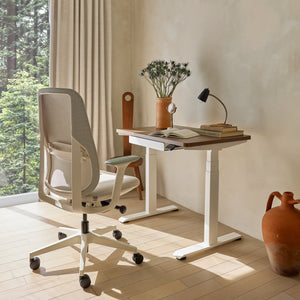
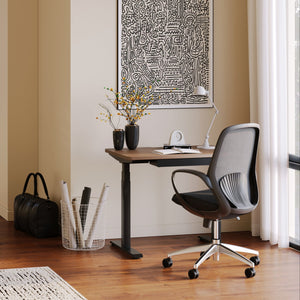
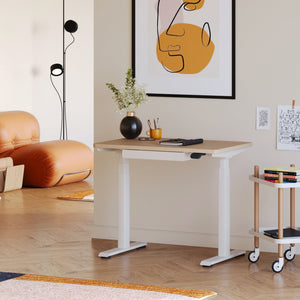
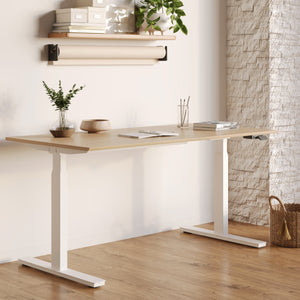
An adjustable height-adjustable desk allows one piece to support sitting, standing, and shared use. This flexibility often outperforms custom furniture built around static assumptions.
Buyers researching Office Desk Los Angeles often look for furniture that reflects modern work culture. Compact spaces, hybrid schedules, and long screen hours demand flexibility and ergonomic support.
Retail furniture designed for contemporary offices often aligns better with these realities than custom pieces created for a single moment in time.
|
Factor |
Custom Furniture |
Retail Furniture |
|
Lead Time |
Long |
Short |
|
Adaptability |
Low |
High |
|
Cost Control |
Difficult |
Predictable |
|
Replacement |
Complex |
Simple |
|
Long-Term Value |
Situational |
Consistent |
Furniture that causes discomfort is rarely kept long-term.
Built for one body type
Limited adjustment range
Comfort declines as posture changes
Findings from office furniture evaluation research emphasize adjustable ergonomics. Retail furniture that follows these principles accommodates more users and reduces strain over time.
Custom furniture often focuses on individual pieces instead of how everything works together. Poor alignment between desk height, arm position, and seating quickly undermines comfort.
Retail systems frequently integrate components like Ergonomic Arm solutions, allowing desks and seating to work together rather than independently.
Even the best desk fails if paired with the wrong chair. Custom desks often assume a specific seating setup that may not remain ideal.
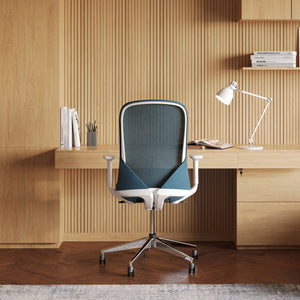
A well-designed ergonomic office chair supports posture across different desk heights and tasks. Retail seating often adapts better than custom-built seating locked into fixed dimensions.
Custom furniture rarely scales well. Adding another desk, changing layouts, or sharing furniture becomes complicated.
Retail furniture allows gradual expansion and reconfiguration. This flexibility supports growth without forcing complete replacement, which saves money and reduces waste.
Custom furniture repairs often require specialized service or the original maker. Retail furniture uses standardized components that are easier to repair or replace.
Furniture that is easy to maintain stays in use longer, which directly increases its value.

Before deciding between custom and retail furniture, review this checklist:
Will the furniture need to adapt over time?
Can it support multiple users or tasks?
Are ergonomic adjustments built in?
Is replacement or repair realistic?
Does it support comfort today and later?
Custom furniture offers precision, but retail furniture delivers flexibility, accessibility, and consistent performance. In most modern workspaces, adaptability proves more valuable than exclusivity.


You have unlocked free shipping!
You're saving $29 and unlocked free shipping!
Leave a comment