























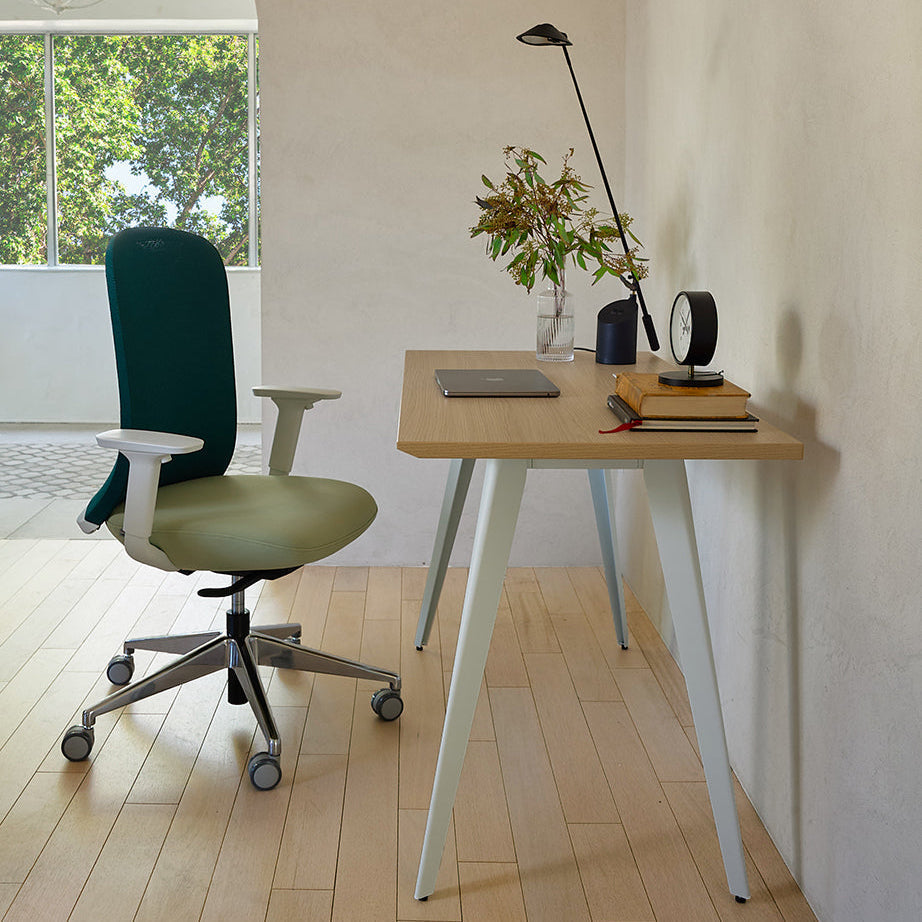
Sustainability That Doesn’t Wear Out After a Year

Sustainable furniture is often discussed in terms of materials and environmental impact, but longevity is just as important. Furniture that breaks, wears out, or becomes uncomfortable within a short period creates more waste, not less. True sustainability comes from choices that last physically, functionally, and ergonomically. Understanding what makes furniture durable, adaptable, and responsibly designed helps buyers invest in pieces that support both the planet and everyday work.
Why Longevity Is the Core of Sustainable Furniture
Sustainability is not only about recycled materials or eco-friendly labels. Furniture that lasts reduces the need for replacement, transportation, and manufacturing, all of which contribute to environmental strain. Short-lived furniture, even when marketed as sustainable, often ends up in landfills sooner than expected.
Long-lasting furniture supports sustainability by staying useful through changing needs. Durable construction, timeless design, and adaptable features allow furniture to remain relevant for years. This approach minimizes waste and ensures that resources invested in production deliver long-term value.
Materials That Support Sustainability Over Time
Strong Materials Reduce Waste
Furniture materials directly influence how long a piece remains functional. Weak materials degrade quickly, while durable ones age predictably.
Sustainable Material Indicators
-
High-density engineered wood with reinforced cores
-
Durable metal frames designed for repeated use
-
Finishes that resist scratches and moisture
Durability Supports Environmental Goals
A well-constructed height-adjustable desk uses materials that withstand frequent movement without failure. By maintaining structural integrity over time, these desks reduce the need for replacement and lower long-term environmental impact.
Desk Design That Encourages Long-Term Use
Adaptability Extends Furniture Life
Furniture that adapts to changing needs stays in use longer. Fixed designs often become obsolete as work habits evolve.
Features That Improve Desk Longevity
-
Adjustable height ranges
-
Stable frames that support modern equipment
-
Surfaces designed for daily wear
Sustainable Design Through Flexibility
A reliable office desk balances strength with adaptability. Instead of being replaced as needs change, it continues serving different roles, supporting sustainability through extended use.
Sustainable Furniture and Daily Work Habits
Daily use exposes the strengths and weaknesses of furniture quickly. Desks that wobble, surfaces that scratch, or components that loosen interrupt work and encourage replacement.
Sustainable furniture supports consistent performance. By remaining stable and comfortable through daily use, it discourages unnecessary upgrades and reduces waste caused by frequent purchasing cycles.
Ergonomics as a Sustainability Factor
Comfort Reduces Replacement
Furniture that causes discomfort is rarely kept long-term. Ergonomic design plays a major role in sustainability by ensuring continued use.
Ergonomic Features That Extend Use
-
Neutral posture support
-
Adjustable components
-
Even weight distribution
Research Supports Ergonomic Longevity
Insights from office furniture evaluation research show how poorly designed furniture contributes to strain and abandonment. Ergonomic designs support comfort, encouraging users to keep furniture longer rather than replacing it.

Regional Standards and Sustainable Expectations
Sustainability expectations vary by region, influenced by work culture, space constraints, and environmental priorities. Buyers researching options like Office Furniture California often prioritize durability, adaptability, and modern ergonomic standards.
Furniture designed to meet these expectations supports sustainability by aligning with contemporary work habits rather than becoming outdated quickly.
Sustainable vs Short-Term Furniture Choices
|
Factor |
Short-Term Furniture |
Sustainable Furniture |
|
Lifespan |
Limited |
Long-term |
|
Material Quality |
Low to moderate |
High |
|
Adaptability |
Minimal |
Flexible |
|
Comfort Over Time |
Declines |
Consistent |
|
Environmental Impact |
Higher |
Lower |
Supporting Components That Improve Sustainability
Small Components Influence Longevity
Accessories and supporting elements often determine whether furniture remains comfortable and usable.
Common Causes of Early Replacement
-
Fixed arm positions that cause strain
-
Poor alignment between desk and chair
-
Limited adjustability
Adjustable Support Extends Use
Solutions like Ergonomic Arm systems help furniture adapt to different users and setups. This flexibility reduces discomfort and supports longer furniture lifespans.
Seating Designed to Last
Chairs experience constant movement and pressure. Sustainable seating must use materials and construction methods that maintain support over time.
A durable ergonomic office chair supports posture consistently, reducing fatigue and encouraging long-term use. When seating remains comfortable, it is less likely to be replaced prematurely.
Why Repairability Is a Sustainability Advantage
Furniture that cannot be repaired often ends up discarded after minor issues. Sustainable furniture is designed with components that can be adjusted, tightened, or replaced rather than thrown away entirely.
Repair-friendly design reduces waste and extends the usable life of desks and chairs. Simple fixes such as replacing worn parts or adjusting mechanisms allow furniture to remain functional instead of becoming landfill waste.
Timeless Design Prevents Premature Replacement
Trendy furniture styles often age faster than the materials themselves. When aesthetics feel outdated, people are more likely to replace furniture even if it still functions.
Sustainable furniture prioritizes timeless design that remains visually relevant across changing trends. Neutral finishes, clean lines, and balanced proportions help furniture stay desirable longer, supporting sustainability through continued use.
Sustainable Furniture Supports Changing Work Models
Work environments are no longer static. Hybrid schedules, shared spaces, and evolving roles require furniture that adapts easily.
Sustainable furniture supports these changes by remaining flexible rather than restrictive. Desks and chairs that adjust, reposition, and support multiple users reduce the need for constant upgrades as work models evolve.

Sustainability You Can Rely On
Before investing in furniture, review this checklist to ensure your choices support lasting sustainability:
-
Are materials durable enough for daily use?
-
Does the design adapt to changing work needs?
-
Are ergonomic features built to maintain comfort?
-
Can components be adjusted or maintained over time?
-
Will the furniture remain relevant for years?
Sustainable furniture is not about surface-level claims. It is about durability, adaptability, and comfort that lasts. Choosing furniture built for longevity supports both environmental responsibility and everyday performance.
Related Articles
-
 Our Conference Chairs and Meeting Tables Compared, so You Can Furnish a Huddle Room, a Meeting Room, or a Boardroom for Eight in One Order
-
 This Is How To Build A Small Home Office You Actually Want To Work From, And How To Pick Desks For Small Spaces - Urbanica Furniture's Full Guide
-
 Best Setup for Laptop and 2 Monitors With Less Neck Strain
-
 Round Meeting Table Ideas That Make Team Talks Smoother
-
 Better Guest Seating Ideas Around a Round Meeting Table
-
 Hot Desking Furniture Solutions Need More Flexible Seating


