








Best 3-in-1 Tables for Flexible Daily Use

The Growing Demand for Multi-Functional Furniture
Lifestyle Shifts Driving the Need for Adaptable Design
Life today revolves around flexibility. Compact homes, evolving work routines, and hybrid lifestyles have transformed how people use space. A single table that serves as both a workstation and a dining surface can make small spaces feel more open and functional. The popularity of adaptable furniture stems from the desire for simplicity without losing convenience. People are drawn to pieces that respond to their daily rhythm rather than dictate it.
Modern consumers are no longer seeking static designs. They want furniture that evolves with their activities, from morning work sessions to evening meals. A well-designed 3-in-1 table answers that need by combining utility with thoughtful craftsmanship, offering comfort without clutter.
How Ergonomics Shapes Modern Table Design
Furniture design is increasingly influenced by human well-being. Comfort and posture play vital roles in how people interact with their environments. According to ergonomic standards for safe posture, correct desk height, seat alignment, and reach distance directly impact health and productivity. These principles inspire 3-in-1 tables that adjust to body needs throughout the day, encouraging movement and reducing strain.
The best examples allow users to change height, switch between sitting and standing, and integrate accessories that minimize fatigue. Flexibility is not only about space efficiency; it’s about promoting healthier daily habits.
What Defines a True 3-in-1 Table
The Three Core Functional Modes
A genuine 3-in-1 table goes beyond aesthetics. It seamlessly transitions between three modes:
-
Workstation mode supports laptops, monitors, and writing tasks.
-
Dining mode provides enough space for meals or social gatherings.
-
Storage mode incorporates hidden drawers or compartments for daily essentials.
This combination transforms one surface into a multifunctional hub, simplifying both living and working environments.
Distinguishing Multi-Use from True Convertible Design
Not every “multi-use” table qualifies as a true 3-in-1. Many designs are merely decorative hybrids that lack structural transformation. A convertible table adapts its height, layout, or components. It provides tangible mechanical changes—lifting, sliding, or folding—so that each configuration genuinely supports a new purpose.
Key Components of Flexibility
Every adaptive table relies on mechanisms that enhance convenience. The following comparison highlights the core elements found in high-functioning 3-in-1 designs.
| Feature | Description | Best Use Case | Adaptability Rating |
|---|---|---|---|
| Lift-top panel | Converts from coffee to work surface | Home office | High |
| Folding extensions | Expands or contracts surface size | Small dining spaces | Medium |
| Adjustable legs | Supports sit-stand balance | Professional setups | High |
| Integrated shelving | Stores essentials within reach | Compact rooms | High |
Each feature allows the table to serve multiple roles without compromising stability or comfort.
Core Features That Distinguish the Best Models
Adjustable Heights for Wellness-Oriented Work
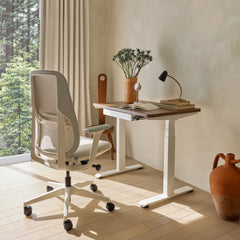
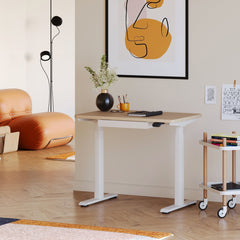
Standing flexibility is no longer a luxury; it is a necessity in ergonomic design. Tables that allow users to alternate between seated and standing positions improve posture and comfort. Products like adjustable standing desk designs demonstrate how well-crafted height systems can blend engineering with style.
These designs reflect a commitment to physical well-being, giving users the freedom to move naturally throughout the day. Stability and smooth transitions matter as much as aesthetics, ensuring each adjustment feels effortless.
Compact Builds with Hidden Efficiency
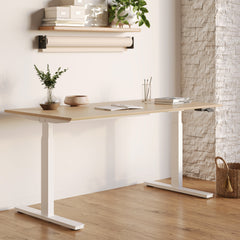
When space is limited, every inch counts. Well-designed compact tables hide innovation within minimalist silhouettes. Pieces such as portable mini desk options show how smaller formats can still support full productivity. They offer mobility for users who value both function and simplicity.
For those living in studios or shared apartments, portability becomes a practical solution. These designs prioritize convenience without appearing bulky or overly mechanical.
Durability and Material Choices
The foundation of any 3-in-1 table lies in its materials. Solid wood, powder-coated steel, and tempered glass each bring unique advantages. A well-constructed piece should withstand daily transitions between uses while maintaining structural integrity. Durability builds trust, allowing users to invest confidently in long-term functionality.
Design Innovation in the 3-in-1 Furniture Movement
Sustainability and Minimalist Aesthetics
Environmental awareness has shaped how furniture is sourced and built. Designers are embracing renewable materials, eco-finishes, and recyclable components. Simplicity also drives preference—clean lines, neutral colors, and uncluttered silhouettes enhance visual harmony. This minimalism doesn’t sacrifice character; instead, it makes each piece timeless.
Ergonomics Meets Aesthetics
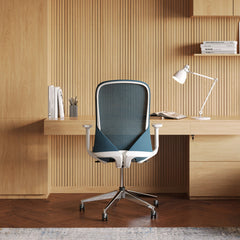
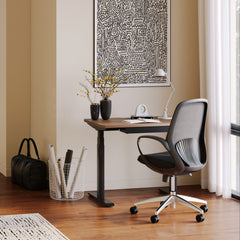
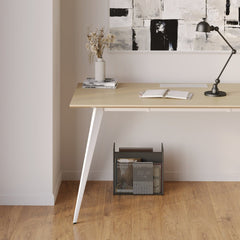
When beauty meets comfort, design feels complete. Modern office desk styles embody this philosophy by merging sleek profiles with functionality. Surfaces are wide enough for creative work yet discreet enough to fit seamlessly into living areas.
Balancing these traits ensures that a table contributes to both productivity and ambiance. Users no longer need to choose between visual appeal and everyday practicality.
Integrating Technology into Table Design
The modern lifestyle requires accessible power and cable management. Designers are introducing subtle solutions such as built-in trays, discreet charging points, and under-surface wiring. These small details enhance usability without overwhelming the look of the furniture.
3-in-1 Tables for Small Spaces
Smart Solutions for Apartments and Studios
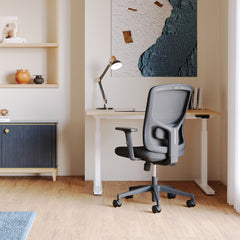
Urban living demands efficiency. Tables designed for compact spaces often feature foldable or extendable components, adapting instantly from workspace to dining area. Compact multi-use desk setups provide inspiration for small rooms that need big flexibility.
Layout Planning for Efficient Use
A strategic arrangement maximizes limited square footage. Consider these guidelines for effective space management:
1. Position convertible tables near natural light to support multiple activities.
2. Pair them with stackable or foldable seating to reduce clutter.
3. Maintain clear walking paths for easy transitions.
4. Use soft, neutral colors to visually expand tight areas.
Every decision in layout design should prioritize both usability and calm aesthetics.
Multi-Person 3-in-1 Tables for Shared Workspaces
Enhancing Collaboration Through Modular Layouts
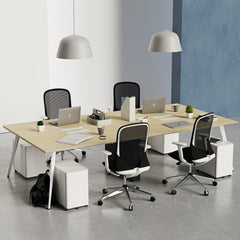
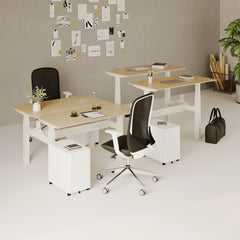
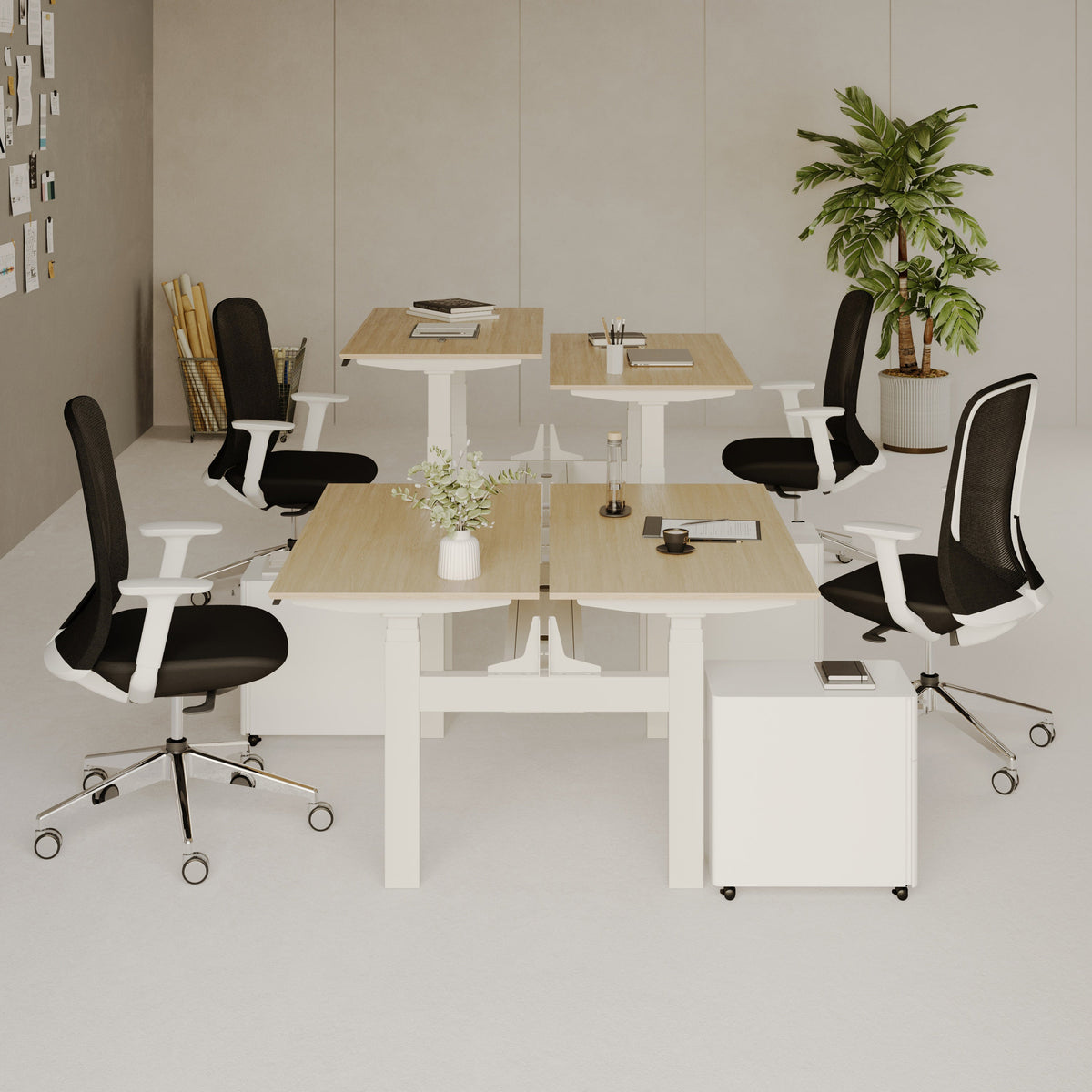
Shared workstations are evolving into collaborative zones where function meets communication. A four-seat modular workstation showcases how thoughtful configurations can optimize space while supporting teamwork. Each user has a designated area without feeling isolated.
Scalable Solutions for Larger Teams
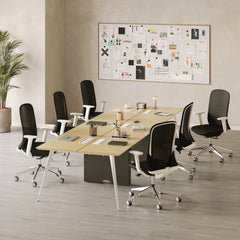
Growing teams need furniture that scales without losing order. Six-seat shared workstation setups illustrate how multi-person layouts maintain balance across larger environments.
| Model | Capacity | Ideal Use | Design Advantage |
|---|---|---|---|
| Dual desk | 2 | Home or small office | Balanced collaboration |
| Quad workstation | 4 | Startup hubs | Efficient footprint |
| Six-person layout | 6 | Corporate office | Team integration |
These designs combine structure and adaptability, letting companies shape their spaces as needs evolve.
Customizing Your Table to Fit Daily Rhythms
Balancing Work and Personal Time
A 3-in-1 table should support both professional focus and personal relaxation. Transitions between activities are smoother when the table’s design encourages clear boundaries. Accessories such as soft lighting, organizers, or partition panels help redefine purpose without disrupting workflow.
Two-Person Adaptability for Shared Spaces
For partners, colleagues, or roommates, shared setups simplify coordination. Dual adjustable desk designs enable two people to work comfortably side by side while maintaining individual control over space and height.
Benefits of shared-use models include:
-
Encouraging balanced communication
-
Allowing personalized ergonomics for each user
-
Maximizing symmetry and space efficiency
A shared 3-in-1 configuration fosters cooperation while preserving personal comfort.
The Future of Adaptive Furniture
Smart Technology and Sustainability Ahead
Furniture design continues to evolve toward modular, sustainable innovation. Motorized adjustments, sensor-aided balance control, and environmentally responsible materials are guiding development. Rather than focusing on flashy technology, the industry emphasizes quality, usability, and long-lasting craftsmanship.
How 3-in-1 Designs Support Hybrid Lifestyles
As homes become both living and working environments, furniture must bridge function with emotion. Adaptable tables align with the values of balance, simplicity, and long-term usability. Their role extends beyond convenience—they represent a shift toward mindful living where every piece has purpose.
By creating adaptable furniture that evolves with users, the brand continues to define what modern living should feel like: flexible, efficient, and authentic.
Related Articles
-
 This Is How To Build A Small Home Office You Actually Want To Work From, And How To Pick Desks For Small Spaces - Urbanica Furniture's Full Guide
-
 Filing Cabinets for Small Spaces That Still Look Clean Now
-
 Minimalist Office Table Ideas That Work Like a Bistro Table
-
 Make Small Shared Spaces Work Better With a Bistro Table
-
 Best Filing Cabinet Layout Ideas for Small Home Offices and Shared Rooms
-
 What Size Filing Cabinet Makes Sense for Small Workspaces?


