























Adaptable Tables That Fold, Expand, and Save Space

Why Adaptable Furniture Defines Modern Living
Adaptable furniture reflects a fundamental shift in how people live and work. As homes and offices become more dynamic, every square foot must serve multiple purposes. Foldable and expandable tables meet this need by transforming spaces from one function to another without sacrificing comfort or aesthetics. Their growing popularity mirrors a cultural preference for efficiency, mobility, and refined simplicity.
The Intersection of Form, Function, and Flexibility
Adaptability is no longer a luxury; it’s a lifestyle choice. In small apartments or open-plan offices, flexible furniture lets users reconfigure environments on demand. Tables that can fold or extend bridge the gap between aesthetic elegance and functional necessity, creating living spaces that breathe, move, and evolve with daily life.
Compact Living and the Urban Challenge
Urbanization has redefined what it means to live comfortably. Compact dwellings now require furniture that can multitask. Adaptable tables simplify organization and make it easier to balance work, leisure, and family life. By reducing clutter and allowing flexible layouts, they contribute to calmer, more mindful interiors.
Engineering Adaptability: How Foldable and Expandable Tables Work
Adaptable tables combine clever mechanics with durable materials. Precision-engineered hinges, telescoping frames, and extendable leaves ensure smooth operation while maintaining stability. Manufacturers increasingly rely on lightweight materials and modular parts that make reconfiguration effortless.
Core Mechanisms in Transformable Tables
The most common folding designs use pivoting hinges or collapsible legs that tuck neatly beneath the tabletop. Expandable tables often feature sliding rails or lift-and-lock mechanisms that extend the surface area without altering the base structure. These systems must strike a delicate balance between mobility and rigidity.
Key Benefits of Adaptable Tables
Beyond saving space, these tables enhance usability and comfort. They can serve as dining surfaces, workstations, or hobby tables, shifting roles as needed. Adaptability supports both physical well-being and mental focus by encouraging organized, clutter-free environments.
Foldable Tables for Home Offices and Compact Creativity
Remote and hybrid work have inspired new expectations for home furniture. Foldable tables empower individuals to set up functional work areas that disappear when not in use. This adaptability promotes balance between professional and personal time, even in small homes.
Simple Functionality in Practice
Folding tables work well for study nooks, crafting corners, and temporary offices. Durability and ease of use are essential. Hinges, joints, and surfaces should withstand repeated adjustments without warping or losing alignment.
Integrated Workspace Options
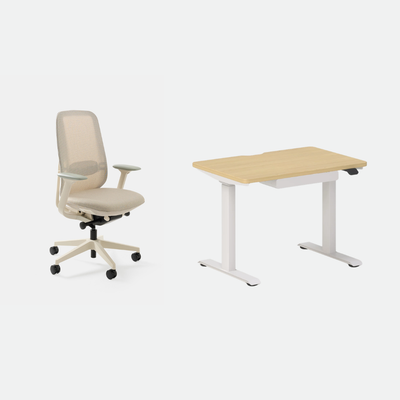
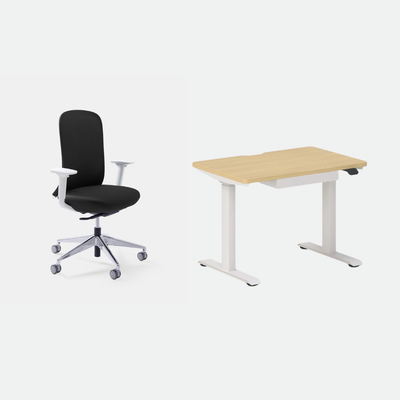
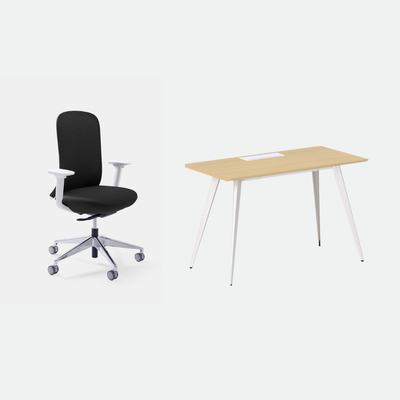
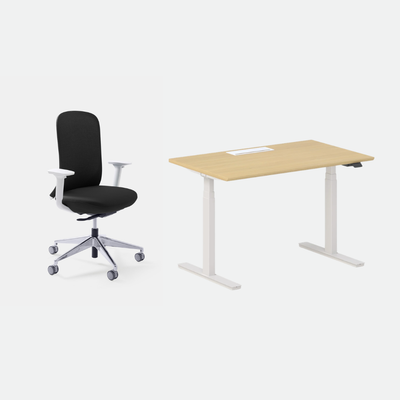
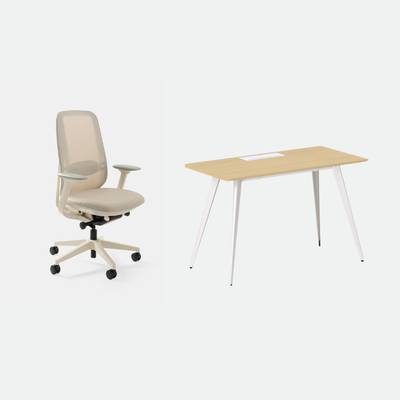
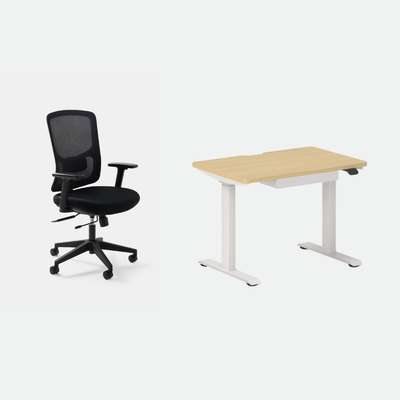
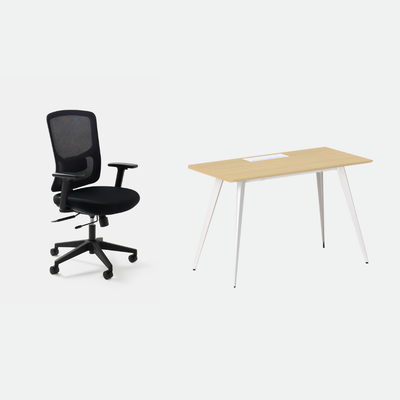
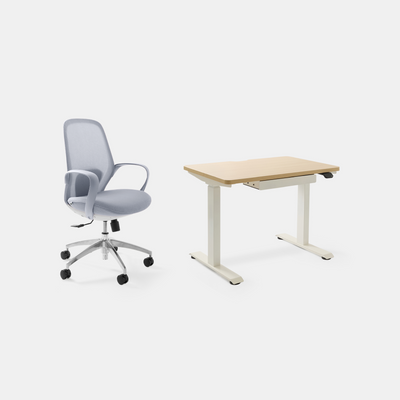
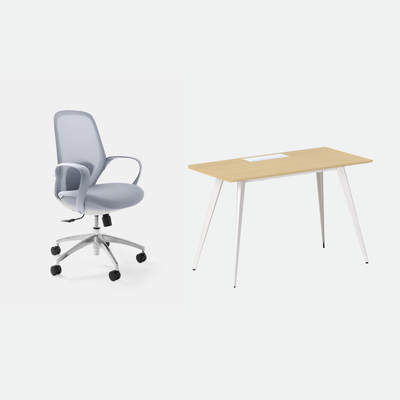
Urbanica Furniture’s Office Desk demonstrates how minimalist design can support productivity while maintaining a clean aesthetic. For even tighter spaces, the Mini Standing Desk provides ergonomic comfort without taking up much room. Both exemplify how functionality and style coexist in compact design.
Expandable Tables and Collaborative Design Thinking
Expandable tables enable quick transitions from individual work to team collaboration. Their extendable surfaces foster group interaction while preserving a clean footprint. They have become staples in both professional and shared residential environments.
Scaling Productivity for Teams
The Quad Workstation supports four users comfortably, allowing teams to collaborate while maintaining personal space. For larger teams, the Six-Person Workstation Desk offers an efficient layout that encourages interaction and focus. These designs embody modular collaboration at its best.
Comparison Table: Space Efficiency and Adaptability
| Table Type | Ideal Use Case | Space Requirement | Seating Capacity | Transformation Mechanism |
|---|---|---|---|---|
| Folding Desk | Small apartments | Minimal | 1 | Hinged top / collapsible legs |
| Expandable Dining Table | Family dining | Moderate | 4–8 | Slide-out leaf panels |
| Modular Workstation | Open offices | Variable | 2–6 | Detachable extensions |
Ergonomic Adaptability and Standing Design
Modern ergonomics emphasize movement, variety, and posture awareness. Height-adjustable and standing desks help users alternate between sitting and standing, reducing fatigue and promoting focus throughout the day. Adaptable table design naturally supports these ergonomic goals.
Standing Desks and User Well-Being
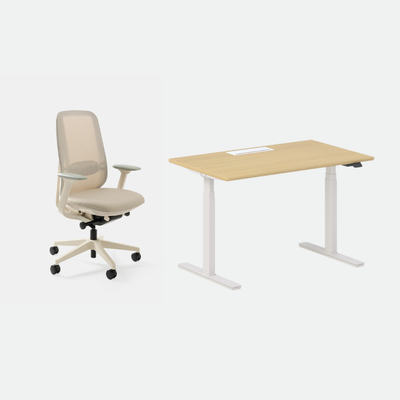
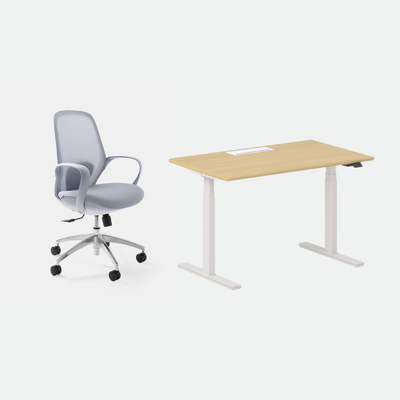
The Desks Collection features a range of adjustable and standing desks tailored for comfort and longevity. Proper setup encourages healthier posture, minimizes strain, and enhances productivity. These designs align with OSHA’s ergonomics guidelines, which promote safer and more sustainable working environments.
The Science of Movement in Workspaces
Alternating between sitting and standing improves circulation and focus. Tables designed with adjustable height features allow users to tailor the workspace to their needs, supporting both short bursts of work and extended sessions comfortably.
Dual-Purpose Tables for Hybrid Homes
Homes now serve multiple purposes—work, dining, relaxation, and socialization. Dual-purpose tables bridge these functions seamlessly, ensuring that one piece of furniture can adapt to various moments of the day.
Two-Person Collaboration in Compact Settings
The Two-Person Standing Office Desk exemplifies how shared spaces can maintain comfort and efficiency. It provides ample room for collaboration without overwhelming smaller rooms, reinforcing the value of intentional design in compact environments.
Transforming Dining Tables into Workspaces
Convertible dining tables let families reclaim living areas quickly. During the day, they function as workstations; by evening, they transform back into inviting dining spaces. Such versatility supports hybrid living while keeping interiors balanced and uncluttered.
Sustainability and Longevity in Adaptive Furniture
Sustainability lies at the heart of adaptable furniture philosophy. Every fold, hinge, and extension represents a commitment to long-term usability and reduced waste. Choosing materials that last contributes to environmental responsibility and customer trust.
Durability as a Form of Sustainability
Durable, repairable furniture reduces landfill waste and supports circular design principles. Modular tables often include replaceable components that extend product life. This approach allows customers to adapt or repair furniture instead of replacing it, aligning environmental awareness with long-term value.
Integrating Adaptable Tables into Home and Office Aesthetics
Adaptable tables should harmonize with existing décor. The goal is not only to save space but also to enhance the visual coherence of a room. Color, texture, and proportion determine how well a table blends with its surroundings.
Design Synergy in Small Spaces
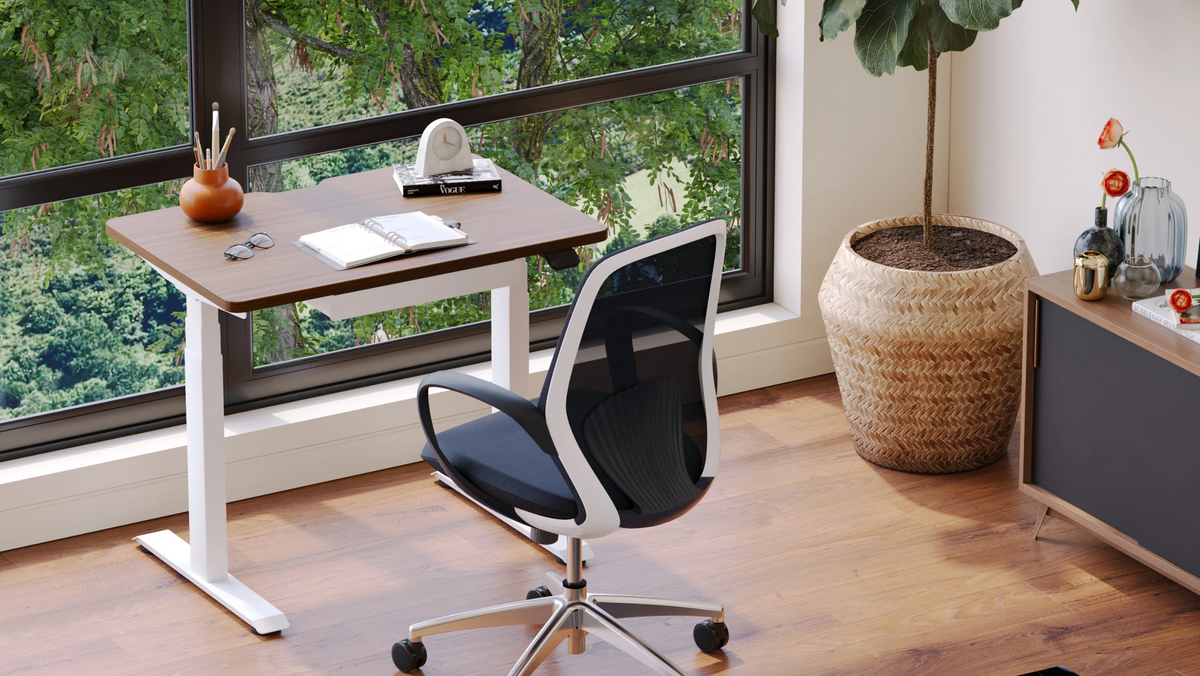
In smaller rooms, the interplay between foldable tables and concealed storage can transform usability. Placing tables near natural light sources can expand perceived space, while pairing them with minimalist chairs maintains visual flow.
Aesthetic Trends in Multifunctional Furniture
Current design trends favor natural finishes, soft forms, and neutral tones that adapt across multiple interior styles. Adaptable tables often feature clean lines and organic textures that communicate calm efficiency. By balancing aesthetics and practicality, they elevate both function and feeling.
The Future of Adaptable Table Design
The evolution of adaptable furniture continues to refine the relationship between people and space. Innovations focus on improved ergonomics, smarter folding systems, and sustainable materials rather than overcomplicated technology. The aim is to create reliable designs that adapt effortlessly to changing lifestyles.
Innovations on the Horizon
New mechanical approaches enhance flexibility and usability. Designers are exploring smoother folding systems, lighter materials, and improved joint stability. The emphasis remains on practical progress that customers can trust and maintain with ease.
Adaptability as a Long-Term Design Philosophy
Adaptability is not a passing trend. It has become a principle of responsible design that respects how people live and work. By creating furniture that adjusts gracefully to different needs, brands like Urbanica Furniture affirm that true innovation lies in simplicity, longevity, and the thoughtful use of space.
Related Articles
-
 This Is How To Build A Small Home Office You Actually Want To Work From, And How To Pick Desks For Small Spaces - Urbanica Furniture's Full Guide
-
 Filing Cabinets for Small Spaces That Still Look Clean Now
-
 Minimalist Office Table Ideas That Work Like a Bistro Table
-
 Make Small Shared Spaces Work Better With a Bistro Table
-
 Best Filing Cabinet Layout Ideas for Small Home Offices and Shared Rooms
-
 What Size Filing Cabinet Makes Sense for Small Workspaces?


