



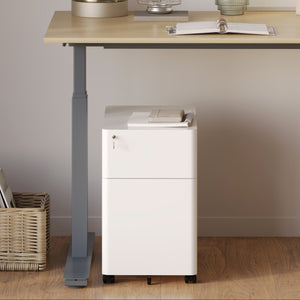






















Filing Cabinet Choices for Cleaner Workstation Planning
Cleaner workstation planning starts with filing storage that matches the desk, document volume, security needs, and daily workflow. Explore how cab...
Learn more
Visit quiz page to see how we makes it easy to create an inspiring workplace


A clear desk feels like a fresh start. But if you work from home, share a space, or juggle a busy schedule, keeping your desk neat can feel impossible. Papers pile up, chargers spread out, and random items land on your workspace “just for now.” The One-Tray Method is a simple, realistic way to stay organized without constantly cleaning. You only need one tray, one routine, and a few smart rules that keep your desk clear every day.
The One-Tray Method is exactly what it sounds like: instead of letting clutter take over your desk, you give all your “in-between” items one designated home. That home is a tray.
This tray becomes the only place where temporary clutter is allowed. That means your mail, loose notes, receipts, sticky notes, and small daily items stop spreading across your desk surface. When you always know where those items go, you don’t waste time searching, and your desk stays visually calm.
The reason it works is simple: most desk mess isn’t caused by “too much stuff.” It’s caused by items that don’t have a clear destination. The tray becomes that destination.
And because the method is limited to one tray, it naturally prevents clutter from growing. When the tray fills up, it’s your signal to reset, not to add another pile.
Not all trays work the same way. The best tray is the one that matches how you actually work, not the one that looks perfect in photos.
A tray that’s too big becomes a storage bin. A tray that’s too small becomes annoying. A medium tray is usually the sweet spot because it holds daily clutter without becoming a “forever pile.”
Your tray should live in a consistent spot. Most people do best with one of these placements:
back corner of the desk
side edge of the desk
shelf above the desk (if you have one)
drawer tray insert (if you prefer a hidden look)
Keep it within arm’s reach
Keep it out of your main work zone
Keep it visible enough to remember
Keep it stable so it doesn’t slide around
Use the tray for temporary items only
Keep your keyboard and mouse area tray-free
Don’t let the tray become a snack station
Reset the tray at the same time every day
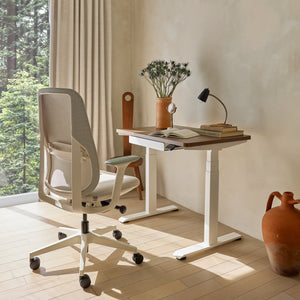
If your desk is small, the One-Tray Method becomes even more valuable because you can’t afford clutter spreading across the surface. A compact setup like a Small Standing Desk Los Angeles workspace makes the tray method feel natural because every inch of space matters.
The One-Tray Method only works when the tray has rules. Otherwise, it becomes a mini junk drawer on top of your desk.
Your tray should hold items that are temporary and need action later.
Examples include:
unopened mail
receipts you need to file
notes from a meeting
appointment cards
a flash drive you used today
a pen you grabbed quickly
a sticky note with a reminder
Some things create clutter instantly and should be stored properly instead.
Avoid putting these in your tray:
old paperwork you’re afraid to throw away
random cables you don’t use daily
extra office supplies in bulk
cosmetics, snacks, or household clutter
items that belong in another room
If it takes longer than 30 seconds to decide what it is, it doesn’t belong
If it’s broken, throw it away or remove it immediately
If it’s important, file it the same day
If it’s not yours, return it within 24 hours
Don’t sort the tray during work hours
Use the tray as a “pause button” for clutter
Reset the tray after work so tomorrow feels easier
Keep the tray light so you can move it quickly
This method is meant to reduce stress, not create a new system you dread.
Even the best organizing method struggles on a desk that doesn’t support your daily routine. If your desk is too cramped, you’ll stack things. If it’s too wide, you’ll spread things. If it doesn’t feel comfortable, you’ll constantly rearrange.
That’s why your desk choice plays a big role in keeping things clean long-term. A stable office desk setup gives you enough space to work while still feeling controlled, especially when you pair it with the One-Tray Method.
The goal is to create a workspace where:
your work zone stays open
your tray catches temporary clutter
your storage handles the rest
When those three parts work together, your desk stays clear with less effort.
If your tray fills up too quickly, it usually means you need better storage nearby. The tray should handle temporary items, not long-term storage.
Paper is one of the biggest desk clutter triggers. It spreads fast, and it makes a space feel messy even when everything else is clean.
A dedicated file cabinet solution helps keep paperwork out of sight and easy to access, so your tray stays light and your desk stays calm.
If you keep every pen, notebook, and tool on your desk, your tray will overflow because you’ll constantly move things around.
one notebook you’re currently using
one pen cup or small organizer
one charging cable for daily use
one folder for active paperwork
one tray for temporary items
File papers daily or weekly, not “someday”
Keep bulk supplies in a drawer or cabinet
Throw away junk mail immediately
Use one folder labeled “To File” for important papers
When your storage is working properly, your tray becomes a simple tool instead of a dumping ground.
If your desk looks messy, the area around your screen is usually the reason. That spot becomes a magnet for sticky notes, chargers, and random items because it’s “out of the way,” but still visible.
One of the easiest upgrades is lifting your screen off the desk so you gain clean space underneath. A flexible monitor arm helps open up your desk surface, improves your posture, and makes the One-Tray Method even easier because you have a clearer layout.
A clean screen area does two things:
It makes your desk look more organized immediately
It gives you more usable space for actual work
Even if you change nothing else, clearing that area can make your entire home office feel calmer.
Here’s how the One-Tray Method works in real life, depending on your work style and desk habits.
|
Desk Type |
What Usually Causes Clutter |
What Goes in the Tray |
What Gets Stored Elsewhere |
|
Remote work desk |
papers, sticky notes, chargers |
meeting notes, mail, small reminders |
paperwork in cabinet, extra cables in drawer |
|
Student desk |
notebooks, loose sheets |
active assignments, receipts, study notes |
finished notes filed away |
|
Shared desk |
random items from others |
items to return, temporary supplies |
personal items stored off-desk |
|
Small desk setup |
everything piles up fast |
only “today items” |
supplies stored nearby |
|
Creative desk |
tools and materials spread out |
small tools used daily |
extra tools stored in a container |
This table shows the key idea: the tray holds short-term items, not everything you own.
The One-Tray Method pairs beautifully with a minimalist mindset because both focus on fewer distractions and more clarity. You don’t have to become a minimalist to use this method, but a little minimalism makes it easier to maintain.
When your desk looks crowded, your brain feels like it has more to process. When your desk looks clear, starting work feels lighter.
It’s not about having nothing. It’s about keeping what supports your daily life and removing what doesn’t.
If you want a deeper look at why modern spaces are shifting toward simpler design, this minimalism trend explains how minimalism has influenced interiors and everyday living.
keep only one active notebook on your desk
remove anything you don’t use weekly
store extras out of sight
clear your work zone before starting tasks
keep one cup for pens, not five
keep one charging area, not scattered chargers
keep your tray small so it stays manageable
keep your desktop mostly open for real work
Minimalism doesn’t have to be extreme. Even small changes make your desk feel more peaceful.
The biggest benefit of the One-Tray Method is that it’s easy to maintain. You don’t need a weekend organizing project. You need a daily reset that takes less than a minute.
Here’s how to do a 60-second tray reset:
Toss trash immediately
Move important papers to one folder
Put supplies back in their proper storage
Leave only “tomorrow items” in the tray
That’s it.
If you do this once a day, your desk stays clear almost automatically. Your tray becomes a tool you trust instead of a pile you avoid.
The One-Tray Method is one of the simplest desk habits you can start today. It works because it’s realistic. It accepts that life gets messy, but it controls where the mess goes.
Pick one tray and commit to it
Place it in the same spot every day
Use it only for temporary clutter
Keep your work zone tray-free
Reset the tray daily in 60 seconds
Move paperwork into proper storage weekly
Keep your desk surface mostly open
Remove anything that doesn’t belong in your office
When you follow this checklist, your desk stops feeling like a storage shelf and starts feeling like a place you can actually focus.


You have unlocked free shipping!
You're saving $29 and unlocked free shipping!
Leave a comment