



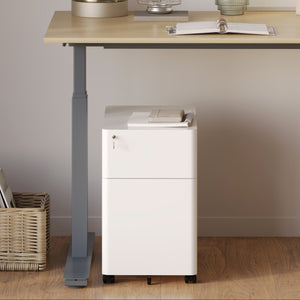






















Filing Cabinet Choices for Cleaner Workstation Planning
Cleaner workstation planning starts with filing storage that matches the desk, document volume, security needs, and daily workflow. Explore how cab...
Learn more
Visit quiz page to see how we makes it easy to create an inspiring workplace


Security is not only about locks, walls, or alarms. It is also about how a space makes you feel the moment you sit down, place your hands on a surface, or lean back after a long day. Furniture plays a quiet but powerful role in shaping that feeling. When furniture is stable, supportive, and designed with human needs in mind, it creates an environment where people feel grounded, focused, and at ease. This article looks at how furniture design builds a sense of security through structure, comfort, and thoughtful details.
A sense of security often begins with physical stability. When furniture feels solid and reliable, the body relaxes without conscious effort. A wobbly table or an unsupportive chair creates tension, even if it is subtle. Over time, that tension affects focus, posture, and emotional comfort.
Furniture that is well-designed sends a clear message to the user: this space supports you. That message matters in homes, offices, and shared environments where people spend hours every day. When the physical environment feels predictable and dependable, the mind follows.
Furniture that does not shift, shake, or feel fragile builds immediate trust. People are more likely to settle into their work or rest when they are not constantly adjusting their position.
The body responds quickly to unstable surroundings. Muscle tension increases when furniture feels unreliable.
Key structural features that enhance security include:
Strong frames that hold weight evenly
Balanced proportions that prevent tipping
Materials that resist flexing or bending
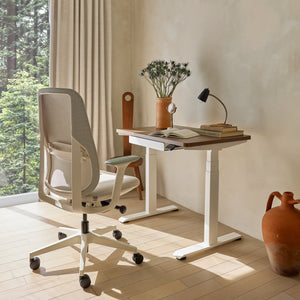
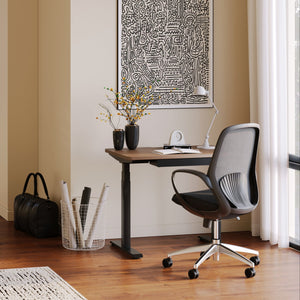
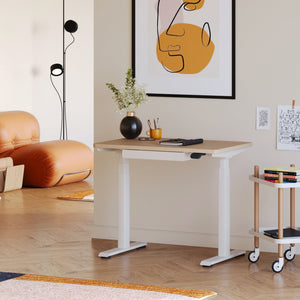
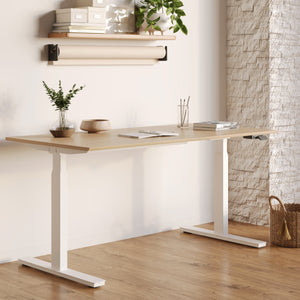
A height-adjustable work surface that remains stable at every level supports both movement and confidence, helping users feel secure whether sitting or standing.
Furniture that behaves as expected allows the mind to stay focused on tasks rather than surroundings.
When drawers open smoothly and surfaces feel dependable, users develop trust over time.
Furniture that feels secure often includes:
Smooth, controlled movement
Surfaces that stay level during use
Designs that do not require constant adjustment
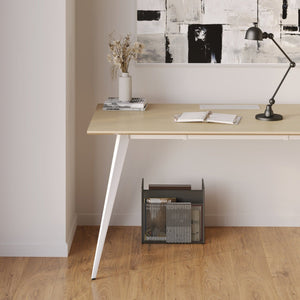
A fixed work table with a dependable surface supports this sense of predictability, especially for routine tasks that require focus and calm.
Security is closely tied to physical comfort. When the body is supported correctly, it naturally feels safer. Poor posture or constant discomfort triggers stress responses, even in familiar spaces.
Guidelines on proper office setup and body alignment explain how furniture affects muscle strain, fatigue, and overall well-being. Furniture designed around these principles helps users feel protected from physical stress over long periods.
Furniture that adapts to the user gives a sense of control, which directly affects emotional security.
When users can fine-tune their setup, they feel more confident and less constrained.
Helpful adjustable elements include:
Arm support that reduces shoulder tension
Seating that adapts to different body sizes
Components that respond smoothly to small changes
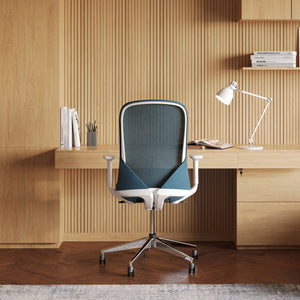
Adding adjustable arm support for relaxed upper body positioning allows users to customize comfort without disrupting their workflow.
A chair is often the main point of contact between the body and the environment. When seating is poorly designed, the body remains tense. When it is supportive, the body settles naturally.
Seating designed to support posture evenly helps users feel held rather than restricted. This balance between softness and structure is essential for long-term comfort and a sense of safety during extended sitting.
|
Design Feature |
How It Creates Security |
Best Use Case |
|
Stable frames |
Reduces physical tension |
Daily workspaces |
|
Predictable movement |
Builds trust over time |
Repetitive tasks |
|
Ergonomic support |
Prevents discomfort |
Long sitting hours |
|
Adjustable elements |
Increases personal control |
Shared spaces |
|
Balanced proportions |
Enhances physical confidence |
Home and office |
Minor design choices can influence how safe a space feels.
Furniture that looks balanced often feels balanced during use.
Security-enhancing details include:
Soft edges that reduce visual tension
Neutral tones that avoid overstimulation
Designs that feel intentional and complete
A chair designed to support balanced posture during long sessions contributes to this sense of calm by aligning visual comfort with physical support.
In modern life, workspaces often serve as personal anchors. A well-designed workspace creates a boundary where people can focus without feeling overwhelmed.
For those considering Office Table California options, the appeal goes beyond style. The right table becomes a stable center point that supports routine, productivity, and emotional ease throughout the day.
A secure space does not happen by accident. It is built through furniture that respects the body, supports movement, and remains dependable over time. When furniture feels stable and responsive, it quietly reinforces confidence and comfort.
Before choosing furniture, consider this checklist:
Does it feel stable when you lean or move?
Does it support your posture naturally?
Can it adapt to your daily routines?
Does it reduce tension rather than create it?
Will it feel reliable months and years from now?
Furniture that meets these points does more than fill a room. It creates a foundation where people can think clearly, work calmly, and feel secure in their space.


You have unlocked free shipping!
You're saving $29 and unlocked free shipping!
Leave a comment