










What Is the Best Way to Use a Laptop Stand for Daily Work?

Daily laptop work often looks simple on the surface. Open the computer, answer messages, move through meetings, finish a few focused tasks, and close the lid at the end of the day. In practice, the physical setup behind that routine has a major effect on concentration, comfort, and consistency. A laptop stand can improve that setup, but only when it is used with intention.
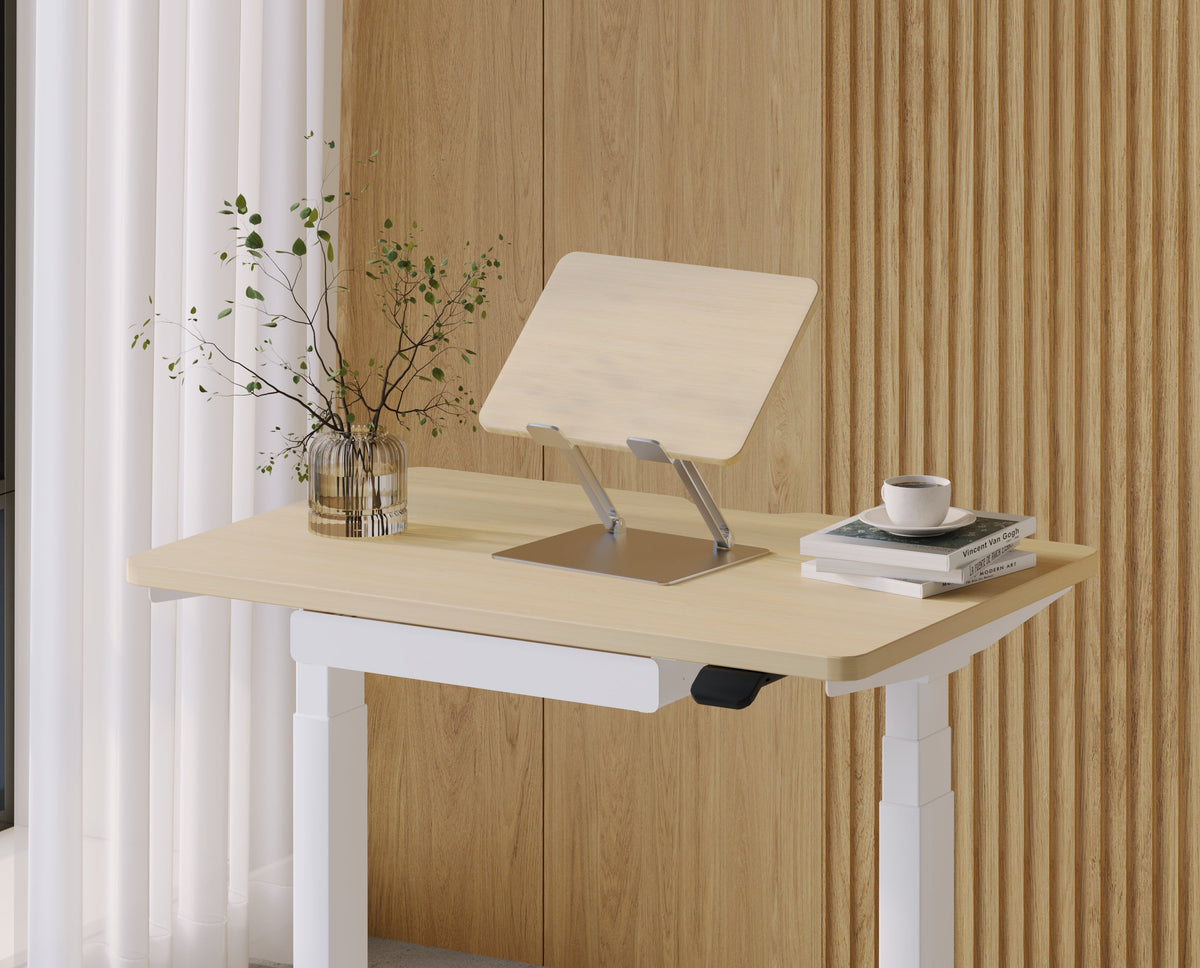
The best way to use a laptop stand for daily work is to treat it as part of a complete workstation rather than a quick desk accessory. The stand should elevate the screen to a more comfortable viewing height, support a neutral head and neck position, and work in harmony with the desk, chair, lighting, keyboard, and mouse. When those pieces align, the stand stops being a product that merely raises a device and becomes part of a workspace that supports better daily habits.
Why laptop work becomes uncomfortable when the screen and keyboard stay locked together
Laptops are convenient because everything is built into a single device. That convenience also creates the central ergonomic problem. The screen and keyboard are attached to each other, which means improving one position often worsens the other. If the laptop sits low enough for comfortable typing, the user usually looks down for long periods. If the laptop is raised to improve the viewing angle, typing on the built-in keyboard becomes less natural.
The physical tradeoff built into laptop design
Most people adapt without noticing it at first. They lean toward the screen to read more clearly. They tilt the head downward while writing emails or working through spreadsheets. They bring the shoulders forward during long stretches of typing. None of those habits feel dramatic in the moment, but repeated daily, they can make a workstation feel tiring long before the actual work becomes mentally difficult.
A laptop stand helps by separating screen height from desk height. That change matters because the eyes, neck, shoulders, wrists, and hands all respond to how the screen is positioned in relation to the body. Better setup choices often make the day feel smoother not because the work itself changed, but because the body stopped fighting the workstation.
What “best” means in a real daily setup
The best laptop stand setup is not the tallest or the most complicated. It is the one that supports sustainable working posture for the kind of tasks that happen every day. That includes reading, typing, reviewing documents, joining calls, answering messages, and switching between focused work and lighter administrative tasks.
In practical terms, a good setup should help create:
-
A screen that is easy to see without dropping the chin
-
Shoulders that stay relaxed instead of lifted or rounded
-
Arms that rest comfortably near the body
-
A keyboard and mouse zone that does not require reaching
-
A desk layout that still feels usable after several hours
The best screen position starts with height, centering, and distance
A laptop stand works best when the screen is placed where the eyes can find it naturally. That usually means positioning the display so the top portion of the screen sits around eye level or slightly below, depending on the user’s height, seating position, and visual preferences.
Why screen height matters more than most users expect
Small changes in vertical screen position can influence posture throughout the day. When the screen is too low, the head tends to angle downward. That posture often pulls the upper back forward and invites the torso to lean in. When the screen is lifted into a more comfortable sightline, the neck can remain more neutral and the body has less reason to collapse toward the desk.
That does not mean higher is always better. If the stand lifts the screen too far, the eyes may need to look upward, which can also become tiring. The goal is a natural viewing angle, not maximum elevation.
Screen centering is just as important as height
Even a well-raised screen can create strain if it is off to one side. The laptop should sit directly in front of the user rather than angled around papers, chargers, or decorative items. Over time, an off-center screen encourages subtle twisting through the neck and shoulders. A centered screen supports a more balanced working posture and makes sustained focus feel easier.
Adjustable positioning helps when work changes throughout the day
Some people use the same setup for hours at a time. Others move between writing, reviewing visual content, taking calls, and reading documents. In those situations, the ability to make small positioning changes can be useful. A thoughtfully designed ergonomic adjustable laptop stand makes it easier to fine-tune screen height and angle based on how the workstation is being used, without changing the entire desk layout.
A laptop stand becomes far more effective when paired with the right typing zone
Raising the screen solves only one half of the laptop problem. Once the laptop moves upward, typing directly on the built-in keyboard becomes less suitable for extended daily work. That is why the best use of a laptop stand often includes an external keyboard and mouse.
Why external input devices matter
When the laptop is raised, the hands should not have to follow it. Keeping the screen up and the typing zone down allows the body to maintain a better relationship with both. The eyes can stay level with the display while the forearms remain closer to a comfortable working height on the desk.
This arrangement usually supports a more relaxed shoulder position and reduces the urge to lift the wrists or tuck the elbows inward unnaturally. It also creates more flexibility in how the desk surface is organized.
What a comfortable typing zone should feel like
The keyboard should be placed close enough that the user does not need to reach forward. The mouse should sit nearby so cursor movement does not turn into shoulder work. Elbows should rest relatively close to the torso, and the wrists should stay as neutral as possible instead of bending upward.
A cleaner, lower-profile setup can still support those principles. For users who prefer a simpler footprint or need something visually lighter on the desk, a lightweight slim laptop stand can fit naturally into a workstation that values portability and minimal visual bulk while still improving screen placement.
Desk fit determines whether a laptop stand feels helpful or awkward
A laptop stand does not exist in isolation. It sits on a surface, and that surface has its own influence on comfort. Desk height, desk depth, and the amount of usable space available all shape how effective the stand will feel during daily work.
Why desk height affects the whole setup
If the desk is too high, the shoulders tend to rise and the wrists may angle uncomfortably during typing. If the desk is too low, the user may sink forward and round through the upper body. In both cases, the stand may improve screen height while the rest of the body still compensates.
That is why the most effective workstation decisions usually consider the desk and stand together rather than separately.
Desk depth changes screen distance and reach
A shallow surface can push the screen too close to the face, especially once a stand is added. A deeper desk often gives more room to create proper viewing distance and a cleaner separation between the screen and keyboard zone. At the same time, too much depth can create its own problem if frequently used items get placed too far away.
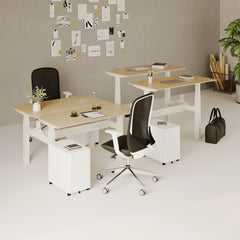
The goal is a desk layout that allows the laptop screen to sit at a comfortable reading distance while leaving enough room for accessories and natural arm placement. Well-proportioned adjustable ergonomic office desks can support that relationship by giving the stand a more functional foundation for everyday work.
Desk-and-stand fit issues to watch for
| Workstation condition | What usually happens | Better adjustment |
|---|---|---|
| Desk too high | Shoulders lift and wrists tense | Improve chair-to-desk fit and lower the typing zone where possible |
| Laptop screen too low | Head drops forward | Raise the screen with a laptop stand |
| Desk too shallow | Screen sits too close | Rework layout or use a surface with better depth |
| Keyboard placed too far away | Reaching increases arm tension | Bring input devices into the primary reach zone |
| Screen off-center | Neck rotates subtly during work | Align the laptop directly with the body |
Different work styles call for different laptop stand habits
Not all daily work looks the same. A setup that feels excellent for writing may need slight changes for meetings, detailed screen review, or hybrid work routines.
Writing, editing, and document-heavy work
Long writing sessions usually benefit from a stable, repeatable setup. The screen should be easy to scan without downward neck strain, and the keyboard should stay in a consistent position that supports rhythm and comfort. For these tasks, the best laptop stand setup is usually one that fades into the background. It should support posture without asking for constant readjustment.
Spreadsheet, research, and detail-oriented work
Tasks that involve detailed visual review often depend heavily on clear screen positioning and reduced glare. Users may lean toward the screen when text appears dense, contrast is low, or reflections interfere with readability. In that context, the stand should support a line of sight that encourages staying back in the chair rather than drifting forward.
Video calls and camera-facing tasks
Calls introduce another layer. The screen is no longer only a workspace. It also becomes part of a face-to-face environment. A raised laptop often creates a more natural webcam angle, which can make virtual communication feel steadier and more comfortable. Lighting then becomes especially important, because a well-positioned screen can still be undermined by poor visual conditions.
Lighting strongly influences how well a laptop stand performs
Many users think of laptop stands in terms of posture only, but lighting affects posture too. If the screen is hard to read because of glare, low contrast, or poor ambient balance, people naturally move their bodies to compensate.
Why poor lighting causes posture drift
A screen that catches reflections from overhead lighting or nearby windows often leads to leaning, tilting, or squinting. A room that is too dim can make users move closer to the display. In both cases, the stand may technically be positioned well while the actual working posture still deteriorates.
That is why lighting should be adjusted alongside the screen, not after the fact.
How task lighting can support screen comfort
A workstation benefits from light that supports reading, note-taking, and general visibility without bouncing harsh reflections back onto the laptop display. Directional, functional lighting can help shape a better work zone, especially when placed to the side rather than directly behind or above the screen. A piece such as the Alumina multi-use LED lamp can fit into that role by contributing focused light where the desk needs it most.
Softer secondary light can make the setup feel more usable throughout the day
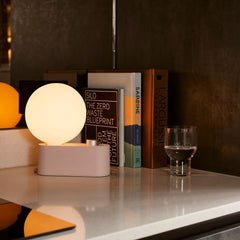
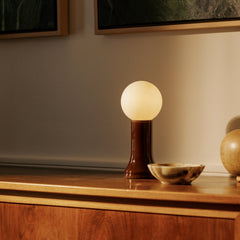
Workspaces are easier to stay in when they feel visually calm. Hard overhead brightness often creates a flat, tiring environment, especially later in the day or during video calls. A secondary light source can soften the room and make the workstation feel more balanced without competing with the screen itself. A Shore recycled glass table lamp can contribute to that layered effect while supporting a more thoughtful desk atmosphere.
A clean reach zone keeps the stand in the right position
A laptop stand often gets blamed for problems that are actually caused by clutter. When the desk is crowded, the laptop ends up wherever space happens to be available rather than where it should be for posture and visibility.
Why clutter changes screen position
Stacks of paper, misplaced chargers, decorative items, notebooks, and extra devices can push the laptop off-center or too far back. That forces the screen into a compromised position, which then affects head angle, viewing distance, and arm placement.
A workstation works better when the primary desk area is reserved for the things used most often. That usually means the keyboard, mouse, laptop screen, and a small number of supporting items.
Accessories should reduce friction, not create more of it
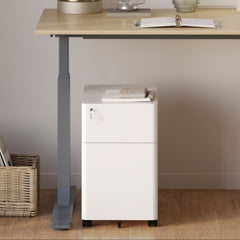
Useful accessories make the setup easier to repeat. They help keep the desk organized, support task lighting, and reduce the small frustrations that lead to poor placement. Curating a workstation with practical modern office accessories can help create a cleaner environment where the stand can stay in the position that best supports daily work.
A repeatable setup routine matters more than a perfect one-time adjustment
The most successful laptop stand setup is usually not the most technical. It is the one that can be recreated consistently with minimal effort. Daily work is repetitive, so the setup should support repetition too.
A simple workstation reset before starting the day
1. Adjust the chair so the body feels grounded and stable.
2. Place the laptop stand directly in front of the torso.
3. Set the screen height so it is easy to view without dropping the chin.
4. Position the keyboard and mouse close enough to avoid reaching.
5. Check for glare from windows or overhead light.
6. Clear unnecessary objects from the immediate work zone.
This routine does not need to take long. What matters is that it prevents gradual setup drift from becoming normal.
Midday signs that the setup needs correction
Even a good workstation can shift over time. After meetings, breaks, or task changes, it is common for the keyboard to move too far away or the body to slide into a more compressed posture. A quick reset can help if the neck starts to tighten, the shoulders feel loaded, or the user notices a habit of leaning toward the display.
The best results come from building a full workspace around the stand
A laptop stand works best when it belongs to a larger workspace logic. The stand improves screen position, but the long-term success of the setup depends on whether the rest of the environment supports calm, repeatable work.
Thinking in systems leads to better daily use
A desk, laptop stand, lighting plan, and accessory layout all influence one another. When those pieces are chosen and arranged with consistency in mind, the workstation feels easier to return to every day. The result is not a dramatic transformation or a one-product shortcut. It is a space that quietly supports better habits, better posture, and a smoother work rhythm.
A more complete workspace can benefit from coordinated planning
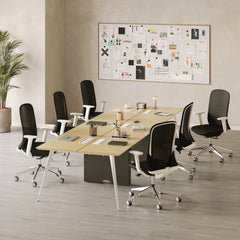
For users shaping a fuller office environment rather than adjusting a single desktop object, broader workspace decisions start to matter more. Surface proportions, lighting choices, storage needs, and the visual feel of the room all influence how comfortably a laptop stand can be used over time. Exploring ergonomic and modern office furniture solutions can help connect those pieces into a workstation that feels cohesive, practical, and suited to daily use.
What the best laptop stand setup really looks like in everyday work
The best way to use a laptop stand for daily work is to create a workstation where the screen is easy to see, the typing zone feels natural, and the body is not constantly compensating for the desk. That usually means raising the laptop screen with purpose, centering it properly, pairing it with external input devices for longer sessions, supporting the layout with good lighting, and keeping the desk clear enough that the stand can stay in the right place.
When those choices come together, the laptop stand stops acting like a small fix and starts functioning like part of a dependable daily workspace. That is where real value shows up, not in dramatic claims, but in the steady comfort and usability that make it easier to work well day after day.
Related Articles
-
 How Filing Cabinet Storage Supports Office Desk Must Haves
-
 Filing Cabinet Ideas for Better Office Furniture Accessories
-
 Best File Cabinet for Home Office Storage That Feels Easy
-
 Better Multiple Monitor Desk Setup Starts With One Stand
-
 Make Laptop and 2 Monitor Setup Work With Better Stands
-
 Why Dual Monitor Comfort Needs a Monitor and Laptop Stand


