



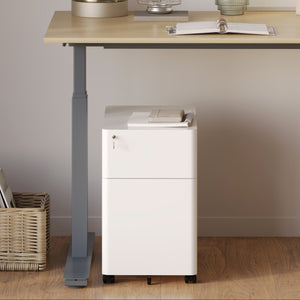






















Filing Cabinet Choices for Cleaner Workstation Planning
Cleaner workstation planning starts with filing storage that matches the desk, document volume, security needs, and daily workflow. Explore how cab...
Learn more
Visit quiz page to see how we makes it easy to create an inspiring workplace


Small desks ask more from every object placed on them. In a compact home office, a laptop stand is not simply a way to raise a screen. It changes how far you sit from your display, how comfortably you can type, how much room remains for a mouse or notebook, and whether the desk feels clear enough to support focused work. The right choice can make a tight setup feel more intentional. The wrong one can eat up precious surface area and create new frustrations that show up every day.
That is why choosing a laptop stand for a small desk should start with the workspace itself. Desk depth, the way you type, how often you move between tasks, and what else needs to stay within reach all matter. A stand that looks attractive in a product photo may not suit a shallow desk or a compact corner office. What works best is usually the option that supports posture and workflow while keeping the surface calm, usable, and proportionate to the room.
A laptop stand can technically fit on a small desk and still be the wrong choice. This happens when the stand takes up too much central space, pushes the laptop too far back, or forces your wrists and shoulders into awkward positions. On larger desks, there is often enough extra room to work around these compromises. On a small desk, those tradeoffs become much more noticeable.
Functional fit means the stand works with the way the desk is actually used. It leaves room for the essentials. It supports a comfortable viewing angle. It does not force constant rearranging just to write a note, plug in a charger, or move a mouse.
In a spacious office, one poorly chosen accessory may go unnoticed. In a compact home office, every object competes for the same limited footprint. A stand that is slightly too deep or too visually bulky can narrow the working zone fast. A lamp placed too close to an elevated screen may cast shadows or create glare. A stand with an oversized base can interfere with papers, notebooks, and even natural arm movement.
This is also why desk choice and stand choice often need to work together. Before settling on a stand, it helps to look at the broader range of office desks for any space and consider how proportions, layout, and daily use shape the ideal setup.
Screen height matters, but it is not the only goal. A good laptop stand for a small desk should do three things at once. It should improve screen positioning, preserve usable work area, and support a smoother daily routine. That balance matters more than feature count. In smaller workspaces, restraint is often more valuable than complexity.
The most important measurement is not always the desk’s full published depth. What matters is the space you truly use after permanent or semi-permanent items are in place. A desk lamp, wall edge, shelf, power cable, or decorative object can all reduce the real working zone. Measure from the front edge of the desk to the nearest item that limits where the laptop can sit.
This simple step helps avoid one of the most common small-space mistakes. Many stands appear compact until they share space with the objects that already live on the desk.
Laptop stand selection changes depending on whether you type directly on the laptop keyboard or use external accessories. If you type on the laptop most of the time, a lower-profile stand is often easier to live with. Too much height or angle can make direct typing less comfortable, especially on a shallow desk.
If you already use a separate keyboard and mouse, you have more flexibility. In that case, the stand’s role becomes more about screen placement than keyboard usability, which opens the door to options with greater height adjustment.
On a small desk, center space is valuable. The stand should not only support the laptop. It should also leave enough side clearance for the items you use regularly. For some people that means a mouse and notebook. For others it means a glass of water, a charging cable, or a task lamp that stays within easy reach.
A useful way to judge fit is to mentally divide the desk into zones: screen zone, typing zone, side-accessory zone, and temporary writing zone. A stand that collapses all of those into one crowded cluster will make the desk feel smaller than it is.
Some compact home offices are full-time workstations. Others need to transition between work, study, and everyday living. If the stand stays on the desk all day, stability and visual balance matter more. If the workspace needs to reset often, a simpler or easier-to-move format may make more sense.
A low-profile stand works well when the desk is narrow, the room is compact, or the setup needs to feel visually light. It adds lift without turning the stand into the dominant object on the desk. For many small workstations, that moderation is a strength rather than a limitation.
A well-chosen lightweight laptop stand fits this kind of environment because it aligns with the needs of setups that benefit from a cleaner silhouette and a smaller visual footprint. In compact home offices, that can make the entire desk feel calmer and easier to use.
Compact workspaces are shaped as much by perception as by measurement. Heavy-looking accessories can make a desk feel more crowded even when they technically fit. Simpler forms often create a more open impression, which can help a corner office or bedroom desk feel more breathable.
An adjustable stand becomes more valuable when the desk supports several types of work throughout the day. Video calls, extended reading, focused writing, and external keyboard use may all call for slightly different screen positions. In those cases, flexibility can support a more comfortable setup.
An adjustable laptop stand makes the most sense when the user needs to tune screen placement around changing tasks and already understands how the rest of the desk will support that flexibility.
Adjustment sounds appealing, but small desks place limits on how useful that flexibility really is. Some adjustable stands take up more room, introduce more visual bulk, or require more frequent repositioning than expected. If the desk is already working near its limits, too much hardware can create friction instead of solving it.
The best choice depends less on which stand does more and more on which stand supports the way the desk is used every day.
A common mistake is focusing only on the screen and forgetting what the hands, wrists, and shoulders will need to do. On compact desks, lifting the laptop changes reach distance quickly. If the screen rises but the keyboard moves too far back or too high, comfort may actually get worse for users who still type on the built-in keyboard.
That is why the best ergonomic choice is not the tallest or most adjustable stand. It is the one that supports a reasonable viewing line while respecting how the body interacts with the full workstation.
Someone who checks email, attends a short meeting, and closes the laptop may need a different setup from someone working through a full day at the same desk. Longer sessions usually make screen positioning, wrist comfort, and airflow more important. Shorter sessions may favor simplicity and speed over elaborate adjustability.
Small desks reward choices that reduce setup friction. When the stand suits the rhythm of the work, the desk stays easier to maintain and more inviting to use.
If you constantly need to move your lamp, charger, notebook, or mouse just to make the stand workable, the stand may not be the right fit. Ergonomics includes ease of use. A workstation that supports comfort but creates daily inconvenience is not truly working well.
On larger desks, slight wobble may feel like a minor flaw. On small desks, it is more disruptive. Narrower surfaces often mean fewer alternative positions, less buffer around the stand, and less patience for anything that feels unsteady. A stable base helps the laptop feel secure and reduces the annoyance of small shifts during normal use.
Material affects more than durability. It also shapes how the stand feels in the room. Cleaner, simpler materials often suit compact home offices because they support a more streamlined visual language. The right material and form can help the stand feel integrated rather than imposed.
That does not mean every small desk needs the same aesthetic. It means the stand should feel proportionate to its surroundings and not overpower the other essentials on the surface.
One understated advantage of a laptop stand is that lifting the laptop can open up space underneath it. That can help keep the work surface less congested and support better air circulation around the device during longer sessions. This is especially useful when the desk is small and the setup needs every practical advantage it can get.
Once a laptop is raised, the desk’s light pattern changes. A lamp that once worked perfectly may now shine at the wrong angle, cast shadows across the keyboard, or compete with the screen. In compact work areas, this matters because there is less room to shift objects around until the setup feels right.
That is why task lighting should be considered part of the stand decision, not something added later as an afterthought.
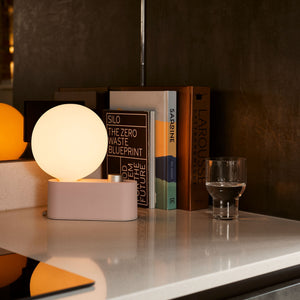
Compact desks benefit from lighting that helps visibility while staying mindful of footprint. A multi-use LED table and wall light fits naturally into that conversation because multi-use lighting can offer more placement flexibility in tighter work areas where surface space needs to be protected.
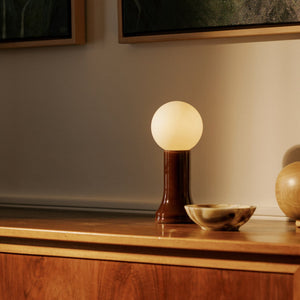
Some workspaces also benefit from lighting that softens the room visually while still feeling appropriate for a desk corner. In those settings, a recycled glass table lamp can support a more considered workspace atmosphere, provided the lamp’s position still respects the desk’s working zone and does not compete with the laptop stand.
Small desks work best when each additional object has a clear purpose. A stand, lamp, keyboard, or storage piece should each contribute something meaningful to comfort, organization, or workflow. When too many accessories accumulate without a clear plan, the desk starts to feel smaller and less usable.
Browsing related workspace accessories can be useful when thinking in systems rather than isolated purchases. The goal is not to add more. It is to create a setup where each piece supports the others and the desk remains easy to use.
For apartment dwellers and shared spaces, a laptop stand often needs to do its job without turning the desk into a permanent command center. Lightweight, restrained designs usually work better in spaces that also serve other purposes. A flexible home office should still feel livable when the workday ends.
A small home office that is used daily may justify a more stable and intentional setup. In those cases, the stand can be chosen as part of a wider workstation plan that includes desk scale, keyboard placement, lighting, and storage. Readers making broader setup decisions may also look at ergonomic and modern office furniture to evaluate how the stand fits into a complete workspace rather than treating it as a one-off fix.
A beautiful setup is not automatically a usable one. The strongest compact workspaces combine visual clarity with honest functionality. That means choosing objects that serve the work, fit the space, and support a coherent look without overcrowding the desk.
A stand that improves eye line but disrupts keyboard access will rarely feel right for long. On compact desks, reach should be evaluated first, especially if the laptop keyboard will still be used.
Good design matters, but appearance should never hide fit issues. The stand should work with the desk, not just look good on it.
Chair height, desk dimensions, lighting angle, and peripheral placement all shape comfort. The stand is important, but it is only one part of a successful setup.
Small workspaces often improve when they become more focused, not more elaborate. The best laptop stand for a compact home office is usually the one that protects posture, preserves surface area, and supports the way the space is actually used day after day.


You have unlocked free shipping!
You're saving $29 and unlocked free shipping!
Leave a comment