


























Filing Cabinet Choices for Cleaner Workstation Planning
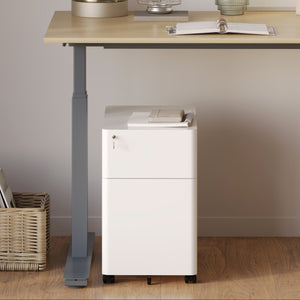
Cleaner workstation planning starts with filing storage that matches the desk, document volume, security needs, and daily workflow. Explore how cab...
Learn more
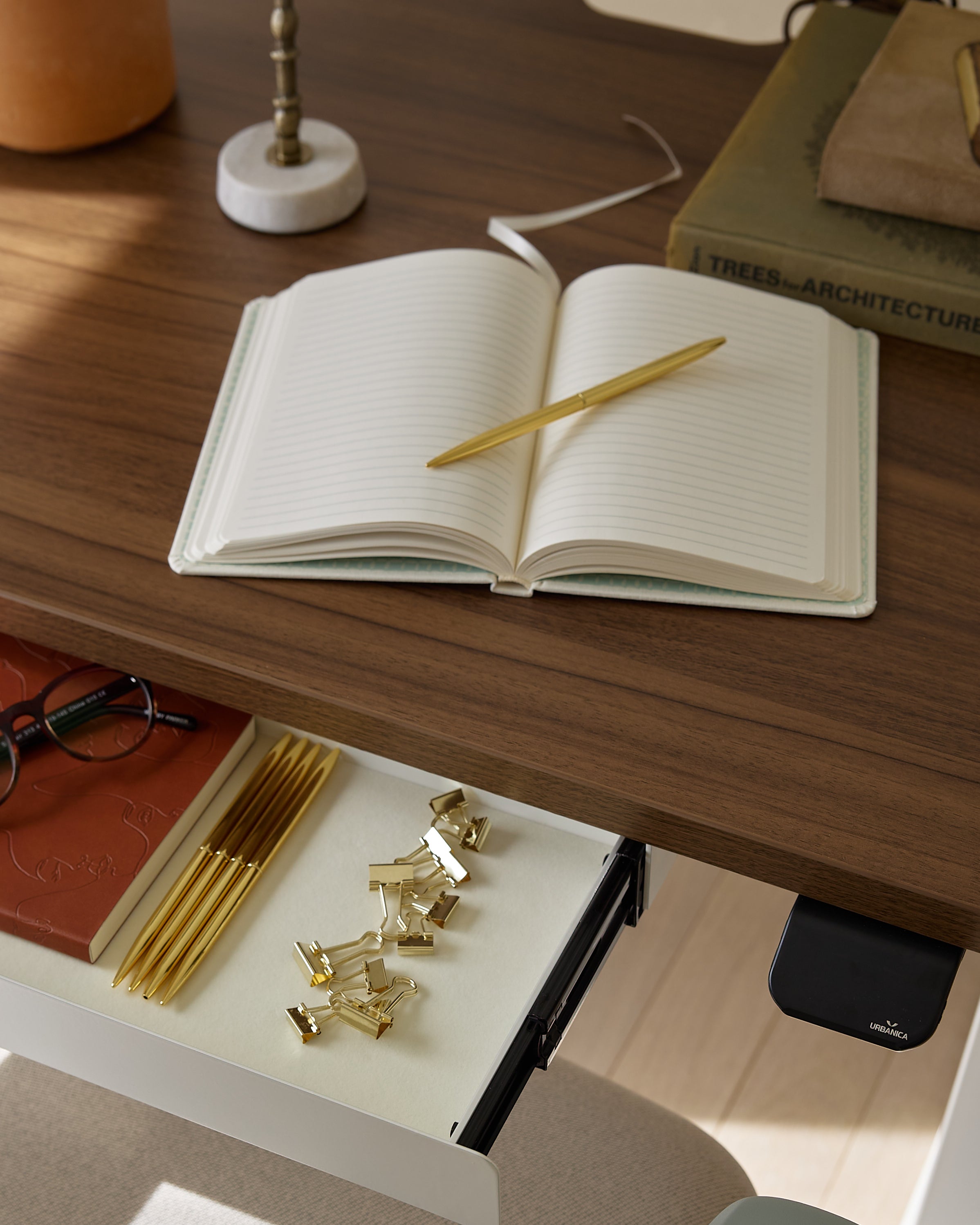
Visit quiz page to see how we makes it easy to create an inspiring workplace


High-quality furniture rarely announces itself with flashy labels or exaggerated claims. Instead, it reveals its value through materials that perform consistently over time. From how a surface responds to daily use to how a chair supports the body hour after hour, materials shape comfort, durability, and long-term satisfaction. Knowing what to look for helps buyers avoid short-lived purchases and invest in furniture that works as hard as they do.
Furniture trends change quickly, but material quality remains relevant for decades. A desk or chair may look appealing in photos, yet still fail under regular use if the materials are poorly chosen. Materials determine how furniture reacts to weight, pressure, movement, and time.
Low-quality materials often lead to wobbling desks, peeling finishes, and chairs that lose structure within months. High-quality materials, on the other hand, age predictably. They resist wear, maintain stability, and support consistent performance. When evaluating furniture, understanding the materials used offers a clearer picture of value than appearance alone.
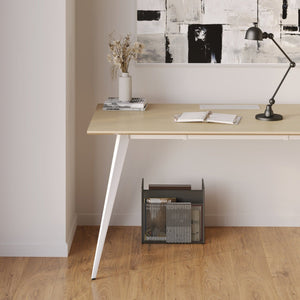
The surface of a desk absorbs daily stress from typing, writing, and equipment weight. Cheap surfaces may look smooth initially, but they often scratch, warp, or sag under pressure.
High-density engineered wood with reinforced cores
Thick laminates bonded under pressure
Scratch-resistant finishes designed for daily contact
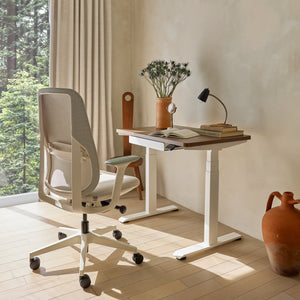
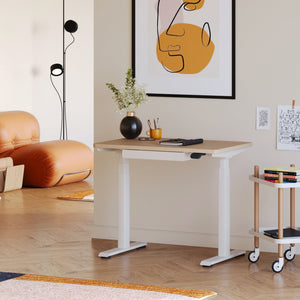
A well-built standing desk uses materials that maintain rigidity even when height adjustments are frequent. Strong surfaces prevent vibration, helping users stay focused and comfortable throughout the day.
While desk surfaces get most of the attention, the frame does the heavy lifting. Weak frames cause movement, noise, and long-term instability.
Steel or reinforced metal bases
Welded joints instead of glued connections
Protective coatings that resist corrosion
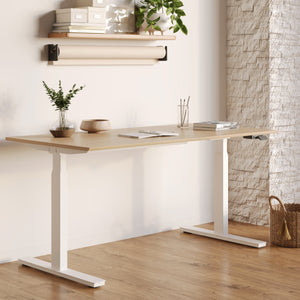
A reliable office desk relies on structural materials that support weight evenly. Strong frames prevent shifting and protect surfaces from uneven stress, extending the life of the desk.
Furniture materials impact more than durability. They directly affect focus and efficiency. Unstable desks distract users with movement. Chairs with weak materials cause discomfort that breaks concentration.
Research such as workspace design and productivity science shows how physical environments shape performance. Materials that reduce noise, vibration, and discomfort contribute to better focus and sustained productivity throughout the workday.
An office chair interacts with the body continuously. Materials that fail here lead to discomfort quickly.
Breathable mesh or structured upholstery
Molded foam that retains shape
Reinforced internal frames
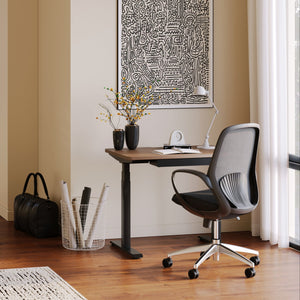
High-quality chairs use materials that distribute weight evenly and respond to movement. Instead of collapsing or hardening, they maintain balance, supporting posture over long work sessions.
Small spaces often force buyers into compromises. However, size should not dictate quality. Compact desks and chairs still benefit from strong materials that ensure stability and comfort.
Buyers researching region-specific options like Office Table Los Angeles can find designs that combine space efficiency with material integrity. Quality materials allow smaller furniture to perform at the same level as larger setups.
|
Component |
Low-Quality Materials |
High-Quality Materials |
|
Desk Surface |
Thin boards, soft coatings |
Reinforced cores, durable finishes |
|
Desk Frame |
Lightweight metal or plastic |
Steel or reinforced alloys |
|
Chair Cushioning |
Low-density foam |
Molded, resilient foam |
|
Upholstery |
Non-breathable fabrics |
Breathable mesh or quality textiles |
|
Longevity |
Short-term |
Long-term |
Furniture performance depends on more than large surfaces. Supporting components influence comfort and posture every day.
Fixed armrests with poor positioning
Plastic joints under constant stress
Limited adjustment ranges
Features like Ergonomic Arm components use durable materials designed for frequent adjustment. Strong internal mechanisms prevent sagging and maintain alignment, reducing shoulder and wrist strain.
High-quality chairs are designed to endure repetitive motion. Materials must handle shifting weight, frequent movement, and long sitting periods without breaking down.
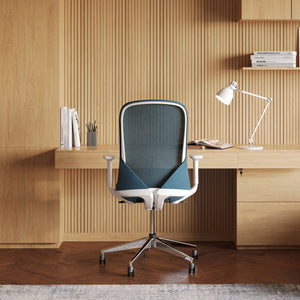
A properly engineered ergonomic office chair relies on resilient materials that support posture consistently. Instead of softening unevenly or cracking, these materials maintain structure and comfort over time.
Before committing to furniture, review this checklist to ensure quality materials are doing the real work:
Are desk surfaces thick, stable, and resistant to wear?
Does the frame use reinforced metal or solid construction?
Do seating materials retain shape and support?
Are adjustable components built with durable mechanisms?
Will these materials still perform years from now?
High-quality furniture reveals itself quietly through materials that last, support, and perform without constant attention. Choosing well-built materials means fewer replacements, better comfort, and a workspace that remains reliable long after trends fade.


You have unlocked free shipping!
You're saving $29 and unlocked free shipping!
Leave a comment