






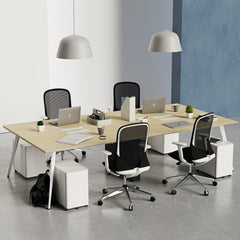
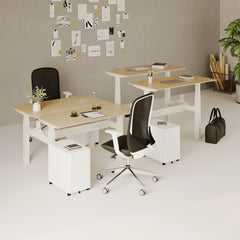
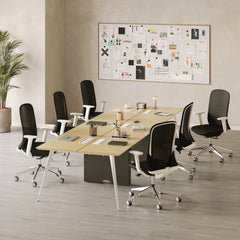


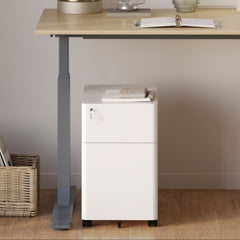


Filing Cabinet Choices for Cleaner Workstation Planning
Cleaner workstation planning starts with filing storage that matches the desk, document volume, security needs, and daily workflow. Explore how cab...
Learn more
Visit quiz page to see how we makes it easy to create an inspiring workplace


Workspaces rarely stay the same for long. Roles change, homes shift, routines evolve, and what once felt like the perfect setup can quickly feel limiting. This is where movable furniture pieces quietly prove their value. Instead of locking you into one layout or posture, they adapt. Over time, this flexibility translates into better comfort, fewer replacements, and stronger long-term value for both home and office environments.
Traditional furniture was designed for static spaces. Once placed, it stayed there for years. Today’s work habits demand something different. Remote work, hybrid schedules, and multi-use rooms mean furniture must respond to change rather than resist it.
Movable furniture supports this reality. Desks that adjust, chairs that roll smoothly, and modular layouts allow spaces to evolve without forcing new purchases. Instead of replacing furniture every time needs change, flexibility allows the same pieces to continue serving a purpose. Over time, this adaptability becomes one of the strongest indicators of value.
A desk should not dictate how you work. It should respond to your tasks, posture, and energy levels throughout the day.
Supports both seated and standing positions
Reduces stiffness caused by prolonged sitting
Allows easy reconfiguration for different tasks
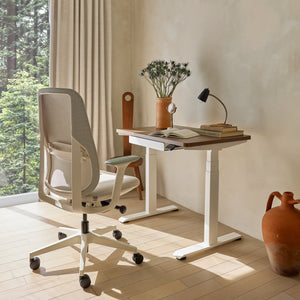
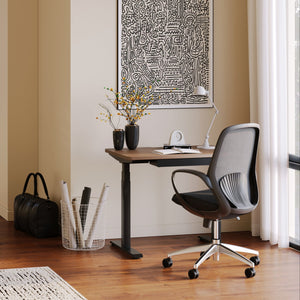
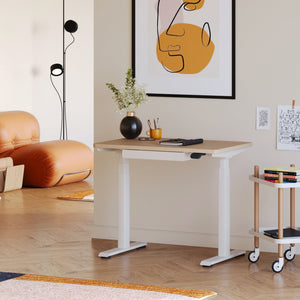
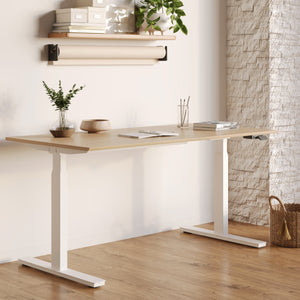
A well-built standing desk uses stable materials and smooth mechanisms that allow frequent adjustments without wear. This adaptability means one desk can support multiple work styles over many years, reducing the need for replacement.
Movable furniture shines in environments where space is limited or shared. Instead of dedicating a room to a single purpose, flexible pieces allow spaces to serve multiple roles.
Easy repositioning for meetings or collaboration
Quick transitions between work and personal use
Improved room flow without permanent layouts
A quality office desk balances mobility with strength. Solid frames and reinforced joints ensure that movement does not compromise stability, preserving comfort and safety over time.

People in apartments, studios, or shared homes often experience the downsides of static furniture first. Fixed layouts make rooms feel cramped and inflexible. Movable furniture allows users to reclaim space when it is needed for other activities.
For those researching localized solutions like Small Standing Desk California, compact adjustable furniture demonstrates how mobility and thoughtful design can coexist. Even small desks can deliver long-term value when they are built to move without sacrificing support.
An office chair is more than a seat. It is an active support system that should move with the body.
Smooth rolling bases reduce repetitive strain
Swivel functions support natural movement
Adjustable components adapt to different users
Movable chairs distribute pressure more evenly and encourage subtle posture shifts. This reduces fatigue and supports comfort during long work sessions, especially in dynamic work environments.
Furniture that allows movement supports healthier work habits. Static positions, whether seated or standing, place stress on the body over time. Movement helps reduce that strain.
Guidance like ergonomic workstation setup principles emphasizes the importance of adjustability and motion. Furniture that supports these principles promotes better posture, circulation, and overall comfort, which directly impacts productivity and well-being.
|
Feature |
Static Furniture |
Movable Furniture |
|
Layout Flexibility |
Fixed |
Adaptable |
|
Long-Term Use |
Limited |
Extended |
|
Comfort Over Time |
Declines |
Improves with adjustment |
|
Space Efficiency |
Low |
High |
|
Replacement Frequency |
Higher |
Lower |
True flexibility comes from how furniture components work together. A movable desk paired with rigid accessories limits overall benefit.
Fixed armrests that restrict posture
Poor alignment between desk and chair
Accessories that cannot adjust with movement
Features like Ergonomic Arm systems allow arm positioning to move in sync with desk height and seating position. This coordination reduces shoulder tension and supports more natural movement patterns throughout the day.
Movable chairs are designed to handle frequent adjustments without breaking down. Materials and mechanisms must support rolling, swiveling, and posture shifts repeatedly.
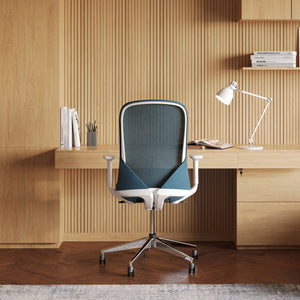
A properly engineered ergonomic office chair focuses on durability alongside movement. Instead of wearing out quickly, these chairs maintain consistent support, making them a better long-term investment for active workspaces.

Before choosing furniture, review this checklist to determine whether mobility is built into the value:
Can the desk adapt to different tasks and postures?
Does the furniture support movement without losing stability?
Are materials designed to handle frequent adjustments?
Will the setup work if your space or routine changes?
Does movement improve comfort rather than complicate it?
Movable furniture delivers value by extending usefulness, supporting health, and reducing the need for frequent replacements. Instead of forcing you to adapt to your furniture, it adapts to you. That flexibility is what turns a purchase into a long-term asset.


You have unlocked free shipping!
You're saving $29 and unlocked free shipping!
Leave a comment