
























The Modern Role of Office Furniture

When Furniture Defines the Workspace
Modern interior design is no longer limited to decorative elements. Today, furniture plays a central role in shaping how a space feels, functions, and supports daily activities. In both homes and offices, workspace furniture has become a defining part of interior design rather than just a practical necessity.
As more people work remotely or operate hybrid schedules, the workspace has moved into living rooms, spare bedrooms, and small corners of homes. This shift has transformed office furniture into an essential design element that blends productivity with aesthetics.
A thoughtfully designed workspace can influence motivation, concentration, and overall comfort. Furniture pieces such as a compact Small Standing Desk Los Angeles can help maintain flexibility while keeping the workspace visually balanced within a modern interior.
Today, the goal is not simply to furnish a workspace but to design an environment where productivity and style coexist.
Office Furniture Is Now Part of Interior Identity
Interior design has evolved significantly over the past decade. Furniture is no longer chosen only for utility. It now reflects lifestyle, work habits, and personal style.
Office furniture has become especially influential because workspaces often occupy central areas within homes. A well-designed desk or chair can shape the character of a room while still supporting daily work.
Modern interiors prioritize clean lines, minimal clutter, and functional design. Furniture pieces that follow these principles naturally blend into contemporary homes while maintaining a professional atmosphere.
This shift means that office furniture must balance three key elements:
• Visual harmony with the room
• Practical workspace functionality
• Long-term comfort and durability
When these elements align, furniture becomes an integral part of interior design rather than a separate addition.
Flexibility Is a Core Principle of Modern Design
Adaptive Furniture Supports Modern Lifestyles
Modern interior design often prioritizes flexibility because people use their spaces for multiple purposes throughout the day.
Adjustable Workspaces Fit Modern Living
An adjustable standing desk supports movement and allows users to shift between sitting and standing throughout the day.
Advantages include:
• Supporting healthier work routines
• Improving circulation and posture
• Adapting to different work styles
• Enhancing overall productivity
Flexible Furniture Enhances Interior Function
In modern interiors, furniture that adapts to daily needs is highly valued. Adjustable desks support ergonomic comfort while maintaining a sleek appearance that fits contemporary spaces.
Flexible furniture ensures that interior design supports both lifestyle and productivity.
Workspace Furniture Defines Layout and Flow
Furniture Placement Shapes Interior Structure
Interior design relies heavily on layout. The placement of furniture determines how people move through a room and interact with the space.
Desks Create Functional Zones
A carefully positioned office desk can divide a room into distinct functional areas.
For example:
• Separating work areas from relaxation zones
• Creating a visual focal point in a room
• Maintaining organization within small spaces
Strategic Layout Improves Focus
When furniture placement is intentional, it reduces visual clutter and encourages a sense of order.
A well-placed desk allows individuals to concentrate more easily because the workspace feels structured and purposeful.
Furniture Influences Mood and Productivity
Interior design has a powerful psychological impact. According to research on workspace psychology, the environment around us significantly affects how we think, feel, and perform tasks.
Furniture plays a large role in shaping this environment. Clean lines, open layouts, and well-designed desks can create a calm atmosphere that supports concentration.
Cluttered workspaces, on the other hand, can increase stress and reduce productivity.
Modern office furniture aims to minimize distractions while maintaining visual harmony with surrounding interiors.
By carefully selecting furniture, individuals can create spaces that support both emotional well-being and professional performance.
Technology Integration Shapes Furniture Design
Modern Furniture Supports Digital Work
Most work today revolves around digital tools such as computers, monitors, and communication devices.
Organized Screen Placement Matters
A monitor arm allows screens to be positioned at comfortable viewing heights while freeing up desk space.
Benefits include:
• Improving viewing angles
• Reducing neck strain
• Increasing desk space
• Keeping the workspace organized
Clean Technology Layouts Improve Aesthetics
When cables and monitors are properly organized, the workspace maintains a clean and professional appearance.
This balance between technology and design is a key feature of modern office interiors.
Comfort Is the Foundation of Good Design
Comfort is often the most overlooked element of interior design, yet it has the greatest impact on daily productivity.
Office furniture must support long hours of work without causing physical strain. Seating is especially important because posture directly affects both health and concentration.
A supportive ergonomic office chair helps maintain proper spinal alignment while reducing fatigue.
Comfortable furniture encourages users to remain focused on their tasks rather than adjusting their posture or dealing with discomfort.
Modern interior design recognizes that comfort is essential for productivity.
Core Elements of Modern Office Interior Design
|
Furniture Element |
Design Role |
Functional Benefit |
|
Adjustable desks |
Flexible workspace |
Support movement |
|
Ergonomic chairs |
Posture support |
Improve comfort |
|
Monitor arms |
Screen organization |
Reduce desk clutter |
|
Organized layouts |
Visual simplicity |
Improve focus |
|
Minimal furniture |
Clean aesthetics |
Maximize space |
These elements work together to create workspaces that are both visually appealing and highly functional.
Simplicity Defines Modern Workspaces
Minimalism Shapes Modern Interior Trends
Modern interiors often emphasize minimalism because simplicity promotes calm environments.
Less Furniture, Better Function
Minimalist workspaces focus on essential furniture pieces.
Common principles include:
• Keeping surfaces uncluttered
• Selecting versatile furniture
• Using neutral color palettes
• Maintaining open layouts
Simplicity Supports Productivity
When the workspace contains only essential items, it becomes easier to focus on work without visual distractions.
Minimalist design allows furniture to serve both functional and aesthetic roles.
Blending Workspaces Into Home Design
Home offices must integrate smoothly into the overall interior design of the house. Unlike traditional offices, home workspaces often share space with living areas, bedrooms, or study rooms.
Because of this, office furniture must complement existing décor while still providing professional functionality.
Modern designs often favor neutral tones, clean shapes, and durable materials that match a wide range of interior styles.
When furniture blends naturally into the surrounding space, the home office feels cohesive rather than isolated.
The best modern interiors balance style, comfort, and productivity within a unified design.
Designing Workspaces That Inspire Productivity
Creating a modern workspace involves more than placing a desk in a room. Furniture must support comfort, focus, and design harmony.
Use this checklist when designing your workspace:
• Choose furniture that blends with your interior style
• Maintain clean and organized desk surfaces
• Use adjustable desks for flexible work routines
• Position monitors at eye level
• Invest in ergonomic seating
• Avoid overcrowding the workspace
• Use simple and minimal furniture layouts
• Keep technology organized
• Maintain open space for movement
• Prioritize comfort alongside aesthetics
Modern office furniture plays a vital role in shaping interior design. When chosen thoughtfully, it creates spaces that feel professional, comfortable, and visually balanced.
By integrating functional furniture with thoughtful design principles, any workspace can become an environment that supports productivity and well-being.
Related Articles
-
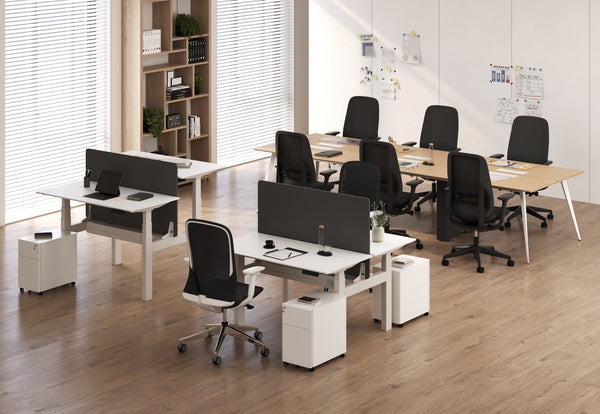 Our Conference Chairs and Meeting Tables Compared, so You Can Furnish a Huddle Room, a Meeting Room, or a Boardroom for Eight in One Order
-
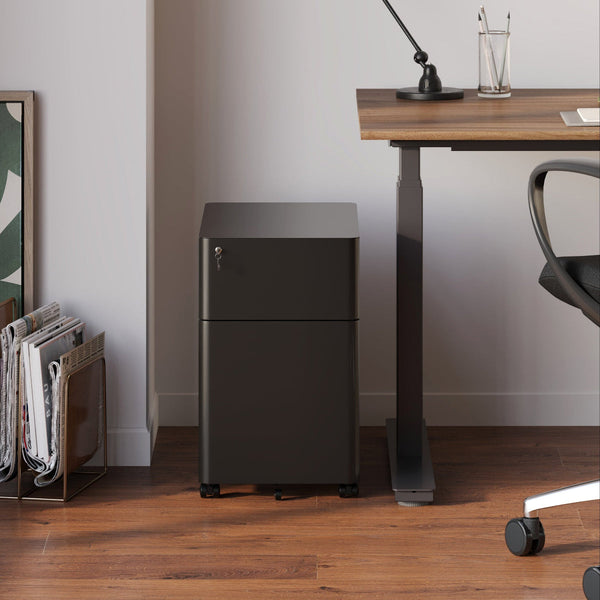 Best Filing Cabinet Options for Minimalist Offices That Still Need Real Storage
-
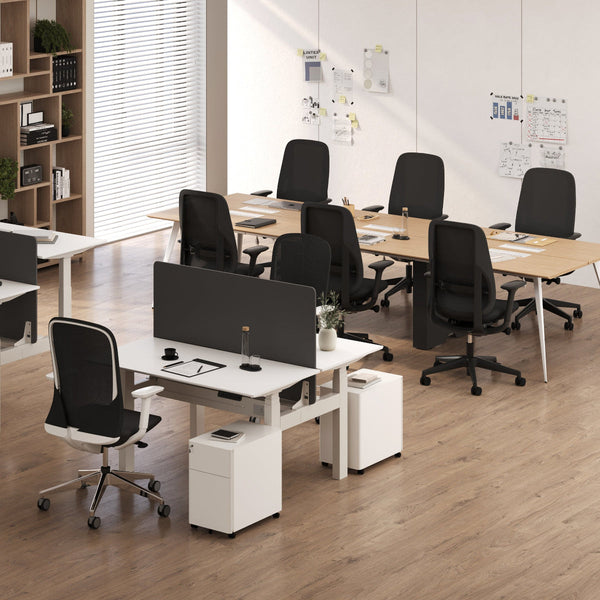 How to Make a Filing Cabinet Feel Like Part of the Room Instead of Extra Furniture
-
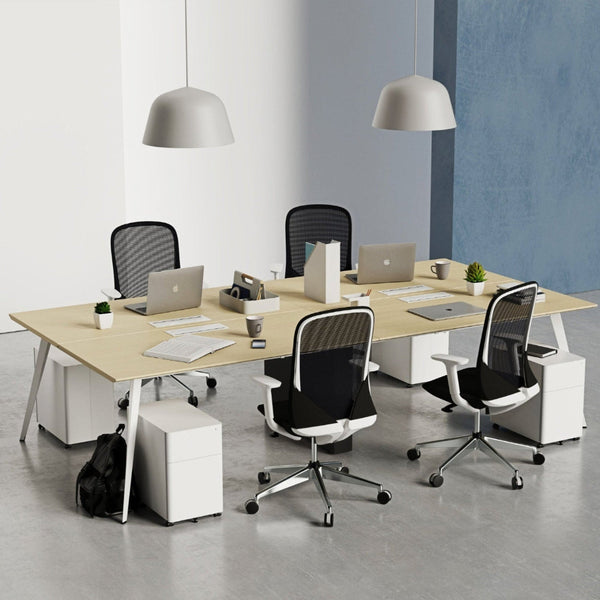 How to Match a Filing Cabinet with Your Desk for a Cleaner Office Look
-
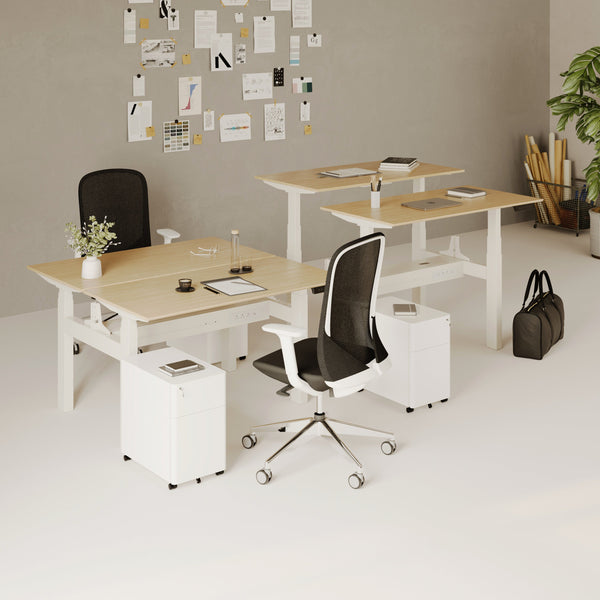 Best Filing Cabinet Styles for Modern Home Offices That Need Hidden Storage
-
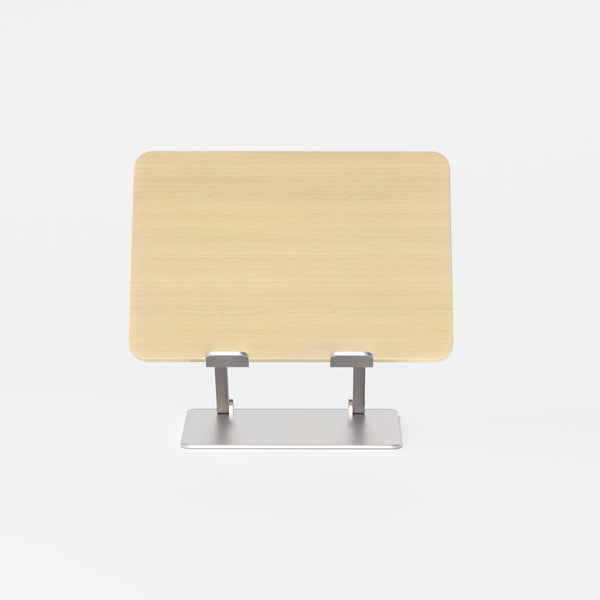 Best Laptop Stand Options for Minimalist Desk Setups
