























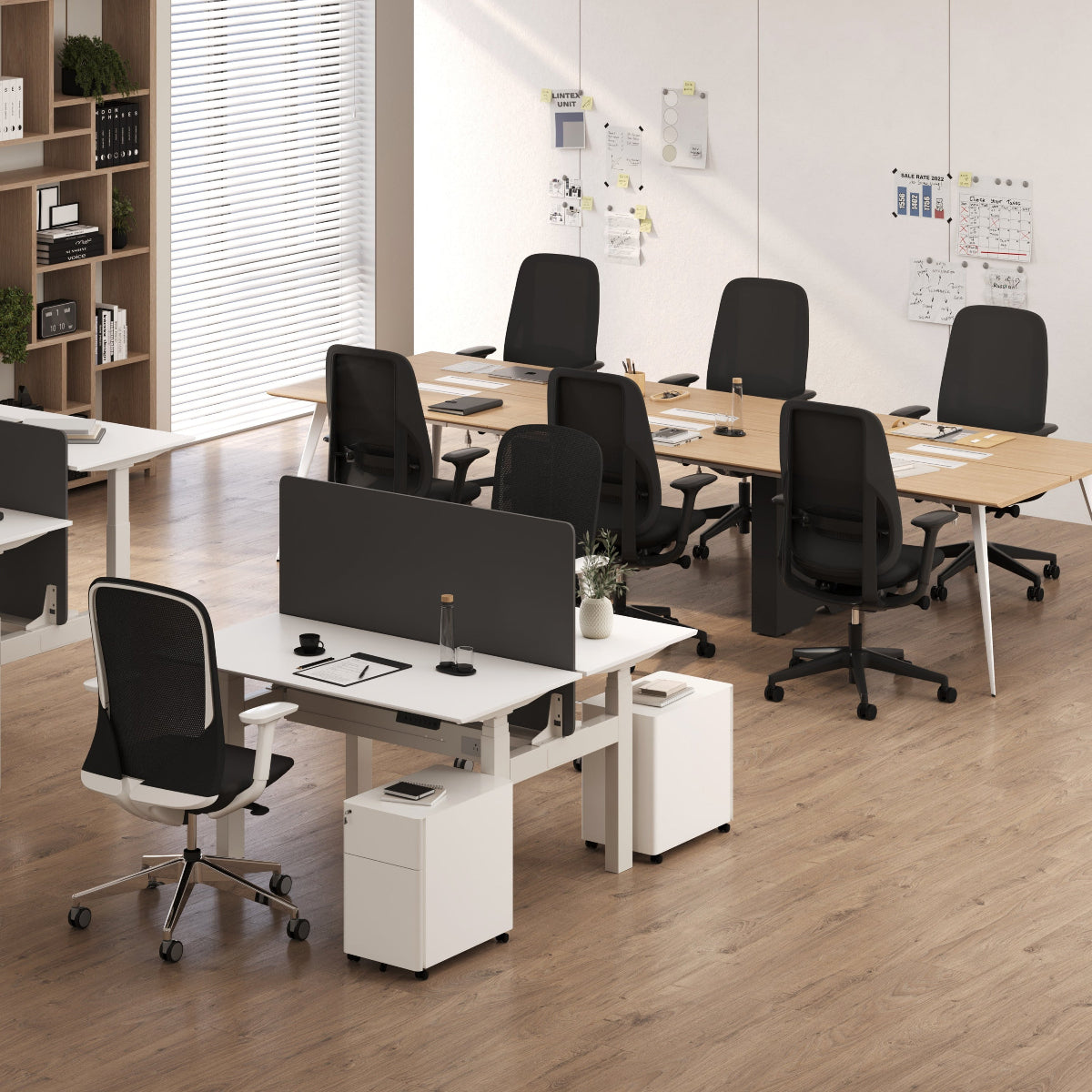
How to Make a Filing Cabinet Feel Like Part of the Room Instead of Extra Furniture

A filing cabinet usually enters a room with a practical job: hold documents, protect important papers, clear the desk, and keep daily work from spreading across every surface. The problem is not the function. The problem is what happens when storage is treated as an afterthought. A cabinet pushed beside a desk, squeezed into a corner, or topped with loose paperwork can make even a carefully furnished room feel unfinished.
A filing cabinet can look intentional, calm, and visually connected when it is planned as part of the room’s furniture language. That means paying attention to scale, placement, color, texture, lighting, and the way nearby pieces relate to one another. The goal is not to hide the cabinet or pretend it is not useful. The goal is to make useful storage feel like it belongs.
When a cabinet works with the desk, chair, walls, lighting, and surrounding decor, it stops reading as extra furniture. It becomes part of the room’s rhythm.
Why Filing Cabinets Often Look Separate From the Room
A filing cabinet can feel out of place when it solves only one problem. It may organize papers, but if it does not relate to the room visually, it still creates friction. Rooms feel cohesive when furniture shares some kind of design logic, such as similar proportions, repeated finishes, consistent color temperature, or a clear layout relationship.
A cabinet that has no connection to the rest of the space feels temporary, even if it is used every day. That disconnect often comes from three common issues: the cabinet is the wrong size for the room, it is placed where the room does not naturally need visual weight, or it is surrounded by unrelated furniture.
The Difference Between Useful Storage and Integrated Storage
Useful storage holds what needs to be stored. Integrated storage does that while also supporting the way the room looks and functions. The difference is subtle but important.
A cabinet can be useful if it keeps documents sorted. It becomes integrated when the finish repeats elsewhere, the top surface is styled with restraint, the drawers open without blocking movement, and the surrounding work zone feels intentional.
A filing cabinet should not look like it wandered in from another room. It should look like it was selected because the room needed storage in that exact place.
Why Placement Usually Matters More Than Decoration
Many people try to fix a mismatched cabinet by placing objects on top of it. Styling helps, but it cannot fully solve poor placement. A cabinet that blocks a walkway, crowds a chair, or floats away from the desk will still feel awkward.
Before adding a lamp, plant, tray, or framed print, first ask whether the cabinet belongs where it is. A well-placed cabinet often needs less styling because the layout already makes sense.
Choose a Filing Cabinet With the Right Visual Weight
The best filing cabinet for a room is not always the largest one or the one with the most drawers. It is the one that provides enough storage without overwhelming the layout. Visual weight comes from size, color, material, shape, and how much attention the piece demands.
A dark cabinet in a bright room can feel grounding if it is repeated through chair frames, picture frames, or lighting details. The same cabinet can feel heavy if nothing else in the room carries that tone. A light cabinet can disappear beautifully in a soft neutral workspace, but it may look disconnected in a room with warmer wood and darker accents.
Match the Cabinet Scale to the Room’s Furniture
A compact desk with a large, tall filing cabinet beside it can look visually unbalanced. A broad workstation paired with a tiny cabinet can look underplanned. The cabinet should feel proportional to the desk, chair, and surrounding surfaces.
For a small home office, bedroom work corner, or studio apartment, a lower cabinet often works better because it keeps the sightline open. For a dedicated office with more wall space, a larger storage piece may feel appropriate if it is aligned with shelving, a wide desk, or other substantial furniture.
A compact locking filing cabinet can work especially well when the room needs closed storage without adding a bulky visual block. The key is to let the cabinet’s size support the room instead of competing with it.
Select a Finish That Repeats Something Already Present
A cabinet feels more natural when its finish appears elsewhere. The repetition does not need to be exact. It only needs to feel connected.
A white cabinet can relate to white walls, a pale desktop, a light lamp shade, or a neutral rug. A black cabinet can connect with a chair base, metal lamp, picture frame, or shelf bracket. A wood-toned room can still hold a painted cabinet if the surrounding accessories create a bridge between finishes.
The safest approach is to avoid introducing a cabinet finish that appears nowhere else. Even a beautiful piece can feel random if it is the only object in that color, texture, or material family.
Position the Filing Cabinet Where the Room Already Needs Structure
A filing cabinet becomes easier to accept visually when it occupies a logical place. The room should look as though it needed storage there, not as though the cabinet was placed wherever space happened to remain.
Good placement usually follows existing lines: a wall, desk edge, window frame, shelving unit, rug boundary, or architectural corner. These lines help the cabinet feel anchored.
Align the Cabinet With the Desk Instead of Pushing It Nearby
A cabinet placed beside a desk should relate to the desk’s front edge, side edge, or leg line. Even a few inches of misalignment can make a workspace feel less deliberate. When the cabinet lines up with the desk, the eye reads the two pieces as a connected work zone.
If the cabinet sits under or near a desk, make sure the drawers open fully and the chair can move comfortably. A cabinet that creates daily friction will eventually become visually frustrating too, because clutter usually appears wherever furniture is inconvenient to use.
Use Walls and Corners Without Making the Cabinet Look Hidden
Corners can be excellent places for filing cabinets, but only when the cabinet feels intentionally anchored. A cabinet shoved into a dark corner with loose papers on top will look forgotten. A cabinet placed against a short wall with a lamp above it, a framed print nearby, or a plant beside it can feel like a finished storage moment.
The difference is whether the cabinet participates in the room. If the corner has no lighting, no vertical element, and no relationship to the desk, the cabinet may feel like overflow. If the corner has visual structure, the cabinet can feel settled.
Keep Movement Clear Around Drawers and Chairs
A filing cabinet needs clearance in two directions: space for people to move and space for drawers to open. When either one is compromised, the cabinet feels like an obstacle.
Use this simple placement check before committing to a location:
1. Open every drawer fully.
2. Pull the chair out as if sitting down and standing up.
3. Walk through the nearest path without turning sideways.
4. View the setup from the doorway.
5. Check whether the cabinet looks aligned or squeezed in.
A cabinet that passes these tests is more likely to feel like part of the room because it supports natural movement instead of interrupting it.
Build a Complete Workspace Around the Cabinet
A filing cabinet rarely looks integrated on its own. It needs context. The strongest workspaces treat the desk, cabinet, chair, lighting, and accessories as related parts of one composition.
This does not mean every piece must match. Perfect matching can feel flat or overly staged. A better goal is coordination: shared lines, compatible finishes, balanced scale, and a clear relationship between function and layout.
Pair Storage With a Desk That Shares the Same Design Logic
The desk is usually the visual anchor of the work area. If the desk and cabinet feel unrelated, the cabinet will look added on. When choosing or arranging a desk, compare the thickness of the desktop, the shape of the legs, the finish, and the overall weight of the piece.
A slim, minimal desk pairs best with a cabinet that also feels clean and restrained. A larger executive-style workstation can support a more substantial cabinet. A warm wood desk may need accessories that bridge the difference if the cabinet is painted or metal.
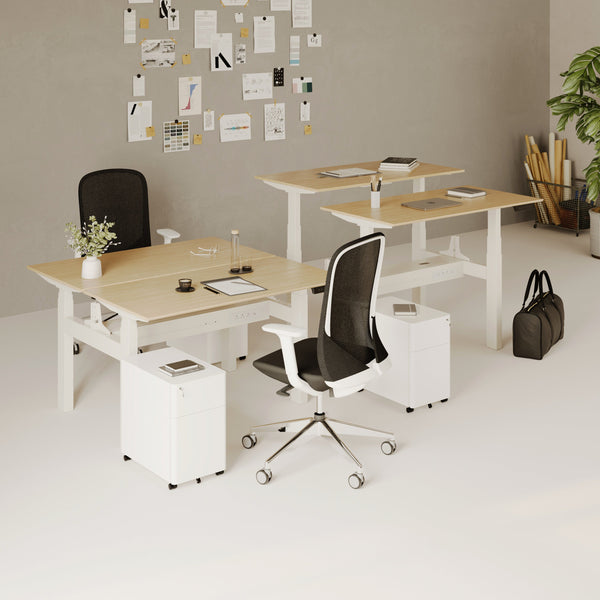
For a work area that feels planned from the start, choose desks and tables for a coordinated workspace with the cabinet’s placement, height, and finish in mind. The desk does not need to match the cabinet exactly, but both pieces should feel like they belong in the same room.
Let the Chair Bridge Comfort and Visual Balance
The chair is often the missing link between the desk and cabinet. A cabinet can look too rigid if the chair feels unrelated or visually heavy. A chair with the right scale, frame color, and silhouette can connect the workstation and soften the storage piece.
For example, a black chair base can repeat black cabinet details. A light chair can keep a small work corner from feeling dense. A rounded chair back can soften the straight lines of a cabinet and desk.
Choosing ergonomic office chair options also helps the workspace feel complete because the room is not only solving for storage. It is supporting the body, the workflow, and the visual composition at the same time.
Create a Functional Triangle Between Desk, Chair, and Cabinet
A desk, chair, and cabinet should form a practical triangle. The desk supports active work. The chair supports posture and movement. The cabinet stores what should stay accessible but not visible.
When these three pieces are arranged well, the cabinet no longer feels like extra furniture. It becomes part of the daily workflow. Files, notebooks, chargers, and supplies have a home close enough to use but not so exposed that they clutter the room.
Style the Cabinet Top With Restraint and Purpose
The top of a filing cabinet can either elevate the room or expose the storage problem. When it becomes a landing zone for mail, loose papers, receipts, chargers, and office supplies, the cabinet immediately looks utilitarian. When it is styled like a small console or side table, it feels more residential and intentional.
The best cabinet styling is useful but edited. The top should not become another desk.
Use a Small Number of Objects With Clear Roles
A cabinet top usually works best with one to three carefully chosen elements. Too many objects make the cabinet feel busy. Too few can make it feel unfinished, especially if the wall above it is empty.
| Cabinet Top Element | Best Use | Design Effect |
|---|---|---|
| Small lamp | Adds task or ambient light | Makes the cabinet feel like part of a designed zone |
| Tray | Holds keys, clips, or a small notebook | Contains small items so they do not look scattered |
| Plant | Adds softness and height | Reduces the hard, office-like feel of storage |
| Framed photo or art | Adds personality | Connects the cabinet to the room’s decor |
| Document inbox | Holds active papers | Keeps paperwork contained and visually controlled |
The goal is not to decorate heavily. The goal is to give the cabinet a surface identity that feels intentional.
Keep Paperwork Hidden or Contained
Paper piles are the fastest way to make a filing cabinet look like extra office equipment. Even when the cabinet itself is attractive, loose papers on top make the entire area feel unresolved.
Use one visible paper system at most. A single tray, folder box, or slim inbox can work if it is neat and proportionate. Everything else should go inside the drawers. The cabinet earns its place in the room by reducing visual noise, not creating another open storage surface.
Repeat a Material From the Room on the Cabinet Surface
A cabinet top is a useful place to repeat materials. If the room has warm wood, use a small wood tray. If the room has black accents, use a black frame or lamp detail. If the room has ceramic objects, add a small vessel. Repetition helps the cabinet feel connected without forcing a matching set.
Use Vertical Design to Anchor the Filing Cabinet
A filing cabinet can look stranded when the wall above it is empty. Vertical design gives the cabinet a visual relationship to the room. It also prevents the cabinet from reading as a low, isolated box.
The area above the cabinet does not need to be complicated. A framed print, small shelf, pinboard, wall calendar, or simple art arrangement can be enough.
Match Wall Decor to the Cabinet’s Width
Wall decor should relate to the cabinet’s footprint. A tiny frame above a wider cabinet can look accidental. An oversized piece above a small cabinet can feel top-heavy. The width of the wall element should either align with the cabinet or intentionally balance it.
If the cabinet sits beside a desk, the wall treatment can connect both pieces. For example, one larger artwork centered above the desk and cabinet can make the entire workstation feel unified. A small shelf above the cabinet can also create a built-in effect without requiring custom cabinetry.
Create a Vignette That Works From Across the Room
A cabinet often looks acceptable up close but awkward from the doorway. Step back and look at the cabinet as part of the whole room. Does it connect to the desk? Does the wall above it look empty? Does the top surface look calm? Does the finish appear anywhere else?
A good cabinet vignette works from multiple viewpoints. It should look composed from the chair, from the doorway, and from any nearby seating area.
Control Technology So the Cabinet Area Looks Clean
Technology can make a workspace feel scattered even when the furniture is well chosen. Cables, chargers, adapters, devices, and accessories often collect around the desk and cabinet. If they remain visible, the cabinet area can feel temporary.
The cabinet should help absorb tech clutter. Drawers can hold chargers, backup drives, stationery, cables, and small office tools. The top should stay clear enough to support the room’s overall calm.
Hide Cables Before Adding Decorative Details
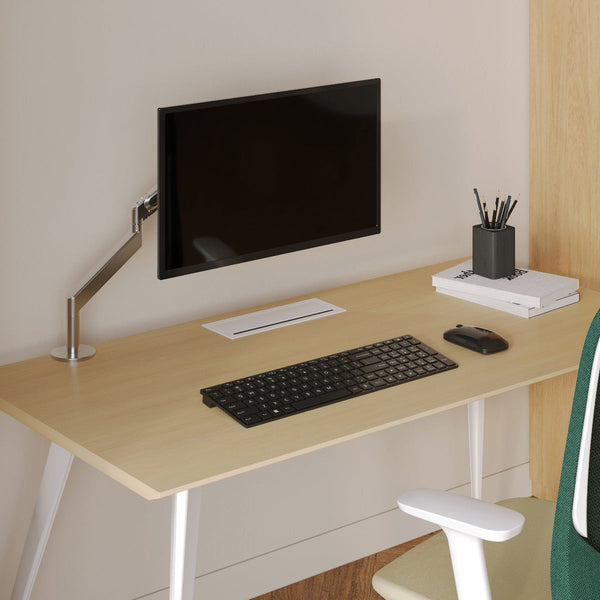
Cord management is not glamorous, but it has a major visual impact. Visible cables make a workstation feel unfinished. Use cable clips, cord sleeves, under-desk trays, or a concealed power strip where appropriate. Route cords behind furniture whenever possible.
A clean cable path helps the cabinet and desk read as a designed setup rather than a collection of work tools.
Lift Devices to Reduce Surface Clutter
A laptop sitting flat on the desk can make the entire work surface feel compressed, especially if papers, cables, and accessories are nearby. Raising the screen can help open the visual field and make the work zone feel more organized.
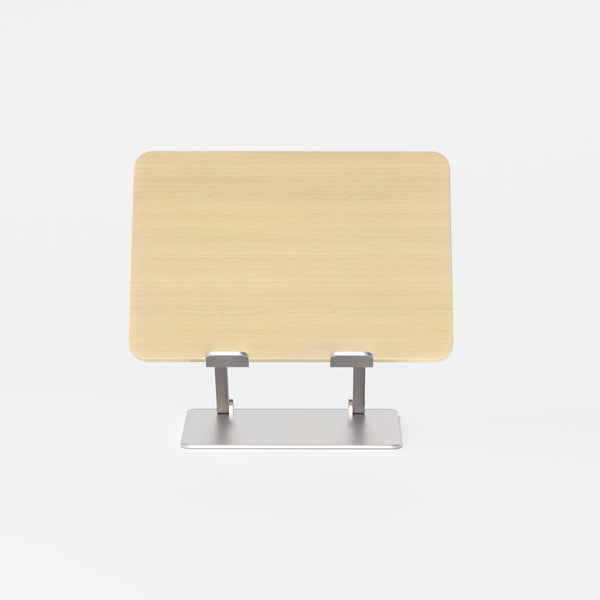
A laptop stand for a cleaner work surface can support a tidier desk area when paired with closed cabinet storage. The cabinet handles what does not need to be visible, while the desk stays focused on active work.
Separate Active Tools From Stored Tools
A filing cabinet looks more intentional when it has a clear role. Not every office item needs to remain on the desk. Separate items into two categories.
Active tools belong on the desk during work: laptop, notebook, pen, task light, and current documents. Stored tools belong in the cabinet: archived files, extra supplies, chargers, folders, manuals, and occasional paperwork.
This separation keeps the cabinet useful and keeps the room visually calm.
Use Lighting to Make the Cabinet Feel Designed Into the Room
Lighting changes how furniture is perceived. A filing cabinet under harsh overhead light can look like office equipment. The same cabinet near a warm lamp can feel like part of a styled workspace, reading nook, or living area.
Lighting creates zones. When a lamp sits on or near a filing cabinet, it signals that the cabinet belongs to a purposeful area.
Add Task Lighting Near the Work Zone
Task lighting helps connect the cabinet to the desk. It also gives the room a more layered look than overhead lighting alone. A lamp can sit on the desk, on the cabinet, or on a nearby surface depending on the layout.
The Alumina Lamp for a polished work corner can make a cabinet-adjacent setup feel more considered when the work zone needs a clean visual focal point. A lamp does not need to be large to make a difference. It simply needs to relate to the cabinet, desk, and room.
Choose Softer Lighting for Living Rooms and Bedrooms
A filing cabinet in a living room or bedroom needs a softer approach. These rooms are not dedicated office environments, so the storage piece should feel calm rather than corporate. Warm lighting, diffused shades, and glass or sculptural forms can help.
A recycled glass Shore table lamp can bring a more residential feeling to a cabinet surface or nearby table because the material adds lightness and texture. This is especially useful when the cabinet has a simple, practical shape and needs a softer visual companion.
Balance Low Cabinets With Height
Low filing cabinets can sometimes look squat, especially against a blank wall. Add height through lighting, artwork, a plant, or a shelf. The added vertical element helps the cabinet feel anchored and complete.
The height does not have to come from the cabinet itself. In many rooms, a low cabinet works best when the wall and accessories above it provide the vertical balance.
Coordinate the Cabinet With the Room Without Over-Matching
A filing cabinet should feel connected, not copied. A room where every finish matches perfectly can feel rigid. A room where nothing relates can feel chaotic. The strongest approach is selective repetition.
Pick one or two elements from the cabinet and repeat them elsewhere. That might be color, metal finish, line shape, or material mood.
Use the Three-Touch Rule for Finishes
A finish feels intentional when it appears at least three times. If the cabinet has black details, repeat black in the chair base and a picture frame. If the cabinet is white, repeat white through a lamp shade and desktop accessory. If the cabinet has a soft matte look, echo that quiet texture in nearby objects.
The three-touch rule gives the eye enough repetition to understand the cabinet as part of the room.
Soften Hard Storage With Residential Materials
Filing cabinets are usually hard-edged and practical. Surrounding them with softer or warmer elements can help them blend into a home. Rugs, curtains, upholstered chairs, plants, ceramic objects, books, and warm lighting all reduce the corporate feeling.
This is especially important in living rooms, bedrooms, and open-plan spaces where the work area is always visible. The cabinet should support the room’s purpose beyond work.
Use Contrast With Intention
A contrasting cabinet can look excellent when the contrast is deliberate. A dark cabinet in a light room can anchor the workspace. A light cabinet in a darker room can keep the setup from feeling too heavy. The problem is not contrast. The problem is contrast with no supporting details.
If the cabinet stands out, give it companions. Repeat the color or finish in at least two nearby places so the contrast feels designed.
Adapt the Filing Cabinet Strategy to the Room Type
A filing cabinet should respond to the room it lives in. A dedicated home office can handle a more visibly functional setup. A living room or bedroom usually needs a softer, more discreet approach.
Home Office Cabinets Should Support Fast Access
In a home office, the cabinet can sit close to the desk because the room’s main purpose is work. Store active documents in the most accessible drawer and less-used records lower or farther back. Keep the top surface clear enough to support focus.
The cabinet can be more visibly functional here, but it should still be aligned, lit, and coordinated with the desk and chair.
Living Room Cabinets Should Blend With Decor
A filing cabinet in a living room should behave more like a side table, console, or storage accent. Keep office cues minimal. Avoid visible folders, loose papers, and exposed cords. Use a lamp, art, plant, or tray to connect the cabinet to the rest of the living space.
The more the cabinet relates to existing decor, the less it will feel like work has spilled into the room.
Bedroom Cabinets Should Stay Quiet and Low-Contrast
A bedroom work corner needs calm. Choose a cabinet placement that does not dominate the room visually. Keep the top surface minimal. Use soft lighting and avoid bright office supplies in view.
Closed storage is especially valuable in bedrooms because it keeps work materials from interrupting the room’s restful purpose.
Studio Apartment Cabinets Need More Than One Role
In a studio, every piece of furniture needs to justify its footprint. A filing cabinet may store documents, hold a printer, act as a side table, or create a boundary for a small work zone. The cabinet should look good from several angles because there may be no separate office area.
In small spaces, the best cabinet is not simply compact. It is visually calm, easy to access, and useful beyond one narrow function.
Plan the Workspace Before Rearranging or Buying Anything
A filing cabinet feels integrated when it is planned with the whole room in mind. Before moving furniture or choosing new pieces, study the room’s fixed constraints. Doors, outlets, windows, vents, natural light, and walkway patterns all influence where storage should go.
A cabinet that looks perfect online or in isolation may not work if the drawers open into a chair, block an outlet, or crowd the room’s main path.
Measure the Cabinet While It Is Being Used
Do not measure only the cabinet’s closed footprint. Measure the full drawer extension, the space needed to roll or reposition it if applicable, and the clearance required for the chair. The cabinet has to work in motion.
A filing cabinet that functions comfortably will naturally feel more integrated because the layout will not fight daily habits.
Choose Pieces With a Shared Point of View
The easiest way to avoid the “extra furniture” feeling is to choose workspace pieces as part of one room plan. The cabinet, desk, chair, lighting, and accessories should all support the same atmosphere.
For larger work areas or thoughtfully designed offices, modern workspace furniture for local offices can help keep storage, seating, desks, and lighting aligned under one cohesive design direction. The cabinet becomes one part of a complete environment rather than a separate storage purchase.
Use a Room-First Cabinet Checklist
Before finalizing the cabinet location, review the room as a whole:
-
Does the cabinet align with the desk, wall, rug, or shelving?
-
Can every drawer open without blocking the chair or walkway?
-
Does the finish repeat elsewhere in the room?
-
Is the top surface styled with restraint?
-
Are cables hidden or organized?
-
Does lighting make the area feel intentional?
-
Does the cabinet look natural from the doorway?
-
Does it support the room’s purpose when work is not happening?
These questions keep the decision grounded in real use and honest design.
A Filing Cabinet Belongs When Storage Supports the Whole Room
A filing cabinet stops feeling like extra furniture when it has both a practical role and a visual role. It stores what should not remain visible, but it also supports the room’s layout, rhythm, and sense of calm.
The strongest cabinet placement feels obvious once it is complete. The drawers open easily. The desk and chair relate to it. The finish appears elsewhere. The top surface is controlled. The lighting softens the work zone. The wall above it feels considered. Nothing about the cabinet asks for attention in the wrong way.
Useful furniture does not need to disappear. It needs to participate. When a filing cabinet is chosen, placed, and styled with the same care as the rest of the room, it becomes part of the space rather than something added after the fact.
Related Articles
-
 Our Conference Chairs and Meeting Tables Compared, so You Can Furnish a Huddle Room, a Meeting Room, or a Boardroom for Eight in One Order
-
 Best Filing Cabinet Options for Minimalist Offices That Still Need Real Storage
-
 How to Match a Filing Cabinet with Your Desk for a Cleaner Office Look
-
 Best Filing Cabinet Styles for Modern Home Offices That Need Hidden Storage
-
 Best Laptop Stand Options for Minimalist Desk Setups
-
 Best Monitor Stand Styles for Modern and Minimalist Home Offices
