





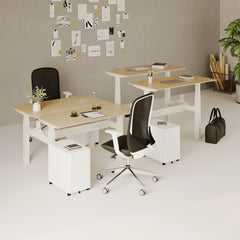
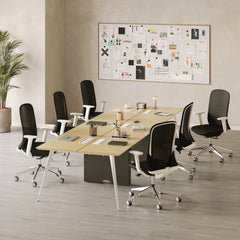




How Team Desks and Panels Create Better Daily Work Zones
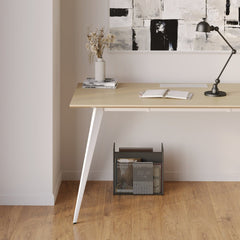
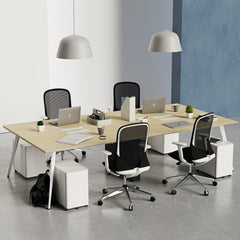
Team desks and workstation panels do more than organize seating. Together, they define personal work areas, manage sightlines, support smoother cir...
Learn more

Visit quiz page to see how we makes it easy to create an inspiring workplace


Natural light makes any room feel open, calm, and productive. It improves mood and reduces the need for artificial lighting throughout the day. But while sunlight benefits your well-being, it can quietly damage your furniture over time. Prolonged exposure to ultraviolet rays and heat can fade finishes, dry out wood, weaken fabrics, and even affect structural integrity. If your workspace sits near a window, understanding how sunlight interacts with materials is essential to preserving both appearance and performance.
Sunlight carries ultraviolet radiation that penetrates surfaces and gradually breaks down materials at a molecular level. Wood, fabric, plastic, and even certain metal coatings react differently to continuous exposure. At first, changes may appear subtle. A slight color shift. A mild dryness in the surface. Over months and years, however, the transformation becomes noticeable.
Wood may lighten or darken unevenly. Upholstered seating can fade in patches. Finishes may lose their original richness. Even engineered surfaces can begin to show wear if constantly heated by direct sun. Heat buildup also causes expansion and contraction cycles, especially in solid materials, leading to stress at joints and seams.
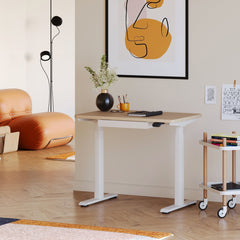
When you place a workspace near bright windows, these effects accelerate. For example, a compact setup such as a Mini Standing Desk California positioned in a sunny corner may receive hours of direct exposure daily. Without protective strategies, even well-built furniture can age prematurely.
Wood and engineered desk materials respond differently to light, but both are affected by ultraviolet radiation.
Wood contains natural compounds that react to UV exposure. Over time, sunlight breaks down lignin, a substance that binds wood fibers together.
Gradual fading or darkening of the finish
Uneven color where sunlight hits one area more than another
Yellowing of lighter wood tones
Slight surface dryness
Beyond appearance, prolonged heat can cause:
Expansion and contraction cycles
Minor cracks along seams
Loosening of joints over time
Surface warping in extreme conditions
Engineered desks with protective coatings often perform better under sunlight, but no surface is completely immune. Positioning and preventive care make a measurable difference in longevity.
Adjustable furniture is designed for movement and flexibility. However, exposure to sunlight introduces an additional layer of wear.
A well-constructed standing desk offers smooth transitions and reinforced stability. Still, heat exposure can affect both surface materials and mechanical components over time.
Fading of desktop finishes
Gradual weakening of laminate layers
Drying of protective coatings
Increased strain on motorized systems if overheated
Expansion of metal components during peak sun hours
Accumulation of dust accelerated by heat
To reduce risks, avoid positioning adjustable desks in direct afternoon sun. Even shifting placement slightly away from a window can limit concentrated exposure.
Upholstered furniture reacts quickly to UV rays. Fading is the most obvious sign, but the damage extends deeper than color changes. Heat can weaken fibers and reduce elasticity, making materials feel thinner or less supportive over time.
Research on environmental exposure, such as this interior materials study, highlights how prolonged light exposure contributes to surface degradation. The findings reinforce a simple truth: sunlight is cumulative. Damage builds gradually rather than appearing overnight.
If your chair or seating area sits directly in front of a window, the sun may be silently accelerating wear.
Seating is particularly vulnerable because it combines fabric, foam, and structural components.
A supportive ergonomic chair is designed for long work sessions, posture alignment, and airflow. To maintain these benefits, sunlight exposure should be carefully managed.
Fading of fabric or mesh
Drying of foam cushioning
Reduced elasticity in support materials
Warping of plastic components
Rotate your chair position periodically
Use window treatments during peak sunlight hours
Keep seating slightly angled away from direct rays
Maintain moderate indoor humidity
Even small adjustments in placement can significantly extend the life of seating materials.
Furniture does not experience sunlight in isolation. Monitors, laptops, and accessories can magnify heat exposure. When sunlight hits electronics, it creates additional warmth that transfers to desk surfaces.
Using an adjustable ergonomic arm elevates monitors off the desktop, reducing concentrated heat buildup in one area. By distributing weight and improving airflow, you also reduce stress on the surface beneath. This combination of smart layout and sun awareness protects both structure and finish.
Pay attention to shadow patterns throughout the day. The morning sun may hit one side of your desk, while afternoon light shifts to another. Understanding this movement helps you make better placement decisions.
|
Furniture Element |
Sunlight Effect |
Visible Sign |
Long-Term Risk |
Prevention Strategy |
|
Solid Wood Desk |
UV breakdown of lignin |
Fading or yellowing |
Surface cracks |
Use blinds and rotate placement |
|
Engineered Office Desk |
Coating degradation |
Uneven color |
Laminate peeling |
Avoid direct window alignment |
|
Standing Desk Mechanism |
Heat expansion |
Minor alignment changes |
Motor strain |
Keep away from peak sun hours |
|
Ergonomic Chair Fabric |
Fiber weakening |
Fabric fading |
Reduced support |
Use UV-filtering curtains |
|
Metal Components |
Heat cycling |
Warm surface temperature |
Joint stress |
Maintain moderate indoor temperature |
This comparison makes it clear that sunlight affects multiple aspects of your workspace, not just surface appearance.
Managing sunlight does not mean eliminating natural light. It means controlling intensity and duration.
Thoughtful window management allows you to enjoy daylight while protecting your furniture.
Install UV-filtering window films
Use adjustable blinds to diffuse direct rays
Rearrange desk placement slightly off-center from windows
Rotate decorative objects regularly
Design your layout based on sun direction
Position your office desk perpendicular rather than parallel to direct sunlight
Incorporate indoor plants to soften harsh light
Monitor temperature changes throughout seasons
These adjustments create a balanced environment that supports both comfort and durability.
Sunlight intensity shifts throughout the year. In summer, longer daylight hours increase exposure time. In winter, lower sun angles may send light deeper into your room. Because damage accumulates gradually, furniture may show changes after several seasons rather than weeks.
Pay attention to subtle signs such as uneven coloration or slight dryness in materials. These early indicators signal that adjustments are needed. Regularly reassess your layout as seasons change. What worked in spring may require modification by late summer.
Furniture longevity depends not only on material quality but also on environmental awareness. Recognizing sunlight as a long-term factor allows you to make proactive decisions instead of reactive repairs.
Sunlight adds warmth and energy to your space, but without mindful placement and care, it can shorten the life of your workspace essentials.
Use this checklist to balance brightness and protection:
Position desks away from prolonged direct sunlight
Use blinds or curtains during peak afternoon hours
Rotate chairs and movable pieces regularly
Monitor temperature fluctuations near windows
Elevate monitors to improve airflow and reduce heat buildup
Inspect surfaces for early signs of fading
Maintain consistent indoor humidity
Adjust layout seasonally to match sun direction
Clean and condition materials appropriately
Address minor discoloration before it spreads
By combining smart design decisions with simple preventive steps, you can enjoy natural light without sacrificing durability. A thoughtful approach ensures that your office desk, standing desk, and ergonomic chair remain comfortable, functional, and visually consistent for years to come.


You have unlocked free shipping!
You're saving $29 and unlocked free shipping!
Leave a comment