























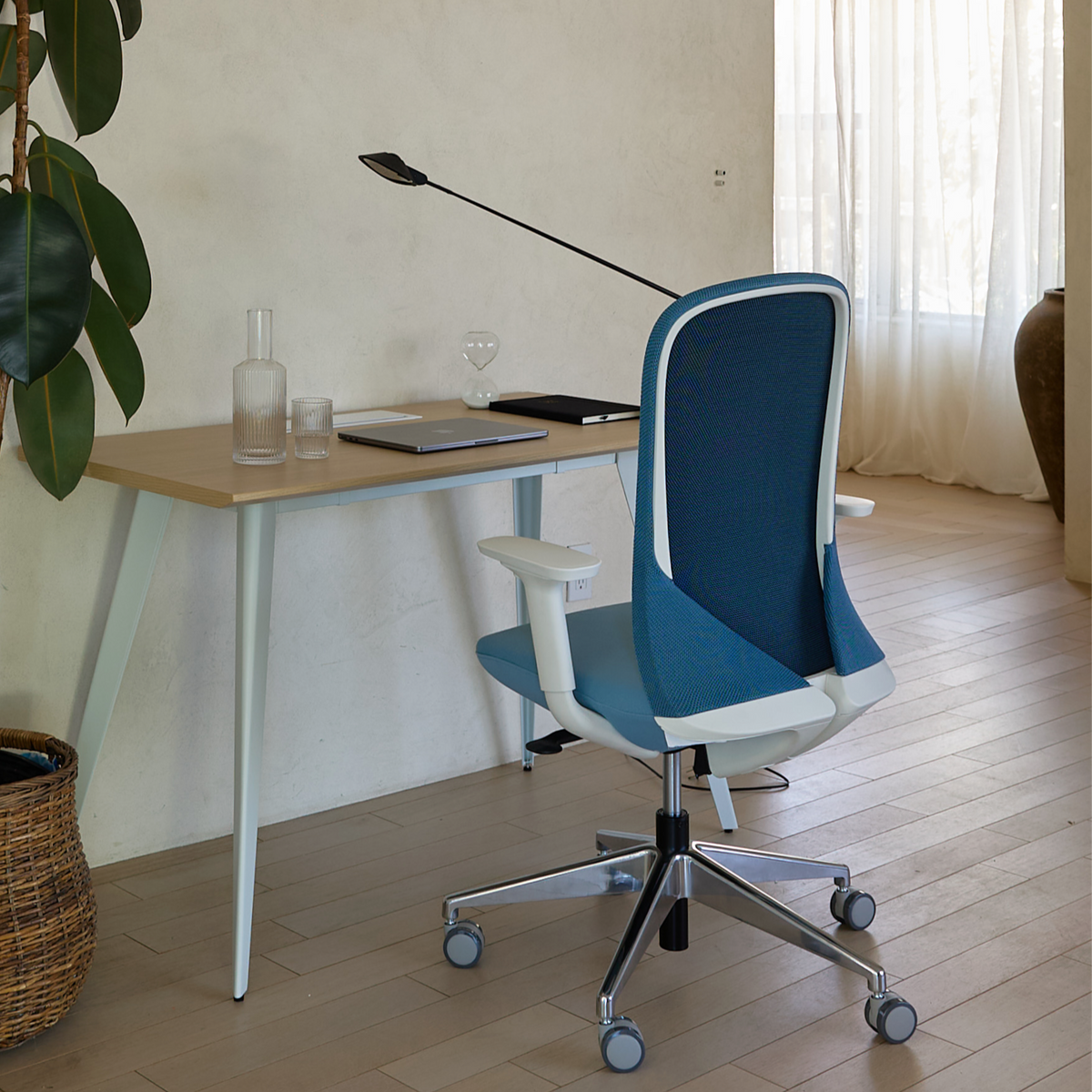
Style Meets Substance: Trends for an Aesthetic Workspace

The Blending of Beauty and Brains
The home office is no longer a temporary corner; it is a permanent fixture and a reflection of personal style. Modern furniture trends for working spaces are centered on a crucial insight: aesthetics and function are mutually dependent. A beautiful, well-designed space is not just pleasing to the eye, it actively supports productivity, creativity, and well-being. Today's designers are moving past purely utilitarian solutions, focusing on sophisticated pieces that enhance the room's overall decor while providing world-class ergonomic support.
Creating an aesthetic working space means embracing quality materials, clean lines, and adaptability. It’s about building an environment that feels inspiring and calm, reducing the visual friction that contributes to mental fatigue. By incorporating these key modern trends, your workspace can become your favourite part of the home.
The Psychology of Aesthetic Design
The environment in which we work has a profound impact on our mood and performance. Clutter and harsh, uninspired surroundings can increase stress and distract the mind. Conversely, an aesthetically pleasing, organized space provides visual tranquility and a sense of professionalism, reinforcing the psychological shift required for focused work. The furniture acts as the architecture of this mental state.
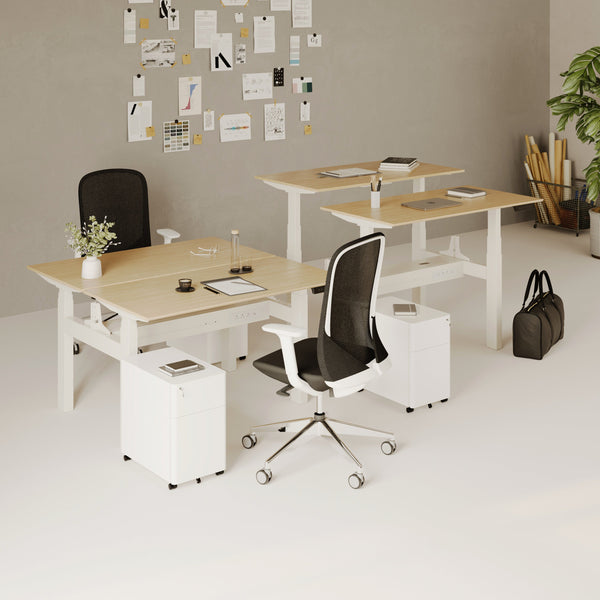
This relationship between environment and productivity is fundamental to modern design. A dynamic piece like a height-adjustable standing desk fits this trend perfectly, offering seamless, aesthetic integration while providing active health benefits.
Minimalism and Clean Lines: The Foundation
The dominant trend in modern workspace design is minimalism. This means rejecting bulky, ornate furniture in favor of pieces with clean, geometric lines, creating a sense of clarity and organization. Minimalism is not about emptiness; it’s about intentionality.
Visual Calm Through Form
Furniture achieves elegance through its form and the quality of its construction, rather than decorative elements. This simplicity makes the workspace feel larger, more airy, and less overwhelming.
Minimalist Principles for Desks
-
Thin Profiles: Using slender legs and thin desktop surfaces minimizes visual bulk.
-
Integrated Storage: Storage solutions are built into the desk or wall, eliminating clutter.
-
Neutral Palette: Favoring wood tones, whites, blacks, and grays allows accent colors to stand out purposefully.
The Psychological Dimension: Aesthetics and Well-being
The aesthetic quality of a working space is not a superficial concern; it is a profound element of its functionality. Modern design understands that our furniture, through its visual presentation, directly impacts our mood, motivation, and overall psychological comfort. A chaotic or uninspired environment can increase cortisol levels and reduce focus, while simplicity and clean lines promote mental clarity.
Furniture Design as a Cognitive Aid
Designers specifically choose materials and forms to evoke feelings of calm and professionalism. This focus on environmental psychology confirms that the aesthetic choices we make about our furniture directly influence our performance. The research linking the design of the workspace and its impact on user engagement and stress highlights the critical role of beautifully constructed items in creating a supportive cognitive environment.
Dynamic Ergonomics: Movement is the New Comfort
Static furniture is out; dynamic furniture is in. The modern aesthetic workspace supports movement throughout the day, recognizing that prolonged static posture is detrimental to health and focus.
Integrated Wellness
This trend shifts ergonomic features from being visible, bulky additions to being seamlessly integrated into the furniture's primary design. Adjustability is fluid, silent, and easy to use.
Material Fusion: Textural Contrast
Modern aesthetic workspaces are defined by the sophisticated pairing of contrasting materials. This trend adds visual depth and tactile interest, preventing the room from feeling sterile.
Wood, Metal, and Stone
The most popular fusion pairs the warmth of natural wood (walnut, oak, or ash) with the sleek strength of metal (matte black, polished steel, or brushed brass). This material dialogue creates a balanced look that is both industrial and organic.
The modern office setup benefits greatly from this contrast. A high-quality modern office desk with a solid wood top resting on a crisp, geometric metal base is the quintessential example of this aesthetic trend.
Vertical Space Utilization: Compact and Capable
With many home offices occupying smaller or shared spaces, vertical design is a crucial trend. Furniture is getting smaller in footprint but maximizing function in height and modularity.
Efficiency for the Aesthetic Small Office
Small-scale furniture no longer sacrifices ergonomic quality. It provides full, dynamic functionality while preserving floor space for other uses. For tight corners and specialized needs, highly compact yet dynamic solutions are trending. A versatile Mini Standing Desk Texas fits the modern trend perfectly, providing active work benefits within a minimal footprint that maintains the clean aesthetic of the room.

Seamless Technology Integration: Clutter-Free Zones
A messy desk is the antithesis of an aesthetic workspace. Modern trends demand that technology—especially the clutter of cables—be managed or concealed within the furniture itself.
The Invisible Office
Smart design uses built-in charging pads, hidden cable management channels, and discreet power ports to maintain clean surfaces. When the hardware is managed, the aesthetic quality of the materials and design can shine through.
Technology Management (Checklist):
☐ Cable Management Trays: Built into the desk frame to hide wires running to the floor.
☐ Wireless Charging: Integrated into the desk surface to eliminate charging cables.
☐ Discreet Power Hubs: Power ports recessed into the side of the desk or monitor arm.
The Rise of the Collaborative Home Office
As hybrid work becomes the norm, many homes accommodate multiple people working simultaneously. Modern trends include design solutions that allow for coexistence without compromising individual focus or aesthetic unity.
Designing for Two
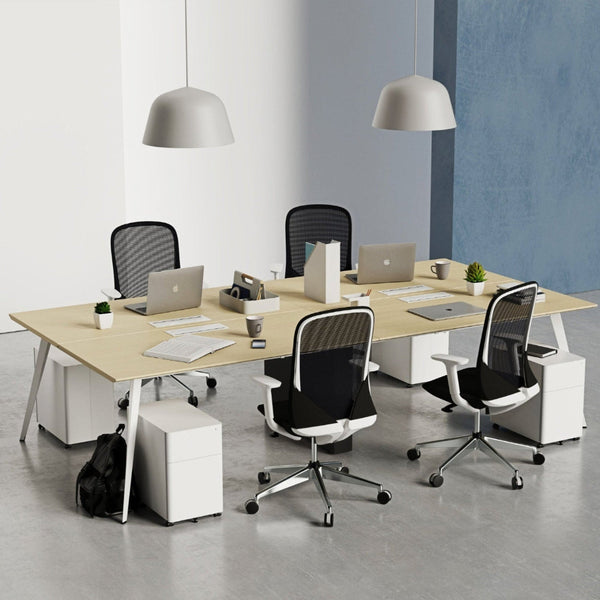
Shared furniture must provide separation, independent function, and a cohesive look. A specialized solution like a two-person standing office desk is trending because it allows two people to maintain individual ergonomic control over their height and space while sharing a minimalist aesthetic footprint.
Collaborative Design Elements (Table):
|
Feature |
Aesthetic Trend |
Functional Benefit |
|
Shared Frame |
Unified, clean profile |
Visual continuity in a multi-user space. |
|
Independent Adjustment |
Hidden, separate controls |
Personalized comfort for each worker. |
|
Surface |
Extra depth/width |
Ample space to prevent encroachment. |
Natural Light and View Maximization
The aesthetic modern workspace leverages natural elements, primarily light and views, to enhance the feeling of space and connection to the outdoors. Furniture placement is guided by the room's windows.
Placement for Productivity
The trend is to position desks to maximize daylight exposure while avoiding direct glare. Desks are often placed perpendicular to a window to balance the light.
Accessories as Aesthetic Tools
In a minimalist space, every accessory is highly visible and must contribute to the overall aesthetic. Desk accessories are no longer just organizational; they are sculptural and textural elements.
Functional Sculpture
Modern desk accessories favor simple materials like stone, wood, or matte metal, and geometric forms. The goal is for them to feel like display objects when not in use.
Modular and Adaptable Systems
The need for highly flexible furniture has led to a trend in modular systems. Pieces that can be reconfigured or expanded easily allow the workspace to adapt to life changes without needing total replacement.
Future-Proofing the Aesthetic
Modular shelving and desk components ensure that the aesthetic remains coordinated even if you move or repurpose the room. This makes the space feel organized and ensures longevity.
Ergonomic Precision: Supporting the Screen
An often-overlooked but crucial trend is the use of specialized tools that maintain the clean aesthetic while providing necessary ergonomic function for monitors.
The Floating Screen Effect
Modern workspaces utilize clean mounting systems to elevate screens, freeing up desk surface area and achieving a minimalist floating effect. This is essential for both posture and aesthetics. A precision tool like an ergonomic monitor arm is a trending piece because its clean lines and fluid movement support perfect eye-level positioning while eliminating the clutter of static monitor bases.
The aesthetic choice of a clean, well-organized workspace has a proven psychological benefit. Studies linking environmental control and well-being confirm that having a supportive and aesthetically pleasing environment contributes to reduced stress and increased job engagement.

The Inspiring Work Ethic
The modern furniture trend is clear: the aesthetic of your workspace is intrinsically linked to your well-being and productivity. By choosing furniture that is dynamic, minimalist, and built with honest, quality materials, you stop creating a mere "office" and start curating an inspiring environment for success. Embrace the blend of style and substance, and watch your focus, health, and work thrive.
Related Articles
-
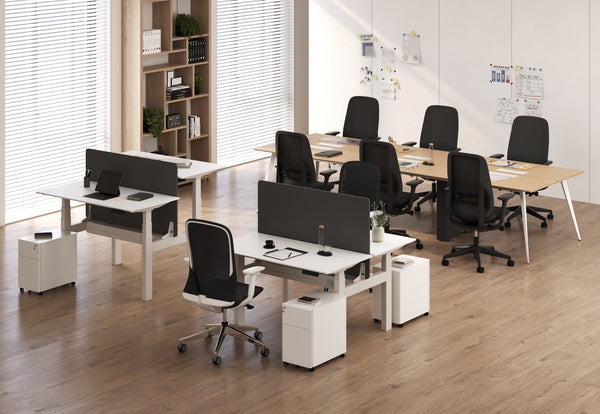 Our Conference Chairs and Meeting Tables Compared, so You Can Furnish a Huddle Room, a Meeting Room, or a Boardroom for Eight in One Order
-
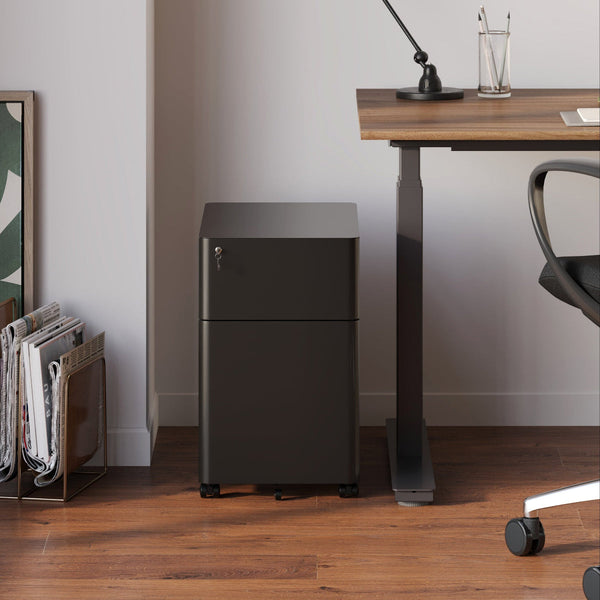 Best Filing Cabinet Options for Minimalist Offices That Still Need Real Storage
-
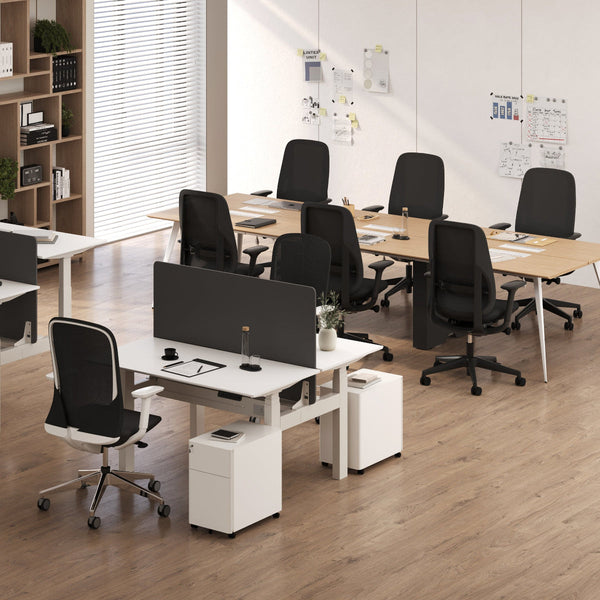 How to Make a Filing Cabinet Feel Like Part of the Room Instead of Extra Furniture
-
 How to Match a Filing Cabinet with Your Desk for a Cleaner Office Look
-
 Best Filing Cabinet Styles for Modern Home Offices That Need Hidden Storage
-
 Best Laptop Stand Options for Minimalist Desk Setups
