

Skip to content
For Teams
Upgrade Your Workspace This Spring with Our Premium Ergonomic Office Furniture | Free Shipping on Orders $65+
FAQ
need to know

Useful articles

Modular Tables for Shifting Studio Needs

Modular Tables for Shifting Studio Needs

Modular Tables for Shifting Studio Needs

Why modular tables matter to studios that change by the hour

Studios operate in environments defined by rapid transitions. A single room may shift from product photography to high-focus editing within minutes. Fixed furniture slows teams down, while modular tables enable smooth transitions without compromising equipment placement or workflow rhythm. At Urbanica, we design work surfaces with the assumption that roles, tools, and spatial requirements will change often. Modularity is less about novelty and more about preserving creative flow.

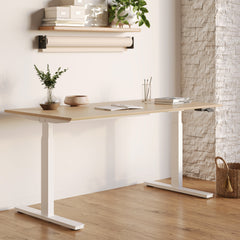
To introduce baseline workspace foundations that can adapt as needs shift, many studios begin with versatile systems such as our desk options suited for studio variability that provide a stable framework for future reconfiguration.

Fundamental principles that make modular tables perform

Modular tables only succeed when the structural and functional elements support genuine studio demands. Surfaces, cable systems, and ergonomic adjustability all influence how efficiently teams move between tasks.

Material and surface behavior for studio work

Studios handle mixed media daily. Cameras, drawing tablets, lighting accessories, paper, and laptops all interact with the same tabletop. Low-glare finishes maintain visual accuracy, while durable materials prevent scratches from repetitive equipment movements.

Load capacity and long-term stability

Heavy monitors, multi-device setups, and articulating arms require sturdy surfaces. Reinforced frames and stable connectors help tables maintain alignment after repeated changes.

Integrated power and tidy cable routing

Cable sprawl is a common source of disruption. Modular tables with discreet routing options streamline reconfiguration by preventing tangled lines and giving each device a predictable access point.

Practical cable strategies for mixed-device setups

Place primary power along the table’s rear edge or center spine so tools can be unplugged and moved with minimal disruption. Vertical cable paths help maintain clean movement zones beneath the surface.

Ergonomics that support varied tasks

Ergonomic design influences both comfort and output quality. Adjustable-height modules make it easier to shift between seated editing and quick review tasks, reducing strain.

For a deeper understanding of posture fundamentals, we align with ergonomic workspace guidelines that reinforce healthy movement patterns in device-heavy environments.

Laying out modular table systems for dynamic studio work

A strong layout strategy respects both the creative process and the spatial limitations of the room. Modular tables allow studios to implement predictable patterns while staying flexible enough to shift structure when production needs demand it.

Zone design that supports switching modes

Studios benefit from dividing space into fluid zones for capture, editing, and staging. Modular tables act as moveable boundaries that define these areas without blocking circulation.

Practical steps to make zones fluid

1. Select a stable anchor point such as a monitor wall or primary lighting position.

2. Build table modules around this anchor so they can pivot into alternative configurations.

3. Keep carts and accessory shelves mobile to support quick transitions.

Patterns for small studios versus larger footprints

Smaller rooms benefit from linear and corner arrangements that keep circulation open. Larger studios can create islands or clusters that group tasks by team or function.

Aligning modules with storage, lighting, and acoustics

Equipment-intensive zones require thoughtful placement. By matching modular tables with shelving, carts, and acoustic treatments, studios reduce clutter and maintain smoother movement between activities.

To create dependable task areas that integrate well with storage and lighting, teams often incorporate an office desk configuration used in dedicated work zones as a grounding element for more modular surfaces.

Clustered workstations for multi-person creative teams

Teams thrive when their workstations support shared awareness and individual comfort. Modular clusters let groups build predictable patterns for collaboration.

Designing pods for synchronous collaboration

Pods allow editors, designers, and production staff to stay aligned without interrupting individual focus. Separate surfaces arranged in a shared cluster improve communication while keeping tools within reach.

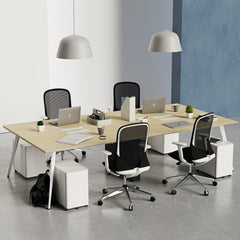
A stable solution for collaborative pods is the four-person workstation arrangement, designed to provide each contributor with personal space while keeping the team connected.

Larger teams and distributed roles

Bigger production environments often need more structured clusters that support multiple roles at once. When six contributors work in unison, cable routing, workspace depth, and clear pathways become even more critical.

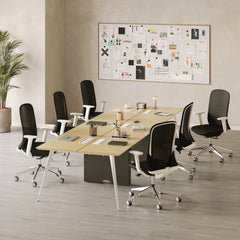
Studios that require this structure often turn toward the six-person desk setup for team production, which helps maintain order during equipment-heavy collaborative tasks.

Managing noise and visual distraction in clusters

Strategic divider placement and careful orientation of monitors help minimize distractions in group environments. The goal is to balance openness with controlled sensory input.

Adding standing-height modules to keep motion in the workflow

Movement supports clarity, energy, and endurance. Standing-height tables encourage dynamic posture and reduce fatigue.

Where to place standing modules for highest impact

Standing modules work best near transition points such as camera prep tables or central review areas. These zones frequently support brief tasks that benefit from upright posture.

Choosing the right standing module for compact studios

Compact studios need small, mobile surfaces that shift effortlessly. For these environments, a nimble and versatile option is the small-format standing desk for compact studios.

Full-size standing surfaces for extended standing workflows

Certain roles require extended standing periods. A full-size adjustable model offers greater room for monitors, tablets, and accessories. For these needs, teams integrate a height-adjustable standing desk surface that supports longer tasks without compromising comfort.

Shared two-person stations and paired workflows

Some creative pairs operate most effectively at a shared workstation rather than working at separate desks.

When paired stations outperform separate desks

Tasks like editing in pairs, reviewing color profiles, or syncing design elements often benefit from shared tools and continuous visibility.

Key dimensions and reach considerations for partners

Depth is critical. Each person needs space for monitors, peripherals, and elbow movement. Surface width should also support side-by-side collaboration without forcing crowding.

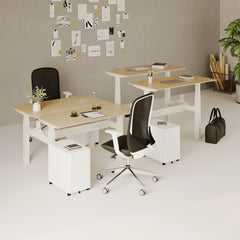
For standing or hybrid workflows, teams rely on the two-user standing workstation to maintain ergonomic alignment for both contributors.

Selecting modules to match equipment types and workflows

Not all modular configurations suit every task. Choosing the right mix is essential.

Modules for camera-heavy versus screen-heavy workflows

Camera-heavy zones require long, unobstructed stretches of table space for staging, while screen-focused tasks need depth for monitor calibration and peripheral integration.

Attachment points and accessory compatibility

Standardized mounting patterns simplify the integration of arms, rails, or mic stands without modifying the table.

Longevity and sustainability through modular upgrades

Selecting compatible modules enables studios to adjust their layout incrementally rather than replacing entire furniture systems.

Practical templates and layout recipes

Below is a comparative chart that illustrates baseline templates for common studio types.

Studio Type Typical Tasks Starting Modular Template Why it works
Solo edit studio Color grading, sound mix Linear 1-2 top run with adjustable monitor arm mounts Supports focused, screen-intensive work
Small content studio Photography, product videography, quick edits L-shaped anchor with mobile standing module Balances capture and editing tasks in tight spaces
Medium production house Simultaneous editing and review Two parallel clusters with central review bench Facilitates easy handoffs and multi-team coordination
Collaborative post facility Multiple editors and producers Six-person clustered desks with shared power spine Simplifies routing and supports synchronized workflows


Quick checklist to adapt a layout

1. Identify stationary equipment and build the layout around it.

2. Use at least one mobile surface per zone.

3. Maintain a clear walking path for camera movement.

4. Position monitor-heavy modules away from direct light.

Installation and maintenance practices that preserve flexibility

Modular systems require thoughtful installation to support future adjustments.

Installation tips for repeatable reconfiguration

Label connectors, store spare hardware in a designated kit, and document the original layout so teams can rebuild a configuration quickly when needed.

Maintenance routines that prevent drift

Perform periodic tightening on frame connections and routinely clean routing channels to ensure cables remain accessible.

Forward-looking layout strategies for evolving content demands

As studios continue expanding their capabilities, modular tables remain a reliable foundation for change. The ability to adjust the footprint, integrate new devices, and accommodate different team structures allows studios to grow sustainably. Through thoughtful configuration and long-term planning, modular systems become an essential part of a creative workspace that adapts as quickly as the people who use it.

Previous article Best Monitor Stand Ideas for Two-Screen Workstations Without Visual Clutter

Leave a comment

* Required fields

Get 10% off your first order

Find the office furniture that’s designed to match your style, comfort, and needs perfectly. Subscribe

My Office

You have unlocked free shipping!

You're saving $29 and unlocked free shipping!


Your cart is empty.
Start Shopping

Contact Us